

Component To Hdmi Adapters
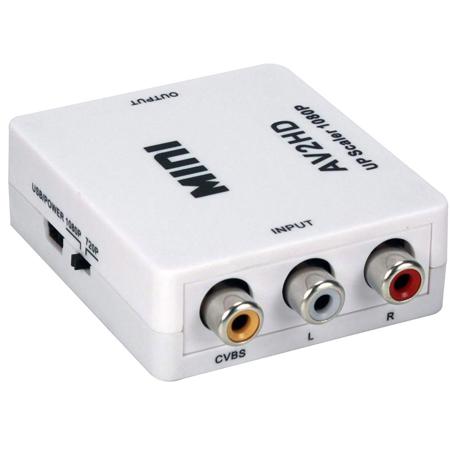
As technology continues to evolve, many households and professionals find themselves balancing a mix of legacy and modern equipment—especially as the weather warms and gatherings move from living rooms to patios, family game nights, or backyard movie screenings. Component to HDMI adapters play a crucial role in bridging the gap between older devices and today’s high-definition displays. Whether you’re looking to revive a classic gaming console, dust off a cherished DVD collection, or integrate a reliable cable box into a new entertainment setup, a component cable to HDMI adapter can make all the difference. These adapters convert analog YPbPr video signals—delivered through the familiar trio of green, blue, and red RCA connectors—and stereo audio into a single digital HDMI output, ensuring compatibility with modern TVs, projectors, and AV receivers. This process isn’t just about plugging in cables; it involves active hardware that translates and sometimes scales the signal, so most component to HDMI converters require an external power source, often via USB or a small wall adapter.
When choosing a component to HDMI adapter, consider the type of signal processing you need. Standard converters are budget-friendly and straightforward, passing through the original resolution—perfect for devices that already output in a format your display can handle. However, if you’re aiming for the sharpest possible image on a large flat-screen or 4K projector, investing in a model with built-in upscaling can be worthwhile. Upscalers process the analog image to match your TV’s native resolution, reducing input lag and smoothing out pixelation, which is especially appreciated by retro gaming enthusiasts seeking an authentic yet crisp visual experience. For commercial settings like classrooms, conference rooms, or production studios, heavy-duty component to HDMI adapters offer robust build quality and advanced compliance features, ensuring reliable performance during presentations or live events. It’s important to verify that your source device actually supports component output—look for five RCA jacks (three for video, two for audio), and don’t confuse them with composite connections, which use a single yellow video cable and require a different adapter. These adapters are not reversible; if you need to connect a modern HDMI device to an older display, you’ll need a dedicated HDMI to component converter instead.
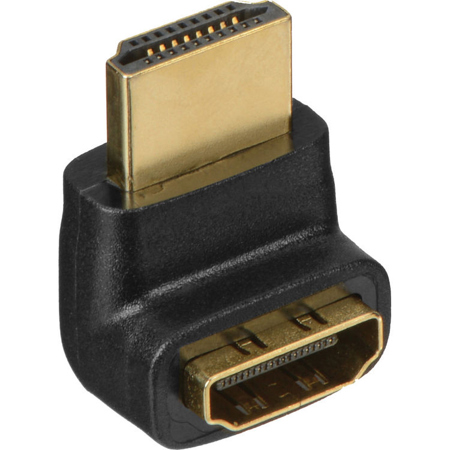
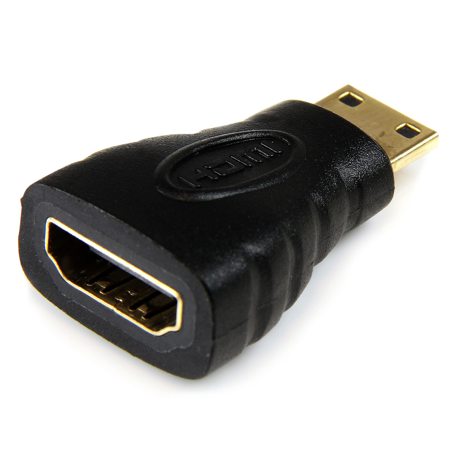
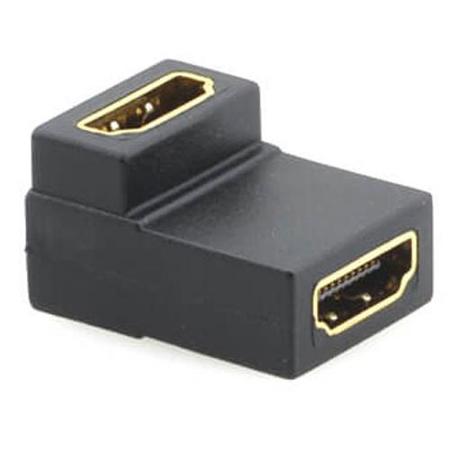
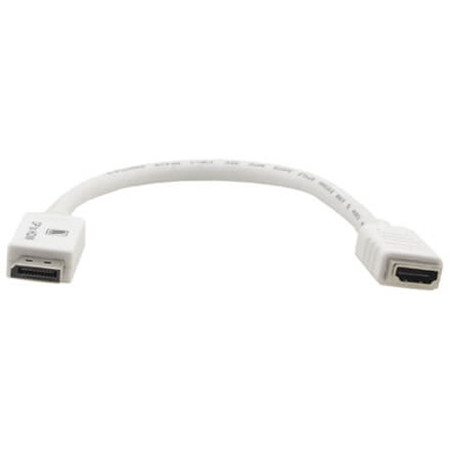
Component to HDMI adapters make thoughtful gifts for anyone who treasures their vintage electronics, enjoys retro gaming, or works with audiovisual equipment—think of a parent wanting to relive old home videos, a friend eager to introduce their kids to classic games, or a colleague setting up multimedia presentations in a school or place of worship. They’re also indispensable for anyone who wants to keep using trusted legacy gear alongside new technology, especially during times of year when family reunions, summer parties, or early fall movie nights call for versatile entertainment setups. For those expanding their home theater or professional AV toolkit, it’s worth exploring related accessories like HDMI Female Adapters to ensure seamless connections across a variety of devices. By understanding your specific needs—whether it’s straightforward conversion, advanced upscaling, or rugged reliability—you can select a component cable to HDMI adapter that keeps your favorite gear relevant and ready for memorable moments, all season long.
When choosing a component to HDMI adapter, consider the type of signal processing you need. Standard converters are budget-friendly and straightforward, passing through the original resolution—perfect for devices that already output in a format your display can handle. However, if you’re aiming for the sharpest possible image on a large flat-screen or 4K projector, investing in a model with built-in upscaling can be worthwhile. Upscalers process the analog image to match your TV’s native resolution, reducing input lag and smoothing out pixelation, which is especially appreciated by retro gaming enthusiasts seeking an authentic yet crisp visual experience. For commercial settings like classrooms, conference rooms, or production studios, heavy-duty component to HDMI adapters offer robust build quality and advanced compliance features, ensuring reliable performance during presentations or live events. It’s important to verify that your source device actually supports component output—look for five RCA jacks (three for video, two for audio), and don’t confuse them with composite connections, which use a single yellow video cable and require a different adapter. These adapters are not reversible; if you need to connect a modern HDMI device to an older display, you’ll need a dedicated HDMI to component converter instead.
Component to HDMI adapters make thoughtful gifts for anyone who treasures their vintage electronics, enjoys retro gaming, or works with audiovisual equipment—think of a parent wanting to relive old home videos, a friend eager to introduce their kids to classic games, or a colleague setting up multimedia presentations in a school or place of worship. They’re also indispensable for anyone who wants to keep using trusted legacy gear alongside new technology, especially during times of year when family reunions, summer parties, or early fall movie nights call for versatile entertainment setups. For those expanding their home theater or professional AV toolkit, it’s worth exploring related accessories like HDMI Female Adapters to ensure seamless connections across a variety of devices. By understanding your specific needs—whether it’s straightforward conversion, advanced upscaling, or rugged reliability—you can select a component cable to HDMI adapter that keeps your favorite gear relevant and ready for memorable moments, all season long.