Computerized Telescopes
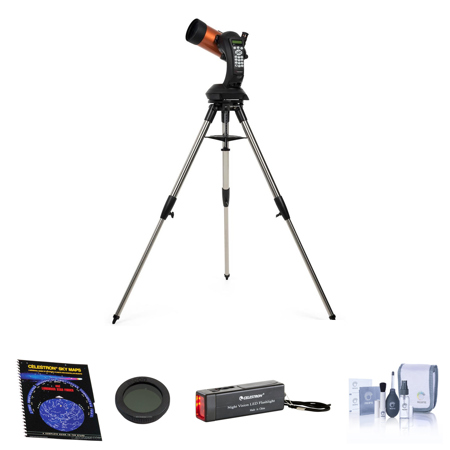
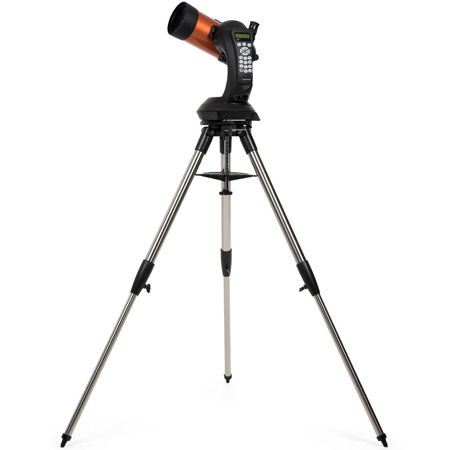
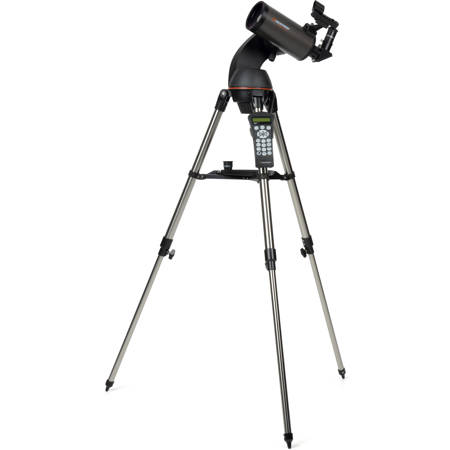
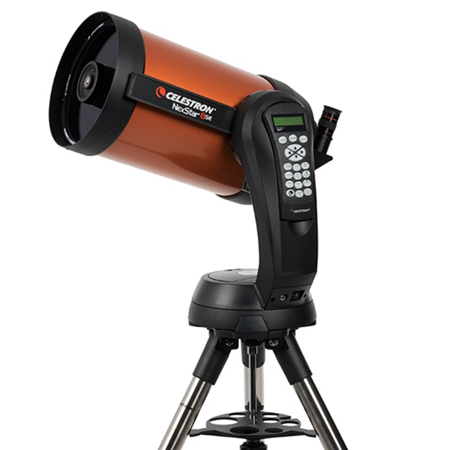
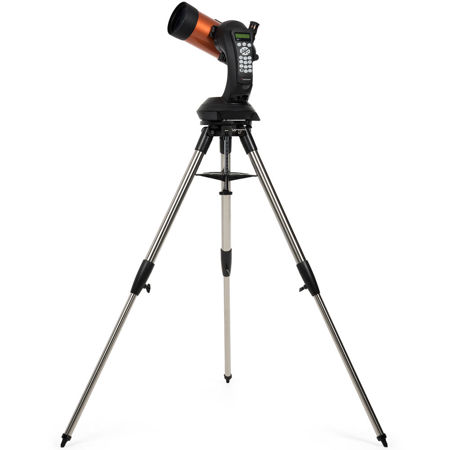
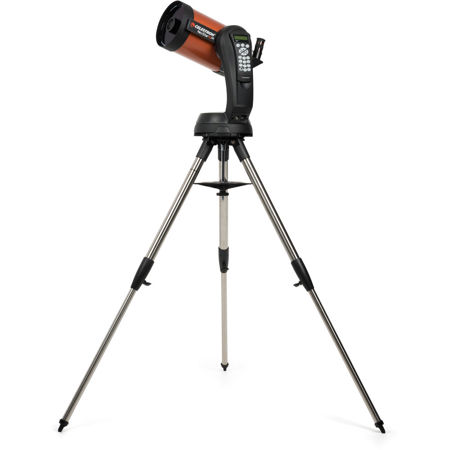
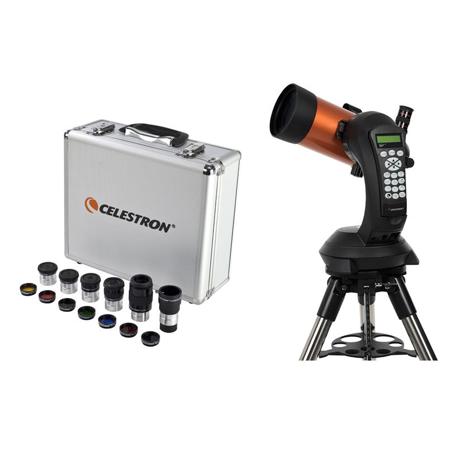
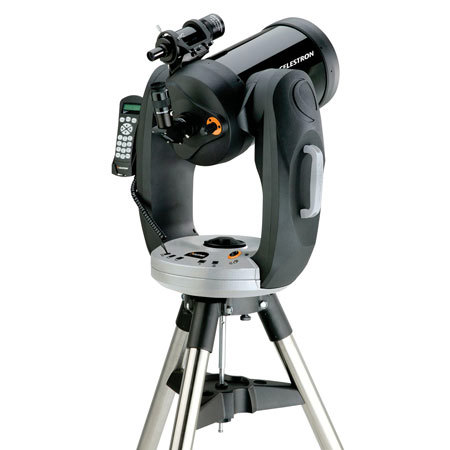
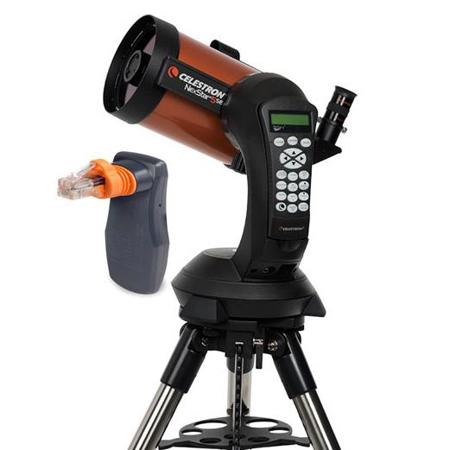
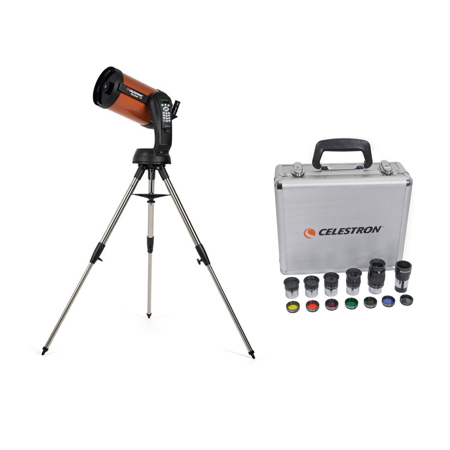
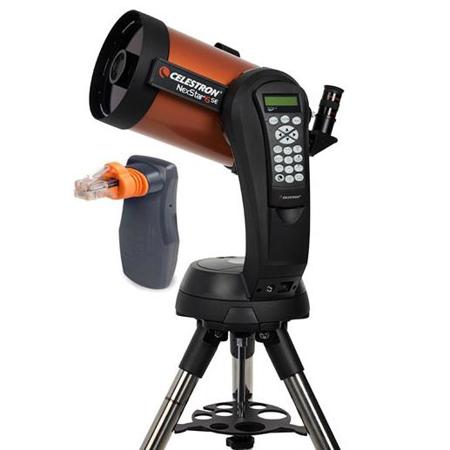
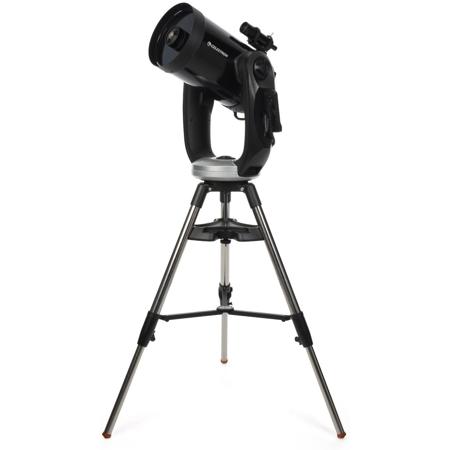
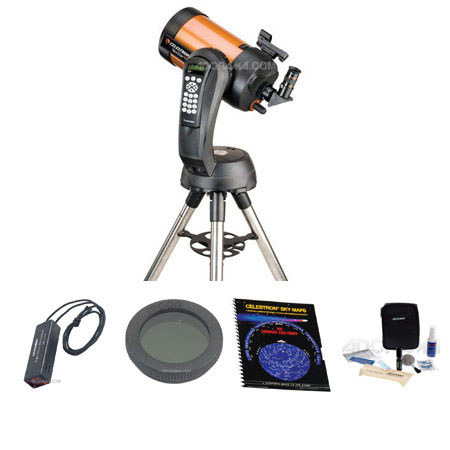
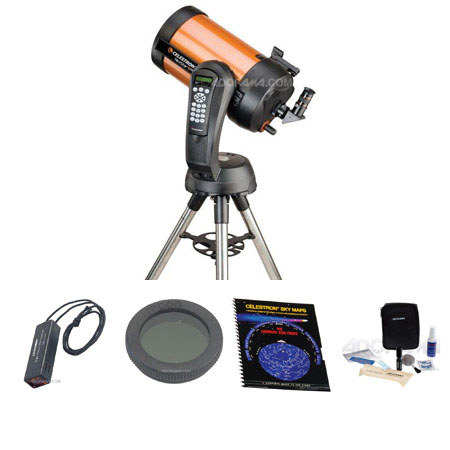
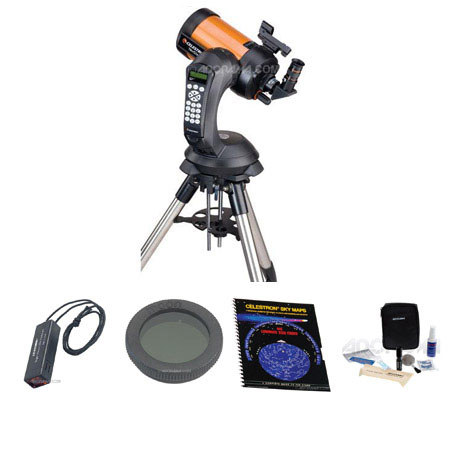
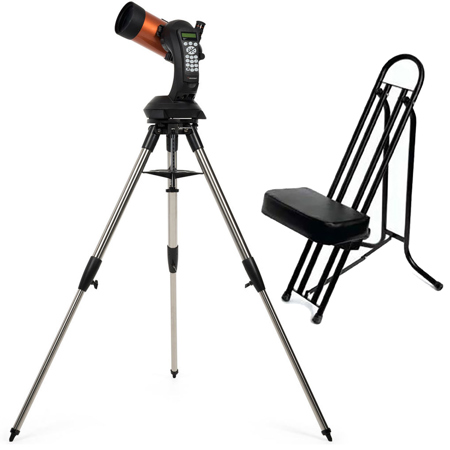
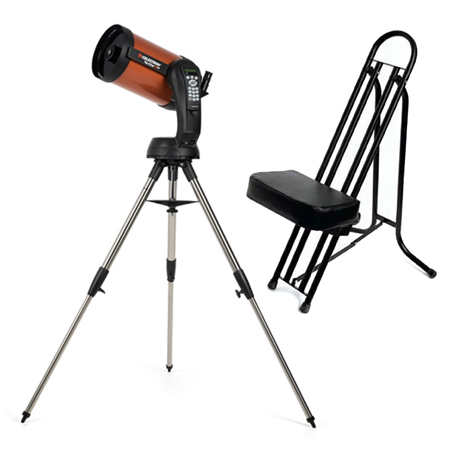
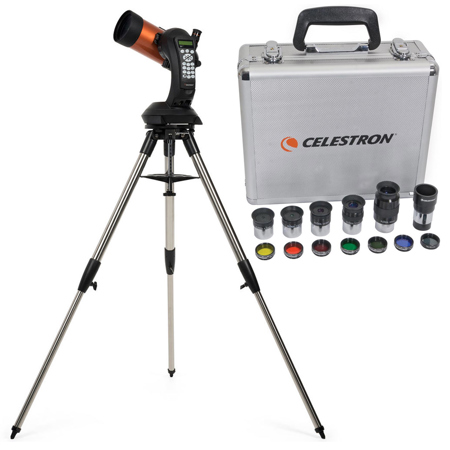
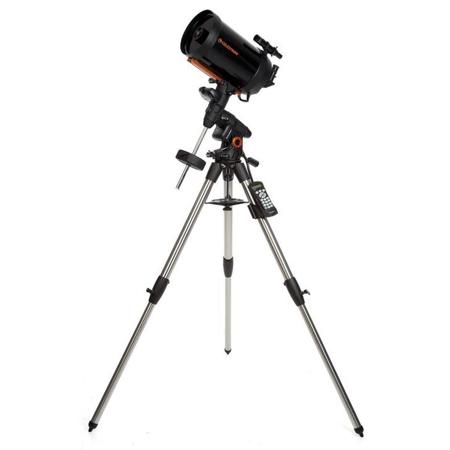
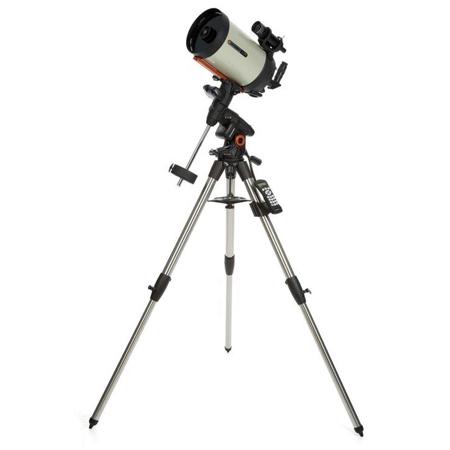
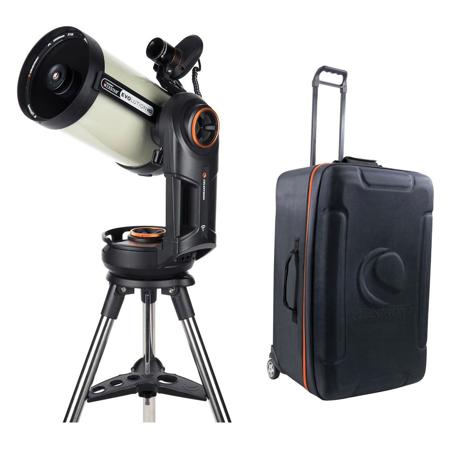
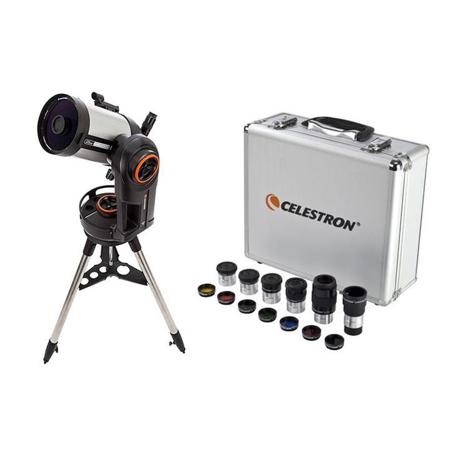
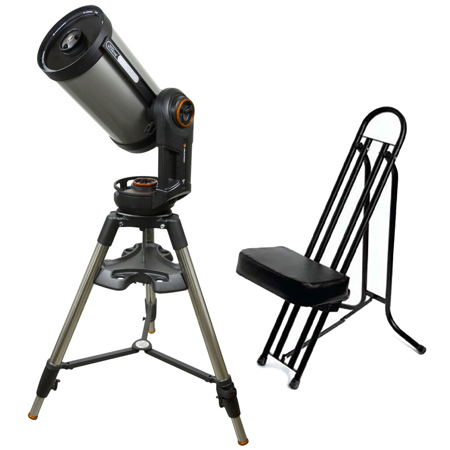
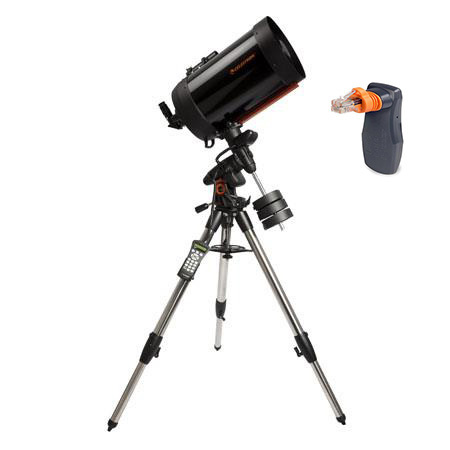
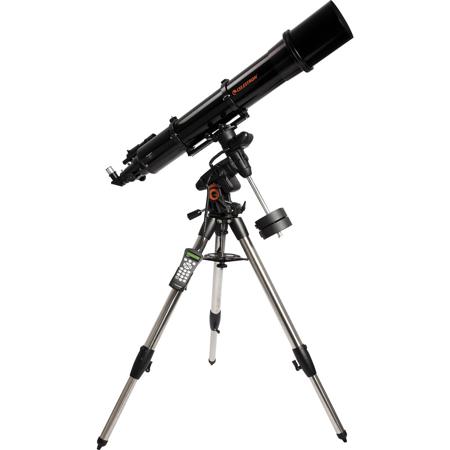
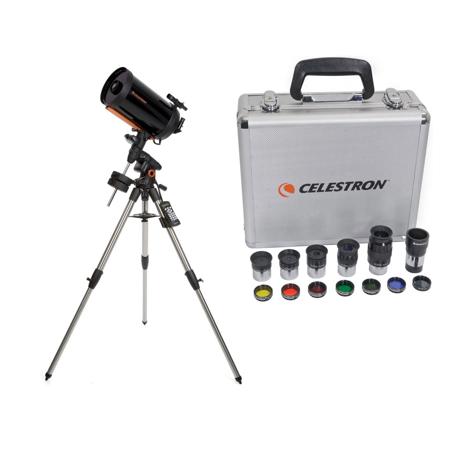
Computerized telescopes, often referred to as GoTo telescopes, have transformed the way both amateur and seasoned astronomers explore the night sky. By integrating motorized mounts with extensive onboard databases, these systems take the guesswork out of celestial navigation. After a straightforward alignment process, computerized telescopes can automatically locate and track thousands of objects—from the shimmering rings of Saturn and the swirling clouds of Jupiter, to distant galaxies and nebulae that are otherwise hard to pinpoint. This feature is especially valuable in urban or suburban environments where light pollution can make manual star-hopping a challenge. For families looking to share an evening of discovery, students eager to deepen their understanding of astronomy, or hobbyists who want to maximize their time under the stars, a computerized telescope offers an accessible gateway to the universe. The ease of use, combined with the ability to spend less time searching and more time observing, makes these telescopes a thoughtful gift for budding astronomers, science enthusiasts, or anyone with a curiosity for the cosmos. As the weather warms and nights grow longer, these instruments become an invitation to gather outdoors—on patios, in backyards, or at scenic overlooks—transforming ordinary evenings into memorable stargazing experiences.
When considering a computerized telescope, there are several factors to keep in mind to ensure that the right model matches your needs and aspirations. Aperture size is a key consideration, as it determines how much light the telescope can gather and, consequently, how much detail you’ll see in celestial objects. Larger apertures reveal fainter deep-sky wonders, while more compact models offer portability for spontaneous trips or easy storage. The mount’s stability and tracking accuracy are equally important, especially for those interested in astrophotography or extended observation sessions. Many computerized telescopes offer user-friendly features such as intuitive hand controllers, Wi-Fi connectivity, and compatibility with mobile apps, which can streamline navigation and enhance the overall experience. Power requirements should also be considered—whether you plan to observe from your backyard with access to an outlet, or venture into remote locations where a portable power source is essential. For those drawn to capturing the beauty of the night sky through photography, exploring options designed for imaging can open up new creative possibilities; you can learn more about these specialized models on our Smart Telescopes For Astrophotography page. Ultimately, computerized telescopes make astronomy more approachable, turning the complex task of celestial navigation into a seamless, enjoyable pursuit for explorers of all ages—whether you’re hosting a summer star party, seeking a meaningful educational tool, or simply enjoying a quiet night under the stars as the seasons shift.
When considering a computerized telescope, there are several factors to keep in mind to ensure that the right model matches your needs and aspirations. Aperture size is a key consideration, as it determines how much light the telescope can gather and, consequently, how much detail you’ll see in celestial objects. Larger apertures reveal fainter deep-sky wonders, while more compact models offer portability for spontaneous trips or easy storage. The mount’s stability and tracking accuracy are equally important, especially for those interested in astrophotography or extended observation sessions. Many computerized telescopes offer user-friendly features such as intuitive hand controllers, Wi-Fi connectivity, and compatibility with mobile apps, which can streamline navigation and enhance the overall experience. Power requirements should also be considered—whether you plan to observe from your backyard with access to an outlet, or venture into remote locations where a portable power source is essential. For those drawn to capturing the beauty of the night sky through photography, exploring options designed for imaging can open up new creative possibilities; you can learn more about these specialized models on our Smart Telescopes For Astrophotography page. Ultimately, computerized telescopes make astronomy more approachable, turning the complex task of celestial navigation into a seamless, enjoyable pursuit for explorers of all ages—whether you’re hosting a summer star party, seeking a meaningful educational tool, or simply enjoying a quiet night under the stars as the seasons shift.