Computers For Architects
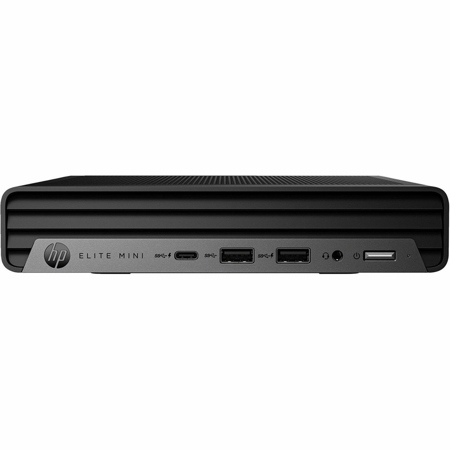
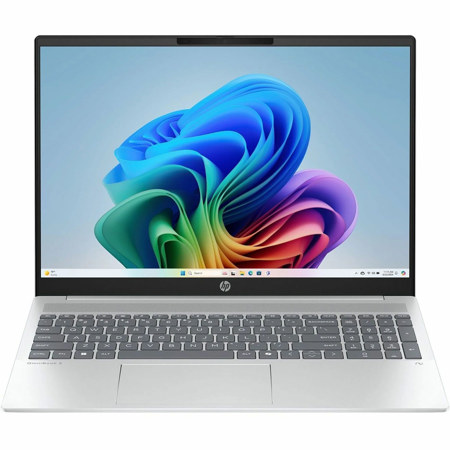
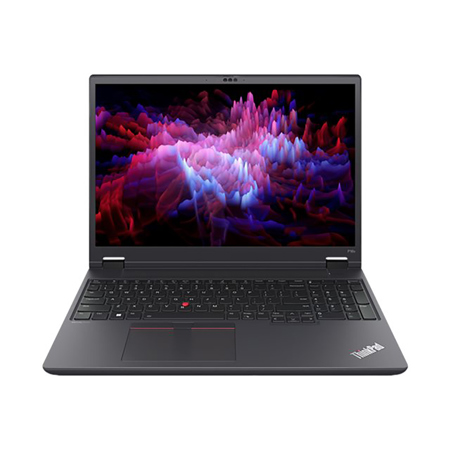
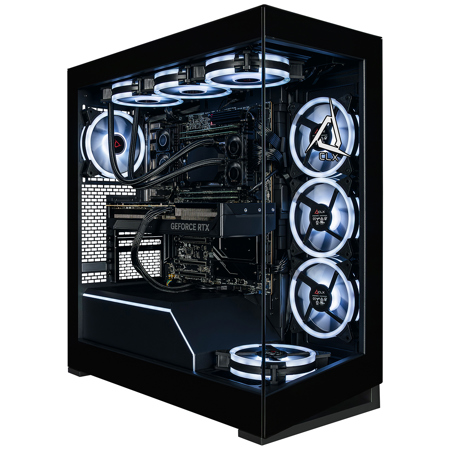
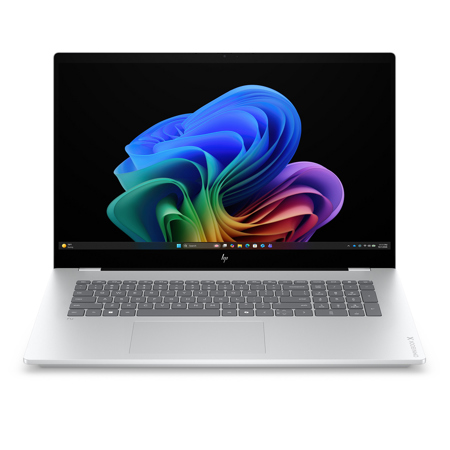
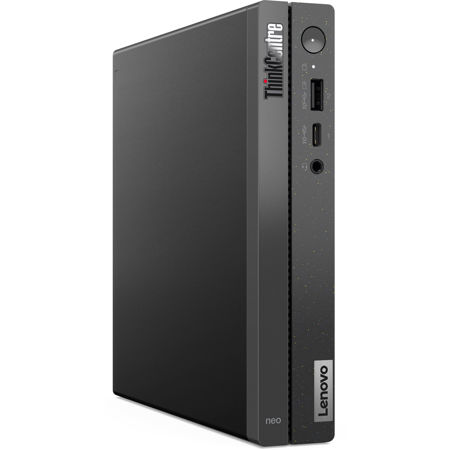
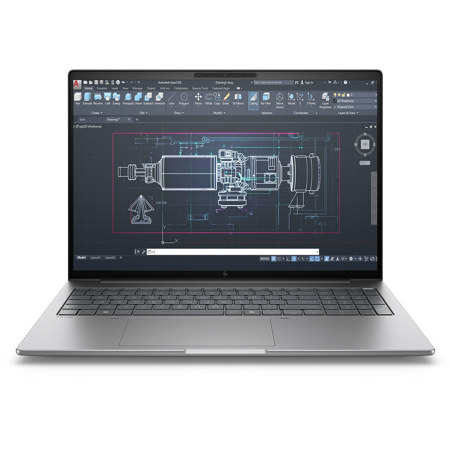
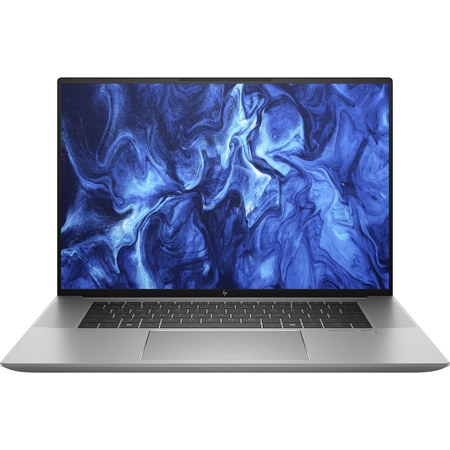
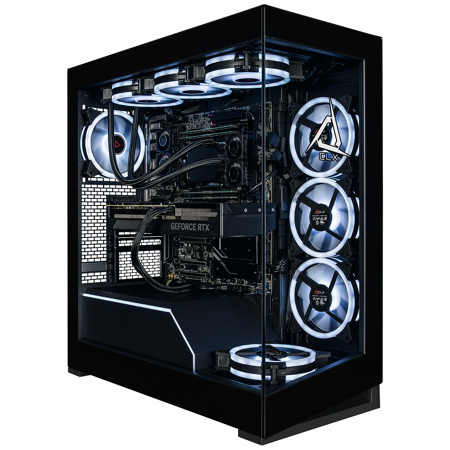
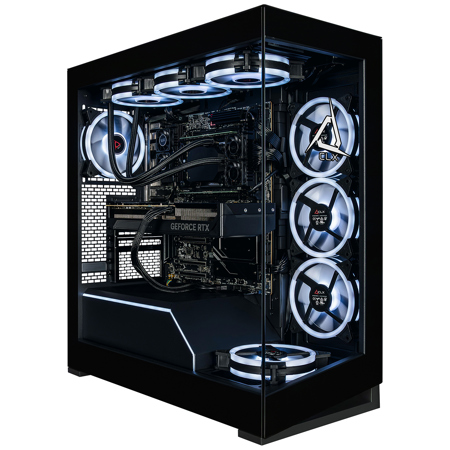
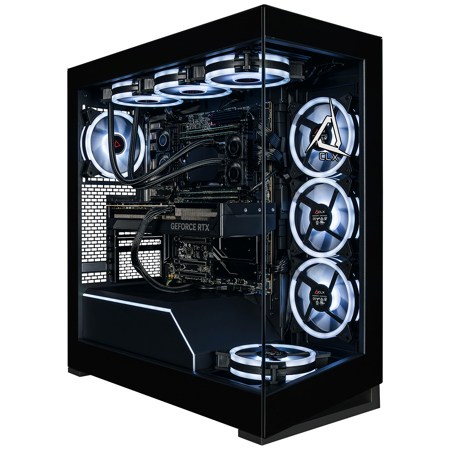
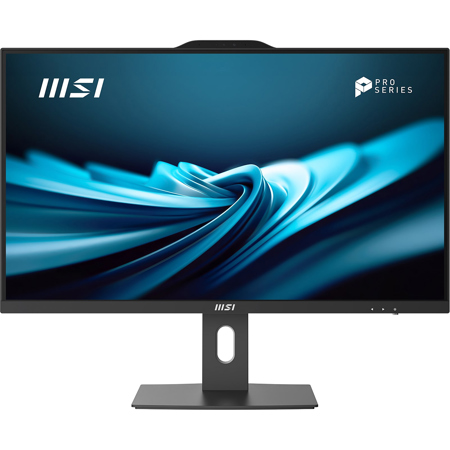
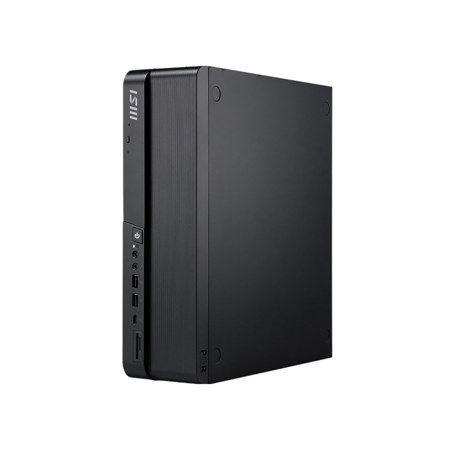
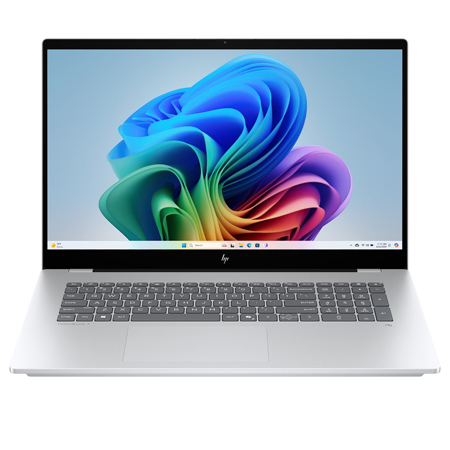
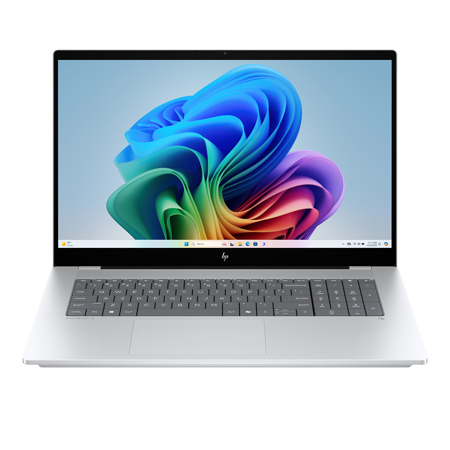
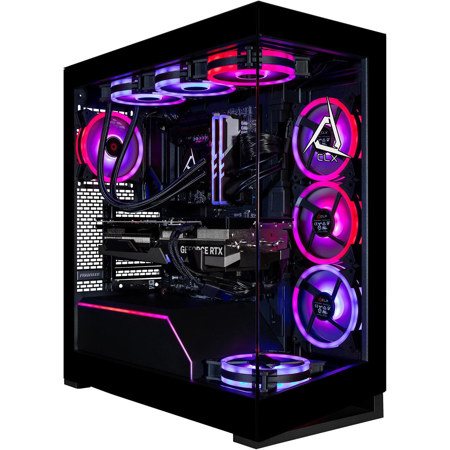
Selecting the right architectural computer is a crucial step for any architect or design professional aiming to bring creative visions to life with precision and efficiency. The demands of architectural workstations go far beyond everyday computing, as architects routinely rely on resource-intensive 3D modeling, rendering, and Building Information Modeling (BIM) software such as Revit, Rhino, and Lumion. These applications require robust hardware capable of handling complex parametric models, real-time visualization, and multitasking across multiple programs. When searching for the best desktop computers for architects, it’s important to focus on several key specifications: a powerful multi-core CPU (such as the latest Intel Core i7/i9 or AMD Ryzen 7/9), a high-performance GPU with ample VRAM for smooth graphics and rendering, at least 32GB of RAM to support large projects and heavy multitasking, and fast NVMe SSD storage for rapid file access and seamless workflow. Architects who regularly collaborate on large-scale projects or push the boundaries of design with photorealistic rendering may even find that 64GB of RAM or higher-end workstation graphics cards are a worthwhile investment.
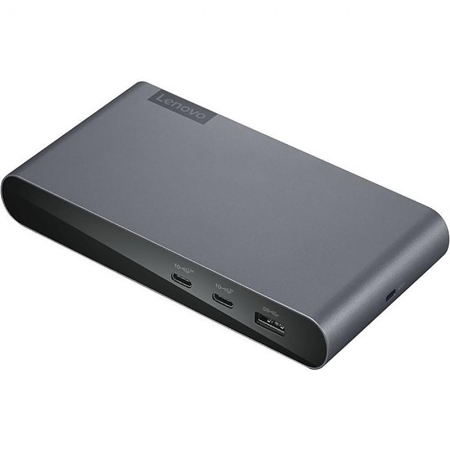
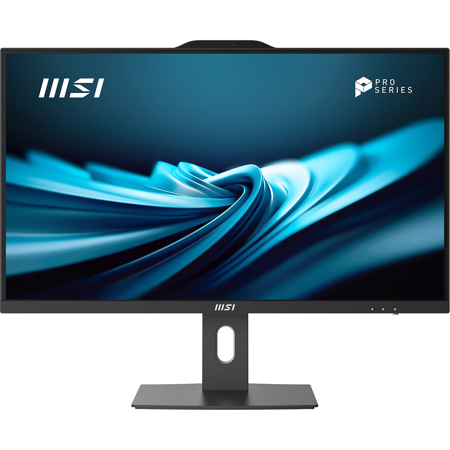
The summer and early fall months often bring a surge of new projects, fresh design competitions, and, for many, the start of academic terms or internships. This is a prime time for both seasoned professionals and aspiring architects to upgrade their technology. Gifting a top computer for architects can be a thoughtful gesture for recent graduates entering the field, students preparing for rigorous studio courses, or colleagues celebrating a new venture. The right desktop computer for architects not only enhances productivity but also empowers users to experiment with innovative forms, materials, and workflows—whether sketching initial concepts, developing detailed construction documents, or presenting immersive 3D walkthroughs to clients. The ideal architect computer is engineered for reliability and longevity, with features like advanced cooling systems, expandable memory, and multiple connectivity options to support dual monitors, VR headsets, and other essential peripherals. As the pace of architectural technology accelerates, investing in a capable system ensures compatibility with the latest software updates and emerging tools, helping architects stay at the forefront of design and visualization.
While the needs of architects are distinct, there’s often overlap with other technical professions that require high-performance workstations, such as engineering. Those interested in exploring solutions tailored for related fields may also want to browse our curated selection of Computers For Engineers, which highlights systems optimized for engineering workflows and computational demands. Ultimately, whether designing a sustainable skyscraper, crafting intricate interior spaces, or visualizing urban landscapes, having the right architectural computer transforms the creative process—turning ambitious ideas into tangible, buildable realities.
The summer and early fall months often bring a surge of new projects, fresh design competitions, and, for many, the start of academic terms or internships. This is a prime time for both seasoned professionals and aspiring architects to upgrade their technology. Gifting a top computer for architects can be a thoughtful gesture for recent graduates entering the field, students preparing for rigorous studio courses, or colleagues celebrating a new venture. The right desktop computer for architects not only enhances productivity but also empowers users to experiment with innovative forms, materials, and workflows—whether sketching initial concepts, developing detailed construction documents, or presenting immersive 3D walkthroughs to clients. The ideal architect computer is engineered for reliability and longevity, with features like advanced cooling systems, expandable memory, and multiple connectivity options to support dual monitors, VR headsets, and other essential peripherals. As the pace of architectural technology accelerates, investing in a capable system ensures compatibility with the latest software updates and emerging tools, helping architects stay at the forefront of design and visualization.
While the needs of architects are distinct, there’s often overlap with other technical professions that require high-performance workstations, such as engineering. Those interested in exploring solutions tailored for related fields may also want to browse our curated selection of Computers For Engineers, which highlights systems optimized for engineering workflows and computational demands. Ultimately, whether designing a sustainable skyscraper, crafting intricate interior spaces, or visualizing urban landscapes, having the right architectural computer transforms the creative process—turning ambitious ideas into tangible, buildable realities.