
Computers For Homeschooling
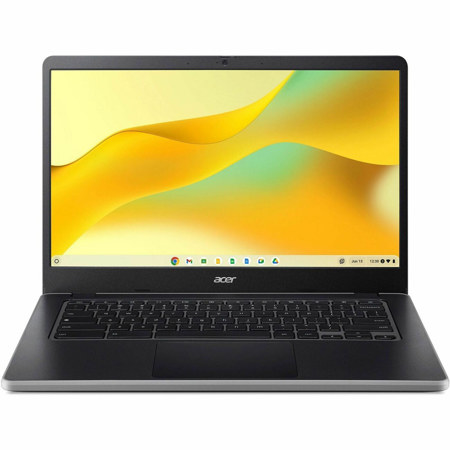
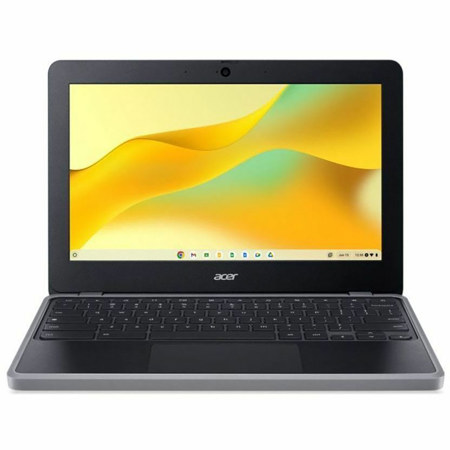
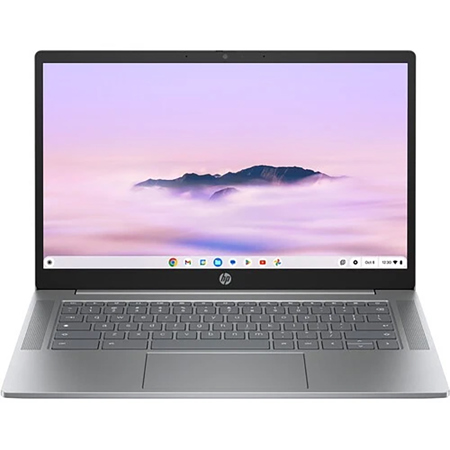
Selecting the best computer for homeschooling is a pivotal decision that can shape the learning experience for students of all ages. Whether you’re preparing for the start of a new school year, continuing your curriculum through the summer, or simply supporting year-round learning, the right device can make all the difference in keeping young minds engaged and organized. Many families find themselves weighing the benefits of a lightweight laptop, a robust desktop, or a versatile 2-in-1 device, depending on space, mobility needs, and the type of coursework their child will tackle. Younger learners often thrive with simple, secure devices that prioritize ease of use and long battery life—ideal for web-based learning, interactive reading, and basic word processing. Chromebooks, for example, have become a popular choice for early learners because they are budget-friendly and designed for straightforward access to online resources, educational games, and video lessons. Their streamlined interfaces and built-in parental controls offer peace of mind for parents, while their durability and portability make them a practical option for families who may rotate between the kitchen table and the backyard as the weather warms.
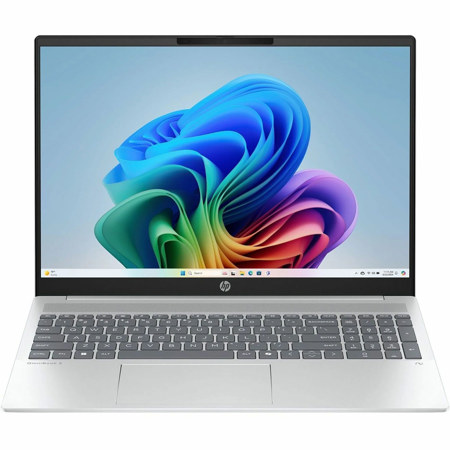
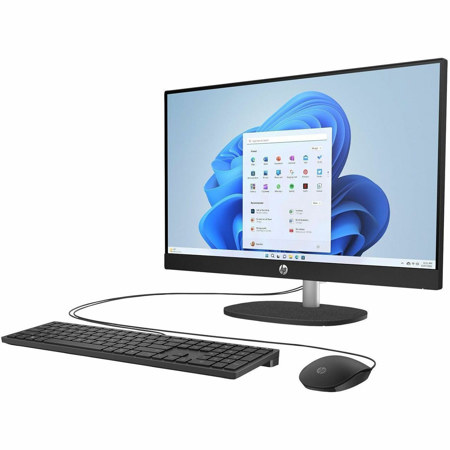
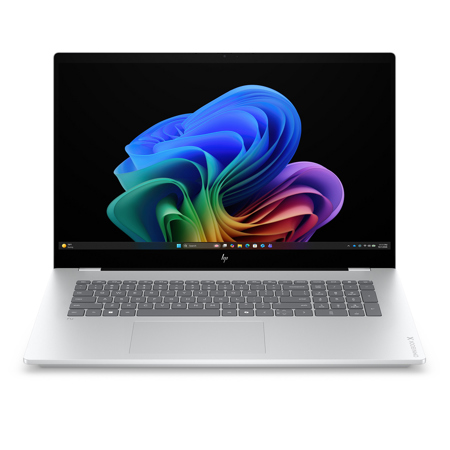
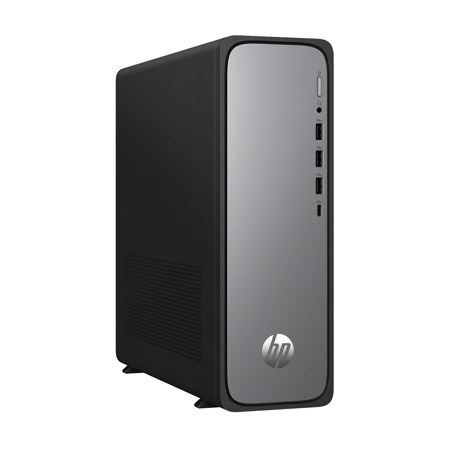
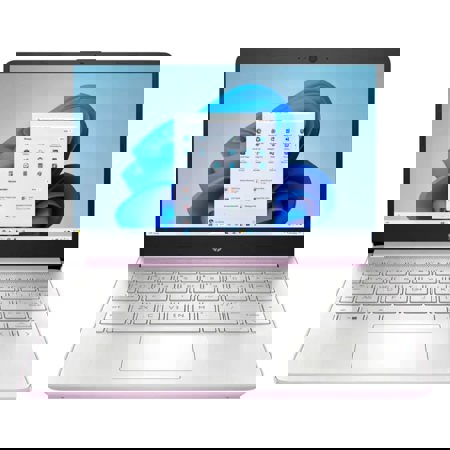
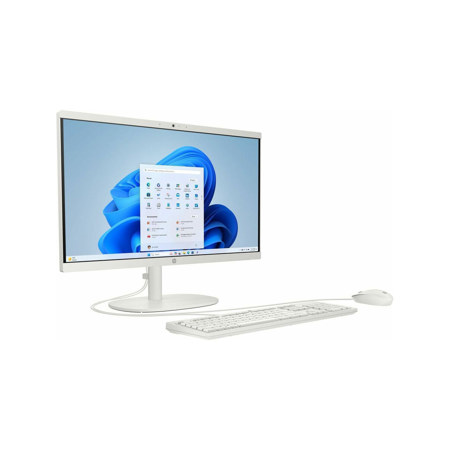
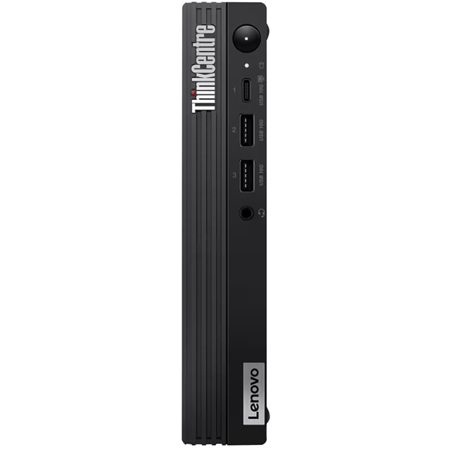
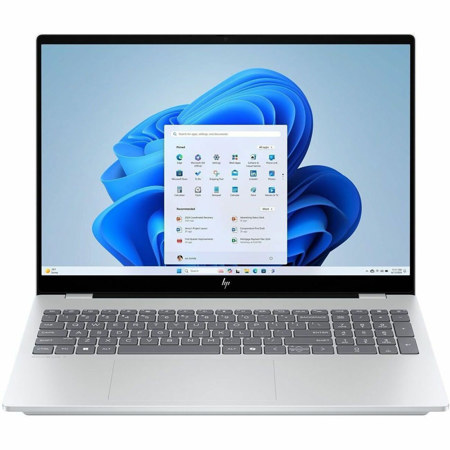
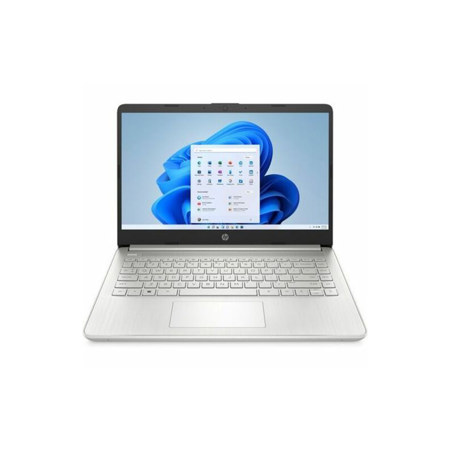
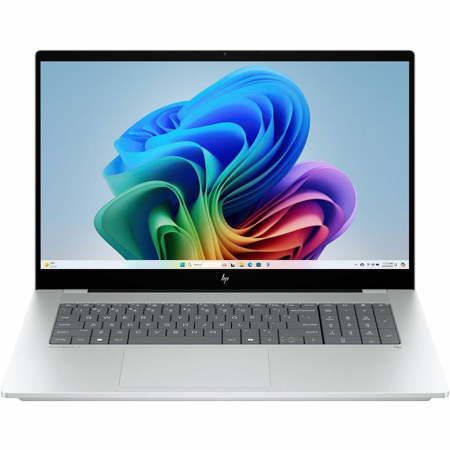
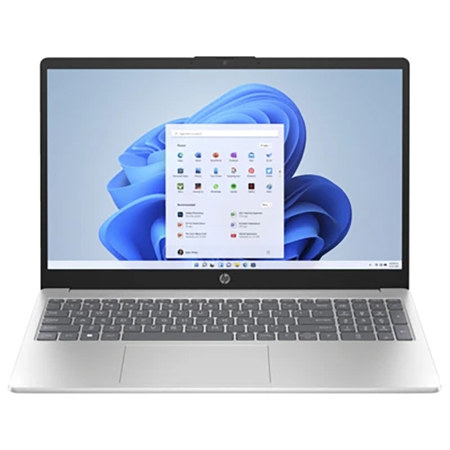
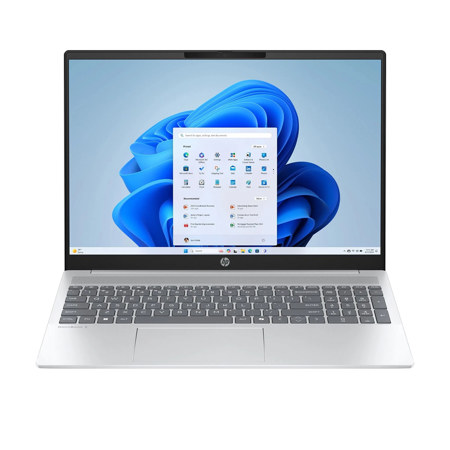
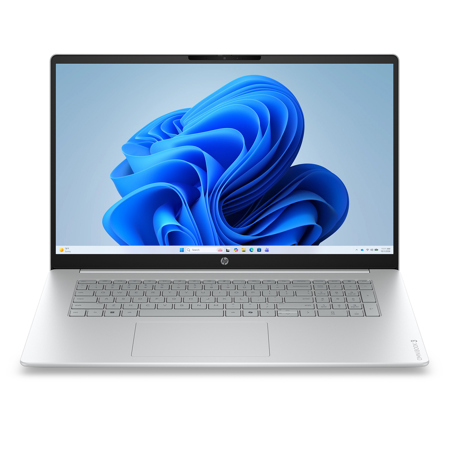
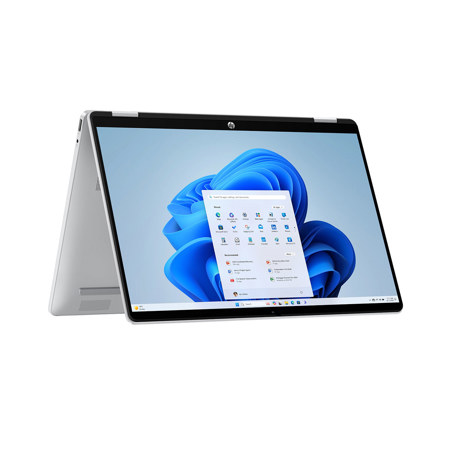
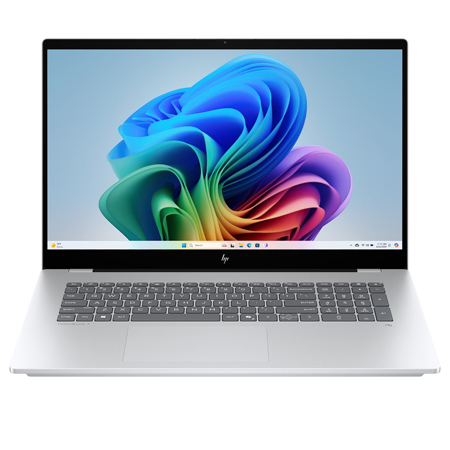
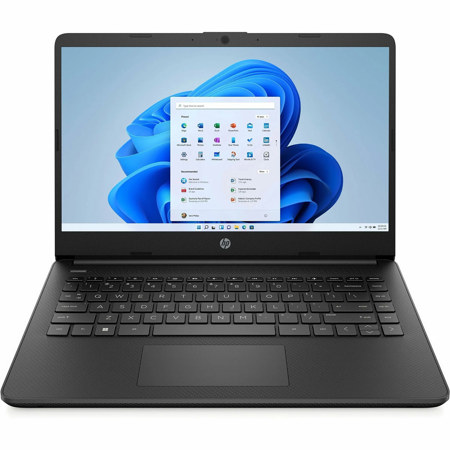
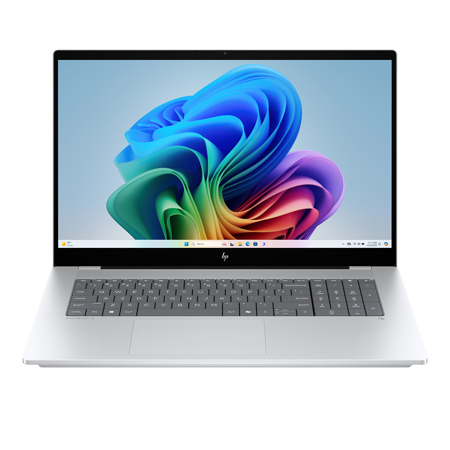
As students progress to higher grade levels or more specialized subjects, the requirements for the best computer for homeschooling shift. Middle and high schoolers, as well as adult learners returning to education, often need devices that can handle more intensive tasks such as video conferencing, multimedia projects, coding, or advanced research. In these scenarios, the best homeschool laptops are those equipped with at least 8GB of RAM and a modern processor, ensuring smooth multitasking and compatibility with a wide range of educational software. A full HD display, typically 14 to 15.6 inches, helps reduce eye strain during extended study sessions or virtual classrooms. For those with a dedicated learning space, the best desktop computer for homeschooling can offer more power and a larger screen, making it easier to manage multiple windows and resources simultaneously. Desktops also tend to be easier to upgrade over time, which is a consideration for families planning to use the same device through several grade levels. Many parents also appreciate the flexibility of 2-in-1 devices, which combine the functionality of a laptop with the convenience of a tablet, perfect for interactive assignments, drawing, or note-taking with a stylus.
A computer for homeschooling is more than just a tool—it’s a gateway to discovery, creativity, and connection. These devices can be an inspired gift for a student embarking on a new educational journey, a family member pursuing online courses, or even a parent managing lesson plans and virtual classrooms. With the right computer, students can collaborate on group projects, explore immersive science simulations, or participate in virtual field trips, all from the comfort of home. When selecting a device, consider not only hardware specifications but also factors like battery life, keyboard comfort, and parental control options. It’s also wise to think about storage—while cloud-based platforms are increasingly common, having ample local storage is still important for downloading large projects or offline learning. If you’re exploring options beyond homeschooling, or simply want a device that the whole family can share for work, play, and creativity, take a look at our curated selection of Computers For Home Use for even more inspiration. Investing in the best laptop for homeschool or the best computer for homeschooling can empower learners to stay curious, organized, and connected—no matter where the school day takes them.
As students progress to higher grade levels or more specialized subjects, the requirements for the best computer for homeschooling shift. Middle and high schoolers, as well as adult learners returning to education, often need devices that can handle more intensive tasks such as video conferencing, multimedia projects, coding, or advanced research. In these scenarios, the best homeschool laptops are those equipped with at least 8GB of RAM and a modern processor, ensuring smooth multitasking and compatibility with a wide range of educational software. A full HD display, typically 14 to 15.6 inches, helps reduce eye strain during extended study sessions or virtual classrooms. For those with a dedicated learning space, the best desktop computer for homeschooling can offer more power and a larger screen, making it easier to manage multiple windows and resources simultaneously. Desktops also tend to be easier to upgrade over time, which is a consideration for families planning to use the same device through several grade levels. Many parents also appreciate the flexibility of 2-in-1 devices, which combine the functionality of a laptop with the convenience of a tablet, perfect for interactive assignments, drawing, or note-taking with a stylus.
A computer for homeschooling is more than just a tool—it’s a gateway to discovery, creativity, and connection. These devices can be an inspired gift for a student embarking on a new educational journey, a family member pursuing online courses, or even a parent managing lesson plans and virtual classrooms. With the right computer, students can collaborate on group projects, explore immersive science simulations, or participate in virtual field trips, all from the comfort of home. When selecting a device, consider not only hardware specifications but also factors like battery life, keyboard comfort, and parental control options. It’s also wise to think about storage—while cloud-based platforms are increasingly common, having ample local storage is still important for downloading large projects or offline learning. If you’re exploring options beyond homeschooling, or simply want a device that the whole family can share for work, play, and creativity, take a look at our curated selection of Computers For Home Use for even more inspiration. Investing in the best laptop for homeschool or the best computer for homeschooling can empower learners to stay curious, organized, and connected—no matter where the school day takes them.