





Crime Scene Evidence Bags
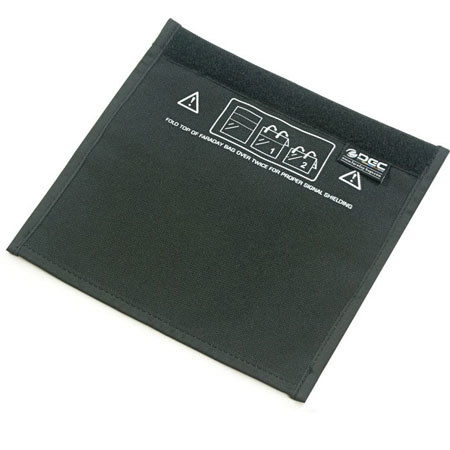
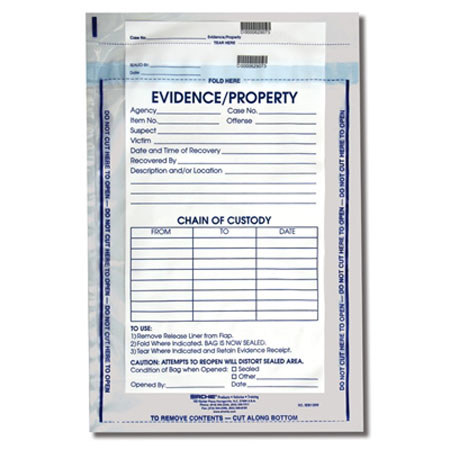
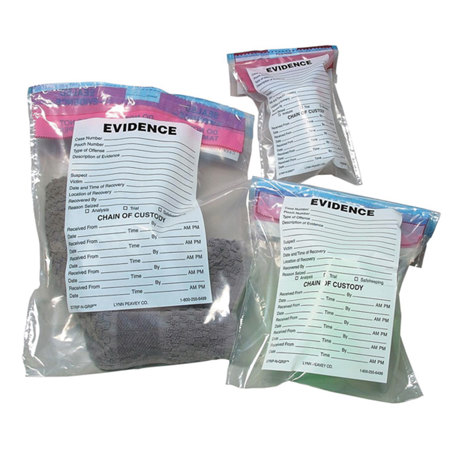
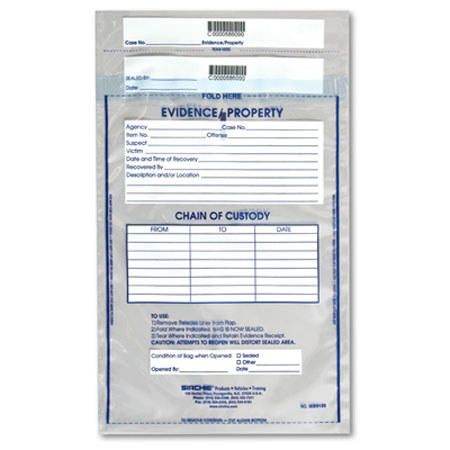
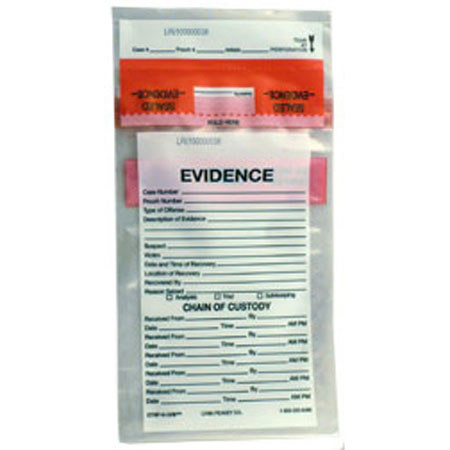
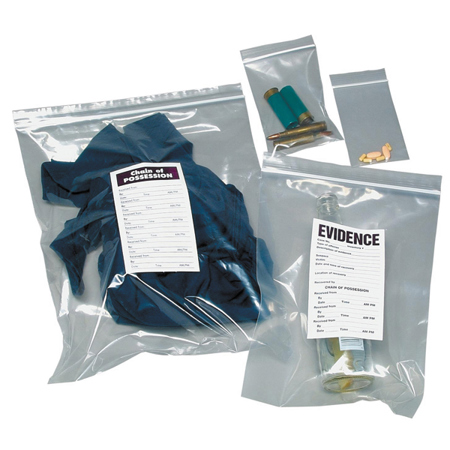
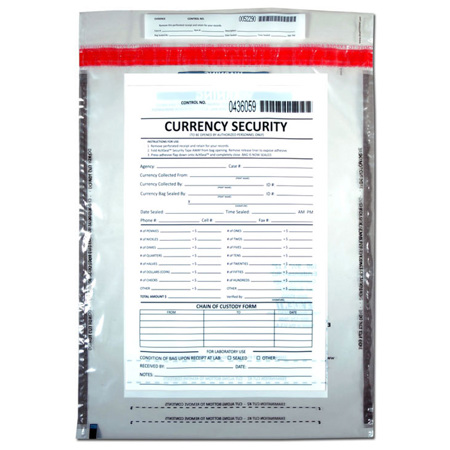
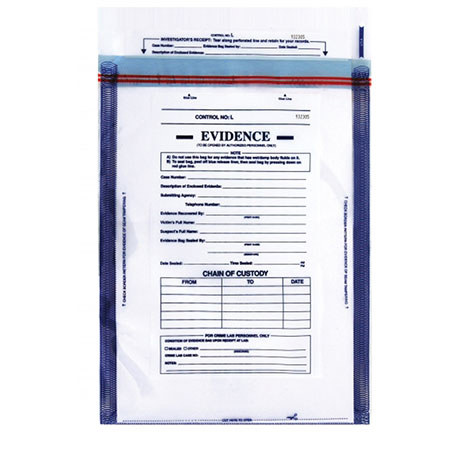
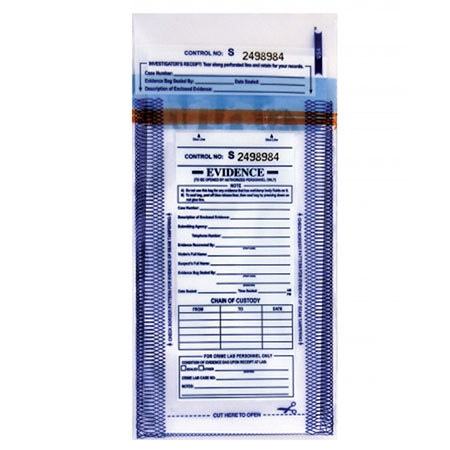
Professionals in law enforcement, forensic science, and private investigation rely on specialized crime scene evidence bags to ensure the integrity and security of physical evidence collected at a scene. These bags are designed with features that safeguard critical items—ranging from biological samples to trace materials and physical objects—against contamination, tampering, and environmental factors. Evidence bags are not just simple containers; they are engineered with tamper-evident seals, writable surfaces for documentation, and durable materials that can withstand variable conditions, whether the evidence is collected outdoors on a humid summer evening or stored in a climate-controlled facility during the cooler months. The importance of proper evidence management cannot be overstated. Chain of custody is a cornerstone in the legal process, and the right evidence bag helps maintain a clear, unbroken record from collection to courtroom presentation. Forensic technicians, crime scene investigators, and even students in criminal justice programs often seek these bags for their reliability and compliance with industry standards. They are also a thoughtful and practical gift for aspiring forensic professionals, educators setting up mock crime scenes for training, or hobbyists involved in true crime reenactments or immersive educational experiences.
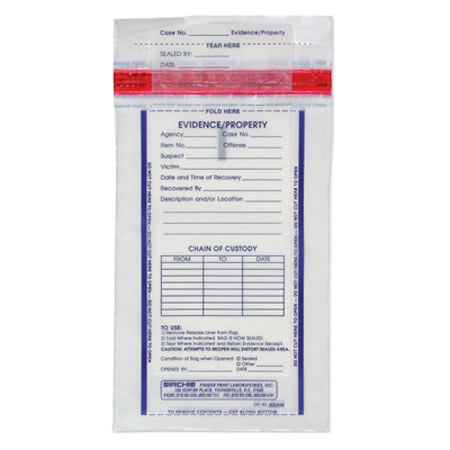
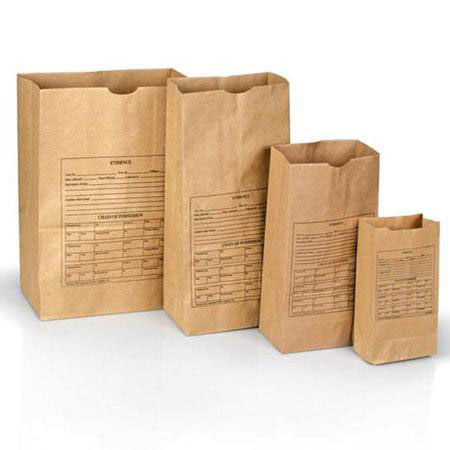
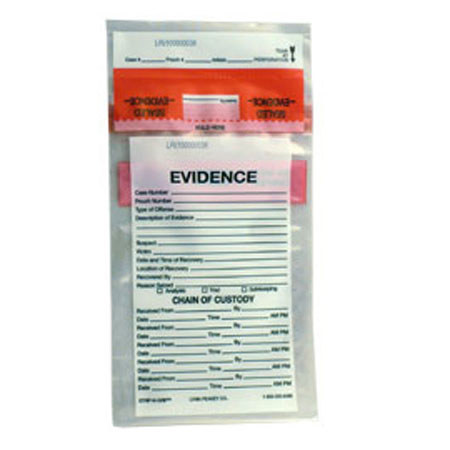
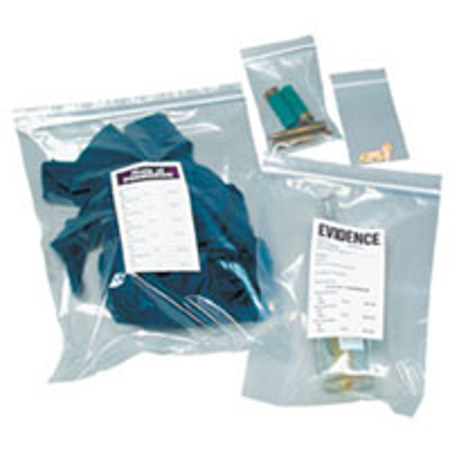
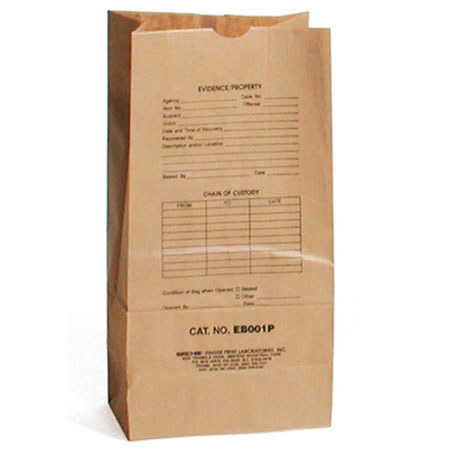
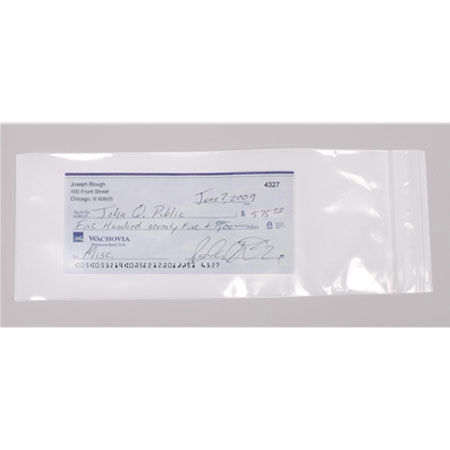
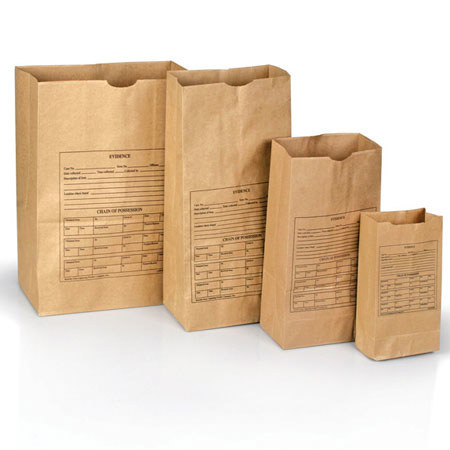
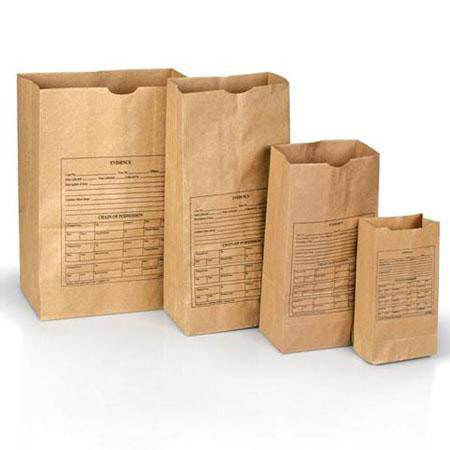
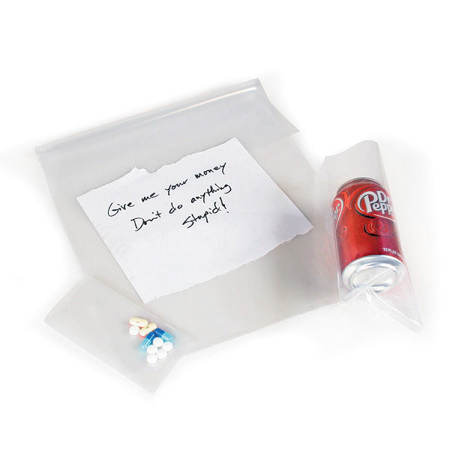
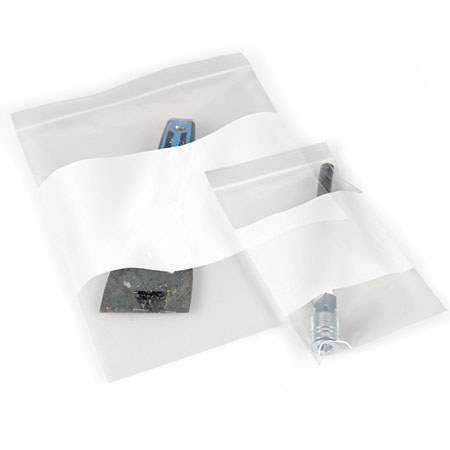
Selecting the right evidence bags involves considering the type of evidence to be collected, the environmental conditions at the scene, and the specific protocols of the agency or organization. For example, paper evidence bags are often preferred for biological samples due to their breathability, which helps prevent the growth of mold and bacteria. Plastic bags, on the other hand, offer superior protection against moisture and are ideal for non-biological items such as fibers, weapons, or drug paraphernalia. Size and closure type are also essential factors; larger bags accommodate bulkier items, while smaller, resealable bags are perfect for minute traces or fragile samples. Many professionals appreciate bags with pre-printed fields for case numbers, dates, and item descriptions, streamlining documentation and reducing the risk of transcription errors. As the weather warms and outdoor activities increase, the demand for portable, field-ready evidence collection kits also grows, making it easier for teams to respond rapidly to incidents in a variety of environments. Whether you’re equipping a police department, supporting a forensic laboratory, or preparing for a summer training seminar, investing in high-quality evidence bags ensures that every detail is preserved and every sample is protected from the point of collection to the final analysis.
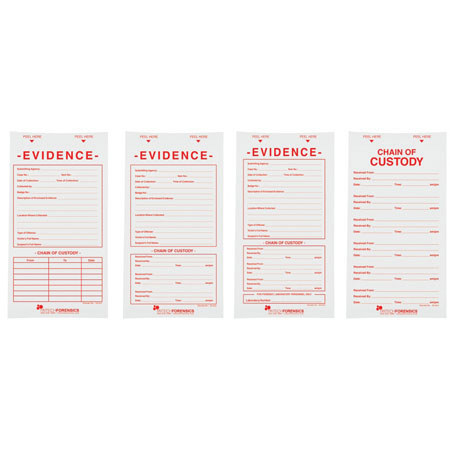
In addition to bags, many crime scene specialists complement their kits with other essential documentation tools. For those looking to create a comprehensive evidence collection system, pairing evidence bags with Crime Scene Evidence Cards can streamline the cataloging process and enhance the accuracy of records. Evidence cards provide a dedicated space for crucial details, such as collection location, time, and the collector’s identity, further strengthening chain of custody protocols. Whether you’re preparing for fieldwork during the longer days of summer or organizing your supplies ahead of the busy fall season, having the right combination of bags and documentation tools is key to ensuring the integrity of your investigations. With attention to detail and the right gear, you can approach every scene with confidence, knowing that your evidence is secure, well-documented, and ready to support a thorough, professional inquiry.
Selecting the right evidence bags involves considering the type of evidence to be collected, the environmental conditions at the scene, and the specific protocols of the agency or organization. For example, paper evidence bags are often preferred for biological samples due to their breathability, which helps prevent the growth of mold and bacteria. Plastic bags, on the other hand, offer superior protection against moisture and are ideal for non-biological items such as fibers, weapons, or drug paraphernalia. Size and closure type are also essential factors; larger bags accommodate bulkier items, while smaller, resealable bags are perfect for minute traces or fragile samples. Many professionals appreciate bags with pre-printed fields for case numbers, dates, and item descriptions, streamlining documentation and reducing the risk of transcription errors. As the weather warms and outdoor activities increase, the demand for portable, field-ready evidence collection kits also grows, making it easier for teams to respond rapidly to incidents in a variety of environments. Whether you’re equipping a police department, supporting a forensic laboratory, or preparing for a summer training seminar, investing in high-quality evidence bags ensures that every detail is preserved and every sample is protected from the point of collection to the final analysis.
In addition to bags, many crime scene specialists complement their kits with other essential documentation tools. For those looking to create a comprehensive evidence collection system, pairing evidence bags with Crime Scene Evidence Cards can streamline the cataloging process and enhance the accuracy of records. Evidence cards provide a dedicated space for crucial details, such as collection location, time, and the collector’s identity, further strengthening chain of custody protocols. Whether you’re preparing for fieldwork during the longer days of summer or organizing your supplies ahead of the busy fall season, having the right combination of bags and documentation tools is key to ensuring the integrity of your investigations. With attention to detail and the right gear, you can approach every scene with confidence, knowing that your evidence is secure, well-documented, and ready to support a thorough, professional inquiry.