Deep Space Cameras
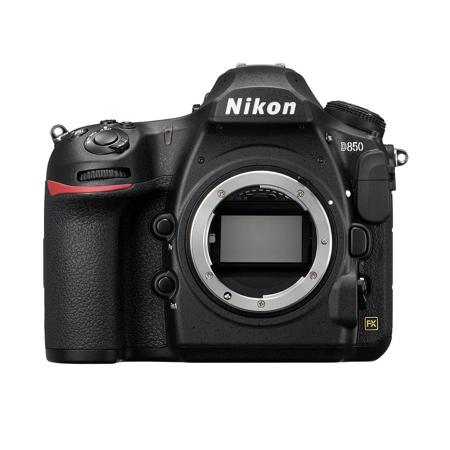
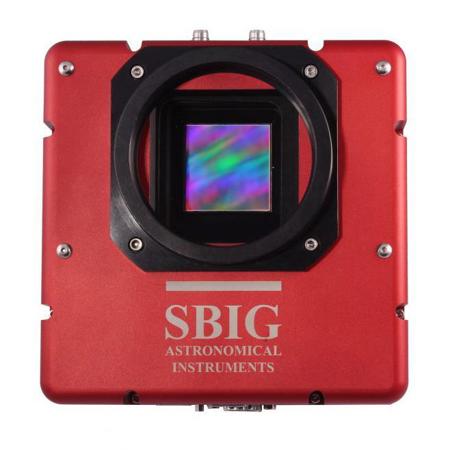
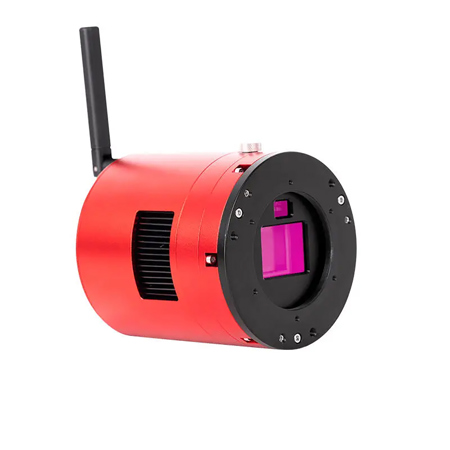
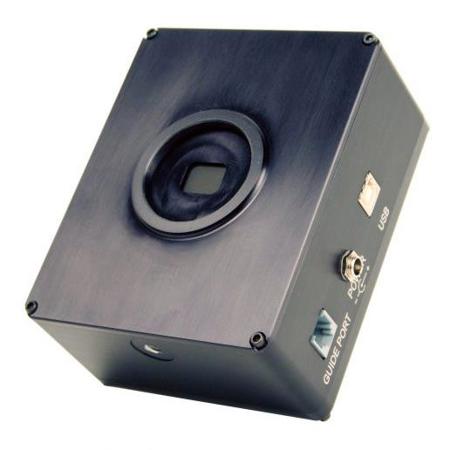
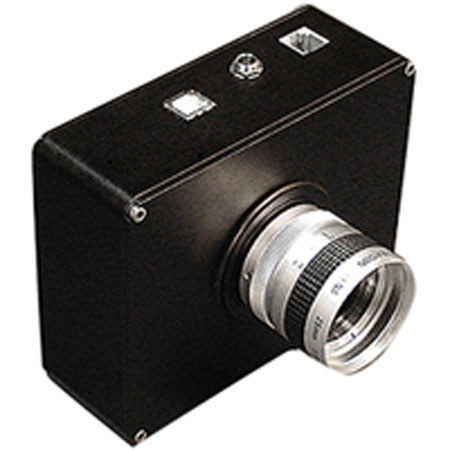
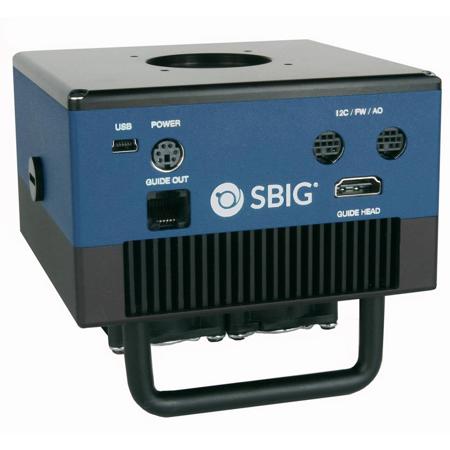
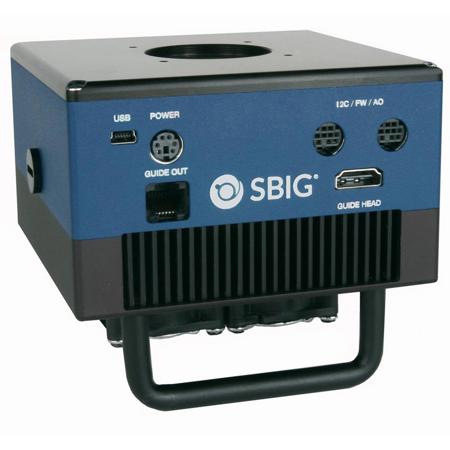
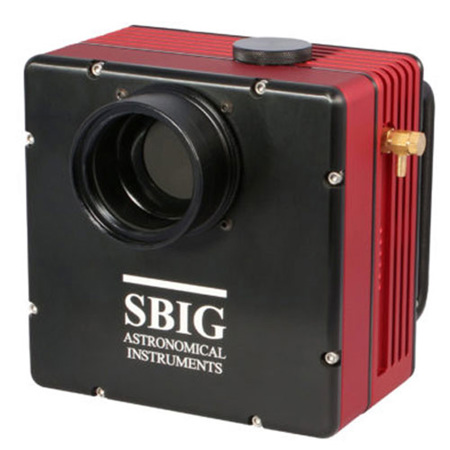
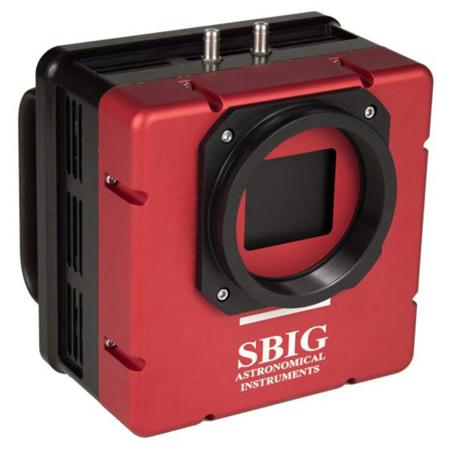
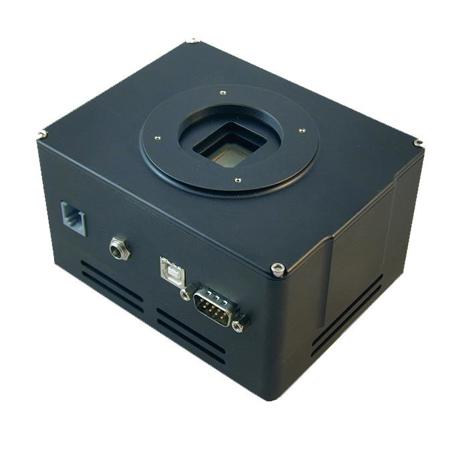
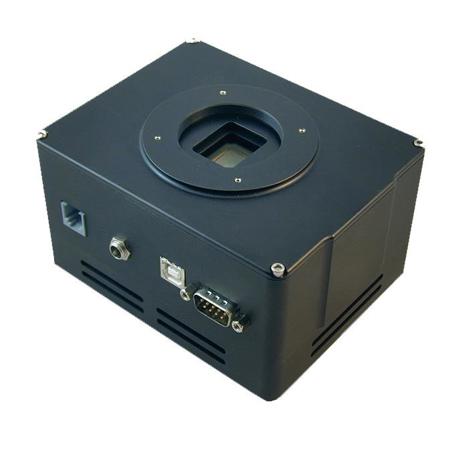
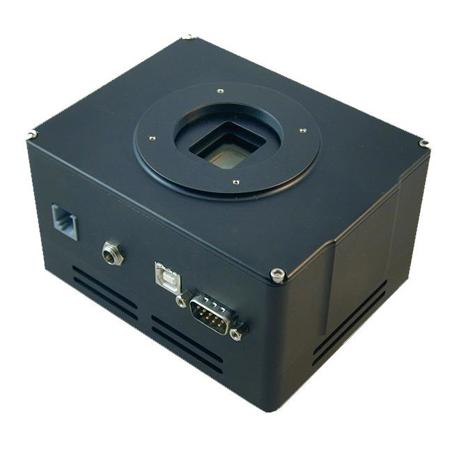
Venturing into the realm of deep space imaging is a journey that captivates both seasoned astronomers and passionate hobbyists alike. Deep space cameras are designed specifically for the unique challenges of astrophotography, offering sophisticated features that allow users to capture the delicate glow of distant nebulae, the intricate spiral arms of galaxies, and the subtle hues of star clusters light-years away. These cameras often boast advanced cooling systems to minimize sensor noise during long exposures, high sensitivity to faint light, and compatibility with telescopes of various focal lengths. As the winter nights stretch long and clear in February, the crisp air often brings more stable atmospheric conditions, making it an ideal season for deep sky observation and photography. Whether you’re setting up in a backyard observatory or traveling to a remote dark-sky site, the right deep space camera can transform a cold, quiet night under the stars into a canvas of cosmic wonders.
Selecting a deep space camera involves careful consideration of your existing equipment, your imaging goals, and your level of experience. For those just beginning their astrophotography journey, entry-level models with user-friendly interfaces and robust support resources can make the learning curve more approachable. More advanced users might seek out cameras with larger sensors, higher quantum efficiency, or specialized monochrome capabilities for narrowband imaging. It’s important to consider factors such as sensor size, pixel resolution, and the camera’s connection options to telescopes and computers. Deep space cameras also make thoughtful gifts for anyone fascinated by astronomy, science, or technology—imagine the delight of a loved one unwrapping a tool that opens a window to the universe, allowing them to create their own images of celestial marvels. For educators and students, these cameras provide hands-on opportunities to explore physics, optics, and the mysteries of the cosmos, sparking curiosity and a lifelong passion for discovery.
Using a deep space camera is as much about patience and preparation as it is about technical know-how. The process often involves careful planning—consulting star charts, timing exposures to coincide with the best viewing conditions, and experimenting with different settings to bring out the finest details in your subject. Over time, many astrophotographers develop their own rituals: bundling up against the winter chill, sipping hot drinks as they wait for exposures to complete, and sharing their latest captures with a vibrant online community. The sense of accomplishment that comes from revealing the hidden beauty of the universe is profound, whether you’re imaging the Orion Nebula on a frosty February night or capturing the faint glow of a distant galaxy. For those interested in exploring even more options, including models with dedicated features for telescopic imaging, be sure to visit our Telescope Cameras page for a broader selection tailored to your astronomical pursuits.
Selecting a deep space camera involves careful consideration of your existing equipment, your imaging goals, and your level of experience. For those just beginning their astrophotography journey, entry-level models with user-friendly interfaces and robust support resources can make the learning curve more approachable. More advanced users might seek out cameras with larger sensors, higher quantum efficiency, or specialized monochrome capabilities for narrowband imaging. It’s important to consider factors such as sensor size, pixel resolution, and the camera’s connection options to telescopes and computers. Deep space cameras also make thoughtful gifts for anyone fascinated by astronomy, science, or technology—imagine the delight of a loved one unwrapping a tool that opens a window to the universe, allowing them to create their own images of celestial marvels. For educators and students, these cameras provide hands-on opportunities to explore physics, optics, and the mysteries of the cosmos, sparking curiosity and a lifelong passion for discovery.
Using a deep space camera is as much about patience and preparation as it is about technical know-how. The process often involves careful planning—consulting star charts, timing exposures to coincide with the best viewing conditions, and experimenting with different settings to bring out the finest details in your subject. Over time, many astrophotographers develop their own rituals: bundling up against the winter chill, sipping hot drinks as they wait for exposures to complete, and sharing their latest captures with a vibrant online community. The sense of accomplishment that comes from revealing the hidden beauty of the universe is profound, whether you’re imaging the Orion Nebula on a frosty February night or capturing the faint glow of a distant galaxy. For those interested in exploring even more options, including models with dedicated features for telescopic imaging, be sure to visit our Telescope Cameras page for a broader selection tailored to your astronomical pursuits.