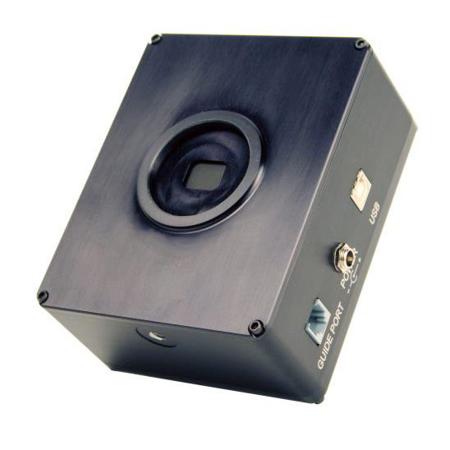
CCD Astronomy Cameras
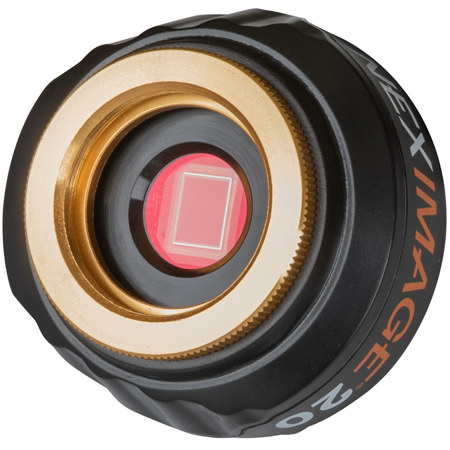
Exploring the night sky with a CCD astronomy camera opens up a world of discovery, allowing both seasoned astrophotographers and enthusiastic beginners to capture the universe in remarkable detail. These specialized cameras are designed to detect faint light from distant stars, galaxies, and nebulae, making them essential tools for anyone passionate about deep sky imaging. Whether you’re setting up your telescope on a crisp February night, when the air is clear and the Orion constellation dominates the sky, or planning for summer’s Milky Way vistas, a CCD camera astronomy setup can transform your stargazing experience into a creative pursuit. The sensitivity and low noise characteristics of CCD sensors enable long exposures, which are crucial for revealing the subtle colors and intricate structures of celestial objects that are invisible to the naked eye. This makes them a favorite among amateur astronomers aiming to document their observations, as well as professionals conducting scientific research.
When considering the purchase of a CCD astronomy camera, it’s important to think about your intended use and the equipment you already own. These cameras come in a variety of sensor sizes and resolutions, each suited for different types of astrophotography—from wide-field shots of star clusters to high-magnification images of planetary surfaces. Cooling systems are a key feature to look for, as they help reduce thermal noise during long exposures, which is especially beneficial during winter months when the temperature drops and the sky is at its darkest. For those who already have a telescope, compatibility is another crucial factor; many CCD cameras are designed to attach directly to standard telescope mounts, but it’s wise to check for the right adapters and software support. The learning curve can be steep, but the rewards are immense—there’s a unique satisfaction in capturing your own images of the Andromeda Galaxy or the intricate filaments of the Crab Nebula. These cameras also make thoughtful gifts for astronomy enthusiasts, students, or anyone with a curiosity about the cosmos, providing an inspiring way to connect with the universe and develop technical skills.
Astrophotography with CCD cameras is not just about capturing beautiful images; it’s a journey that deepens your understanding of the night sky. Many users find themselves drawn into the process of image stacking, calibration, and post-processing, gradually mastering techniques that reveal more detail with each attempt. As you gain experience, you may be inspired to explore more advanced imaging, such as narrowband photography or time-lapse sequences of celestial events. For those interested in pushing the boundaries further, exploring options like Deep Space Cameras can open up even more possibilities for capturing faint and distant objects. Whether you’re imaging from a backyard observatory or traveling to a remote dark-sky site, the right CCD astronomy camera can make every clear night an opportunity for discovery. The thrill of seeing your first processed image—a swirl of stars, a glowing nebula, or the delicate arms of a spiral galaxy—reminds you that the universe is always within reach, waiting to be explored one photon at a time.
When considering the purchase of a CCD astronomy camera, it’s important to think about your intended use and the equipment you already own. These cameras come in a variety of sensor sizes and resolutions, each suited for different types of astrophotography—from wide-field shots of star clusters to high-magnification images of planetary surfaces. Cooling systems are a key feature to look for, as they help reduce thermal noise during long exposures, which is especially beneficial during winter months when the temperature drops and the sky is at its darkest. For those who already have a telescope, compatibility is another crucial factor; many CCD cameras are designed to attach directly to standard telescope mounts, but it’s wise to check for the right adapters and software support. The learning curve can be steep, but the rewards are immense—there’s a unique satisfaction in capturing your own images of the Andromeda Galaxy or the intricate filaments of the Crab Nebula. These cameras also make thoughtful gifts for astronomy enthusiasts, students, or anyone with a curiosity about the cosmos, providing an inspiring way to connect with the universe and develop technical skills.
Astrophotography with CCD cameras is not just about capturing beautiful images; it’s a journey that deepens your understanding of the night sky. Many users find themselves drawn into the process of image stacking, calibration, and post-processing, gradually mastering techniques that reveal more detail with each attempt. As you gain experience, you may be inspired to explore more advanced imaging, such as narrowband photography or time-lapse sequences of celestial events. For those interested in pushing the boundaries further, exploring options like Deep Space Cameras can open up even more possibilities for capturing faint and distant objects. Whether you’re imaging from a backyard observatory or traveling to a remote dark-sky site, the right CCD astronomy camera can make every clear night an opportunity for discovery. The thrill of seeing your first processed image—a swirl of stars, a glowing nebula, or the delicate arms of a spiral galaxy—reminds you that the universe is always within reach, waiting to be explored one photon at a time.