


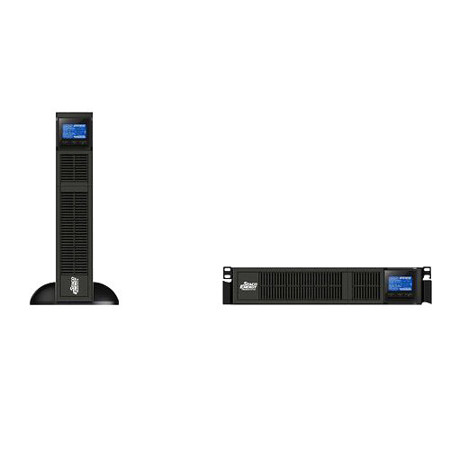
Digital Signal Processors
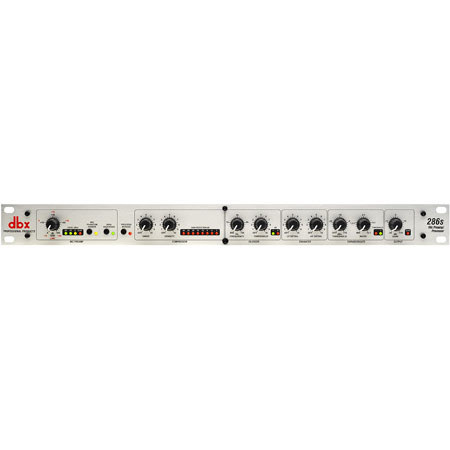
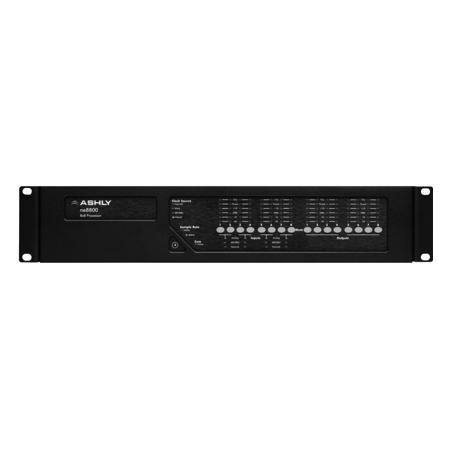
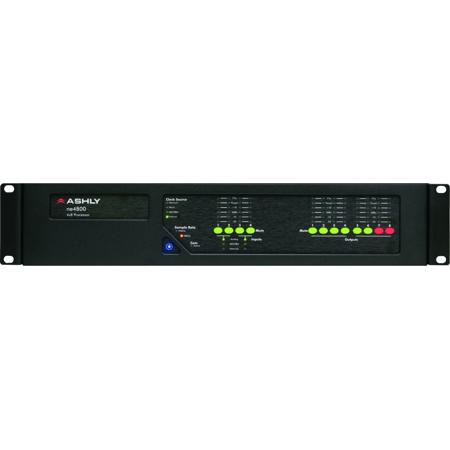
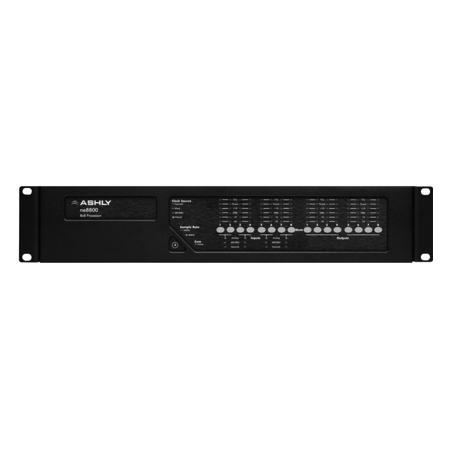
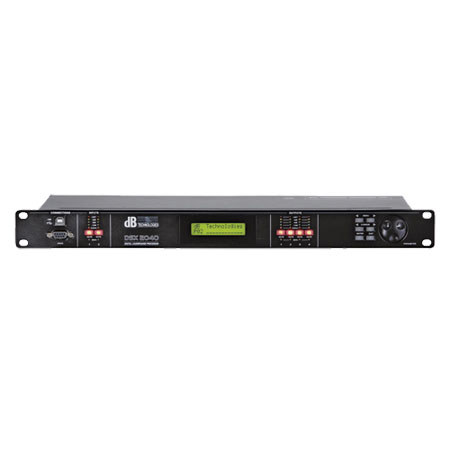
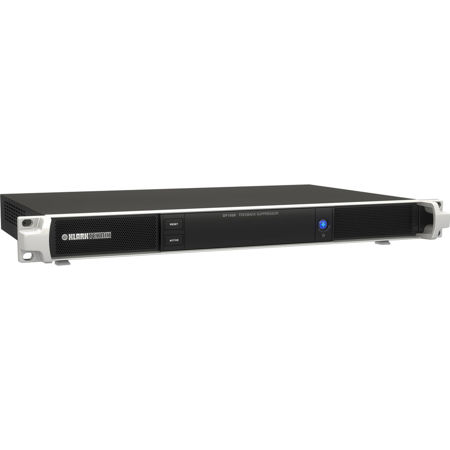
In the world of modern audio and video technology, digital signal processors are the unsung heroes working tirelessly behind the scenes to deliver pristine sound and crystal-clear images. Whether you’re outfitting a professional recording studio, upgrading a live sound rig, or fine-tuning a home theater system, the right digital signal processor can be the difference between a good experience and an extraordinary one. These powerful devices are engineered to perform complex mathematical operations at lightning speed, efficiently manipulating digital signals to filter noise, compress data, and enhance clarity in real time. For audio professionals, this means precise control over every nuance—sculpting frequencies, managing dynamics, and ensuring the best possible mix, even in challenging acoustic environments. Videographers and broadcasters rely on digital signal processors for clean, artifact-free video streams and seamless integration with other digital equipment. As the days grow longer and spring brings new opportunities for live events, concerts, and outdoor gatherings, the demand for reliable signal processing gear only increases, making now an ideal time to invest in the technology that can elevate your productions.
Digital signal processors are not just for industry veterans. Musicians, podcasters, content creators, and tech enthusiasts all find value in these versatile tools. For aspiring audio engineers, a quality digital signal processor opens up a world of creative possibilities, from experimenting with spatial effects to achieving professional-grade mixes at home. DJs and performers benefit from the ability to tailor their sound to any venue, adapting on the fly to changing acoustics or audience size. Even hobbyists and home theater aficionados appreciate the difference a dedicated DSP makes when it comes to clear dialogue, immersive surround sound, or eliminating unwanted background noise. If you’re searching for a thoughtful gift for a music lover, sound designer, or media creator, a digital signal processor is a practical and inspiring choice—one that supports their passion and enhances their craft with every use. The durability and flexibility of these devices mean they can grow with your needs, adapting to new gear, software, or creative ambitions as your skills develop.
When selecting a digital signal processor, it’s important to consider your specific workflow, the types of signals you’ll be processing, and the level of control you require. Some models are designed for seamless integration into complex studio setups, offering advanced routing, multiple input/output options, and intuitive software interfaces. Others are compact and portable, perfect for mobile recording rigs or on-the-go performances. Look for features such as real-time monitoring, customizable presets, and compatibility with your existing equipment to ensure a smooth setup and optimal results. With so many innovations in digital signal processing, today’s devices are more accessible and user-friendly than ever, making it easy to achieve professional sound and image quality regardless of your experience level. For those interested in exploring a wider range of options, our curated selection of Signal Processing Devices showcases the latest advancements in the field, offering solutions for every application and budget. Whether you’re capturing the energy of a spring concert, producing a podcast in your home studio, or simply striving for the best possible playback in your personal listening space, investing in a high-quality digital signal processor is a decision that pays dividends in clarity, versatility, and creative potential.
Digital signal processors are not just for industry veterans. Musicians, podcasters, content creators, and tech enthusiasts all find value in these versatile tools. For aspiring audio engineers, a quality digital signal processor opens up a world of creative possibilities, from experimenting with spatial effects to achieving professional-grade mixes at home. DJs and performers benefit from the ability to tailor their sound to any venue, adapting on the fly to changing acoustics or audience size. Even hobbyists and home theater aficionados appreciate the difference a dedicated DSP makes when it comes to clear dialogue, immersive surround sound, or eliminating unwanted background noise. If you’re searching for a thoughtful gift for a music lover, sound designer, or media creator, a digital signal processor is a practical and inspiring choice—one that supports their passion and enhances their craft with every use. The durability and flexibility of these devices mean they can grow with your needs, adapting to new gear, software, or creative ambitions as your skills develop.
When selecting a digital signal processor, it’s important to consider your specific workflow, the types of signals you’ll be processing, and the level of control you require. Some models are designed for seamless integration into complex studio setups, offering advanced routing, multiple input/output options, and intuitive software interfaces. Others are compact and portable, perfect for mobile recording rigs or on-the-go performances. Look for features such as real-time monitoring, customizable presets, and compatibility with your existing equipment to ensure a smooth setup and optimal results. With so many innovations in digital signal processing, today’s devices are more accessible and user-friendly than ever, making it easy to achieve professional sound and image quality regardless of your experience level. For those interested in exploring a wider range of options, our curated selection of Signal Processing Devices showcases the latest advancements in the field, offering solutions for every application and budget. Whether you’re capturing the energy of a spring concert, producing a podcast in your home studio, or simply striving for the best possible playback in your personal listening space, investing in a high-quality digital signal processor is a decision that pays dividends in clarity, versatility, and creative potential.