Signal Processing Devices
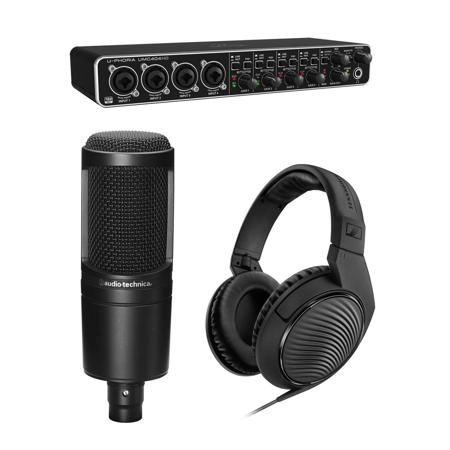
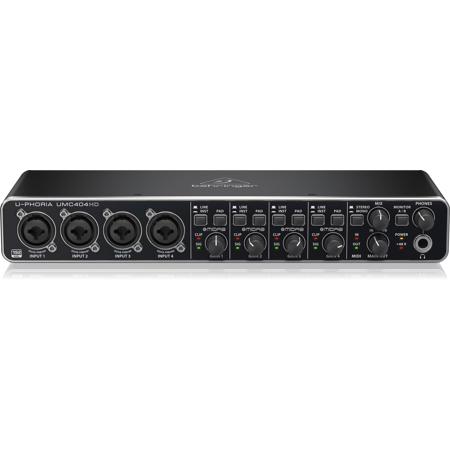
Signal processing devices are the unsung heroes behind much of the clarity, precision, and seamless connectivity we experience in both professional and everyday environments. Whether you’re an audio engineer fine-tuning a live concert mix, a filmmaker ensuring crisp dialogue in a bustling outdoor scene, or a tech enthusiast building a home studio, signal processing equipment forms the backbone of your workflow. These devices are designed to analyze, modify, and optimize signals—be it audio, video, radio, or sensor data—allowing users to shape and control every nuance of their creative or technical projects. As technology continues to evolve, signal processing has shifted predominantly into the digital realm, with digital signal processors (DSPs) offering real-time data conversion and manipulation at lightning-fast speeds. This evolution has broadened the reach of signal processing devices, making them indispensable not only in entertainment and broadcasting but also in telecommunications, medical imaging, and automotive safety systems. For those working in live sound, broadcast, or post-production, reliable signal processing equipment ensures that every frequency, tone, and detail is preserved and enhanced, even in the most demanding environments. As the weather warms and outdoor events become more frequent, the need for robust, portable, and high-performance gear becomes even more pronounced—whether you’re setting up for a summer festival, recording a podcast on location, or upgrading your AV system for fall gatherings.
Selecting the right signal processing devices involves careful consideration of your specific application, the environment in which you’ll be working, and the level of control you require. Audio professionals might look for devices that offer advanced equalization, dynamic range compression, or noise reduction to ensure pristine sound in both studio and live settings. Video producers and content creators may prioritize low-latency processing and compatibility with a wide range of input sources, especially when streaming or capturing high-definition footage. In scientific and industrial settings, engineers depend on signal processing equipment that can handle complex data streams, integrate with measurement tools, and provide reliable output for analysis or automation. For hobbyists and home users, modern devices offer intuitive interfaces and compact formats, making it easier than ever to achieve professional-grade results without a steep learning curve. Signal processing devices also make thoughtful gifts for musicians, podcasters, or anyone passionate about audio and video production—empowering them to elevate their projects and explore new creative possibilities. As the seasons shift from the lively pace of summer into the reflective mood of fall, many take the opportunity to refresh their setups or invest in new technology. Whether you’re preparing for a busy schedule of live events, upgrading your home studio, or simply seeking to enhance your listening and viewing experience, exploring the latest in signal processing equipment can open doors to richer, more immersive sound and visuals. For those with a particular interest in the audio side of signal processing, consider browsing our curated selection of Audio Processing Hardware to find the right tools for your next project.
Selecting the right signal processing devices involves careful consideration of your specific application, the environment in which you’ll be working, and the level of control you require. Audio professionals might look for devices that offer advanced equalization, dynamic range compression, or noise reduction to ensure pristine sound in both studio and live settings. Video producers and content creators may prioritize low-latency processing and compatibility with a wide range of input sources, especially when streaming or capturing high-definition footage. In scientific and industrial settings, engineers depend on signal processing equipment that can handle complex data streams, integrate with measurement tools, and provide reliable output for analysis or automation. For hobbyists and home users, modern devices offer intuitive interfaces and compact formats, making it easier than ever to achieve professional-grade results without a steep learning curve. Signal processing devices also make thoughtful gifts for musicians, podcasters, or anyone passionate about audio and video production—empowering them to elevate their projects and explore new creative possibilities. As the seasons shift from the lively pace of summer into the reflective mood of fall, many take the opportunity to refresh their setups or invest in new technology. Whether you’re preparing for a busy schedule of live events, upgrading your home studio, or simply seeking to enhance your listening and viewing experience, exploring the latest in signal processing equipment can open doors to richer, more immersive sound and visuals. For those with a particular interest in the audio side of signal processing, consider browsing our curated selection of Audio Processing Hardware to find the right tools for your next project.