Studio Signal Processors
In the world of professional audio production, studio signal processors play a pivotal role in shaping and refining sound at every stage, from initial tracking to the final master. These devices, whether analog or digital, are the backbone of any recording studio—home-based or commercial—providing engineers and artists with the creative and technical control necessary to achieve polished, industry-standard results. Signal processors encompass a wide range of tools, including equalizers (EQs) for sculpting tonal balance, compressors and limiters to manage dynamic range and add punch, and effects units that introduce spatial depth and character through reverb, delay, or modulation. Channel strips and preamps often combine several of these elements, streamlining workflow and ensuring consistency across multiple tracks. As spring arrives and the creative energy of the season inspires new projects, many musicians, producers, and content creators find themselves revisiting their setups, seeking out the right combination of studio signal processors to elevate their sound.
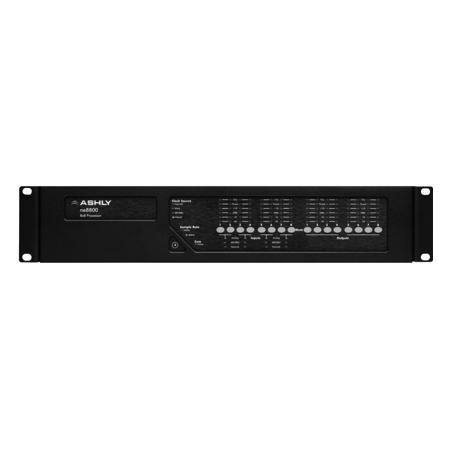
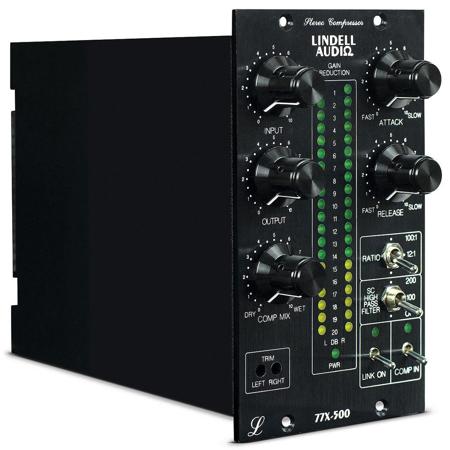
Selecting the ideal signal processor requires careful consideration of your workflow, musical style, and the unique acoustics of your studio space. For those recording vocals, a transparent compressor and a clean preamp can make the difference between a take that sits perfectly in a mix and one that gets lost in the background. Instrumentalists—whether capturing the subtle resonance of an acoustic guitar or the punchy attack of an electric bass—benefit from direct injection (DI) boxes and specialized EQs that preserve detail and prevent muddiness. Electronic producers and DJs often look for versatile effects units to add movement and dimension to their tracks, while mastering engineers rely on precision processors for final signal shaping and loudness control. Rackmount units remain a staple for larger studios, offering robust connectivity and expandability, while compact 500-series modules and desktop processors cater to mobile setups and smaller spaces. These tools aren’t just for professionals; they also make thoughtful gifts for aspiring musicians, podcasters, and audio students, providing a tangible upgrade that can spark creativity and support artistic growth.
Whether you’re outfitting a full production suite or enhancing a personal project studio, understanding the capabilities and applications of each type of studio signal processor is essential. The right combination of gear can help you address common challenges such as noise reduction, frequency masking, or inconsistent dynamics, and can also introduce signature coloration that gives your recordings a unique identity. As you explore options, consider how each processor will integrate with your existing equipment and how it will serve your creative goals—whether that’s achieving pristine clarity for classical recordings, vintage warmth for rock sessions, or experimental textures for electronic compositions. For those interested in a broader overview of the available technologies and their uses, our curated collection of Audio Signal Processors offers an in-depth look at the tools that power today’s most compelling audio productions. With the right signal processors in your studio, you can confidently capture, enhance, and deliver audio that stands out in any context.
Selecting the ideal signal processor requires careful consideration of your workflow, musical style, and the unique acoustics of your studio space. For those recording vocals, a transparent compressor and a clean preamp can make the difference between a take that sits perfectly in a mix and one that gets lost in the background. Instrumentalists—whether capturing the subtle resonance of an acoustic guitar or the punchy attack of an electric bass—benefit from direct injection (DI) boxes and specialized EQs that preserve detail and prevent muddiness. Electronic producers and DJs often look for versatile effects units to add movement and dimension to their tracks, while mastering engineers rely on precision processors for final signal shaping and loudness control. Rackmount units remain a staple for larger studios, offering robust connectivity and expandability, while compact 500-series modules and desktop processors cater to mobile setups and smaller spaces. These tools aren’t just for professionals; they also make thoughtful gifts for aspiring musicians, podcasters, and audio students, providing a tangible upgrade that can spark creativity and support artistic growth.
Whether you’re outfitting a full production suite or enhancing a personal project studio, understanding the capabilities and applications of each type of studio signal processor is essential. The right combination of gear can help you address common challenges such as noise reduction, frequency masking, or inconsistent dynamics, and can also introduce signature coloration that gives your recordings a unique identity. As you explore options, consider how each processor will integrate with your existing equipment and how it will serve your creative goals—whether that’s achieving pristine clarity for classical recordings, vintage warmth for rock sessions, or experimental textures for electronic compositions. For those interested in a broader overview of the available technologies and their uses, our curated collection of Audio Signal Processors offers an in-depth look at the tools that power today’s most compelling audio productions. With the right signal processors in your studio, you can confidently capture, enhance, and deliver audio that stands out in any context.