
Studio Compressors
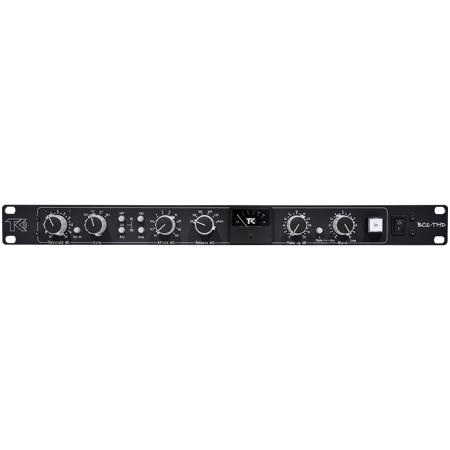
In the world of professional audio, studio compressors are the unsung heroes that shape the sound of countless hit records and beloved tracks. Whether you’re an experienced engineer crafting the perfect mix or a passionate home studio enthusiast exploring the depths of dynamic control, compressors are indispensable tools for bringing out the best in your recordings. These devices work by controlling the dynamic range of audio signals, ensuring that vocals sit just right in the mix, drums punch with authority, and every instrument finds its place without overpowering the others. As winter continues and many musicians and producers find themselves spending more time indoors, there’s no better season to focus on refining your sound and experimenting with new gear. A quality studio compressor can make a dramatic difference, helping you achieve that elusive sense of “glue” and cohesion in your tracks, whether you’re tracking a live band, mixing electronic music, or polishing a podcast.
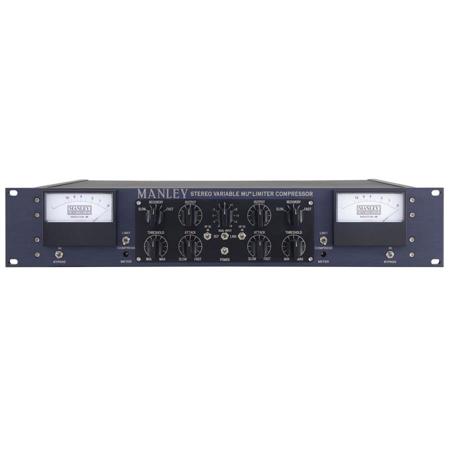
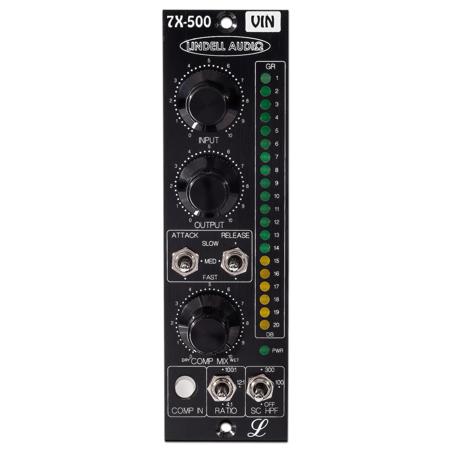
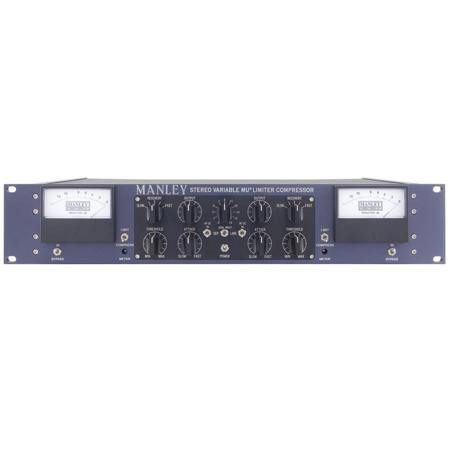
When considering which studio compressor to add to your setup, it’s important to think about the specific needs of your workflow and the sonic character you want to achieve. There are several types of compressors, each with its own unique response and coloration. Optical compressors are revered for their smooth, musical compression—ideal for vocals and acoustic instruments where transparency and warmth are essential. FET compressors, on the other hand, are known for their fast attack and aggressive character, making them a favorite for drums and punchy, energetic sounds. VCA compressors stand out for their precision and versatility, often serving as the backbone of bus compression to add punch and cohesion to entire mixes. For those who crave vintage warmth and subtle coloration, Vari-Mu compressors, with their tube-based designs, deliver a creamy, organic compression that flatters everything from vocals to full stereo mixes. If you’re unsure where to start, consider how each type might complement your existing gear and the genres you most often work in. Many engineers find that having a selection of different compressor types opens up creative possibilities, allowing them to tailor their approach to each session.
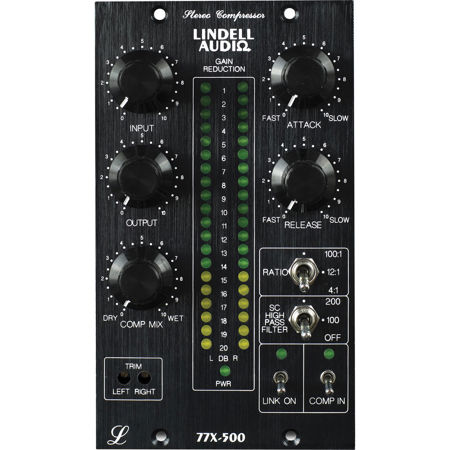
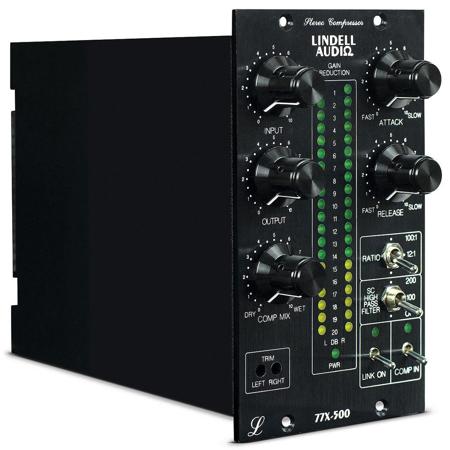
Studio compressors also make thoughtful gifts for musicians, producers, or audio engineers, especially as the colder months encourage creative projects and studio upgrades. Whether you’re shopping for a friend who’s building their first home studio or a seasoned professional looking to expand their sonic palette, a thoughtfully chosen compressor can inspire new ideas and enhance the quality of every recording. Hardware compressors offer a tactile, hands-on experience that many artists cherish, while those with hybrid or digital setups may appreciate the flexibility and recallability of modern designs. And for those interested in shaping the overall sound of their mixes, exploring dedicated Stereo Compressors can open up new dimensions of punch and clarity on the mix bus. No matter your level of experience or the scale of your studio, investing in a quality compressor is an investment in your creative process—one that pays dividends every time you press record or hit play.
When considering which studio compressor to add to your setup, it’s important to think about the specific needs of your workflow and the sonic character you want to achieve. There are several types of compressors, each with its own unique response and coloration. Optical compressors are revered for their smooth, musical compression—ideal for vocals and acoustic instruments where transparency and warmth are essential. FET compressors, on the other hand, are known for their fast attack and aggressive character, making them a favorite for drums and punchy, energetic sounds. VCA compressors stand out for their precision and versatility, often serving as the backbone of bus compression to add punch and cohesion to entire mixes. For those who crave vintage warmth and subtle coloration, Vari-Mu compressors, with their tube-based designs, deliver a creamy, organic compression that flatters everything from vocals to full stereo mixes. If you’re unsure where to start, consider how each type might complement your existing gear and the genres you most often work in. Many engineers find that having a selection of different compressor types opens up creative possibilities, allowing them to tailor their approach to each session.
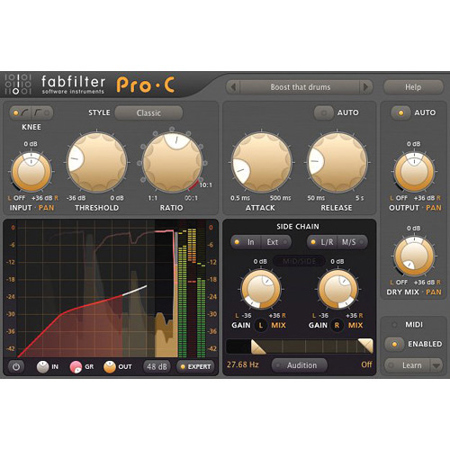
Studio compressors also make thoughtful gifts for musicians, producers, or audio engineers, especially as the colder months encourage creative projects and studio upgrades. Whether you’re shopping for a friend who’s building their first home studio or a seasoned professional looking to expand their sonic palette, a thoughtfully chosen compressor can inspire new ideas and enhance the quality of every recording. Hardware compressors offer a tactile, hands-on experience that many artists cherish, while those with hybrid or digital setups may appreciate the flexibility and recallability of modern designs. And for those interested in shaping the overall sound of their mixes, exploring dedicated Stereo Compressors can open up new dimensions of punch and clarity on the mix bus. No matter your level of experience or the scale of your studio, investing in a quality compressor is an investment in your creative process—one that pays dividends every time you press record or hit play.