
Drum Miking Techniques
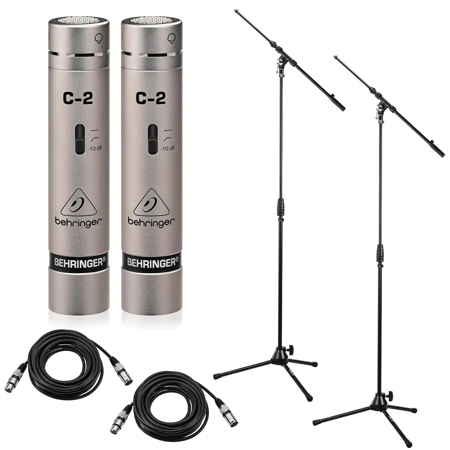
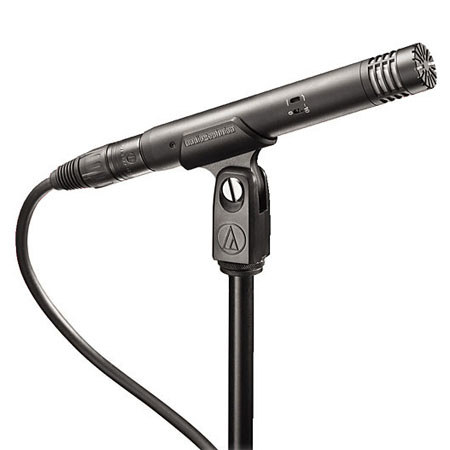
Capturing the true energy and nuance of a drum kit is both an art and a science, and the right miking techniques make all the difference in translating a drummer’s performance into a powerful, balanced recording. Whether you’re outfitting a home studio, prepping for live gigs, or upgrading your rehearsal space as the weather warms and musicians gather for summer sessions, it’s essential to consider the different ways microphones interact with drums. The classic single-mic setup, for example, is a favorite for stripped-back recording sessions or rehearsal tapes—placing a large-diaphragm condenser several feet in front of the kit or over the drummer’s shoulder can yield a surprisingly full and organic mono capture. For those looking to experiment with stereo imaging and depth, overhead techniques like the Glyn Johns method or Recorderman technique are time-tested favorites. These setups rely on precise placement and careful measurement to prevent phase issues and ensure the snare and kick remain punchy and centered in the mix. Overhead mics also excel at capturing the shimmer of cymbals and the natural ambiance of the room, giving recordings a sense of space that’s hard to replicate with close-miking alone.
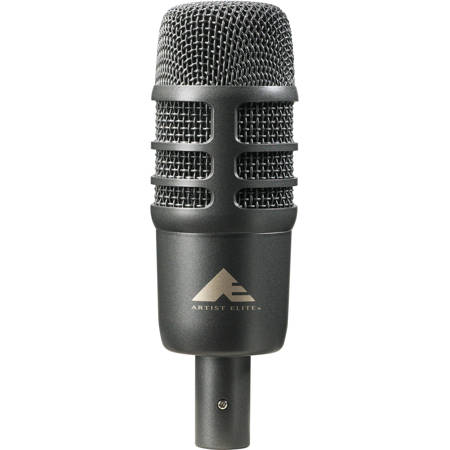
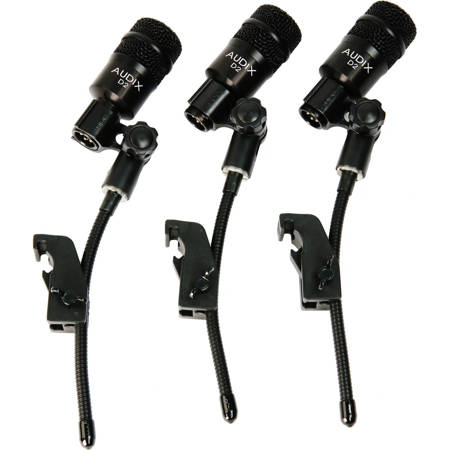
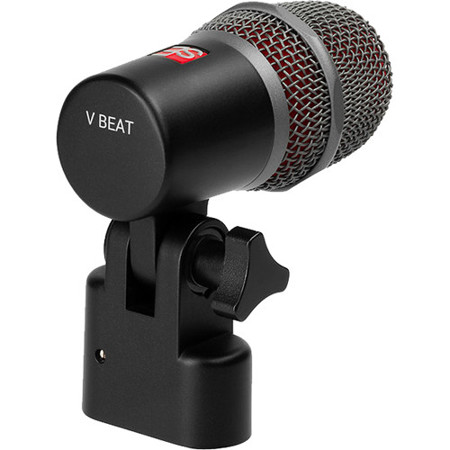
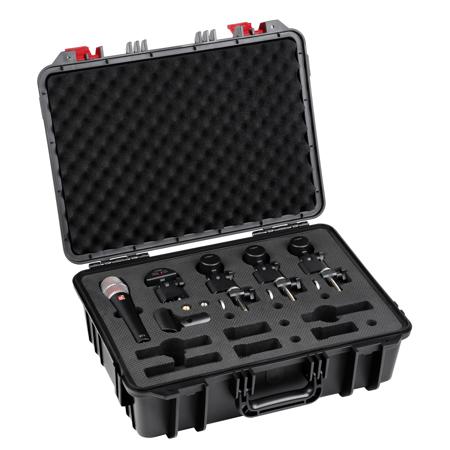
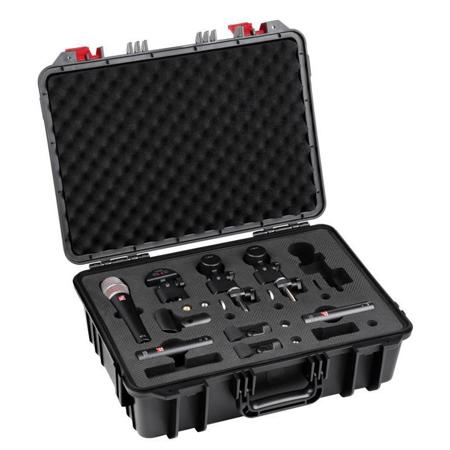
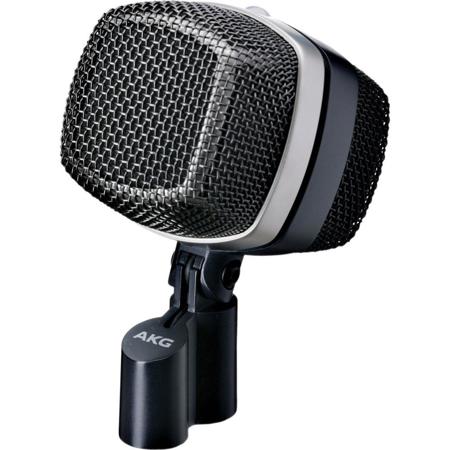
As you move from minimalist setups to more detailed multi-mic arrays, the options for customization expand dramatically. Many engineers and drummers prefer to supplement overheads with dedicated close mics on the kick, snare, and toms, allowing for greater control over each drum’s presence in the final mix. For the kick drum, dynamic or sub-kick microphones placed just inside the sound hole can be angled to emphasize either the attack of the beater or the deep low-end thump, depending on the musical style. Snare drums often benefit from a robust dynamic mic positioned a few inches above the rim and angled to minimize hi-hat bleed, while toms can be spot-miked with similar care to balance clarity and isolation. Managing phase alignment between these mics is crucial—small differences in distance can cause comb filtering and sap the energy from your tracks. Many engineers rely on the phase or polarity switch on their console, listening for the fullest low-end response as they dial in mic positions. Bleed management also becomes more important as you add microphones; pointing the null of a cardioid mic toward the loudest adjacent cymbals is a tried-and-true trick for minimizing unwanted spill.
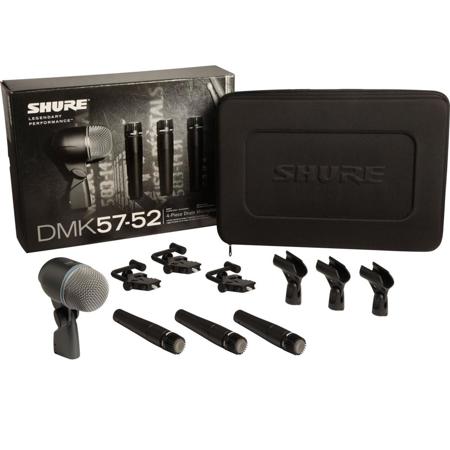
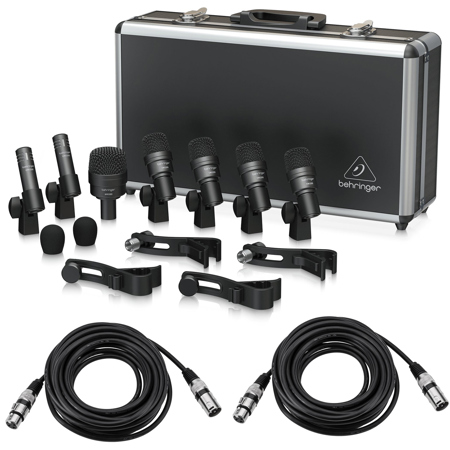
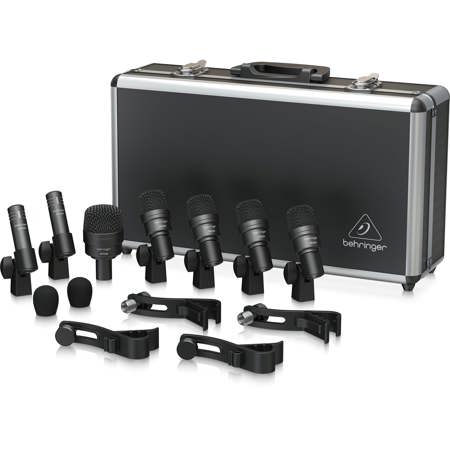
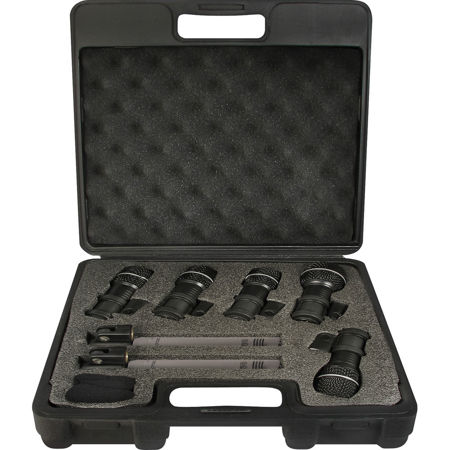
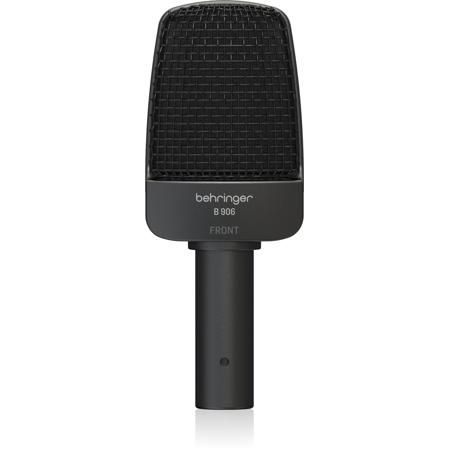
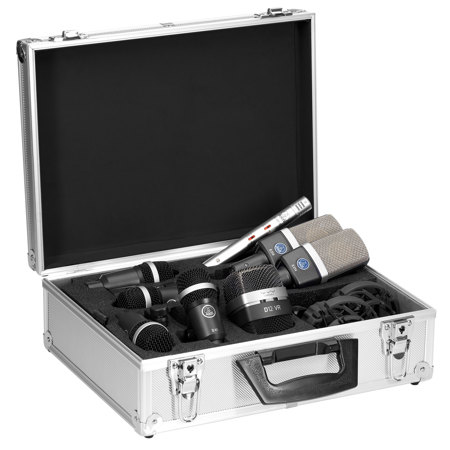
These miking techniques are invaluable for a wide range of users, from seasoned recording engineers working in professional studios to drummers looking to capture their own performances at home. During the summer and early fall, when bands are rehearsing for festival slots or prepping for recording projects, having the right microphones and accessories on hand can make a thoughtful gift for any musician or audio enthusiast. Even those just starting out will appreciate the flexibility and creative potential that a well-chosen set of drum mics brings—whether they’re tracking demos, livestreaming performances, or experimenting with new sounds. Entry-level kits like Behringer drum mics offer a practical way to explore multi-mic setups without breaking the bank, while more advanced users might invest in specialized overheads or kick drum microphones to refine their sound. For a deeper dive into the wide variety of options available and expert advice on choosing the best gear for your needs, visit our dedicated guide: Microphones for Recording Drums. Whether you’re capturing the thunder of a rock kit or the subtle textures of jazz brushes, the right miking technique unlocks the full potential of your drums, helping you achieve professional results in any recording or live sound scenario.
As you move from minimalist setups to more detailed multi-mic arrays, the options for customization expand dramatically. Many engineers and drummers prefer to supplement overheads with dedicated close mics on the kick, snare, and toms, allowing for greater control over each drum’s presence in the final mix. For the kick drum, dynamic or sub-kick microphones placed just inside the sound hole can be angled to emphasize either the attack of the beater or the deep low-end thump, depending on the musical style. Snare drums often benefit from a robust dynamic mic positioned a few inches above the rim and angled to minimize hi-hat bleed, while toms can be spot-miked with similar care to balance clarity and isolation. Managing phase alignment between these mics is crucial—small differences in distance can cause comb filtering and sap the energy from your tracks. Many engineers rely on the phase or polarity switch on their console, listening for the fullest low-end response as they dial in mic positions. Bleed management also becomes more important as you add microphones; pointing the null of a cardioid mic toward the loudest adjacent cymbals is a tried-and-true trick for minimizing unwanted spill.
These miking techniques are invaluable for a wide range of users, from seasoned recording engineers working in professional studios to drummers looking to capture their own performances at home. During the summer and early fall, when bands are rehearsing for festival slots or prepping for recording projects, having the right microphones and accessories on hand can make a thoughtful gift for any musician or audio enthusiast. Even those just starting out will appreciate the flexibility and creative potential that a well-chosen set of drum mics brings—whether they’re tracking demos, livestreaming performances, or experimenting with new sounds. Entry-level kits like Behringer drum mics offer a practical way to explore multi-mic setups without breaking the bank, while more advanced users might invest in specialized overheads or kick drum microphones to refine their sound. For a deeper dive into the wide variety of options available and expert advice on choosing the best gear for your needs, visit our dedicated guide: Microphones for Recording Drums. Whether you’re capturing the thunder of a rock kit or the subtle textures of jazz brushes, the right miking technique unlocks the full potential of your drums, helping you achieve professional results in any recording or live sound scenario.