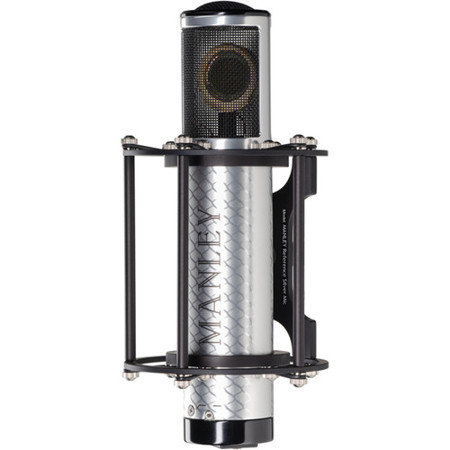
Drum Overhead Microphones
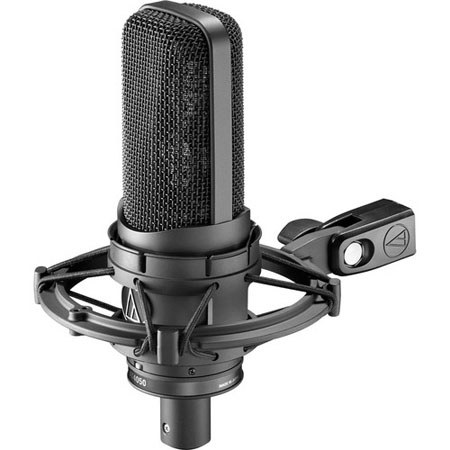
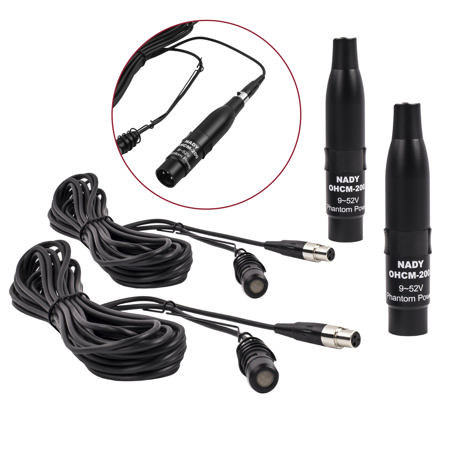
Capturing the full character and energy of a drum kit is a craft that hinges on the right choice of overhead microphones. Whether you’re recording in a professional studio, setting up for a live performance, or building a home setup, the overheads are responsible for much more than just the shimmer of cymbals—they’re the ears above the kit, bringing together every element from the snap of the snare to the low thump of the kick. The right pair of overhead microphones can reveal the nuance in a drummer’s touch, the subtle interplay between toms and cymbals, and the natural ambience of the room. Small-diaphragm condensers are often the go-to for their crisp transient response and detailed stereo imaging, making them a popular choice for capturing the intricate textures of jazz, rock, or orchestral percussion. Ribbon microphones, on the other hand, are prized for their warmth and ability to smooth out harsh overtones, lending a classic, vintage vibe to the overall drum sound. Large-diaphragm condensers offer a broader frequency response and can bring out the fullness in both cymbals and drums, especially when you want the kit to sit upfront in a mix.
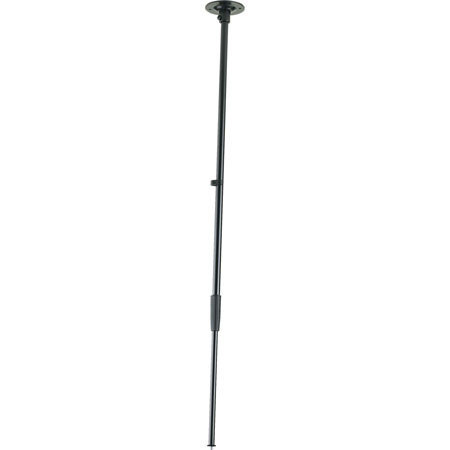
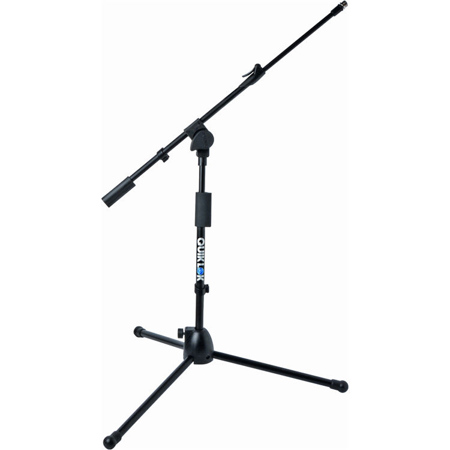
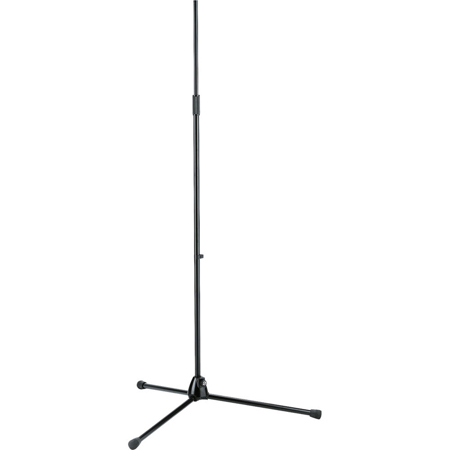
Placement is as much an art as it is a science. Many engineers favor the spaced pair or AB technique, setting the microphones equidistant from the snare and kick to achieve a balanced stereo image that feels wide and immersive. Others prefer the X/Y configuration, crossing the capsules at a 90-degree angle above the kit’s center for excellent mono compatibility and a focused, punchy sound. Experimenting with height can dramatically affect the recording: raising the mics captures more of the room’s character, which can be especially evocative during the winter months when rehearsals move indoors and the acoustics take on a cozier, more intimate quality. Lowering the overheads brings out the immediacy of the drums and cymbals, ideal when you need every ghost note and ride bell to cut through. For drummers who crave a unique perspective, techniques like the Glyn Johns method or rear-facing “drummer’s ear” setups can provide a fresh, natural balance that puts listeners right behind the kit.
Drum overhead microphones make thoughtful gifts for musicians at any stage of their journey—whether it’s a seasoned session player looking to elevate their home recordings, a student assembling their first serious rig, or a bandmate preparing for the next round of studio sessions. They’re also essential for engineers and producers who want to ensure their drum tracks have depth, clarity, and cohesion. When selecting overheads, consider the genre, the acoustics of the recording space, and the desired sound signature—some drummers want the crisp articulation of every hi-hat stroke, while others seek the enveloping warmth that only a ribbon mic can deliver. Before making a choice, it’s helpful to explore the full spectrum of microphone types and placement techniques to find the combination that best matches your creative vision. For a deeper dive into the world of drum miking, including snare, kick, and tom options, visit our comprehensive guide at Microphones For Drummers. Whether you’re tracking in the studio or streaming live from your practice space, the right overhead microphones are the key to unlocking the full sonic potential of your drum kit.
Placement is as much an art as it is a science. Many engineers favor the spaced pair or AB technique, setting the microphones equidistant from the snare and kick to achieve a balanced stereo image that feels wide and immersive. Others prefer the X/Y configuration, crossing the capsules at a 90-degree angle above the kit’s center for excellent mono compatibility and a focused, punchy sound. Experimenting with height can dramatically affect the recording: raising the mics captures more of the room’s character, which can be especially evocative during the winter months when rehearsals move indoors and the acoustics take on a cozier, more intimate quality. Lowering the overheads brings out the immediacy of the drums and cymbals, ideal when you need every ghost note and ride bell to cut through. For drummers who crave a unique perspective, techniques like the Glyn Johns method or rear-facing “drummer’s ear” setups can provide a fresh, natural balance that puts listeners right behind the kit.
Drum overhead microphones make thoughtful gifts for musicians at any stage of their journey—whether it’s a seasoned session player looking to elevate their home recordings, a student assembling their first serious rig, or a bandmate preparing for the next round of studio sessions. They’re also essential for engineers and producers who want to ensure their drum tracks have depth, clarity, and cohesion. When selecting overheads, consider the genre, the acoustics of the recording space, and the desired sound signature—some drummers want the crisp articulation of every hi-hat stroke, while others seek the enveloping warmth that only a ribbon mic can deliver. Before making a choice, it’s helpful to explore the full spectrum of microphone types and placement techniques to find the combination that best matches your creative vision. For a deeper dive into the world of drum miking, including snare, kick, and tom options, visit our comprehensive guide at Microphones For Drummers. Whether you’re tracking in the studio or streaming live from your practice space, the right overhead microphones are the key to unlocking the full sonic potential of your drum kit.