Electrical Contact Cleaners
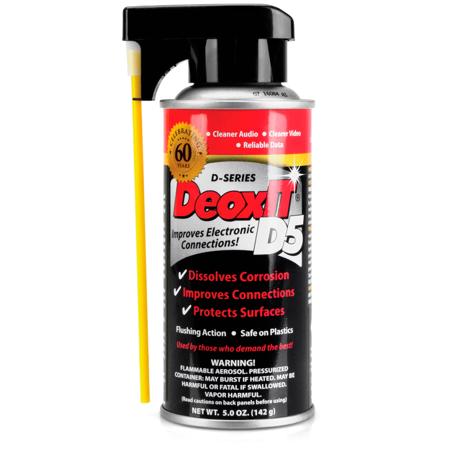
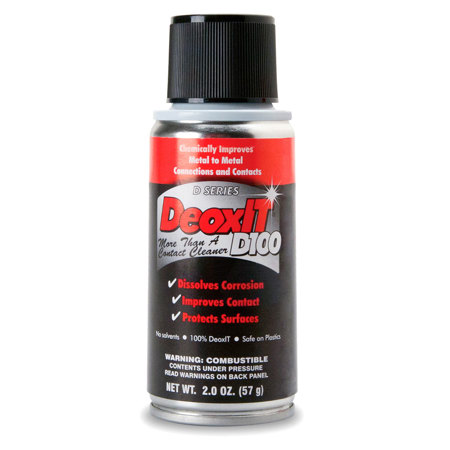
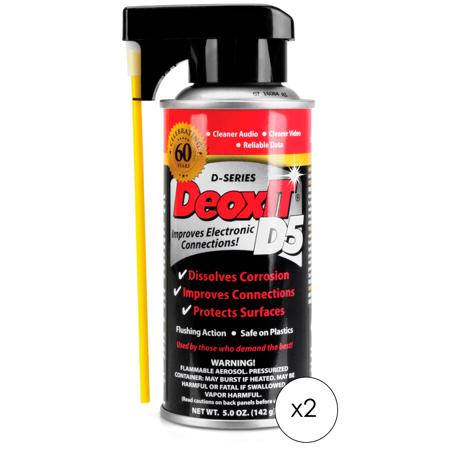
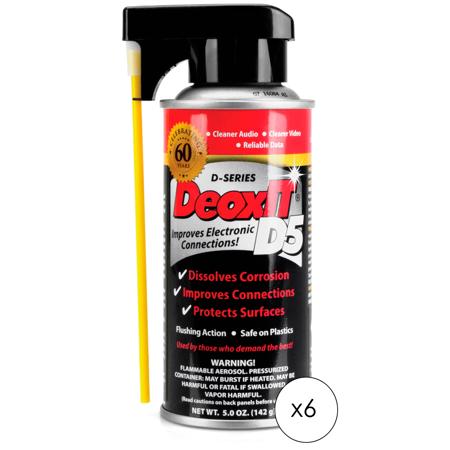
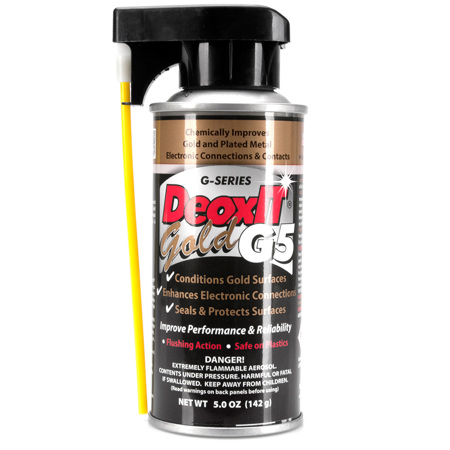
During the warmer months and as the air begins to cool, many professionals and enthusiasts alike find themselves taking on maintenance projects in their studios, workshops, or home offices. Electrical contact cleaners are indispensable tools during these times, ensuring that sensitive electronics, audio equipment, cameras, and studio gear stay in peak condition. These specialized aerosol solvents are formulated to dissolve stubborn grease, dust, oxidation, and flux residue from conductive surfaces, making them essential for anyone who relies on reliable signal transmission—whether in a high-end recording studio, a home theater setup, or a photography workspace. A quick spray of electrical contact cleaner can restore optimal conductivity in switches, relays, battery terminals, and circuit boards, helping to prevent those frustrating intermittent connections that can disrupt a creative session or a critical shoot. With their fast-evaporating, residue-free formulas, contact cleaners are safe to use on most plastics and delicate components, though it’s always wise to spot-test a hidden area first, especially when working with vintage gear or intricate electronics.
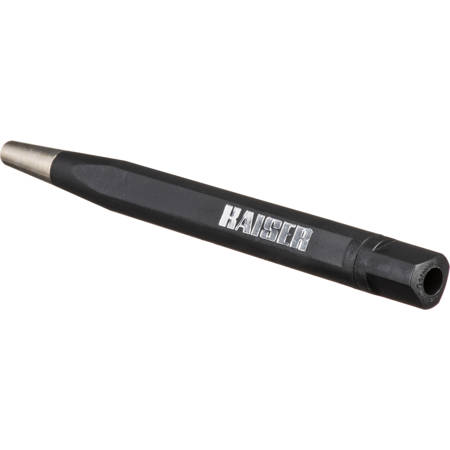
For audio engineers, musicians, and photographers, electrical contact erasers and cleaners are not just maintenance supplies—they’re a vital part of the toolkit. Dust and oxidation can build up inside mixer faders, patch bays, camera hot shoes, or lighting controls, leading to crackling sounds, flickering lights, or unreliable power delivery. A few minutes with the right contact cleaner can bring vintage synthesizers, aging film cameras, or well-loved microphones back to life, restoring clarity and dependability. These products are also a thoughtful gift for anyone who tinkers with electronics or takes pride in caring for their gear—imagine a friend who’s always restoring classic audio equipment, or a family member who collects old cameras. A can of electrical contact cleaner or a precision contact cleaning pen can be the difference between a forgotten project and a fully functional piece of equipment. Whether you’re prepping for a summer festival, autumn recording sessions, or just routine gear upkeep, these cleaners offer peace of mind and extend the life of your investment.
When choosing a contact cleaner, consider the type of equipment you’ll be maintaining, the materials involved, and whether you need a pinpoint applicator for hard-to-reach places. Always disconnect power or remove batteries before cleaning to avoid short circuits, and allow components to dry thoroughly before use. For those working with a wide variety of gear, from digital cameras to pro audio mixers, selecting a cleaner that’s safe for plastics can prevent accidental damage. And if you’re updating or replacing connectors as part of your maintenance routine, you may also want to browse compatible Electrical Connectors to ensure every connection is as reliable as possible. With the right electrical contact cleaner on hand, you’ll be ready to tackle seasonal cleaning and repairs, keeping your equipment performing flawlessly through every project and performance.
For audio engineers, musicians, and photographers, electrical contact erasers and cleaners are not just maintenance supplies—they’re a vital part of the toolkit. Dust and oxidation can build up inside mixer faders, patch bays, camera hot shoes, or lighting controls, leading to crackling sounds, flickering lights, or unreliable power delivery. A few minutes with the right contact cleaner can bring vintage synthesizers, aging film cameras, or well-loved microphones back to life, restoring clarity and dependability. These products are also a thoughtful gift for anyone who tinkers with electronics or takes pride in caring for their gear—imagine a friend who’s always restoring classic audio equipment, or a family member who collects old cameras. A can of electrical contact cleaner or a precision contact cleaning pen can be the difference between a forgotten project and a fully functional piece of equipment. Whether you’re prepping for a summer festival, autumn recording sessions, or just routine gear upkeep, these cleaners offer peace of mind and extend the life of your investment.
When choosing a contact cleaner, consider the type of equipment you’ll be maintaining, the materials involved, and whether you need a pinpoint applicator for hard-to-reach places. Always disconnect power or remove batteries before cleaning to avoid short circuits, and allow components to dry thoroughly before use. For those working with a wide variety of gear, from digital cameras to pro audio mixers, selecting a cleaner that’s safe for plastics can prevent accidental damage. And if you’re updating or replacing connectors as part of your maintenance routine, you may also want to browse compatible Electrical Connectors to ensure every connection is as reliable as possible. With the right electrical contact cleaner on hand, you’ll be ready to tackle seasonal cleaning and repairs, keeping your equipment performing flawlessly through every project and performance.