Eurorack LFO Modules
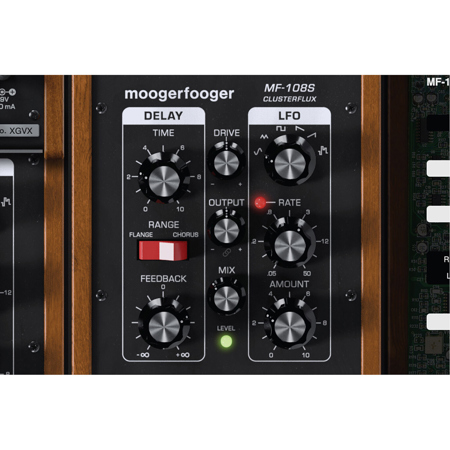
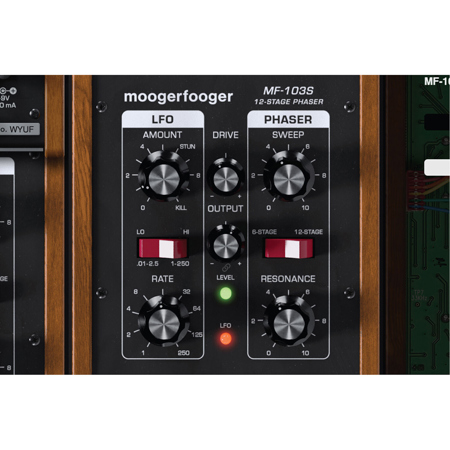
In the world of modular synthesis, Eurorack LFO modules are an essential building block for anyone looking to inject movement, texture, and evolving dynamics into their soundscapes. Whether you’re a seasoned synthesist sculpting intricate sonic landscapes or a newcomer eager to explore the tactile joys of modular patching, LFOs (Low-Frequency Oscillators) are among the most versatile and creative tools you can add to your rack. These modules generate slow, repeating voltage patterns that can be routed to modulate nearly any parameter within your system—filter cutoff, oscillator pitch, amplitude, effects, and more. This ability to animate and transform static sounds is at the heart of what makes modular synthesis so captivating. For those who thrive on experimentation, a well-chosen eurorack lfo opens up a playground of possibilities: from gentle, undulating tremolos that breathe life into pads, to syncopated pulses that drive rhythmic complexity in percussive patches. As spring arrives and creativity blossoms, many artists find themselves inspired to refresh their setups—making this season an ideal time to expand your modulation toolkit.
When considering which LFO module to add to your Eurorack system, think about your workflow and the types of modulation that excite you most. Some modules offer classic sine, triangle, and square waves, perfect for traditional vibrato or tremolo effects, while others feature more experimental shapes or the ability to morph between waveforms for evolving, organic movement. Clock-synced LFOs are invaluable for live performers and producers who want to lock modulation to tempo, ensuring that filter sweeps and rhythmic pulses stay perfectly in time with the rest of their set. Meanwhile, voltage-controlled LFOs allow for even deeper interaction, letting you modulate the modulators themselves for unpredictable, dynamic results. If you’re building a compact system, look for modules that offer multiple LFOs in a single unit, or those with unique features like tap tempo, waveform mixing, or built-in randomization. For those gifting to an electronic musician, a eurorack lfo module is a thoughtful and practical choice—especially for artists who are always on the hunt for new ways to evolve their sound. The compact form factor makes these modules a great fit for any rack, and their immediate impact on sonic possibilities ensures they’ll be appreciated by both beginners and pros.
Integrating an LFO into your modular setup is a deeply rewarding process, whether you’re producing ambient textures, techno grooves, or experimental sound art. The tactile nature of patching and tweaking an LFO’s rate or depth in real time can transform a static patch into a living, breathing composition. Many artists recall their first experience with a eurorack lfo as a turning point—the moment when their modular system truly came alive with movement and unpredictability. As you explore the range of available modules, consider how an LFO can interact with other components in your system, such as filters, envelope generators, and sequencers. For those interested in expanding further, the world of Analog Synth Modules offers even more options to shape and refine your sound. Whether you’re patching in a sunlit studio or performing live as the days grow longer, the creative potential unlocked by a dedicated LFO module is endless. With each twist of a knob or patch of a cable, you’ll discover new rhythms, textures, and sonic surprises that keep your music evolving and your inspiration flowing.
When considering which LFO module to add to your Eurorack system, think about your workflow and the types of modulation that excite you most. Some modules offer classic sine, triangle, and square waves, perfect for traditional vibrato or tremolo effects, while others feature more experimental shapes or the ability to morph between waveforms for evolving, organic movement. Clock-synced LFOs are invaluable for live performers and producers who want to lock modulation to tempo, ensuring that filter sweeps and rhythmic pulses stay perfectly in time with the rest of their set. Meanwhile, voltage-controlled LFOs allow for even deeper interaction, letting you modulate the modulators themselves for unpredictable, dynamic results. If you’re building a compact system, look for modules that offer multiple LFOs in a single unit, or those with unique features like tap tempo, waveform mixing, or built-in randomization. For those gifting to an electronic musician, a eurorack lfo module is a thoughtful and practical choice—especially for artists who are always on the hunt for new ways to evolve their sound. The compact form factor makes these modules a great fit for any rack, and their immediate impact on sonic possibilities ensures they’ll be appreciated by both beginners and pros.
Integrating an LFO into your modular setup is a deeply rewarding process, whether you’re producing ambient textures, techno grooves, or experimental sound art. The tactile nature of patching and tweaking an LFO’s rate or depth in real time can transform a static patch into a living, breathing composition. Many artists recall their first experience with a eurorack lfo as a turning point—the moment when their modular system truly came alive with movement and unpredictability. As you explore the range of available modules, consider how an LFO can interact with other components in your system, such as filters, envelope generators, and sequencers. For those interested in expanding further, the world of Analog Synth Modules offers even more options to shape and refine your sound. Whether you’re patching in a sunlit studio or performing live as the days grow longer, the creative potential unlocked by a dedicated LFO module is endless. With each twist of a knob or patch of a cable, you’ll discover new rhythms, textures, and sonic surprises that keep your music evolving and your inspiration flowing.