LFO Synthesizers
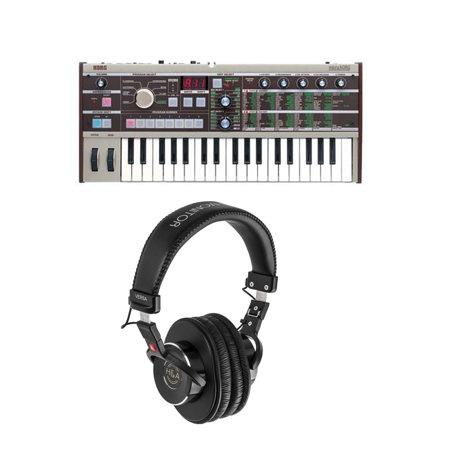
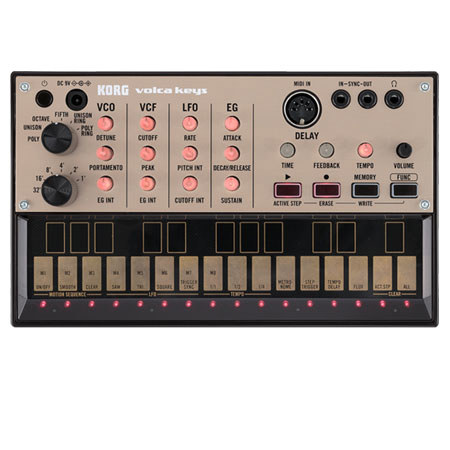
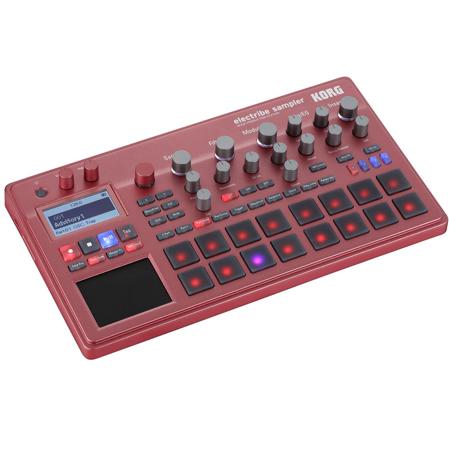
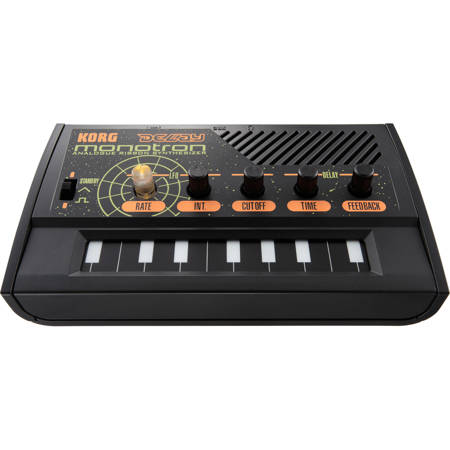
LFO synthesizers hold a unique place in the world of music production, sound design, and live performance, offering a gateway to dynamic, evolving sonic landscapes. Whether you’re a seasoned electronic musician, a film composer searching for expressive textures, or a newcomer eager to experiment with sound, LFO (Low-Frequency Oscillator) synthesizers provide tools to infuse movement and emotion into your music. At their core, these instruments use oscillators operating below the range of human hearing to modulate parameters like pitch, filter cutoff, and amplitude, resulting in effects such as vibrato, tremolo, rhythmic pulses, and sweeping filter movements. The beauty of LFOs lies in their versatility—by shaping the modulation waveform (sine, triangle, square, or even random), adjusting speed and depth, and routing to different destinations, you can breathe life into static sounds, transforming simple tones into swirling pads, pulsing basslines, or shimmering leads. For sound designers, the ability to automate subtle or dramatic changes over time is invaluable, especially when crafting evolving ambiences or cinematic effects. During the winter months, when creativity often turns inward and studio sessions become more frequent, LFO synthesizers can be a source of inspiration, helping artists break through creative blocks with unexpected sonic results.
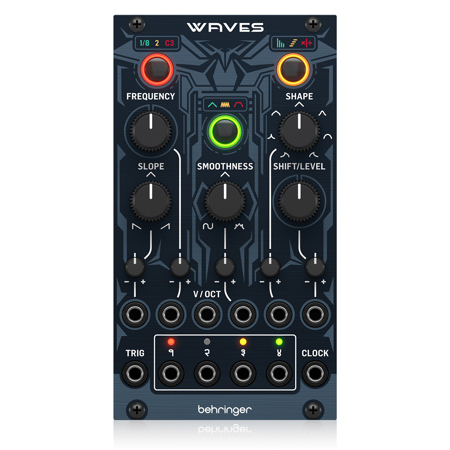
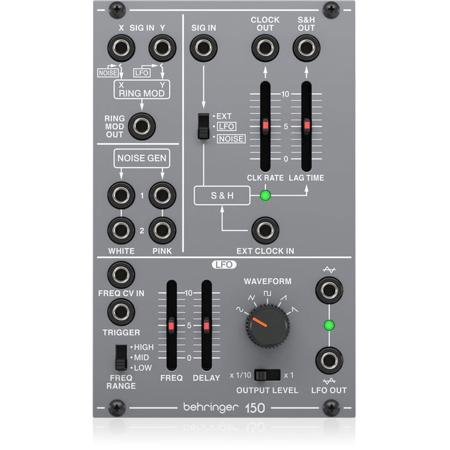
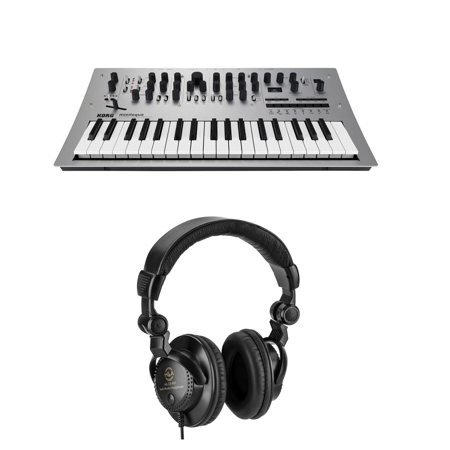
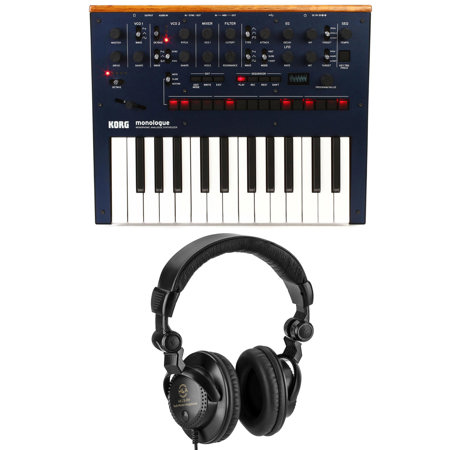
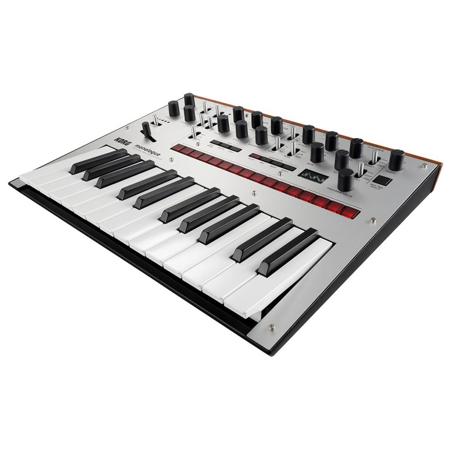
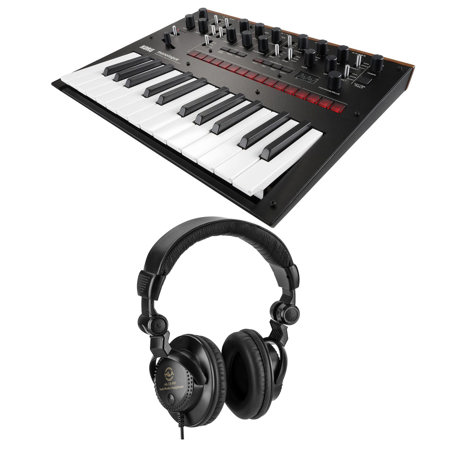
When considering an LFO synthesizer for your studio or as a thoughtful gift for a musician, it’s important to reflect on the intended use and workflow preferences. Some users gravitate toward hardware units for their tactile controls and immediate hands-on interaction, which can be especially rewarding when performing live or improvising in the studio. Others may prefer software-based solutions for their flexibility, integration with digital audio workstations, and ease of recall. Modular enthusiasts often seek dedicated LFO modules to build custom modulation networks, allowing for deep experimentation and unique signal paths. Features to look for include the number and types of LFOs available, waveform variety, sync options (such as tempo-synced modulation for rhythmic effects), and the ability to assign LFOs to multiple parameters simultaneously. Beginners might appreciate straightforward interfaces with clear visual feedback, while advanced users may desire complex routing possibilities and extensive modulation matrices. LFO synthesizers also make excellent gifts for creative individuals—imagine the delight of a budding producer unwrapping a sleek new synth, ready to explore undulating textures and pulsating rhythms during long winter evenings. For those drawn to the warmth and character of classic sounds, exploring the world of Analog Synthesizers can reveal even more expressive possibilities, as analog circuitry often imparts a uniquely organic quality to LFO-driven modulations.
Ultimately, integrating an LFO synthesizer into your setup opens doors to limitless sonic exploration, whether you’re layering subtle movement beneath a vocal track, creating intricate rhythmic patterns for electronic dance music, or sculpting otherworldly atmospheres for multimedia projects. The tactile joy of tweaking modulation depths and rates in real time can turn a routine session into an adventure, where happy accidents and new discoveries await with every twist of a knob. As the new year unfolds and inspiration strikes, LFO synthesizers invite you to push boundaries, experiment with sound, and find your own voice in the ever-evolving landscape of music technology.
When considering an LFO synthesizer for your studio or as a thoughtful gift for a musician, it’s important to reflect on the intended use and workflow preferences. Some users gravitate toward hardware units for their tactile controls and immediate hands-on interaction, which can be especially rewarding when performing live or improvising in the studio. Others may prefer software-based solutions for their flexibility, integration with digital audio workstations, and ease of recall. Modular enthusiasts often seek dedicated LFO modules to build custom modulation networks, allowing for deep experimentation and unique signal paths. Features to look for include the number and types of LFOs available, waveform variety, sync options (such as tempo-synced modulation for rhythmic effects), and the ability to assign LFOs to multiple parameters simultaneously. Beginners might appreciate straightforward interfaces with clear visual feedback, while advanced users may desire complex routing possibilities and extensive modulation matrices. LFO synthesizers also make excellent gifts for creative individuals—imagine the delight of a budding producer unwrapping a sleek new synth, ready to explore undulating textures and pulsating rhythms during long winter evenings. For those drawn to the warmth and character of classic sounds, exploring the world of Analog Synthesizers can reveal even more expressive possibilities, as analog circuitry often imparts a uniquely organic quality to LFO-driven modulations.
Ultimately, integrating an LFO synthesizer into your setup opens doors to limitless sonic exploration, whether you’re layering subtle movement beneath a vocal track, creating intricate rhythmic patterns for electronic dance music, or sculpting otherworldly atmospheres for multimedia projects. The tactile joy of tweaking modulation depths and rates in real time can turn a routine session into an adventure, where happy accidents and new discoveries await with every twist of a knob. As the new year unfolds and inspiration strikes, LFO synthesizers invite you to push boundaries, experiment with sound, and find your own voice in the ever-evolving landscape of music technology.