Film Photography Beginners
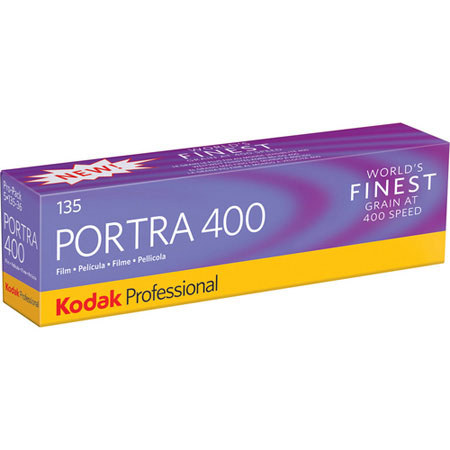
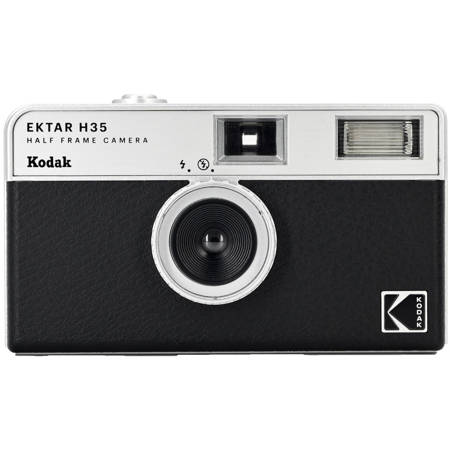
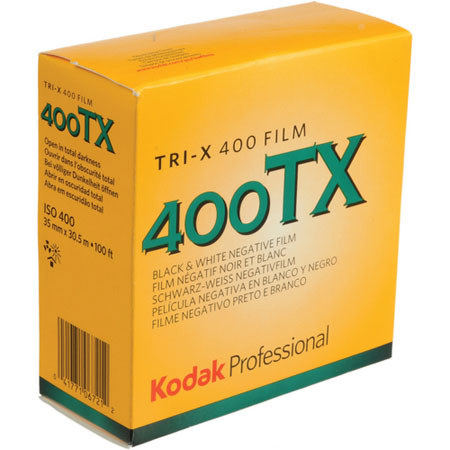
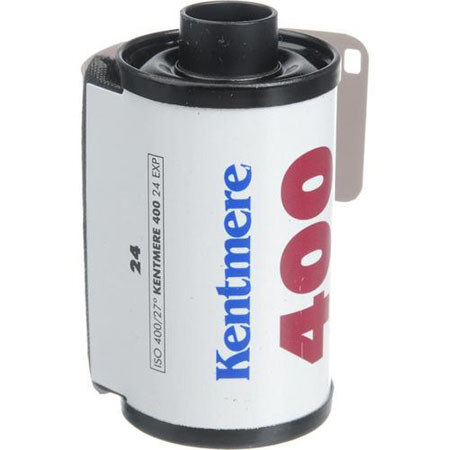
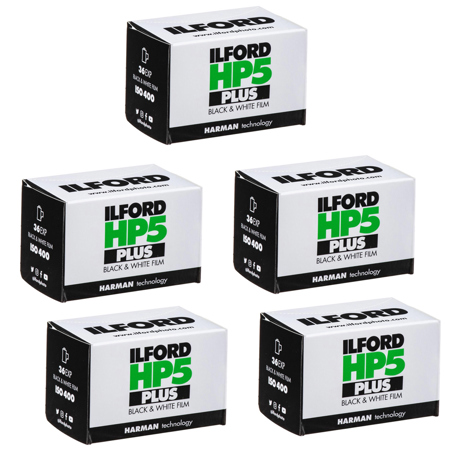
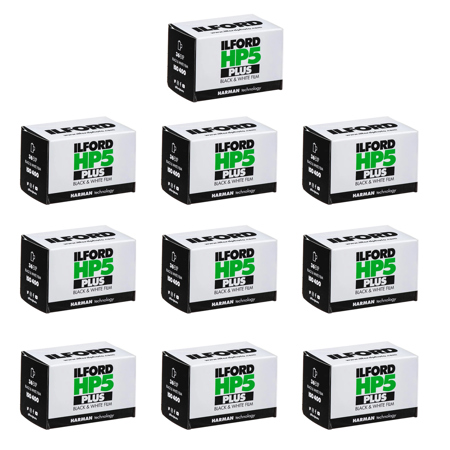
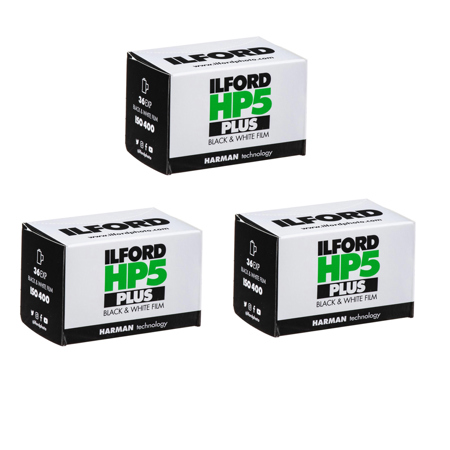
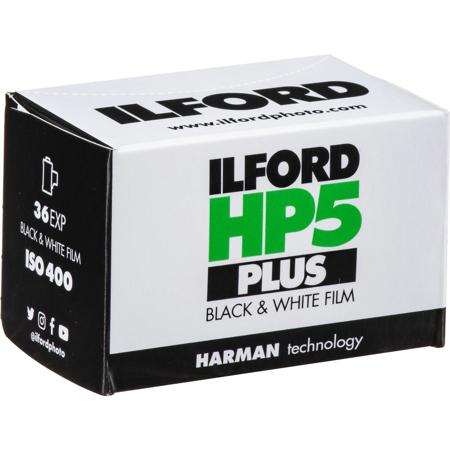
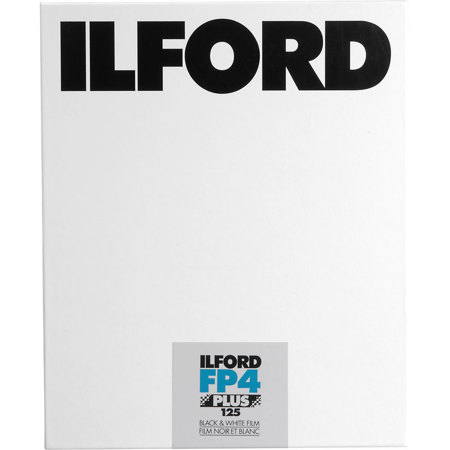
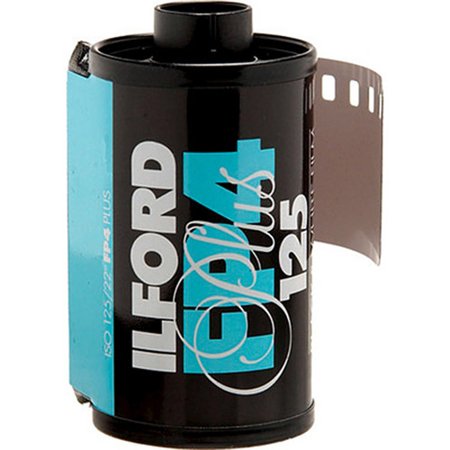
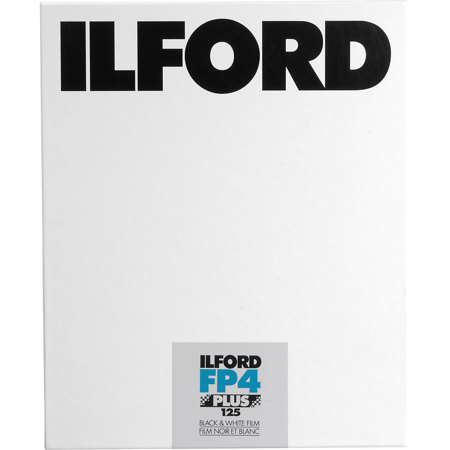
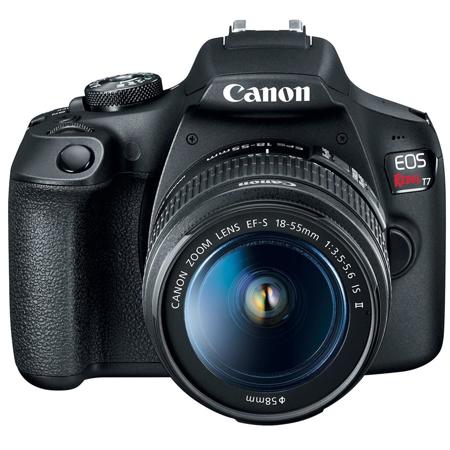
Film photography offers a uniquely tactile and rewarding experience, especially for beginners eager to explore the art of capturing light on film. As the days grow longer and the natural world bursts with color, many newcomers find themselves drawn to the deliberate pace and hands-on nature of analog photography. Choosing the right gear is an essential first step, and understanding the basics can make the transition from digital to film both smooth and enjoyable. For those just starting out, selecting a user-friendly camera—often in the popular 35mm format—helps simplify the process, as these cameras typically offer straightforward controls and a wide variety of film stocks. When considering film for beginners, it's helpful to know that ISO (film speed) plays a crucial role in determining how your images will look. Lower ISO films (like 100 or 200) excel in bright daylight, delivering fine grain and vibrant color, while higher ISO options (400 or 800) are more forgiving in lower light or overcast conditions. Unlike digital sensors, film’s sensitivity can’t be changed mid-roll, so planning ahead for your shooting environment is key.
Many aspiring photographers are captivated by the creative possibilities that film photography offers—from experimenting with exposure and depth of field to discovering the subtle differences between various film stocks. The process encourages patience and mindfulness, as each shot counts and every frame is a new opportunity to learn. Beginners often appreciate cameras with built-in light meters, which guide them in balancing aperture, shutter speed, and ISO for proper exposure. For cameras without a meter, the classic "Sunny 16" rule is a reliable starting point: on bright, sunny days, set your aperture to f/16 and your shutter speed to match the reciprocal of your film’s ISO. Once a roll is finished, it must be developed—an exciting moment of anticipation. Most beginners opt for professional mail-in or local labs for development, ensuring consistent results and the added convenience of digital scans for easy sharing. Film cameras and accessories also make thoughtful gifts for students, travelers, or anyone with a creative spirit, especially during seasons when outdoor adventures and gatherings are more frequent. Whether capturing family picnics, city explorations, or quiet moments in nature, film photography encourages a deeper connection with each scene.
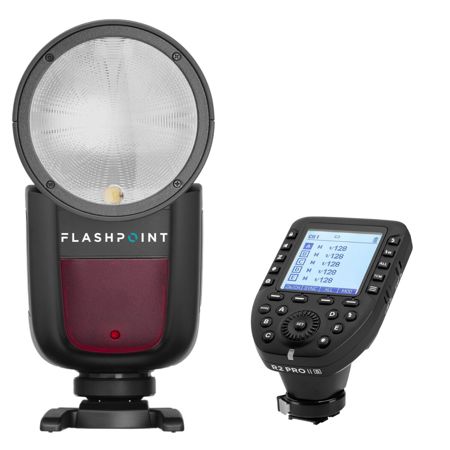
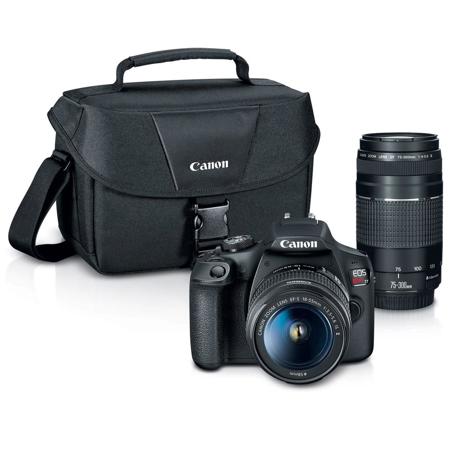
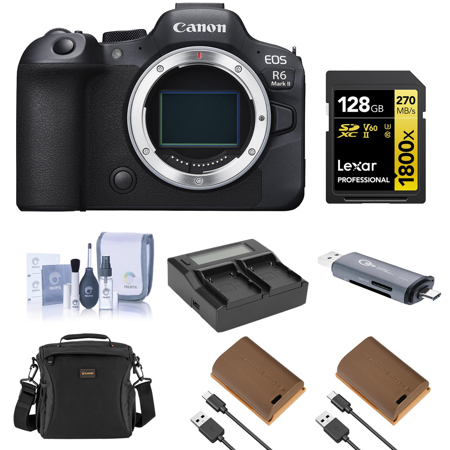
For those looking to build a well-rounded starter kit, it’s helpful to consider not just the camera and film, but also accessories like camera straps, protective cases, and simple cleaning tools. A sturdy bag keeps gear organized and ready for spontaneous outings, while a lightweight tripod can open up creative options for low-light or long-exposure shots. As interest grows, exploring additional resources can further deepen your understanding and enjoyment of analog photography. To discover more about essential tools, recommended gear, and practical tips for getting started, visit our comprehensive Film Photography Equipment page. Whether you’re embarking on your first roll or revisiting the joys of analog, the right equipment and a spirit of curiosity will help you make the most of every frame.
Many aspiring photographers are captivated by the creative possibilities that film photography offers—from experimenting with exposure and depth of field to discovering the subtle differences between various film stocks. The process encourages patience and mindfulness, as each shot counts and every frame is a new opportunity to learn. Beginners often appreciate cameras with built-in light meters, which guide them in balancing aperture, shutter speed, and ISO for proper exposure. For cameras without a meter, the classic "Sunny 16" rule is a reliable starting point: on bright, sunny days, set your aperture to f/16 and your shutter speed to match the reciprocal of your film’s ISO. Once a roll is finished, it must be developed—an exciting moment of anticipation. Most beginners opt for professional mail-in or local labs for development, ensuring consistent results and the added convenience of digital scans for easy sharing. Film cameras and accessories also make thoughtful gifts for students, travelers, or anyone with a creative spirit, especially during seasons when outdoor adventures and gatherings are more frequent. Whether capturing family picnics, city explorations, or quiet moments in nature, film photography encourages a deeper connection with each scene.
For those looking to build a well-rounded starter kit, it’s helpful to consider not just the camera and film, but also accessories like camera straps, protective cases, and simple cleaning tools. A sturdy bag keeps gear organized and ready for spontaneous outings, while a lightweight tripod can open up creative options for low-light or long-exposure shots. As interest grows, exploring additional resources can further deepen your understanding and enjoyment of analog photography. To discover more about essential tools, recommended gear, and practical tips for getting started, visit our comprehensive Film Photography Equipment page. Whether you’re embarking on your first roll or revisiting the joys of analog, the right equipment and a spirit of curiosity will help you make the most of every frame.