
Film Slates
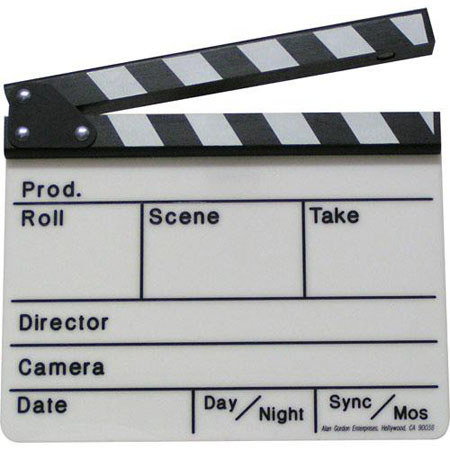
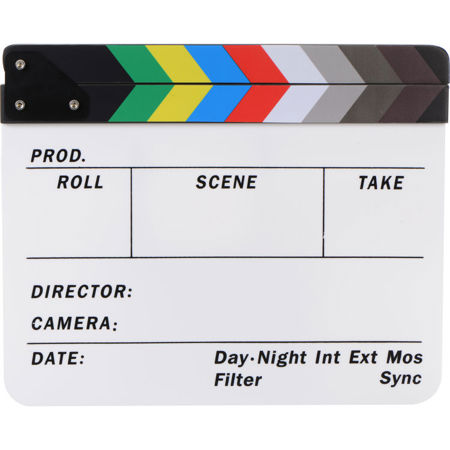
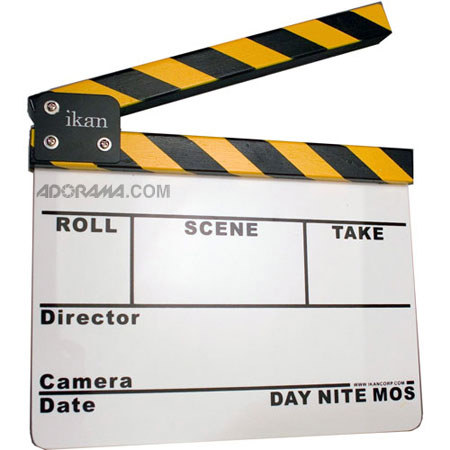
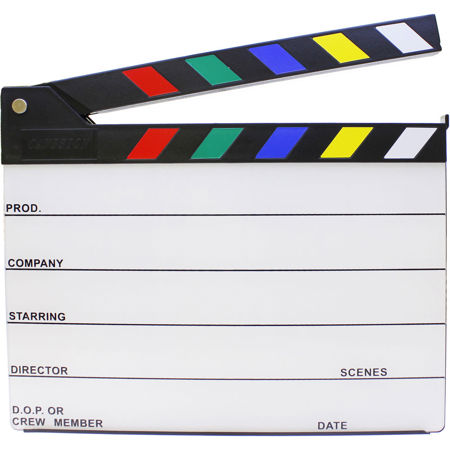
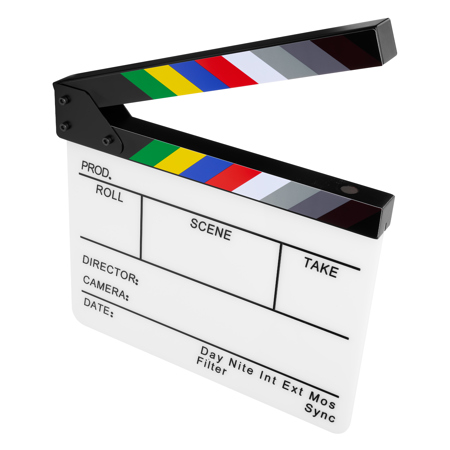
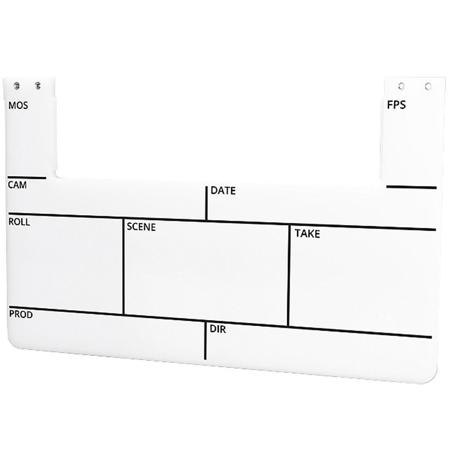
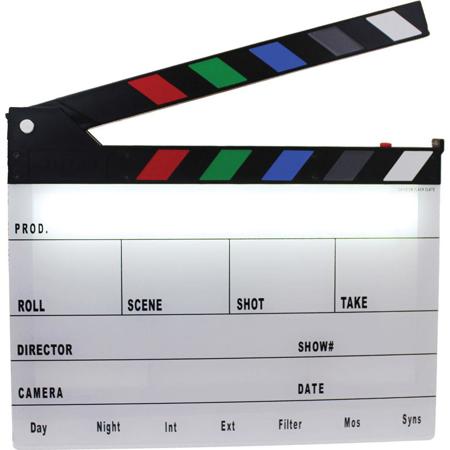
A film slate, often referred to as a film clapper, clapboard film slate, or digital film slate, is an essential tool for filmmakers, videographers, and content creators at every level of production. Whether you’re working on a major motion picture, an independent short, or a documentary, the film slate serves as the linchpin for synchronizing audio and video and for organizing footage during post-production. The iconic clap of the sticks—whether on a traditional wooden or acrylic board or a film slate digital model—provides both a visual cue and a sharp audio spike that editors rely on to align sound with picture perfectly. Beyond synchronization, the slate carries vital information: scene and take numbers, roll identifiers, date, production title, and names of the director and director of photography. This data is meticulously updated for every take, helping to streamline the editing process and minimize confusion when sorting through hours of footage. As filmmaking ramps up during the warmer months and continues into the early fall, outdoor shoots and creative projects are in full swing, making now an ideal time to consider the right slate for your needs.
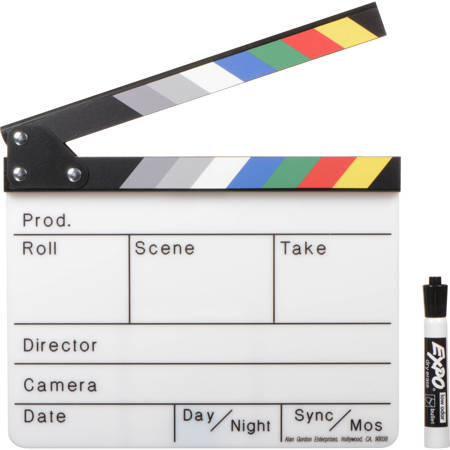
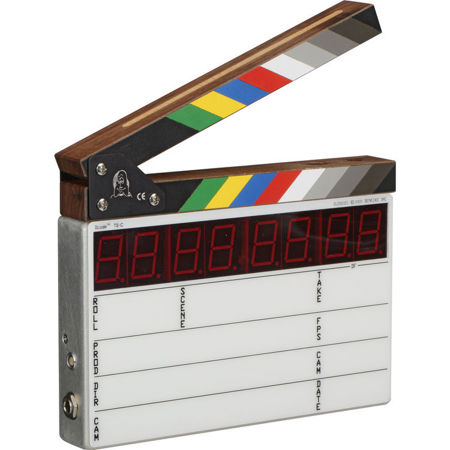
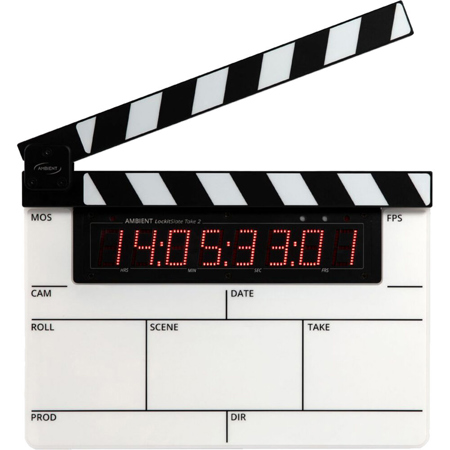
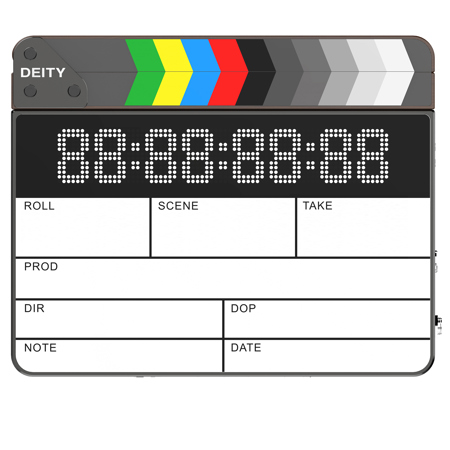
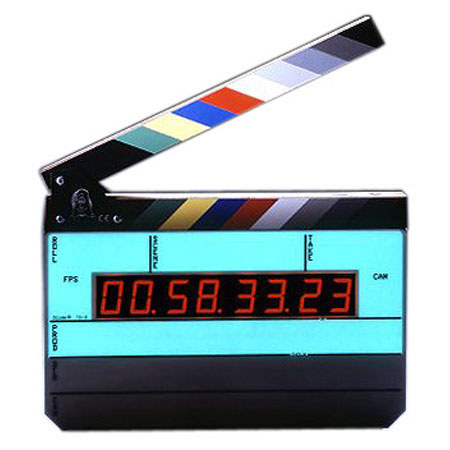
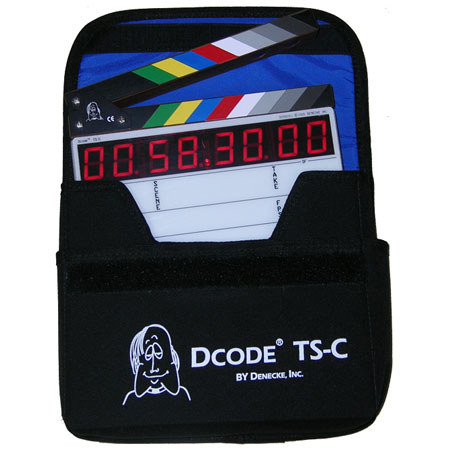
Selecting the best film slate for your workflow depends on the scale of your production and your personal preferences. Traditional “dumb” slates, which require manual writing with dry-erase markers or tape, offer simplicity and reliability—perfect for smaller sets or educational environments where hands-on learning is key. These are often favored by student filmmakers, indie creators, and educators who appreciate the tactile process of filling out each field before a take. On the other hand, digital film slates—sometimes called smart slates—feature built-in timecode displays, allowing for frame-accurate synchronization with external audio recorders. These are especially valuable for multi-camera shoots, professional sets, or any scenario where absolute precision is required. If you’re gifting a film slate, it’s a thoughtful choice for aspiring directors, film school graduates, or seasoned crew members who will appreciate the blend of tradition and technology. The act of slating itself is a rite of passage for many second assistant camera operators (2nd ACs), and a well-crafted film slate can become a cherished tool that travels from set to set, accumulating stories with every clap.
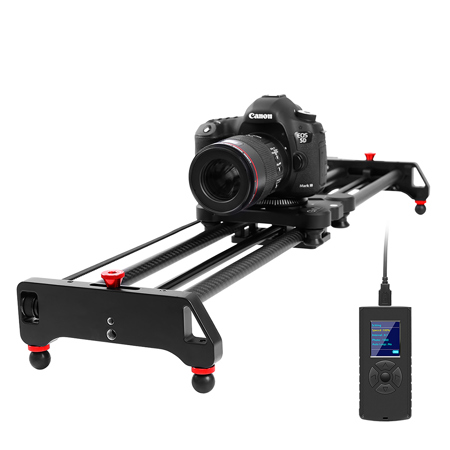
For those looking to elevate their production even further, pairing a reliable film slate with complementary equipment such as camera supports or motion control devices can make a substantial difference in both workflow and creative possibilities. As you build out your kit for the busy filming season, consider exploring options like Film Sliders to add smooth, cinematic movement to your shots. The right combination of tools—from a dependable clapboard film slate to precision sliders—not only enhances efficiency but also opens up new avenues for storytelling. Whether you’re capturing sun-drenched scenes in the height of summer or taking advantage of the golden light during early fall evenings, having the right slate in hand ensures that every take is accounted for and every memory is synced perfectly, setting the stage for a seamless edit and a polished final cut.
Selecting the best film slate for your workflow depends on the scale of your production and your personal preferences. Traditional “dumb” slates, which require manual writing with dry-erase markers or tape, offer simplicity and reliability—perfect for smaller sets or educational environments where hands-on learning is key. These are often favored by student filmmakers, indie creators, and educators who appreciate the tactile process of filling out each field before a take. On the other hand, digital film slates—sometimes called smart slates—feature built-in timecode displays, allowing for frame-accurate synchronization with external audio recorders. These are especially valuable for multi-camera shoots, professional sets, or any scenario where absolute precision is required. If you’re gifting a film slate, it’s a thoughtful choice for aspiring directors, film school graduates, or seasoned crew members who will appreciate the blend of tradition and technology. The act of slating itself is a rite of passage for many second assistant camera operators (2nd ACs), and a well-crafted film slate can become a cherished tool that travels from set to set, accumulating stories with every clap.
For those looking to elevate their production even further, pairing a reliable film slate with complementary equipment such as camera supports or motion control devices can make a substantial difference in both workflow and creative possibilities. As you build out your kit for the busy filming season, consider exploring options like Film Sliders to add smooth, cinematic movement to your shots. The right combination of tools—from a dependable clapboard film slate to precision sliders—not only enhances efficiency but also opens up new avenues for storytelling. Whether you’re capturing sun-drenched scenes in the height of summer or taking advantage of the golden light during early fall evenings, having the right slate in hand ensures that every take is accounted for and every memory is synced perfectly, setting the stage for a seamless edit and a polished final cut.