Film Developers
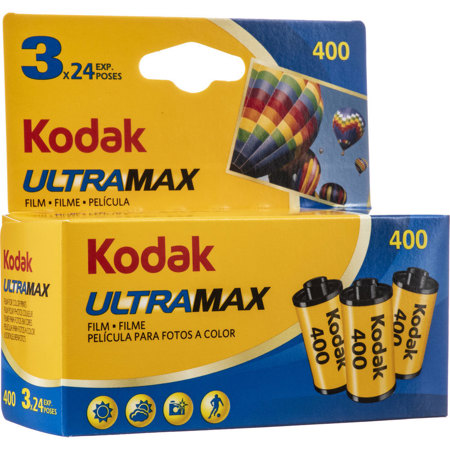
Whether you’re a seasoned darkroom enthusiast or a newcomer eager to explore the tactile artistry of analog photography, choosing the right film developer is a pivotal step in the creative process. The world of film developers is as rich and nuanced as the images they help bring to life—each formula offering its own signature blend of contrast, grain, and tonal rendition. From classic black-and-white emulsions to vibrant color negatives, the developer you select can dramatically shape the mood and character of your photographs. For many, the ritual of mixing chemistry, watching images emerge in the tray, and fine-tuning development times is as rewarding as capturing the shot itself. As the days grow longer or the evenings become cooler, spending time in the darkroom can be a meditative escape, allowing you to revisit summer adventures or prepare for autumn’s shifting light. Whether you’re processing rolls of Adorama 35mm film from a recent road trip or crafting large-format prints for a gallery show, the right developer helps ensure your creative vision is realized with precision and depth.
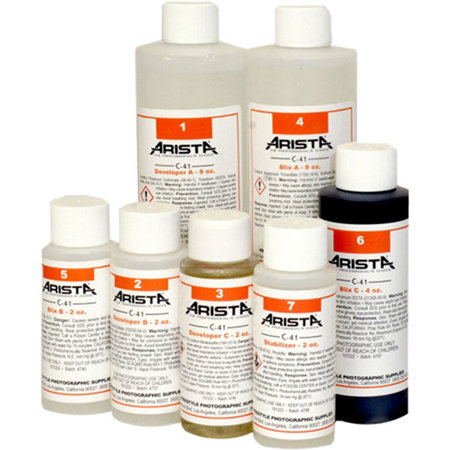
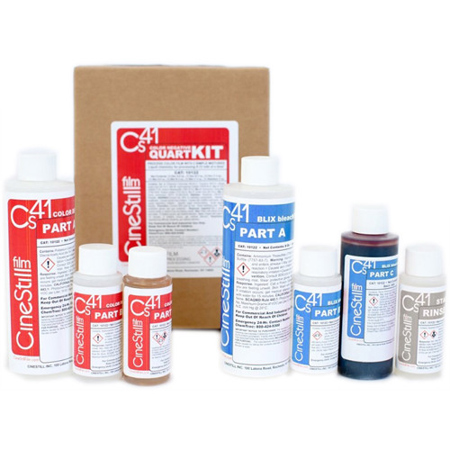
Film developers are essential for anyone passionate about analog photography, from students experimenting with their first camera to professionals seeking total control over their workflow. They make thoughtful gifts for photography students, hobbyists rediscovering film, or artists interested in alternative processes—especially as interest in film photography continues to thrive. When selecting a developer, consider the type of film you’re using, your preferred working method, and the final look you wish to achieve. Some developers are designed for maximum sharpness and fine grain, ideal for portraiture or detailed landscapes, while others emphasize speed and contrast, perfect for street photography or dramatic lighting conditions. Liquid concentrates are convenient for those with limited space or time, while powder formulas offer flexibility and longer shelf life for high-volume users. Environmental factors, such as temperature and water quality, also play a role in achieving consistent results, so it’s worth experimenting to find a setup that works best for your workflow. For filmmakers and hybrid shooters, combining film development with creative filtration can open new avenues of expression—explore our curated selection of Filmmaker's Week Filter Kits for even more ways to shape your visual narrative.
As you browse our collection of film developers, you’ll find options suited for every level of experience and every type of photographic project. Whether you’re preserving memories from family gatherings, capturing the golden light of late summer, or preparing for creative projects as the seasons change, investing in quality developers ensures your Adorama film yields beautiful, lasting images. The resurgence of analog techniques has brought together a vibrant community of photographers who appreciate the hands-on, deliberate nature of film processing. Sharing prints, trading tips, and experimenting with new combinations of film and chemistry is all part of the journey—one that’s as much about discovery as it is about documentation. With the right tools and a spirit of curiosity, every roll you develop becomes an opportunity to refine your craft and tell your story in a way that’s uniquely your own.
Film developers are essential for anyone passionate about analog photography, from students experimenting with their first camera to professionals seeking total control over their workflow. They make thoughtful gifts for photography students, hobbyists rediscovering film, or artists interested in alternative processes—especially as interest in film photography continues to thrive. When selecting a developer, consider the type of film you’re using, your preferred working method, and the final look you wish to achieve. Some developers are designed for maximum sharpness and fine grain, ideal for portraiture or detailed landscapes, while others emphasize speed and contrast, perfect for street photography or dramatic lighting conditions. Liquid concentrates are convenient for those with limited space or time, while powder formulas offer flexibility and longer shelf life for high-volume users. Environmental factors, such as temperature and water quality, also play a role in achieving consistent results, so it’s worth experimenting to find a setup that works best for your workflow. For filmmakers and hybrid shooters, combining film development with creative filtration can open new avenues of expression—explore our curated selection of Filmmaker's Week Filter Kits for even more ways to shape your visual narrative.
As you browse our collection of film developers, you’ll find options suited for every level of experience and every type of photographic project. Whether you’re preserving memories from family gatherings, capturing the golden light of late summer, or preparing for creative projects as the seasons change, investing in quality developers ensures your Adorama film yields beautiful, lasting images. The resurgence of analog techniques has brought together a vibrant community of photographers who appreciate the hands-on, deliberate nature of film processing. Sharing prints, trading tips, and experimenting with new combinations of film and chemistry is all part of the journey—one that’s as much about discovery as it is about documentation. With the right tools and a spirit of curiosity, every roll you develop becomes an opportunity to refine your craft and tell your story in a way that’s uniquely your own.