Filters For Architectural Photography
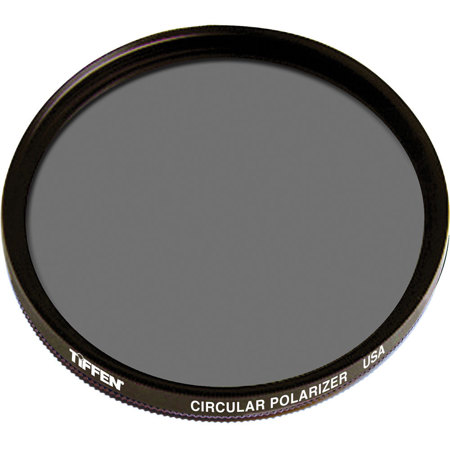
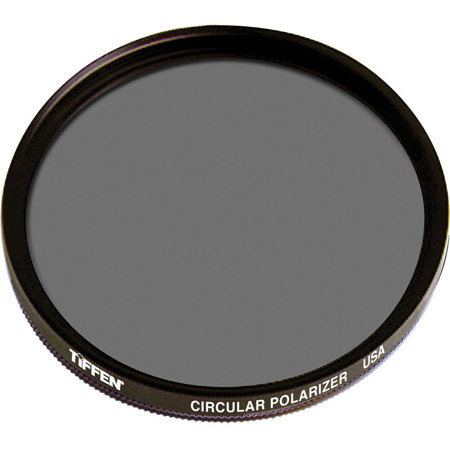
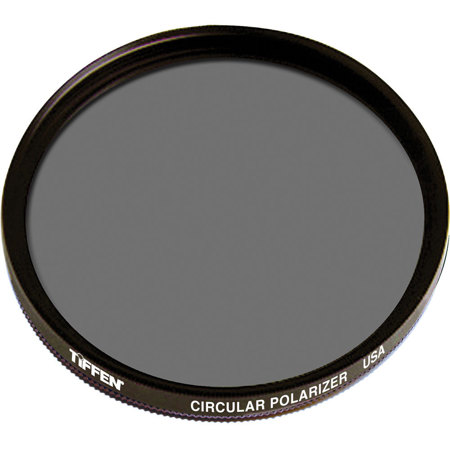
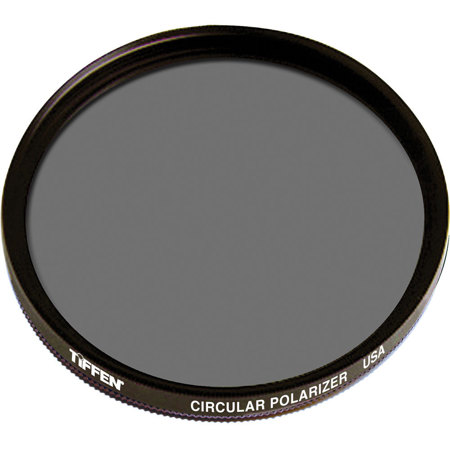
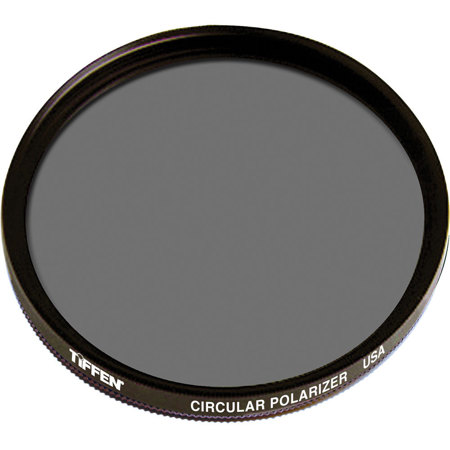
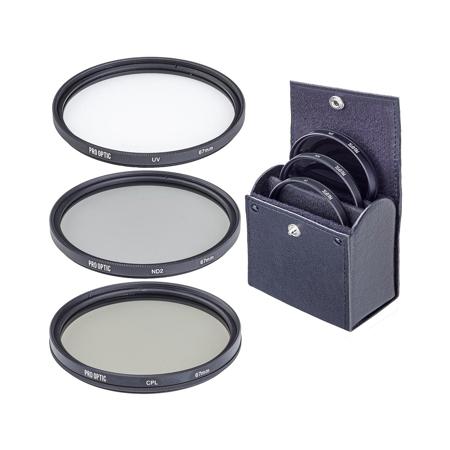
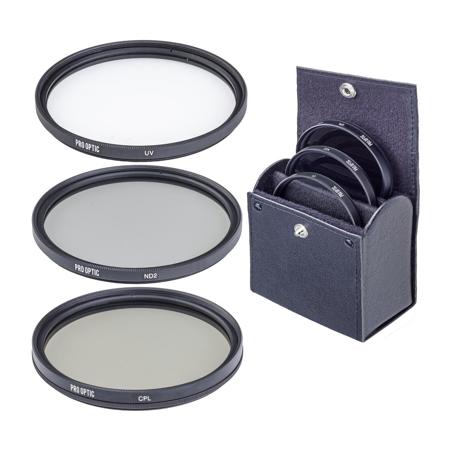
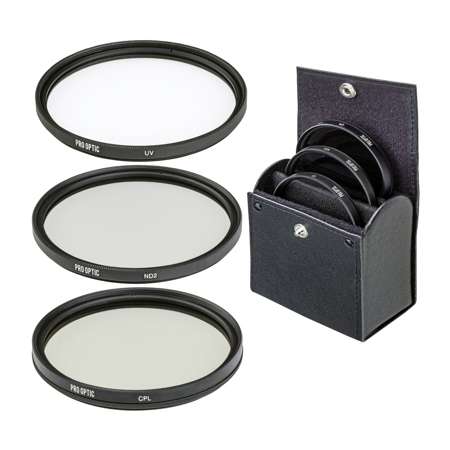
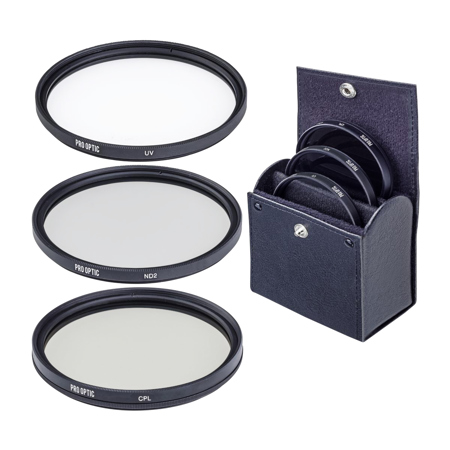
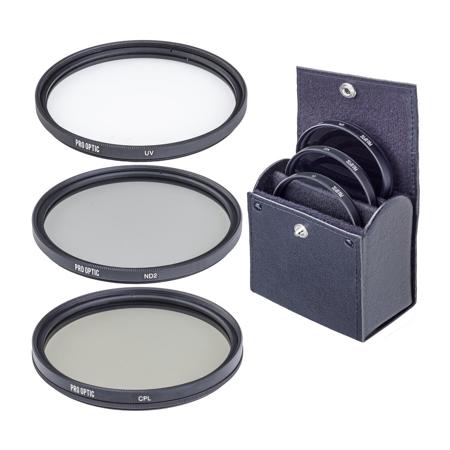
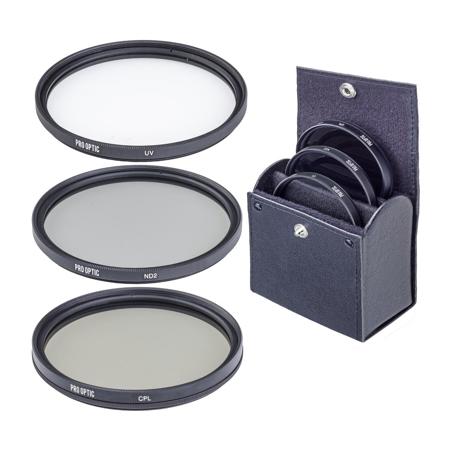
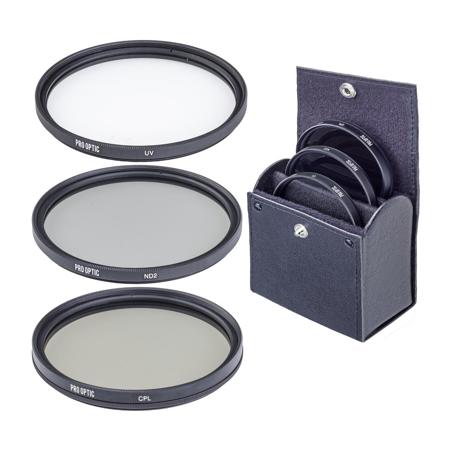
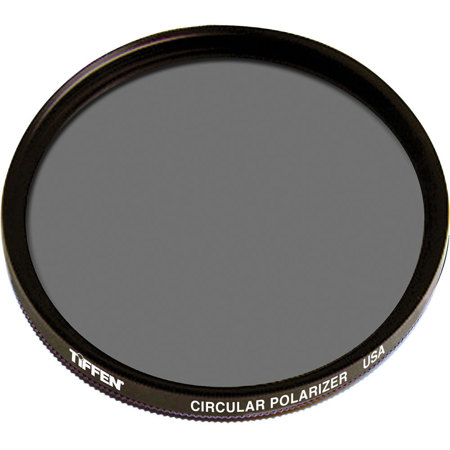
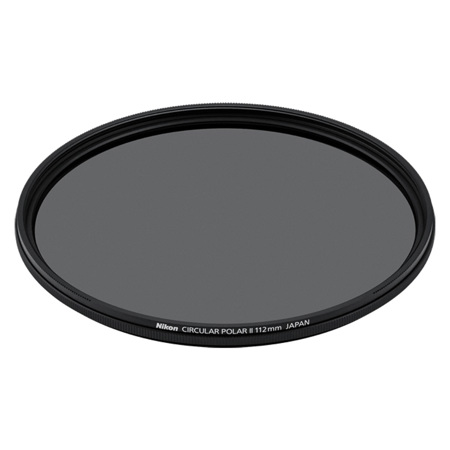
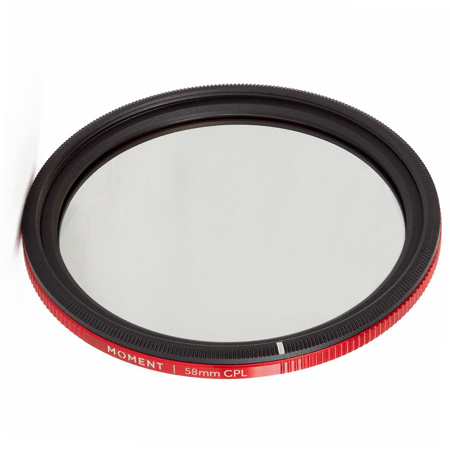
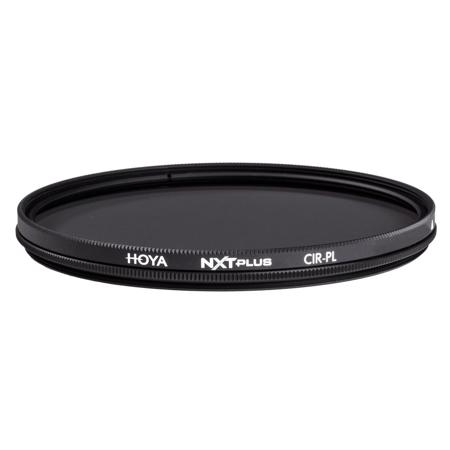
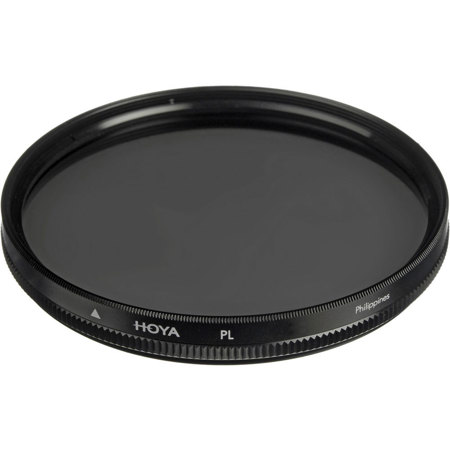
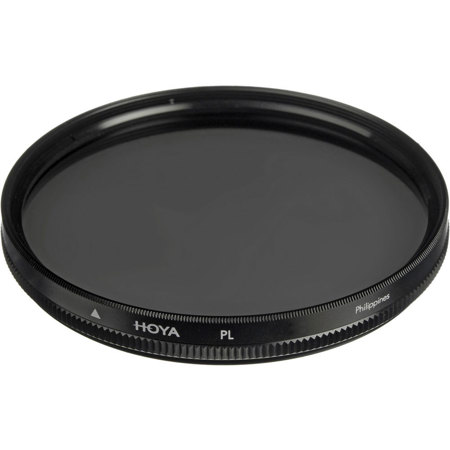
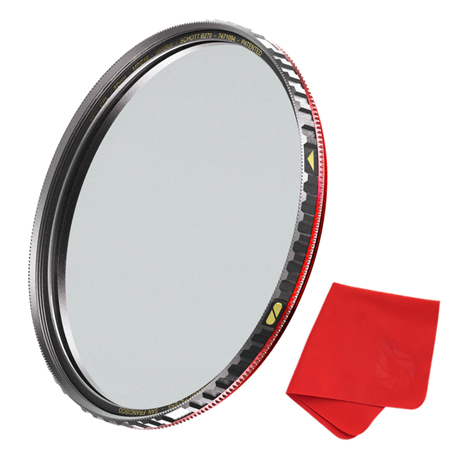
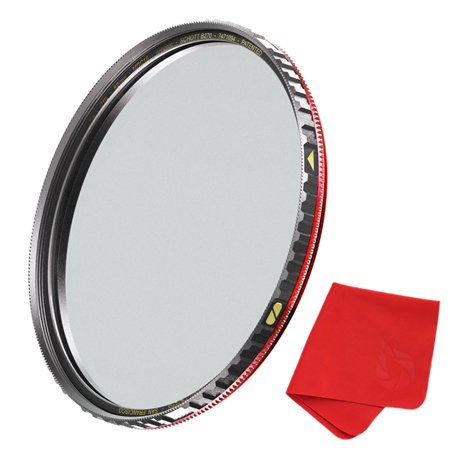
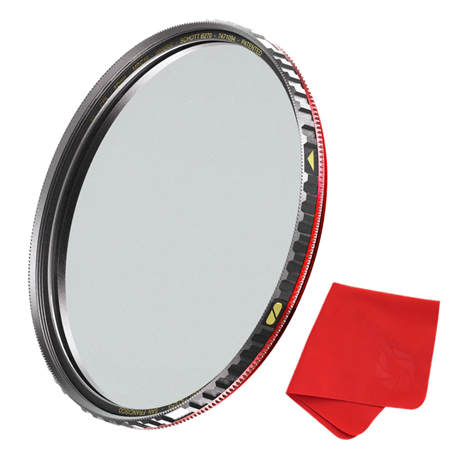
Architectural photography is a discipline where precision, patience, and technical mastery come together to capture the character and story of the built environment. Whether you’re photographing the sweeping lines of a modern skyscraper against a winter sky or the intricate details of heritage facades bathed in crisp January light, the right filters can make all the difference in your final image. Filters tailored for architectural photography are designed to address common challenges such as glare, harsh contrasts between sky and structure, and the need for nuanced color and tonal control. Circular polarizers are an indispensable tool, especially when working outdoors. They help reduce unwanted reflections on glass windows, polished stone, and even wet pavement—elements that are abundant in urban landscapes. By rotating the filter, you can fine-tune the effect, deepening blue skies and making clouds stand out with dramatic clarity, all while preserving the integrity of the building’s lines and materials. For interiors, these filters can tame reflections on glossy surfaces and bring out the richness in wood, tile, or metal finishes, making them just as valuable for those who specialize in real estate or interior design photography.
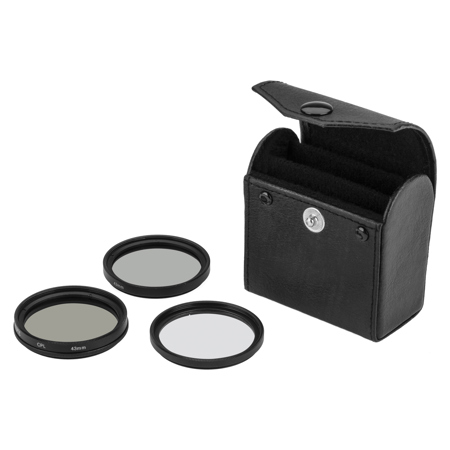
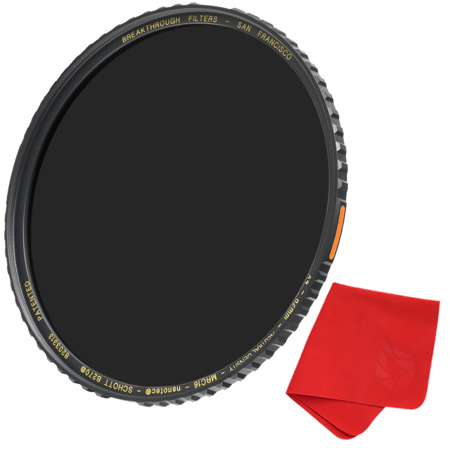
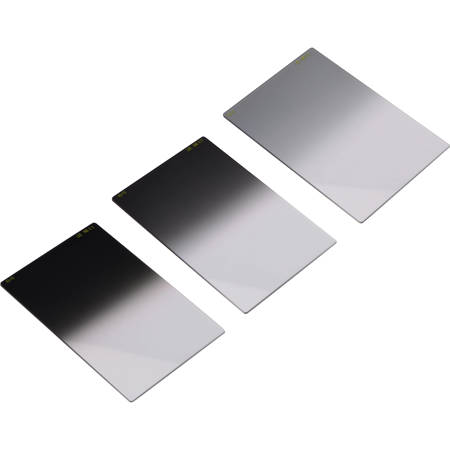
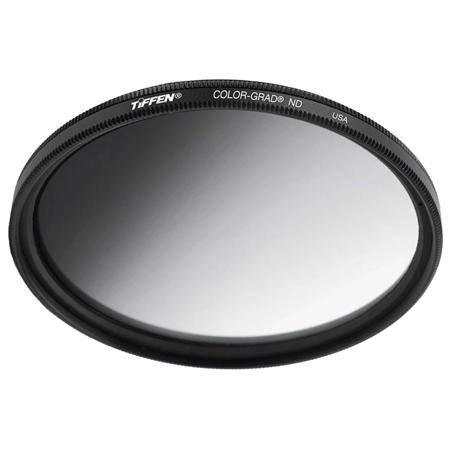
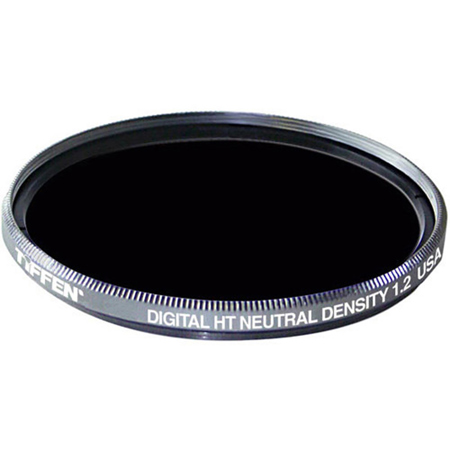
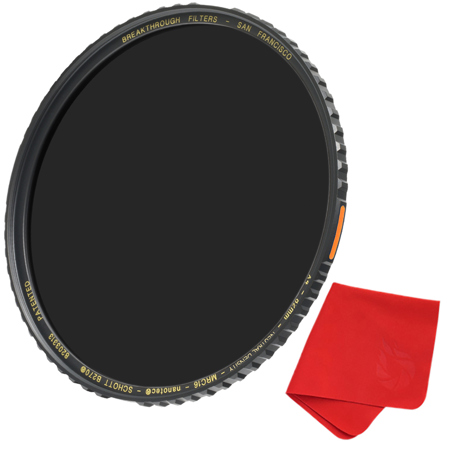
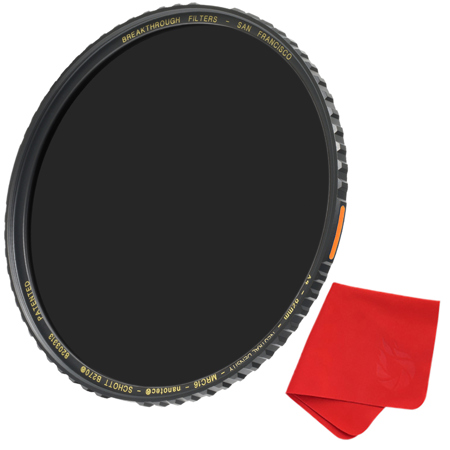
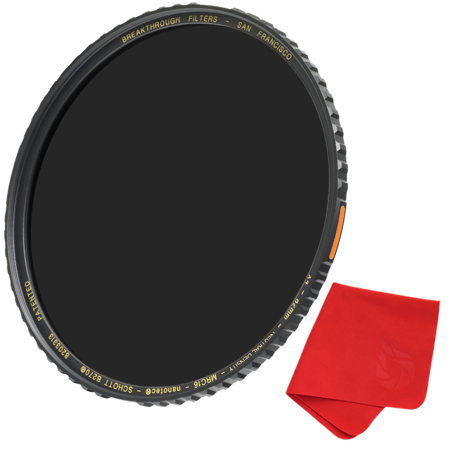
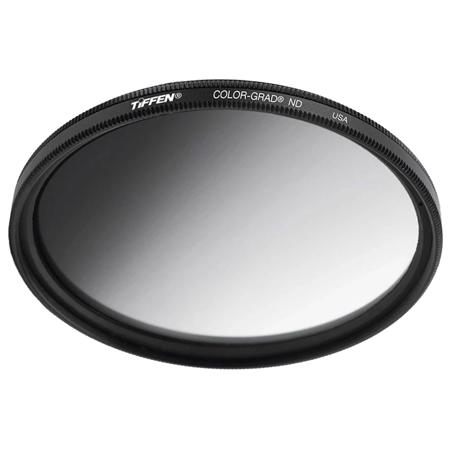
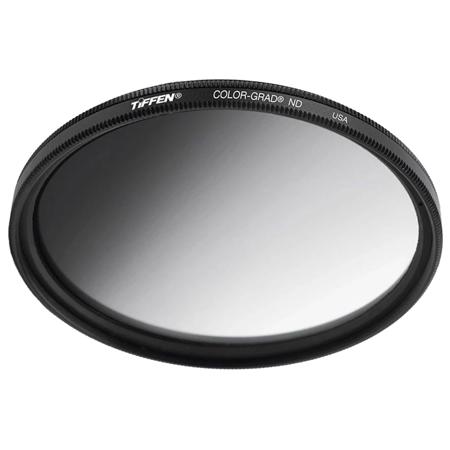
Neutral density filters, particularly graduated ND (GND) types, are another essential for architectural photographers who often contend with high-contrast scenes. Picture a historic building backlit by a bright winter sun or a cityscape at dusk where the sky is ablaze with color while the street level falls into shadow. A graduated ND filter, with its seamless transition from dark to clear, allows you to balance exposure between sky and structure, preserving detail in both highlights and shadows without resorting to heavy post-processing. Full ND filters are less common in traditional architectural work but come into their own for creative long exposures—think of smoothing out the water in a fountain in front of a civic building or blurring passing crowds to emphasize the permanence of the architecture. Square filter systems offer versatility for those who want to stack multiple filters, such as a CPL and a GND, giving you even greater creative control and precision. These systems are particularly popular among professionals who need to adapt quickly to changing light conditions or who want to experiment with different looks on the same subject.
Choosing the right filter system is a matter of matching your workflow, lens preferences, and the environments you most often shoot in. High-quality filters are a wise investment; they preserve sharpness and color fidelity, ensuring your images do justice to the artistry of the architecture itself. Filters for architectural photography are a thoughtful gift for anyone passionate about buildings, whether they’re an aspiring photographer, a seasoned pro, or even an architect who enjoys documenting their own work. They’re also a practical addition for travelers who want to capture iconic cityscapes or for students building a portfolio of urban studies. As the days are short and the light is low in January, filters can help you make the most of every shooting opportunity, from golden hour glow on a city skyline to the subtle interplay of indoor lighting in a grand atrium. For those venturing indoors, be sure to explore our curated selection of Filters For Indoor Photography to further expand your creative toolkit. With the right filters at your fingertips, every building becomes a canvas, and every photograph an opportunity to reveal the hidden beauty of the spaces that shape our world.
Neutral density filters, particularly graduated ND (GND) types, are another essential for architectural photographers who often contend with high-contrast scenes. Picture a historic building backlit by a bright winter sun or a cityscape at dusk where the sky is ablaze with color while the street level falls into shadow. A graduated ND filter, with its seamless transition from dark to clear, allows you to balance exposure between sky and structure, preserving detail in both highlights and shadows without resorting to heavy post-processing. Full ND filters are less common in traditional architectural work but come into their own for creative long exposures—think of smoothing out the water in a fountain in front of a civic building or blurring passing crowds to emphasize the permanence of the architecture. Square filter systems offer versatility for those who want to stack multiple filters, such as a CPL and a GND, giving you even greater creative control and precision. These systems are particularly popular among professionals who need to adapt quickly to changing light conditions or who want to experiment with different looks on the same subject.
Choosing the right filter system is a matter of matching your workflow, lens preferences, and the environments you most often shoot in. High-quality filters are a wise investment; they preserve sharpness and color fidelity, ensuring your images do justice to the artistry of the architecture itself. Filters for architectural photography are a thoughtful gift for anyone passionate about buildings, whether they’re an aspiring photographer, a seasoned pro, or even an architect who enjoys documenting their own work. They’re also a practical addition for travelers who want to capture iconic cityscapes or for students building a portfolio of urban studies. As the days are short and the light is low in January, filters can help you make the most of every shooting opportunity, from golden hour glow on a city skyline to the subtle interplay of indoor lighting in a grand atrium. For those venturing indoors, be sure to explore our curated selection of Filters For Indoor Photography to further expand your creative toolkit. With the right filters at your fingertips, every building becomes a canvas, and every photograph an opportunity to reveal the hidden beauty of the spaces that shape our world.