

Firewire Interfaces
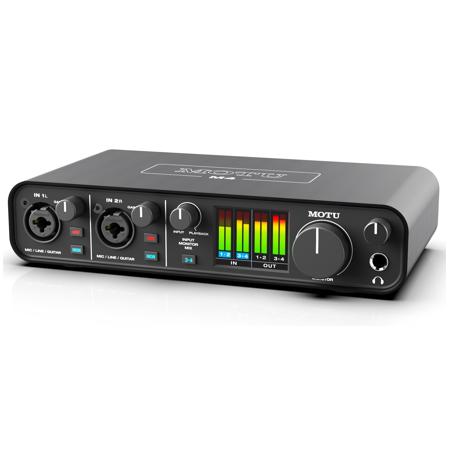
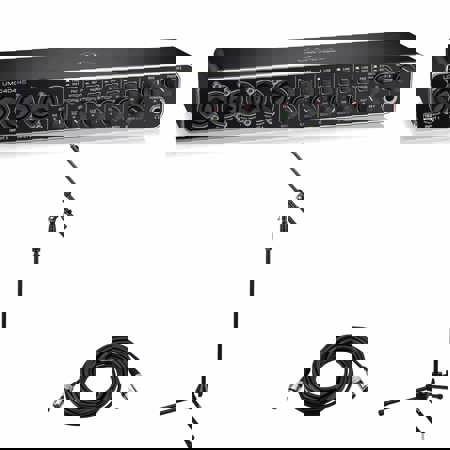
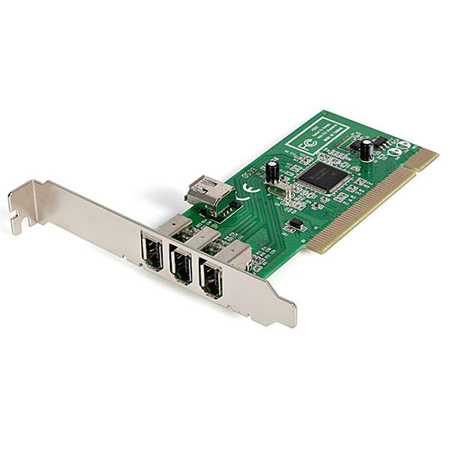
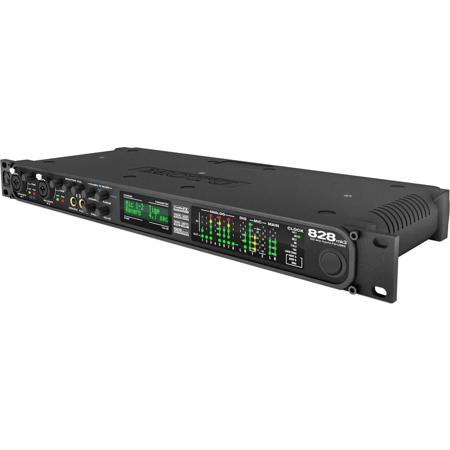
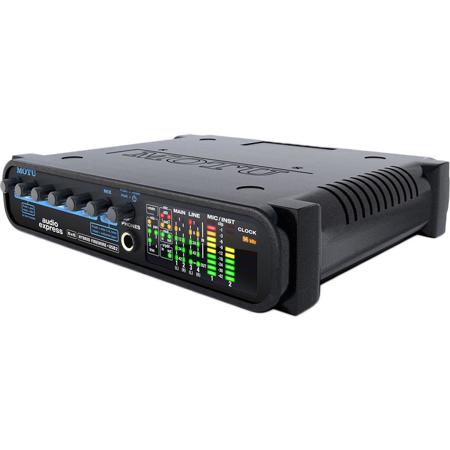
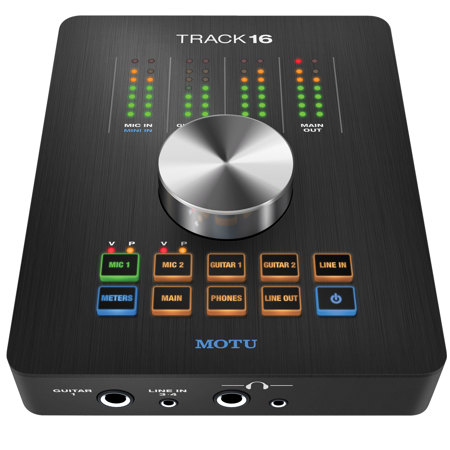
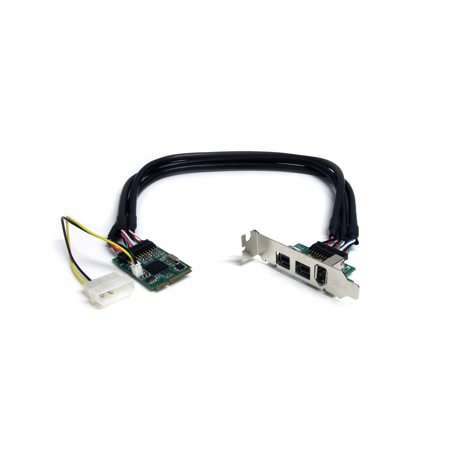
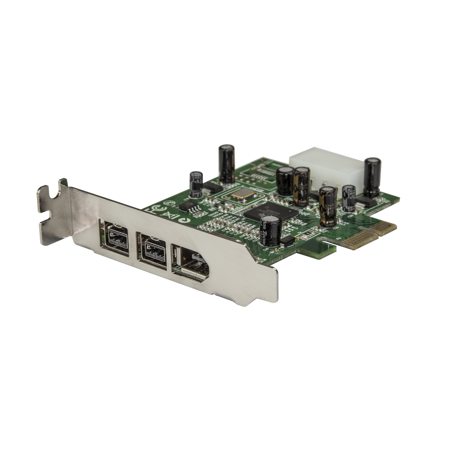
For musicians, producers, and audio engineers, firewire interfaces have long been a trusted solution for connecting professional studio equipment to computers with reliable speed and stable performance. These interfaces, recognized for their low-latency audio transmission and robust data handling, are especially valued in studios where multitrack recording and high-fidelity sound are non-negotiable. Whether you’re tracking a full band, capturing the nuance of a solo instrument, or working on detailed post-production, firewire interfaces offer the connectivity and sound quality that discerning creators demand. As the weather warms and creative projects shift from inspiration to execution, many find themselves refreshing their home studios or upgrading their mobile rigs for on-location recording. Firewire interfaces are a thoughtful gift for the dedicated musician, aspiring podcaster, or audio enthusiast who appreciates the craftsmanship of analog gear but needs the precision and flexibility of digital recording. Their proven reliability makes them a staple in many established studios, while their straightforward setup appeals to those just beginning their journey into high-quality audio production.
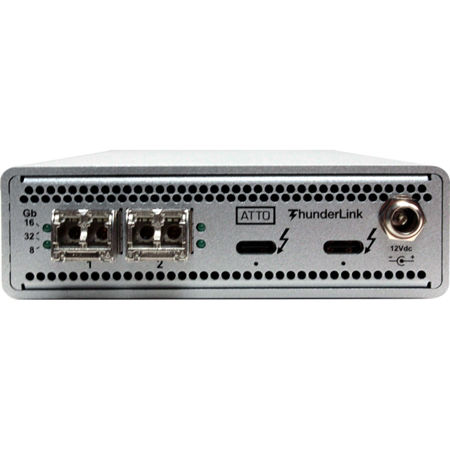
When considering which firewire interface is right for your needs, it’s important to assess the scale and scope of your recording projects. Look for interfaces with the right balance of input and output options, ensuring compatibility with microphones, instruments, and outboard gear you already own or plan to acquire. Pay close attention to preamp quality, as this can significantly influence the warmth and clarity of your recordings, especially when working with vocals or acoustic instruments. The type of conversion—how the interface translates analog signals into digital data—also plays a crucial role in preserving the integrity of your sound. Many professionals appreciate firewire interfaces for their ability to handle multiple channels simultaneously without sacrificing audio quality, making them ideal for live sessions, ensemble recordings, or complex mixing tasks. As technology evolves and computer connections diversify, some users may also wish to explore newer protocols for future-proofing their setups. For those interested in alternative connectivity options with even greater bandwidth and lower latency, exploring Thunderbolt Audio Interfaces can open up additional possibilities for integrating state-of-the-art audio gear into your workflow.
Throughout the summer and into the cooler months, creative energy often finds new outlets—be it collaborating with friends in a sunlit rehearsal space, capturing the ambiance of outdoor performances, or refining studio projects in anticipation of fall releases. Firewire interfaces continue to serve as a reliable bridge between inspiration and finished work, supporting both spontaneous creativity and meticulous production. They are as useful for seasoned professionals engineering complex sessions as they are for passionate hobbyists laying down their first tracks. With their combination of speed, stability, and audio fidelity, firewire interfaces remain a valuable asset for anyone committed to producing music, podcasts, or multimedia projects that stand out for their sonic excellence.
When considering which firewire interface is right for your needs, it’s important to assess the scale and scope of your recording projects. Look for interfaces with the right balance of input and output options, ensuring compatibility with microphones, instruments, and outboard gear you already own or plan to acquire. Pay close attention to preamp quality, as this can significantly influence the warmth and clarity of your recordings, especially when working with vocals or acoustic instruments. The type of conversion—how the interface translates analog signals into digital data—also plays a crucial role in preserving the integrity of your sound. Many professionals appreciate firewire interfaces for their ability to handle multiple channels simultaneously without sacrificing audio quality, making them ideal for live sessions, ensemble recordings, or complex mixing tasks. As technology evolves and computer connections diversify, some users may also wish to explore newer protocols for future-proofing their setups. For those interested in alternative connectivity options with even greater bandwidth and lower latency, exploring Thunderbolt Audio Interfaces can open up additional possibilities for integrating state-of-the-art audio gear into your workflow.
Throughout the summer and into the cooler months, creative energy often finds new outlets—be it collaborating with friends in a sunlit rehearsal space, capturing the ambiance of outdoor performances, or refining studio projects in anticipation of fall releases. Firewire interfaces continue to serve as a reliable bridge between inspiration and finished work, supporting both spontaneous creativity and meticulous production. They are as useful for seasoned professionals engineering complex sessions as they are for passionate hobbyists laying down their first tracks. With their combination of speed, stability, and audio fidelity, firewire interfaces remain a valuable asset for anyone committed to producing music, podcasts, or multimedia projects that stand out for their sonic excellence.