
Flat Field Lenses
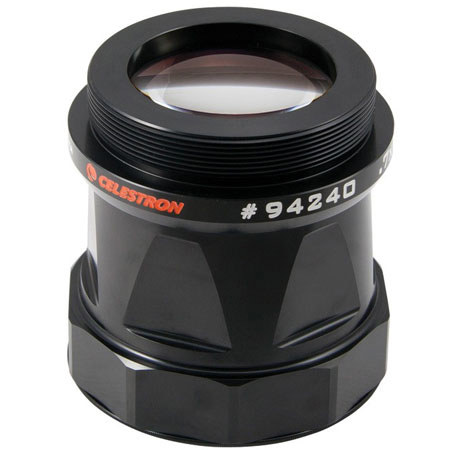
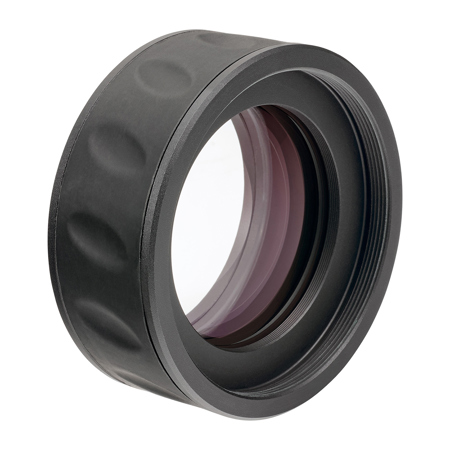
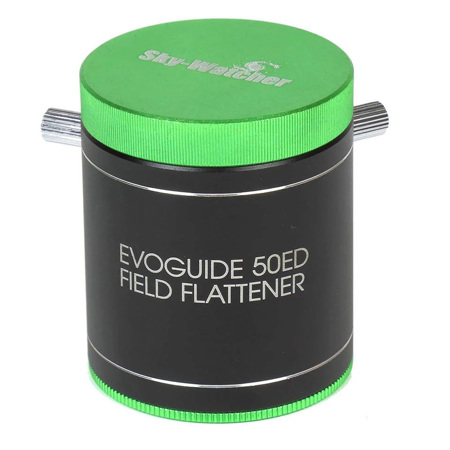
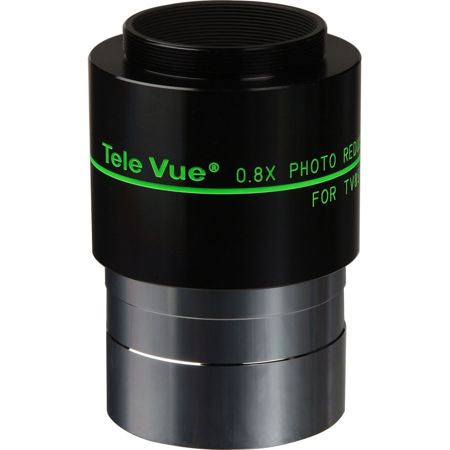
Flat field lenses are a cornerstone of precision imaging for professionals and enthusiasts who demand absolute sharpness and clarity across the entire frame. Unlike traditional lens designs that often introduce field curvature—resulting in images that are sharp in the center but soft at the edges—flat field lenses are engineered to deliver consistent focus from corner to corner. This optical advantage makes them indispensable for a wide range of applications where accuracy and detail are paramount. Artists, archivists, and photographers who specialize in digitizing artwork, scanning film, or copying important documents rely on flat field lenses to ensure that every detail is faithfully rendered, whether they’re working in the controlled environment of a studio or setting up a portable copy stand during the warmer months for on-location work. The ability to maintain perfect focus across a flat plane is also critical for macro photography, where depth of field can be razor-thin. With a flat field lens, macro shooters can create intricate focus-stacked images that align perfectly without distortion or edge softness—a crucial benefit for capturing the delicate textures of insects, flowers, coins, or stamps.
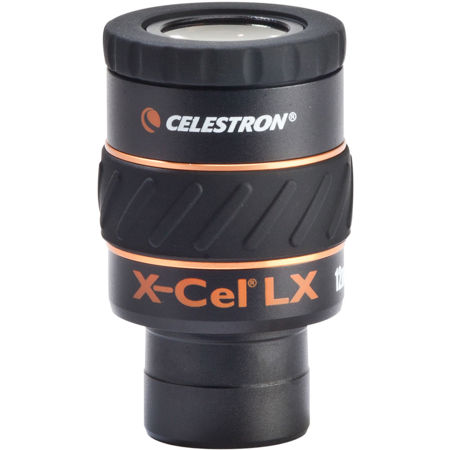
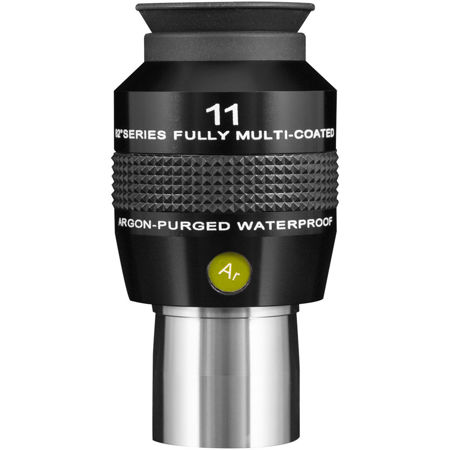
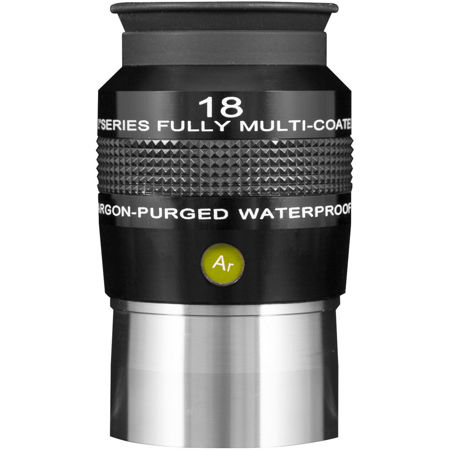
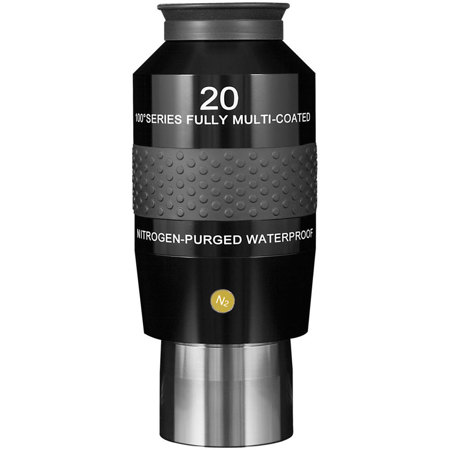
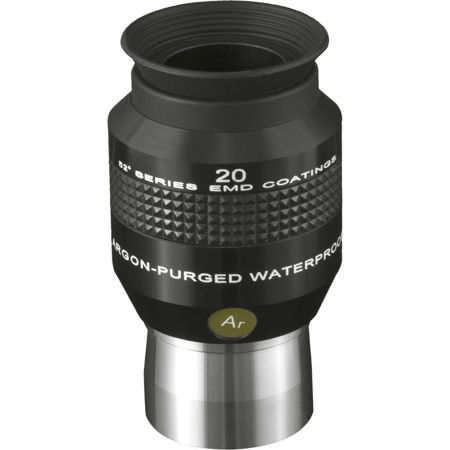
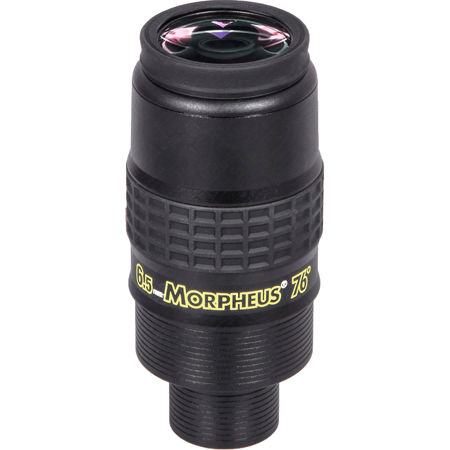
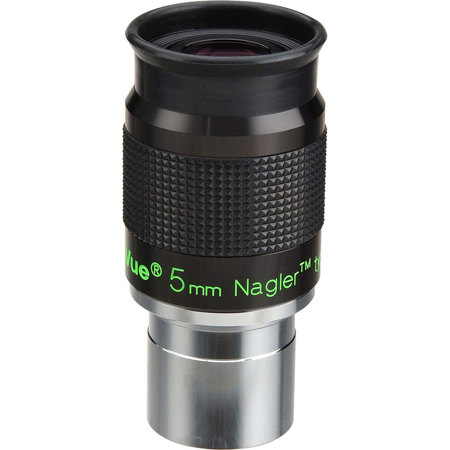
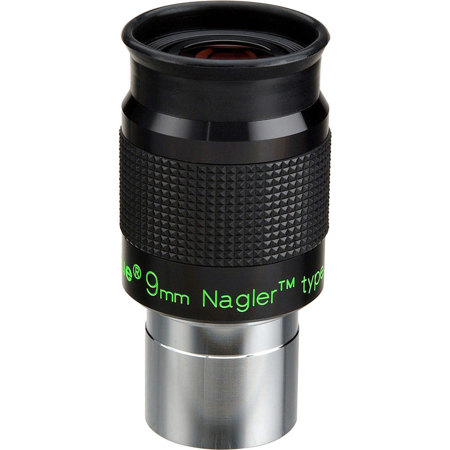
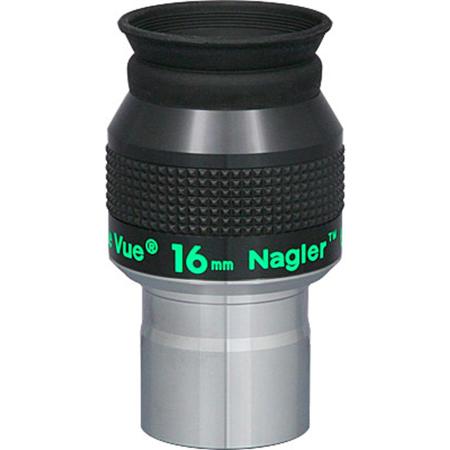
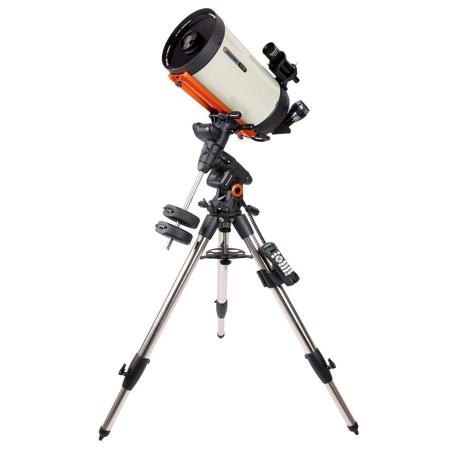
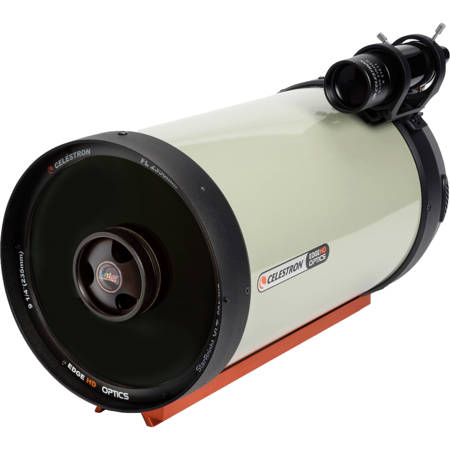
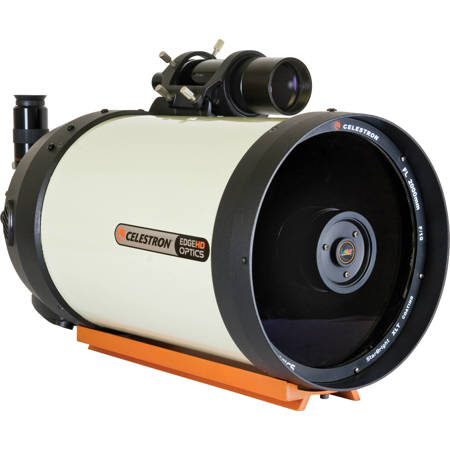
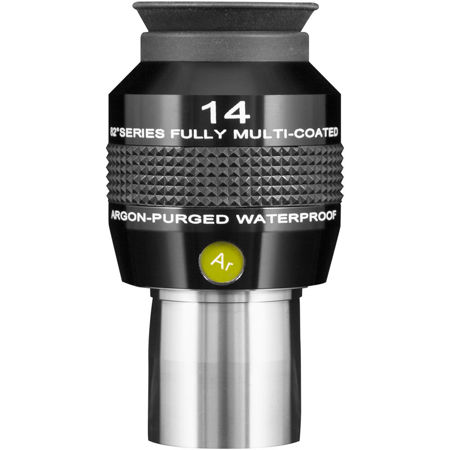
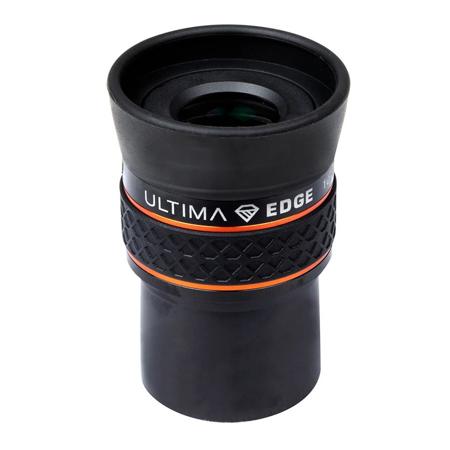
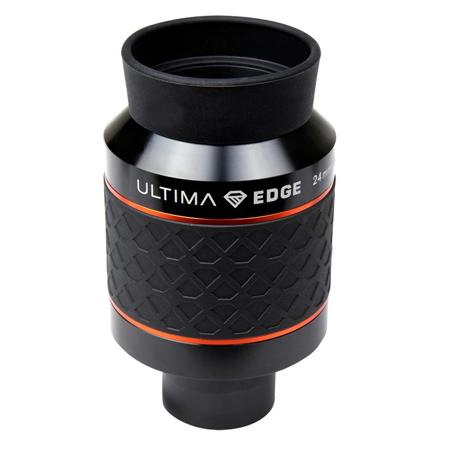
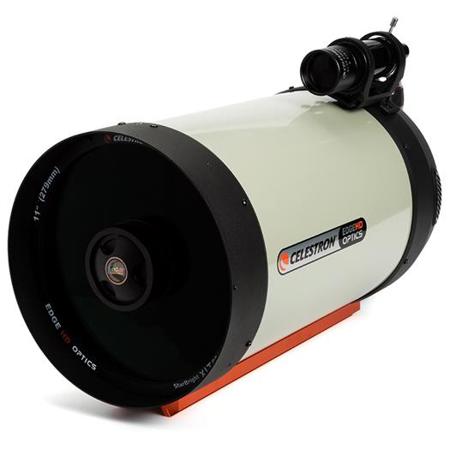
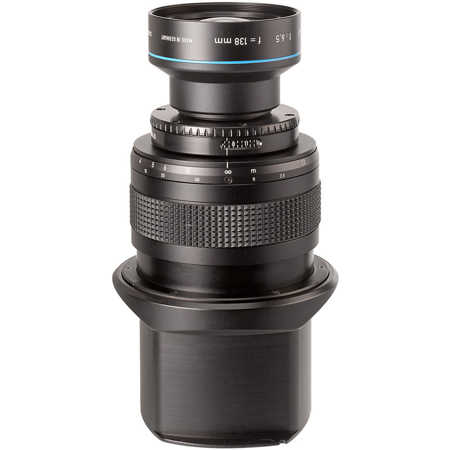
Flat field lenses are also a thoughtful gift for anyone passionate about the technical side of photography or imaging science. They are especially valued by educators, researchers, and hobbyists who engage in microscopy or telescope work, since many objectives and eyepieces are built with flat-field designs to provide clear, undistorted views of flat slides or the expansive night sky. For those setting up a home darkroom or experimenting with analog processes, traditional enlarger lenses often use flat field optics to ensure that negatives are projected sharply onto photographic paper. As the seasons shift from the bright days of summer to the crisp evenings of early fall, these lenses become essential tools for documenting artwork, preparing portfolio images, or capturing the fleeting details of nature’s transitions. Investing in a flat field lens means choosing a tool that supports critical reproduction, whether you’re digitizing family heirlooms, archiving historical documents, or exploring the world of extreme close-ups. For those interested in astronomy or scientific imaging, exploring specialized optics like Telescope Lenses can further expand creative and technical possibilities, ensuring every celestial or microscopic detail is brought into sharp relief.
Selecting the right flat field lens involves considering the intended use, sensor size, and desired magnification. Photographers who focus on macro or copy work will benefit from lenses that offer true 1:1 reproduction and minimal distortion, while those engaged in scientific or archival imaging may prioritize compatibility with specialized mounts or lighting setups. The robust construction and optical precision of these lenses make them a lasting addition to any imaging kit, supporting both professional workflows and personal projects throughout the year. Whether you are setting up to capture the vibrant details of summer botanicals or preparing to archive important documents as the days grow cooler, a flat field lens ensures your results are consistently sharp, accurate, and true to life.
Flat field lenses are also a thoughtful gift for anyone passionate about the technical side of photography or imaging science. They are especially valued by educators, researchers, and hobbyists who engage in microscopy or telescope work, since many objectives and eyepieces are built with flat-field designs to provide clear, undistorted views of flat slides or the expansive night sky. For those setting up a home darkroom or experimenting with analog processes, traditional enlarger lenses often use flat field optics to ensure that negatives are projected sharply onto photographic paper. As the seasons shift from the bright days of summer to the crisp evenings of early fall, these lenses become essential tools for documenting artwork, preparing portfolio images, or capturing the fleeting details of nature’s transitions. Investing in a flat field lens means choosing a tool that supports critical reproduction, whether you’re digitizing family heirlooms, archiving historical documents, or exploring the world of extreme close-ups. For those interested in astronomy or scientific imaging, exploring specialized optics like Telescope Lenses can further expand creative and technical possibilities, ensuring every celestial or microscopic detail is brought into sharp relief.
Selecting the right flat field lens involves considering the intended use, sensor size, and desired magnification. Photographers who focus on macro or copy work will benefit from lenses that offer true 1:1 reproduction and minimal distortion, while those engaged in scientific or archival imaging may prioritize compatibility with specialized mounts or lighting setups. The robust construction and optical precision of these lenses make them a lasting addition to any imaging kit, supporting both professional workflows and personal projects throughout the year. Whether you are setting up to capture the vibrant details of summer botanicals or preparing to archive important documents as the days grow cooler, a flat field lens ensures your results are consistently sharp, accurate, and true to life.