Gimbal Lenses
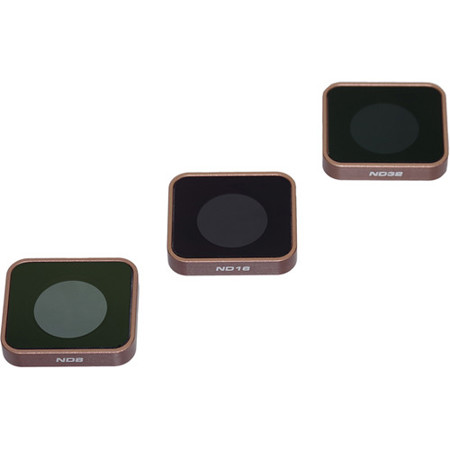
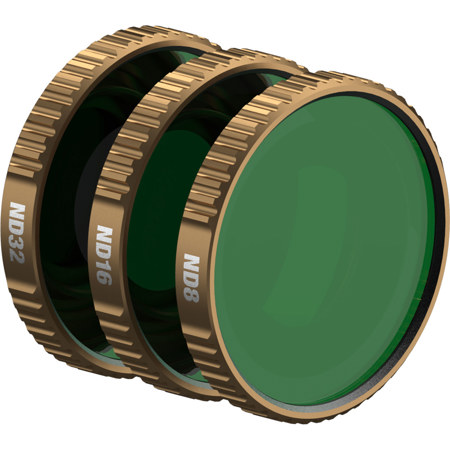
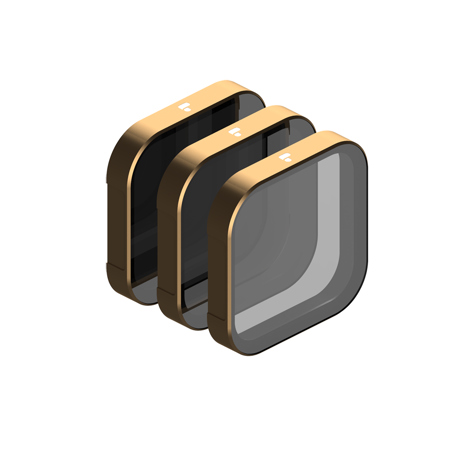
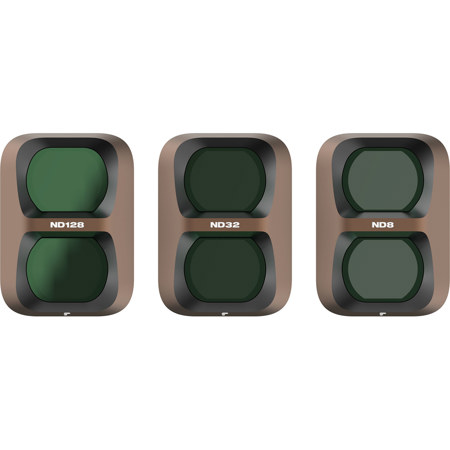
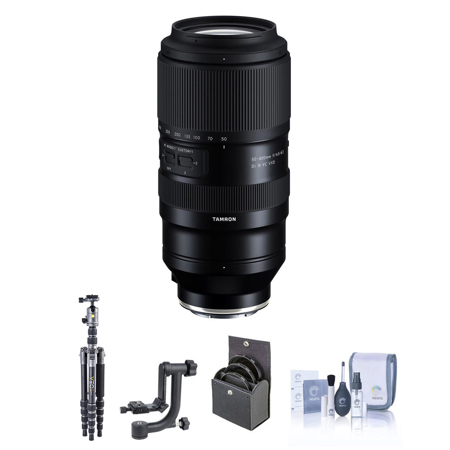
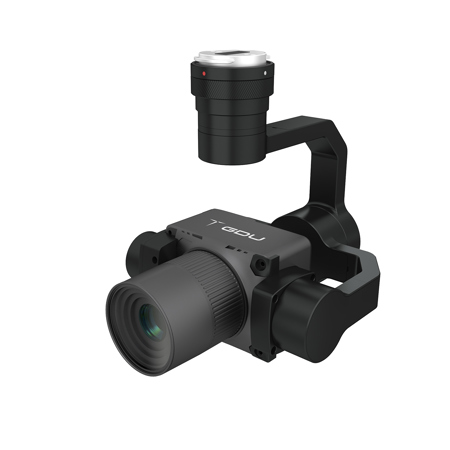
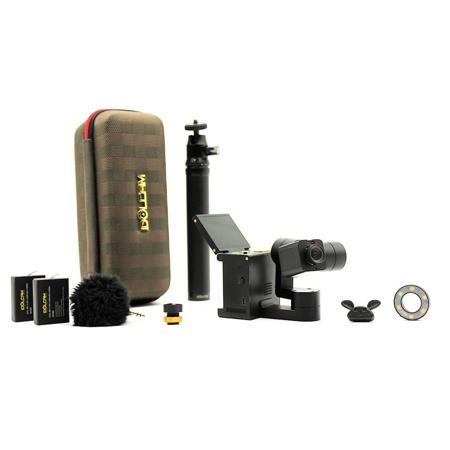
Capturing smooth, cinematic footage with a handheld gimbal relies as much on the lens you choose as it does on the stabilization technology itself. Gimbal lenses are designed to complement the unique demands of gimbal-mounted shooting, offering features that make balancing easier and performance more reliable. Whether you’re a professional filmmaker, a wedding videographer, a real estate content creator, or an enthusiast looking to elevate your travel vlogs during the warm days of summer and the golden hours of early fall, selecting the right gimbal lens can make all the difference. These lenses are typically lightweight and compact, which helps maintain the delicate balance required for optimal stabilization. Internal zoom and focus mechanisms are especially valued because they prevent the lens barrel from extending, which can throw off the gimbal’s center of gravity and require frequent rebalancing. Fast apertures are another sought-after feature, allowing you to shoot in changing light conditions—from midday sun to dusky autumn evenings—and achieve beautiful background separation for a cinematic look.
The versatility of gimbal lenses makes them an excellent gift for both budding and seasoned videographers. Imagine a friend or family member who loves capturing the vibrant energy of summer festivals, the architectural beauty of open houses, or the spontaneous moments of a weekend adventure. A thoughtfully chosen gimbal lens can empower them to create professional-looking footage with ease, even while on the move. Wide-angle options are favored for sweeping landscape shots, immersive real estate walkthroughs, or dynamic action scenes, while standard focal lengths provide a natural perspective perfect for storytelling and interviews. Prime lenses are especially popular for gimbal use due to their compact size and large apertures, which make them easy to balance and ideal for handheld shooting across a variety of scenarios. Meanwhile, zoom lenses with internal zoom mechanisms offer the flexibility to change framing on the fly without the hassle of rebalancing—a crucial advantage during fast-paced shoots or when capturing unpredictable events as the seasons shift.
For those who frequently transition between different shooting setups, such as from gimbal to tripod, it’s worth exploring lens options that perform well across both platforms. While gimbal lenses are optimized for motion, some also shine in static setups, making them a smart investment for creators who value flexibility. If you’re interested in exploring lenses specifically suited for tripod use, you can visit our dedicated page on Tripod Lenses for more options. As you select a gimbal lens, consider factors such as autofocus performance, weight, and the type of content you plan to produce. Accessories like counterweight systems can also streamline your workflow, especially if you plan to swap lenses frequently during a shoot. With the right combination of gear, you’ll be prepared to capture everything from sunlit outdoor adventures to cozy indoor gatherings, ensuring your footage remains steady, sharp, and visually compelling throughout the changing seasons.
The versatility of gimbal lenses makes them an excellent gift for both budding and seasoned videographers. Imagine a friend or family member who loves capturing the vibrant energy of summer festivals, the architectural beauty of open houses, or the spontaneous moments of a weekend adventure. A thoughtfully chosen gimbal lens can empower them to create professional-looking footage with ease, even while on the move. Wide-angle options are favored for sweeping landscape shots, immersive real estate walkthroughs, or dynamic action scenes, while standard focal lengths provide a natural perspective perfect for storytelling and interviews. Prime lenses are especially popular for gimbal use due to their compact size and large apertures, which make them easy to balance and ideal for handheld shooting across a variety of scenarios. Meanwhile, zoom lenses with internal zoom mechanisms offer the flexibility to change framing on the fly without the hassle of rebalancing—a crucial advantage during fast-paced shoots or when capturing unpredictable events as the seasons shift.
For those who frequently transition between different shooting setups, such as from gimbal to tripod, it’s worth exploring lens options that perform well across both platforms. While gimbal lenses are optimized for motion, some also shine in static setups, making them a smart investment for creators who value flexibility. If you’re interested in exploring lenses specifically suited for tripod use, you can visit our dedicated page on Tripod Lenses for more options. As you select a gimbal lens, consider factors such as autofocus performance, weight, and the type of content you plan to produce. Accessories like counterweight systems can also streamline your workflow, especially if you plan to swap lenses frequently during a shoot. With the right combination of gear, you’ll be prepared to capture everything from sunlit outdoor adventures to cozy indoor gatherings, ensuring your footage remains steady, sharp, and visually compelling throughout the changing seasons.