
Tilt Lenses
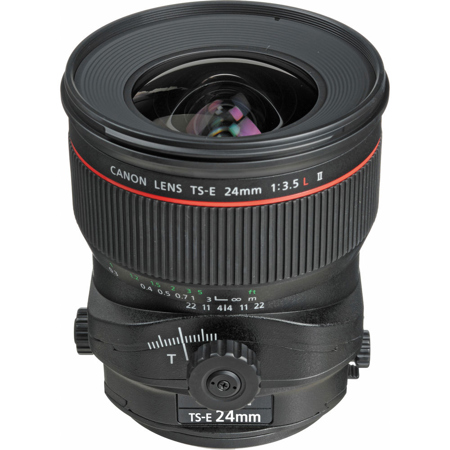
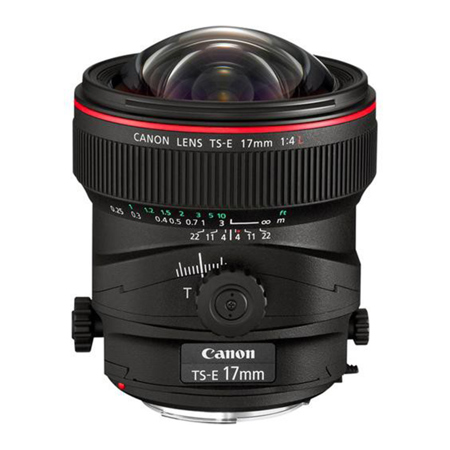
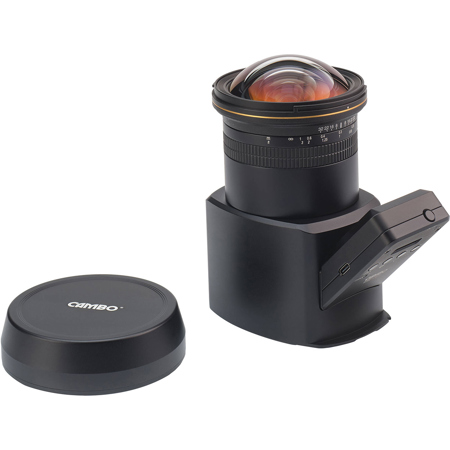
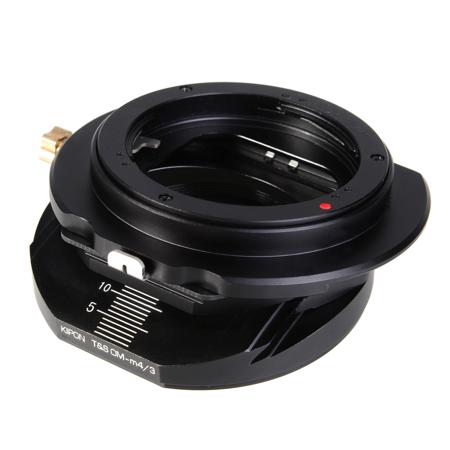
Tilt lenses are a specialized tool beloved by photographers and filmmakers who want to push creative boundaries or solve technical challenges that standard lenses can’t address. By allowing you to angle the lens relative to the camera’s sensor, tilt lenses make it possible to manipulate the plane of focus in ways that open up unique artistic and practical possibilities. This is based on the Scheimpflug principle, which lets you pivot the zone of sharpness to precisely align with subjects that aren’t parallel to the camera—think of photographing a rustic wooden fence stretching into the distance, a banquet table laden with summer fruits and flowers, or a row of vintage cars at a classic auto show. With a tilt lens, you can keep all those elements tack-sharp from foreground to background without stopping down to a tiny aperture, which is especially useful in lower light or when you want to maintain a creamy bokeh outside the focus plane. On the other hand, tilt lenses are also famous for their ability to create a miniature “toy town” effect by limiting the focal plane to a razor-thin slice of the image, making real-life cityscapes or landscapes appear like scale models—a playful technique that’s captured imaginations from travel bloggers to commercial advertisers.
Choosing a tilt lens involves considering your specific photographic goals and the kinds of scenes you most often shoot. Landscape and architectural photographers appreciate tilt lenses for their ability to achieve deep focus across uneven scenes, especially during the golden hours of early summer or the softer light of early fall. Macro photographers use tilt to overcome shallow depth of field and ensure that entire products, flowers, or insects are rendered in sharp detail from edge to edge. Portrait artists might experiment with selective focus, isolating a subject’s eyes while letting the rest of the frame melt into softness, adding an ethereal quality to graduation, engagement, or family portraits taken outdoors as the weather warms. Filmmakers and content creators, meanwhile, employ tilt lenses to add dreamlike focus transitions or to guide the viewer’s attention in a scene, especially when shooting in bustling urban environments or vibrant seasonal festivals. Most tilt lenses are manual focus, encouraging a slower, more deliberate approach that rewards patience and a careful eye for composition. They’re a thoughtful gift for any photographer who loves to experiment or is looking to master advanced techniques—whether it’s a hobbyist eager to try new creative effects over the summer or a professional seeking more control in commercial shoots.
While tilt lenses are often paired with shift functionality for architectural work, it’s important to remember that tilt and shift serve distinct purposes. Tilt manipulates the angle of focus, while shift moves the lens parallel to the sensor to correct perspective distortions—such as keeping tall buildings perfectly straight without tilting the camera. If your creative or professional needs extend to correcting converging lines or shooting panoramic stitches, you might also be interested in exploring our selection of Shift Lenses for a complementary set of tools. Whether you’re capturing the lush greens of a summer landscape, the intricate details of fall harvest displays, or the lively atmosphere of open-air markets, tilt lenses offer a distinctive way to control your image’s focus and storytelling. With practice, they become an extension of your vision, letting you render scenes in ways that are both technically precise and visually compelling.
Choosing a tilt lens involves considering your specific photographic goals and the kinds of scenes you most often shoot. Landscape and architectural photographers appreciate tilt lenses for their ability to achieve deep focus across uneven scenes, especially during the golden hours of early summer or the softer light of early fall. Macro photographers use tilt to overcome shallow depth of field and ensure that entire products, flowers, or insects are rendered in sharp detail from edge to edge. Portrait artists might experiment with selective focus, isolating a subject’s eyes while letting the rest of the frame melt into softness, adding an ethereal quality to graduation, engagement, or family portraits taken outdoors as the weather warms. Filmmakers and content creators, meanwhile, employ tilt lenses to add dreamlike focus transitions or to guide the viewer’s attention in a scene, especially when shooting in bustling urban environments or vibrant seasonal festivals. Most tilt lenses are manual focus, encouraging a slower, more deliberate approach that rewards patience and a careful eye for composition. They’re a thoughtful gift for any photographer who loves to experiment or is looking to master advanced techniques—whether it’s a hobbyist eager to try new creative effects over the summer or a professional seeking more control in commercial shoots.
While tilt lenses are often paired with shift functionality for architectural work, it’s important to remember that tilt and shift serve distinct purposes. Tilt manipulates the angle of focus, while shift moves the lens parallel to the sensor to correct perspective distortions—such as keeping tall buildings perfectly straight without tilting the camera. If your creative or professional needs extend to correcting converging lines or shooting panoramic stitches, you might also be interested in exploring our selection of Shift Lenses for a complementary set of tools. Whether you’re capturing the lush greens of a summer landscape, the intricate details of fall harvest displays, or the lively atmosphere of open-air markets, tilt lenses offer a distinctive way to control your image’s focus and storytelling. With practice, they become an extension of your vision, letting you render scenes in ways that are both technically precise and visually compelling.