
Guitar Overdrive Pedals
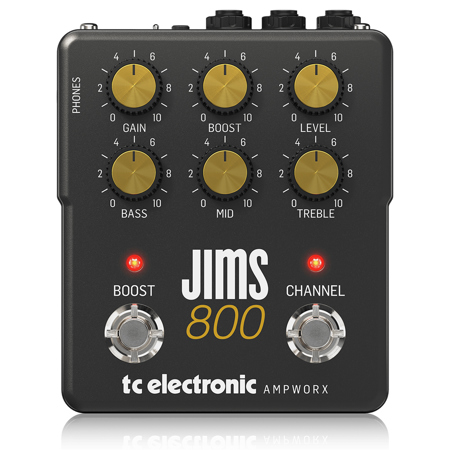
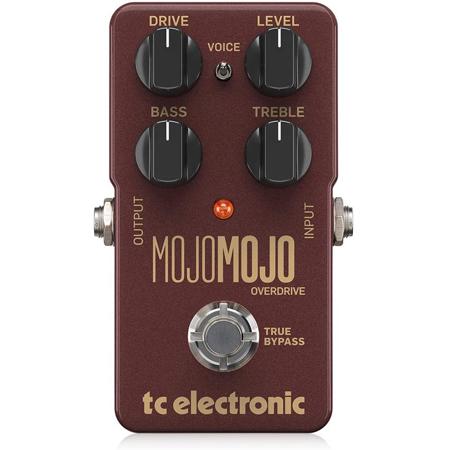
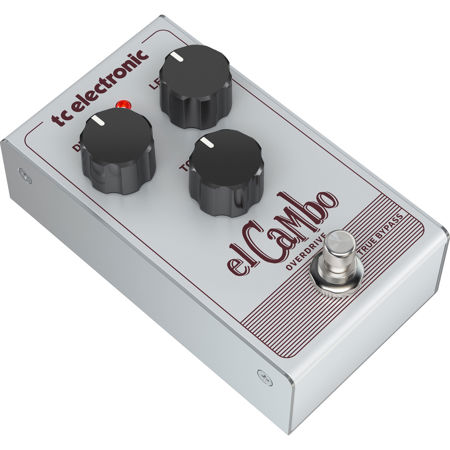
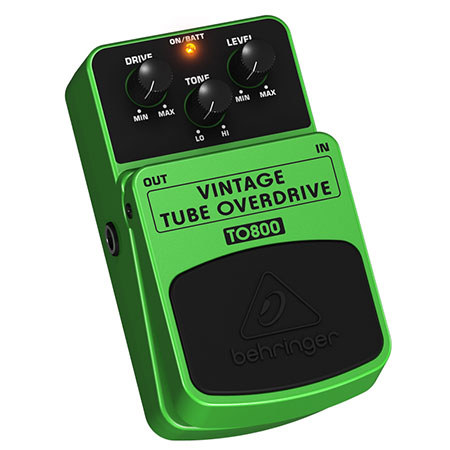
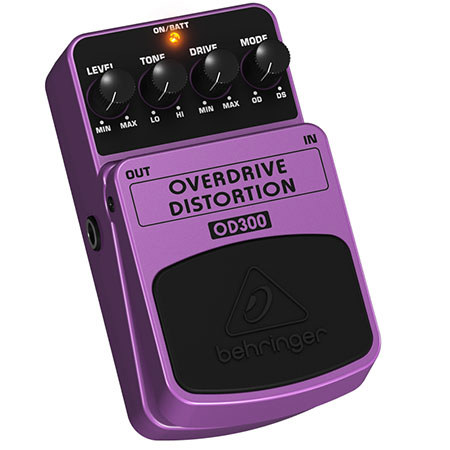
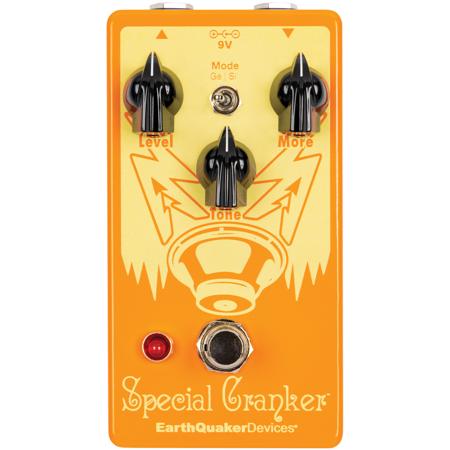
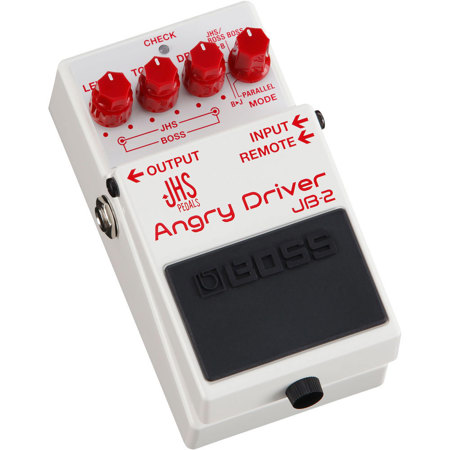
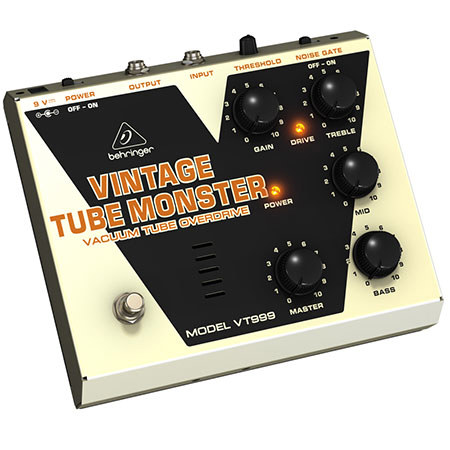
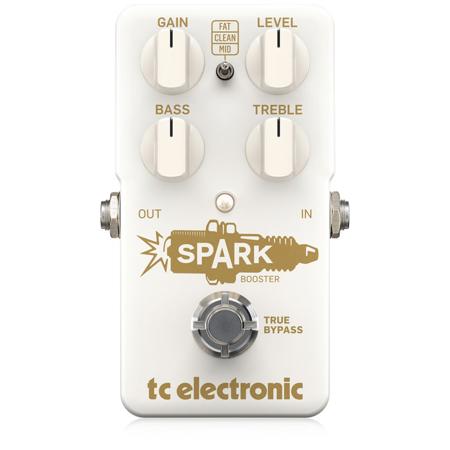
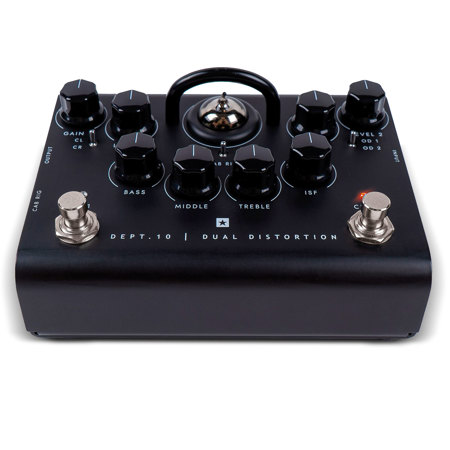
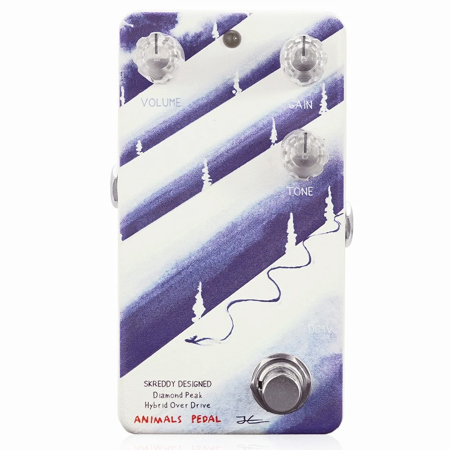
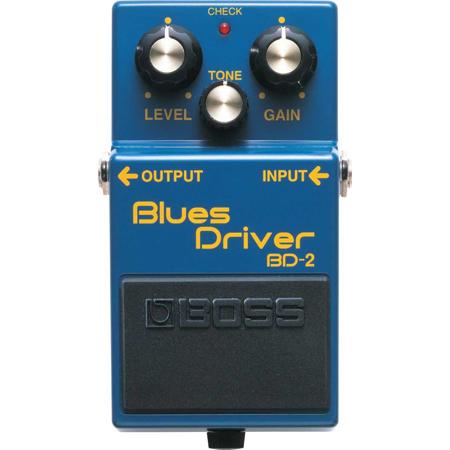
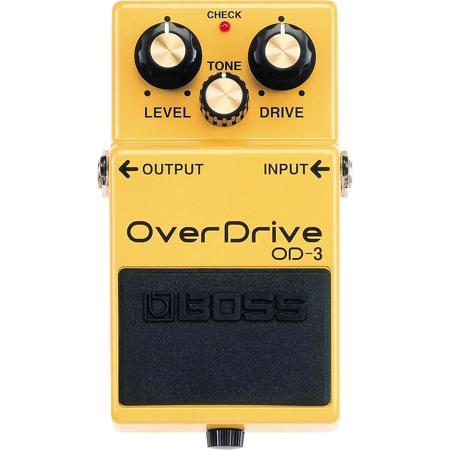
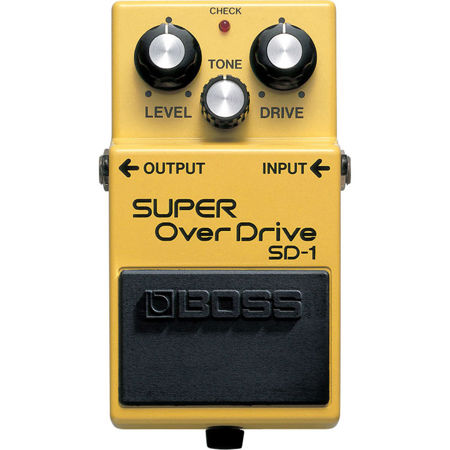
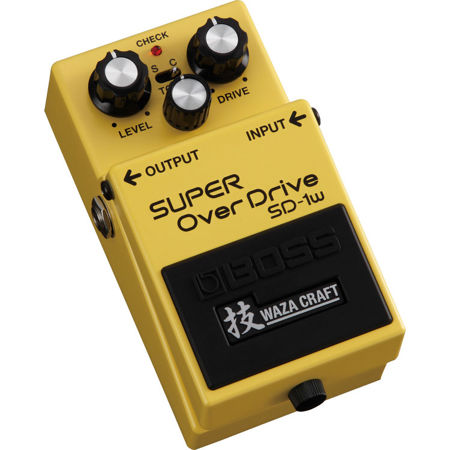
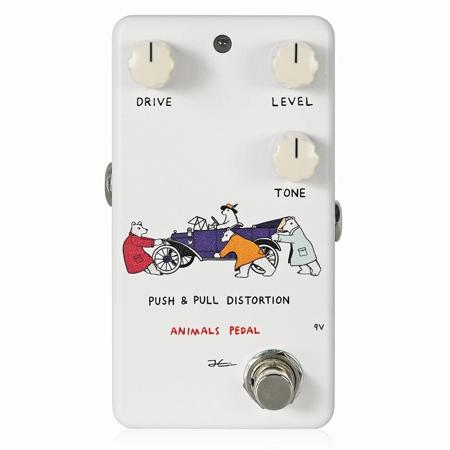
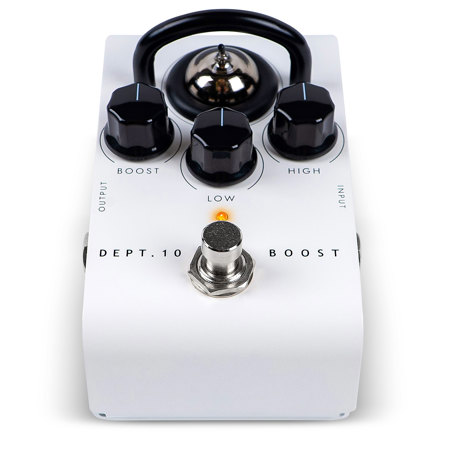
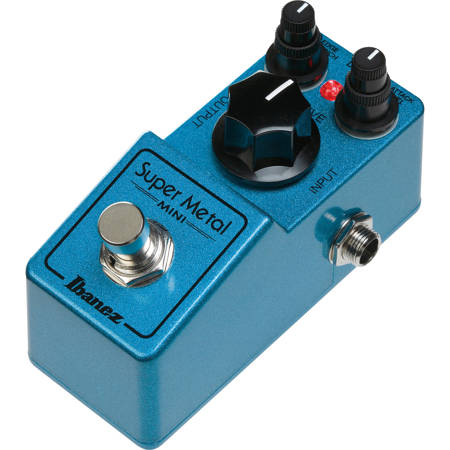
Guitar overdrive pedals have become an indispensable part of the modern guitarist’s toolkit, shaping the signature sounds of countless genres from blues and classic rock to punk and indie. These pedals are designed to replicate the warm, harmonically rich breakup of a tube amplifier pushed to its limits, all without the need to crank up the volume to ear-splitting levels. Whether you’re a seasoned musician chasing the creamy sustain of a vintage amp or a beginner eager to add expressive grit to your playing, overdrive pedals offer an accessible way to sculpt your tone. The heart of their appeal lies in their ability to add just the right amount of drive, from a subtle edge that makes chords shimmer to a full-bodied crunch perfect for soaring solos. With intuitive controls like Level, Drive, and Tone, players can fine-tune their sound, dialing in everything from a transparent boost that lets the guitar’s natural character shine through, to a midrange punch that helps solos cut through the mix. As winter lingers and inspiration strikes indoors, overdrive pedals invite experimentation—layering textures, stacking with other effects, or simply pushing an amp into new sonic territory.
Selecting the right overdrive pedal is as much about personal taste as it is about technical requirements. Some guitarists seek a pedal that acts as a transparent extension of their instrument, adding grit and sustain without coloring the original tone, while others look for a pedal that imparts its own unique character, such as a pronounced midrange hump or a touch of vintage warmth. The versatility of overdrive pedals makes them an excellent choice for a wide range of players: gigging professionals who need reliable, touch-sensitive response night after night; hobbyists looking to capture the sounds of their favorite records; and even studio musicians who rely on pedals for dynamic, responsive tracking. They also make thoughtful gifts—especially during the quieter months when musicians are often refining their setups and exploring new sounds in preparation for spring performances. For those building their first pedalboard, an overdrive pedal is often the cornerstone, providing a foundation upon which other effects can be layered. If you’re drawn to iconic tones that have defined decades of music, you might be interested in exploring our curated selection of Classic Overdrive Pedals, where you’ll find options that capture the essence of legendary sounds.
When integrating an overdrive pedal into your rig, consider how it will interact with your guitar, amplifier, and other effects. Placing it early in your signal chain can provide a responsive, touch-sensitive feel, while stacking it with other gain pedals opens up a world of tonal possibilities. Many players use overdrive pedals not just to add distortion, but to boost their signal for solos or to enhance the natural breakup of a tube amp. This adaptability is what makes overdrive pedals a perennial favorite, whether you’re rehearsing in a cozy studio on a chilly February evening or gearing up for a live show. Their compact size and straightforward controls mean you can easily swap them in and out, tailoring your sound to suit different styles, venues, or creative moods. From subtle bluesy breakup to saturated rock crunch, overdrive pedals continue to inspire musicians of all levels, offering a tactile connection between fingers, strings, and amplifier that brings music to life.
Selecting the right overdrive pedal is as much about personal taste as it is about technical requirements. Some guitarists seek a pedal that acts as a transparent extension of their instrument, adding grit and sustain without coloring the original tone, while others look for a pedal that imparts its own unique character, such as a pronounced midrange hump or a touch of vintage warmth. The versatility of overdrive pedals makes them an excellent choice for a wide range of players: gigging professionals who need reliable, touch-sensitive response night after night; hobbyists looking to capture the sounds of their favorite records; and even studio musicians who rely on pedals for dynamic, responsive tracking. They also make thoughtful gifts—especially during the quieter months when musicians are often refining their setups and exploring new sounds in preparation for spring performances. For those building their first pedalboard, an overdrive pedal is often the cornerstone, providing a foundation upon which other effects can be layered. If you’re drawn to iconic tones that have defined decades of music, you might be interested in exploring our curated selection of Classic Overdrive Pedals, where you’ll find options that capture the essence of legendary sounds.
When integrating an overdrive pedal into your rig, consider how it will interact with your guitar, amplifier, and other effects. Placing it early in your signal chain can provide a responsive, touch-sensitive feel, while stacking it with other gain pedals opens up a world of tonal possibilities. Many players use overdrive pedals not just to add distortion, but to boost their signal for solos or to enhance the natural breakup of a tube amp. This adaptability is what makes overdrive pedals a perennial favorite, whether you’re rehearsing in a cozy studio on a chilly February evening or gearing up for a live show. Their compact size and straightforward controls mean you can easily swap them in and out, tailoring your sound to suit different styles, venues, or creative moods. From subtle bluesy breakup to saturated rock crunch, overdrive pedals continue to inspire musicians of all levels, offering a tactile connection between fingers, strings, and amplifier that brings music to life.