Guitar Tone Pedals
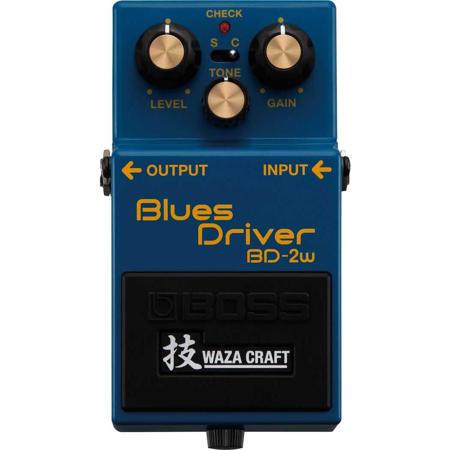
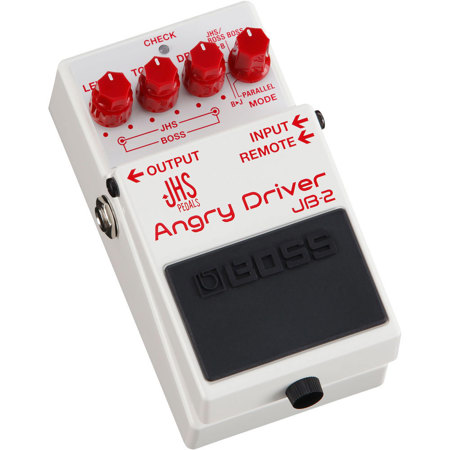
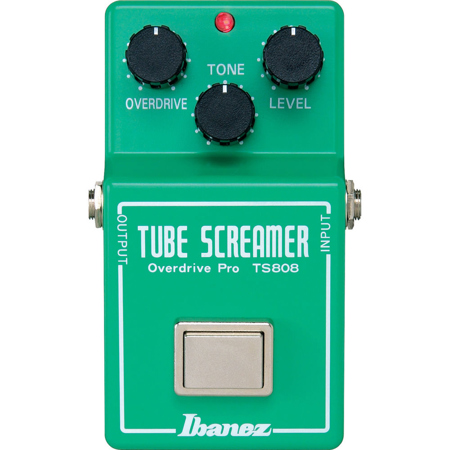
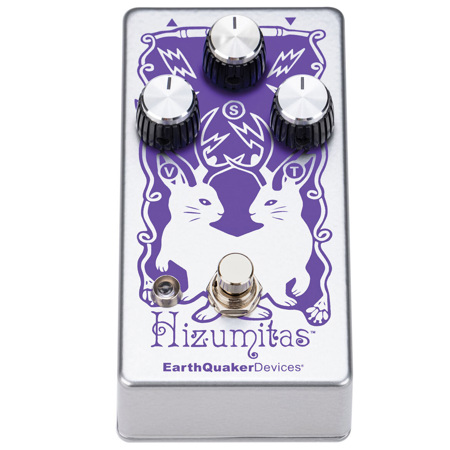
Guitar tone pedals are a cornerstone of creative expression for musicians across genres, allowing players to shape, color, and personalize their sound with remarkable precision. Whether you’re a seasoned performer playing to packed venues, a hobbyist refining your home studio rig, or a newcomer eager to explore the world of effects, these pedals offer endless possibilities to transform your guitar’s voice. At their core, guitar tone pedals let you manipulate everything from subtle warmth and clarity to bold, experimental textures—making them an essential addition to any pedalboard. As the weather warms and outdoor gigs, jam sessions, and festivals become more frequent, many guitarists take the opportunity to refine their setup, seeking pedals that can both anchor their sound and provide new sources of inspiration. The versatility of a guitar tone pedal means it can be the perfect gift for a musician in your life, whether they’re chasing the classic shimmer of vintage tones or the cutting-edge sounds of modern production. From the bedroom to the stage, these pedals are as much about personal discovery as they are about performance, inviting players to experiment with new musical ideas and techniques.
When choosing a guitar tone pedal, it’s important to consider your playing style, the genres you enjoy, and the kind of tonal foundation you want to build. For those who love the driving riffs of rock and metal, a pedal that emphasizes low, sustained notes—a nod to the classic “pedal tone” technique—can add weight and aggression to your sound, acting as a powerful anchor beneath shifting chords and melodies. In contrast, jazz and pop players might seek pedals that provide lush, modern textures or subtle enhancements, unifying complex progressions with a consistent, expressive voice. Many guitarists find that a single pedal can unlock entirely new approaches to songwriting and improvisation, from the dramatic flair of neoclassical arpeggios to the hypnotic repetition of melodic pedal points. Pedals aren’t just for electric guitars, either; acoustic players often use them to add depth and dimension to their performances, especially when playing in larger venues or recording environments. The right pedal can also be a thoughtful, lasting gift—ideal for birthdays, graduations, or as a way to encourage a friend’s musical journey during the creative months of summer and fall.
As you explore the world of guitar tone pedals, consider how each effect might enhance your setup, whether you’re building your first board or expanding an established collection. Many musicians enjoy pairing tone pedals with other effects to create signature sounds, stacking them with overdrives, delays, or modulation for a truly personalized rig. For those interested in lead playing, blending a tone pedal with expressive effects can help your solos cut through the mix and stand out in any ensemble. If you’re looking for more inspiration or want to dive deeper into pedals designed specifically for lead guitarists, be sure to visit our dedicated page for Lead Guitar Pedals. Ultimately, the right guitar tone pedal is more than just a piece of gear—it’s a tool for storytelling, experimentation, and connection, helping you craft the sounds that define your musical identity, no matter where your playing takes you throughout the year.
When choosing a guitar tone pedal, it’s important to consider your playing style, the genres you enjoy, and the kind of tonal foundation you want to build. For those who love the driving riffs of rock and metal, a pedal that emphasizes low, sustained notes—a nod to the classic “pedal tone” technique—can add weight and aggression to your sound, acting as a powerful anchor beneath shifting chords and melodies. In contrast, jazz and pop players might seek pedals that provide lush, modern textures or subtle enhancements, unifying complex progressions with a consistent, expressive voice. Many guitarists find that a single pedal can unlock entirely new approaches to songwriting and improvisation, from the dramatic flair of neoclassical arpeggios to the hypnotic repetition of melodic pedal points. Pedals aren’t just for electric guitars, either; acoustic players often use them to add depth and dimension to their performances, especially when playing in larger venues or recording environments. The right pedal can also be a thoughtful, lasting gift—ideal for birthdays, graduations, or as a way to encourage a friend’s musical journey during the creative months of summer and fall.
As you explore the world of guitar tone pedals, consider how each effect might enhance your setup, whether you’re building your first board or expanding an established collection. Many musicians enjoy pairing tone pedals with other effects to create signature sounds, stacking them with overdrives, delays, or modulation for a truly personalized rig. For those interested in lead playing, blending a tone pedal with expressive effects can help your solos cut through the mix and stand out in any ensemble. If you’re looking for more inspiration or want to dive deeper into pedals designed specifically for lead guitarists, be sure to visit our dedicated page for Lead Guitar Pedals. Ultimately, the right guitar tone pedal is more than just a piece of gear—it’s a tool for storytelling, experimentation, and connection, helping you craft the sounds that define your musical identity, no matter where your playing takes you throughout the year.