Hand Drums
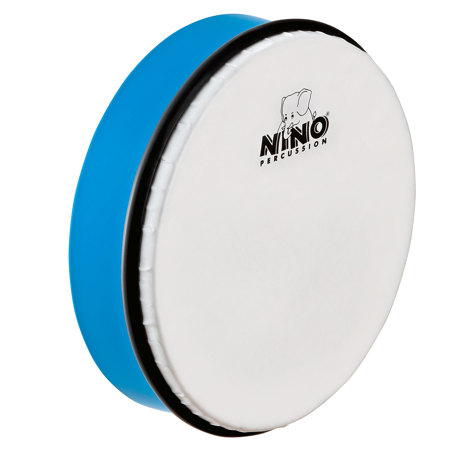
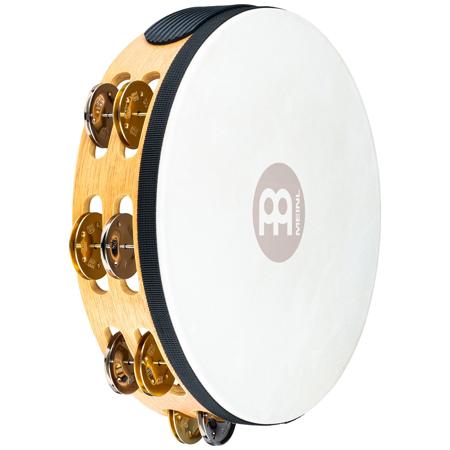
Hand drums have long held a special place in musical traditions around the world, serving as both expressive instruments and cultural symbols. From the deep, resonant bass of a djembe echoing through a West African village, to the crisp, sharp tones of bongos energizing a Latin ensemble, hand drums offer a unique way to connect with rhythm and community. These instruments are played with bare hands, allowing musicians to explore a wide range of sounds and techniques using palms, fingertips, and nuanced hand movements. Whether you’re an experienced percussionist or just starting your rhythmic journey, hand drums provide an accessible and versatile entry point into the world of music. Their portability makes them perfect for impromptu jam sessions, drum circles under the open sky, or intimate gatherings at home. In the quieter months of winter, when indoor creativity flourishes, hand drums can transform a living room into a vibrant space for musical exploration, bringing warmth and energy to the season.
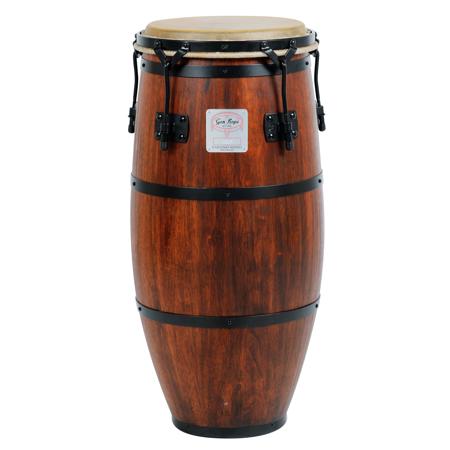
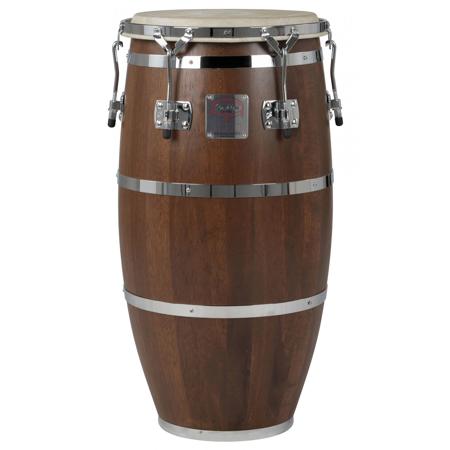
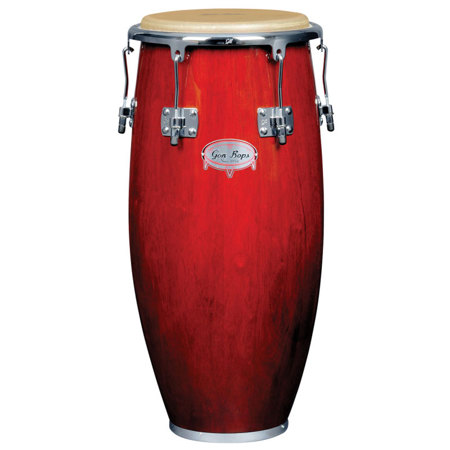
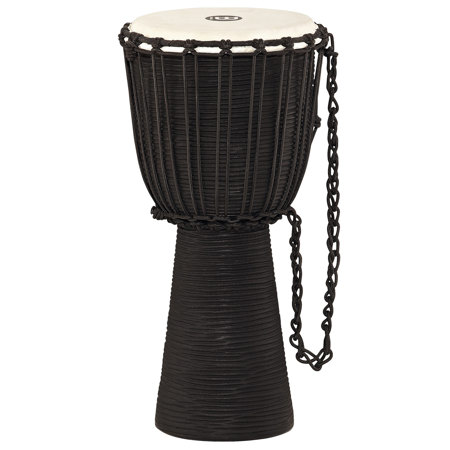
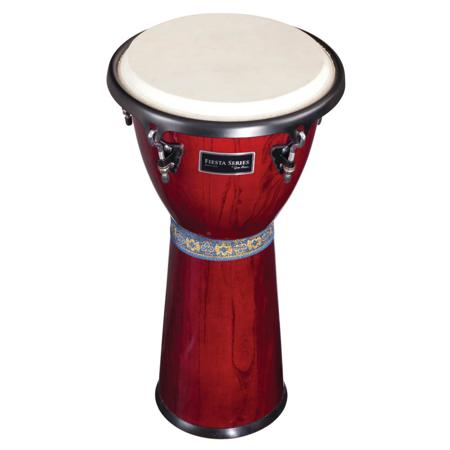
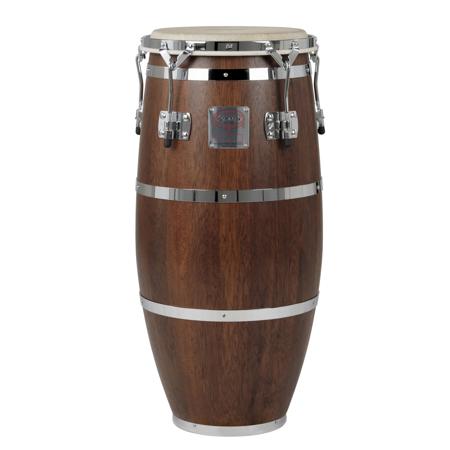
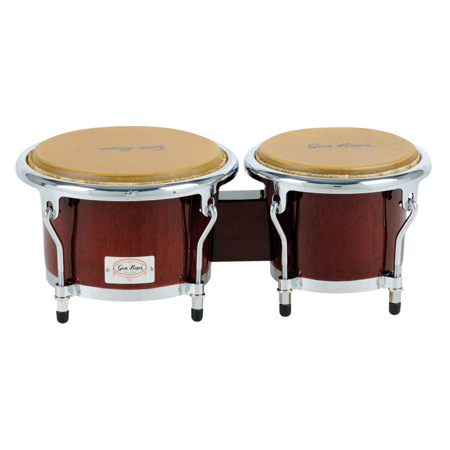
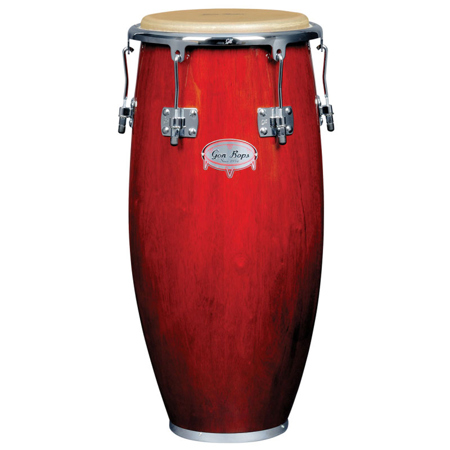
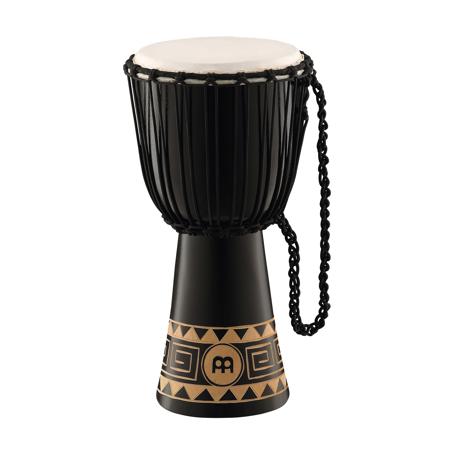
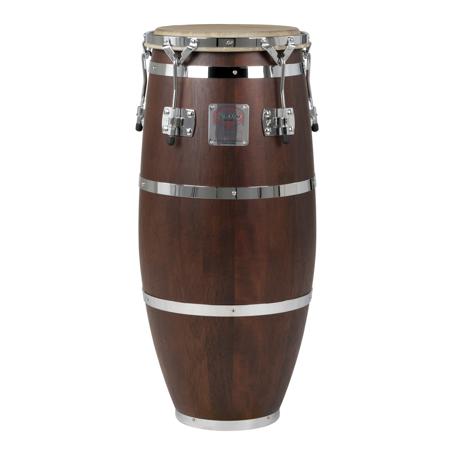
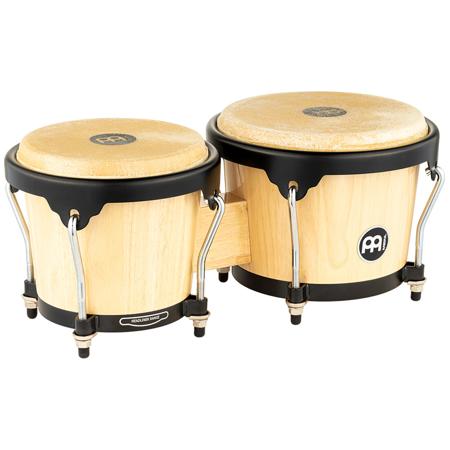
Choosing the right hand drum depends on your musical interests, playing style, and practical needs. Djembes are renowned for their wide tonal range—bass, tone, and slap—which makes them a favorite for dynamic solo performances or ensemble work. Congas and bongos, with their roots in Latin American music, are often played in pairs and deliver the lively rhythms that define salsa, mambo, and other genres. For those drawn to Middle Eastern or North African music, the darbuka or doumbek offers sharp, resonant sounds ideal for intricate fingerwork and fast-paced rhythms. The Indian tabla, a pair of drums essential to classical Indian music, rewards patience and practice with its expressive, melodic potential. Modern handpans, with their ethereal, melodic tones, have captured the imaginations of street musicians and composers alike, offering a fresh take on hand percussion. When considering a purchase, think about the drum’s material—traditional wood for warmth and authenticity, or synthetic heads for greater durability and stability in changing climates. Size is another key factor: smaller drums are easier to transport, while larger models produce deeper, fuller sounds. Hand drums are also thoughtful gifts for musicians, music teachers, or anyone seeking a mindful, hands-on creative outlet. They’re equally at home in classrooms, music therapy settings, or as a centerpiece for group music-making, inviting players of all ages to discover the joy of rhythm.
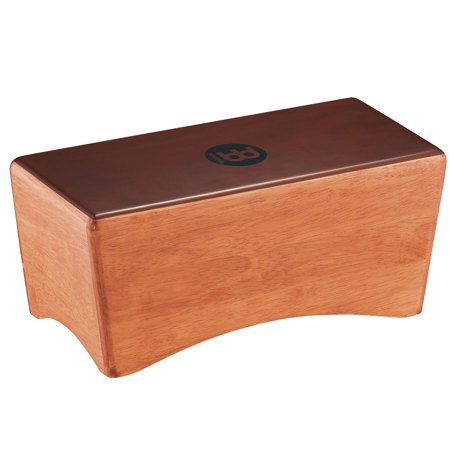
As you explore the hand drums latest and seek the perfect fit for your needs, remember that each instrument offers its own voice and story. Playing hand drums is more than just striking a surface—it’s about listening, responding, and connecting with others through shared beats and melodies. Techniques such as alternating hands, using the flat palm for deep bass notes, or striking with fingertips for sharper accents, allow for endless rhythmic possibilities. The tactile feedback and immediate response of a hand drum make every session engaging, whether you’re practicing alone or performing with others. For those interested in expanding their percussion collection, box-style instruments like the cajón offer another layer of rhythmic versatility. You can find a curated selection of these options on our Box Percussion Instruments page. No matter your skill level or musical background, hand drums invite you to experience music in its most elemental form—through touch, rhythm, and the universal language of percussion.
Choosing the right hand drum depends on your musical interests, playing style, and practical needs. Djembes are renowned for their wide tonal range—bass, tone, and slap—which makes them a favorite for dynamic solo performances or ensemble work. Congas and bongos, with their roots in Latin American music, are often played in pairs and deliver the lively rhythms that define salsa, mambo, and other genres. For those drawn to Middle Eastern or North African music, the darbuka or doumbek offers sharp, resonant sounds ideal for intricate fingerwork and fast-paced rhythms. The Indian tabla, a pair of drums essential to classical Indian music, rewards patience and practice with its expressive, melodic potential. Modern handpans, with their ethereal, melodic tones, have captured the imaginations of street musicians and composers alike, offering a fresh take on hand percussion. When considering a purchase, think about the drum’s material—traditional wood for warmth and authenticity, or synthetic heads for greater durability and stability in changing climates. Size is another key factor: smaller drums are easier to transport, while larger models produce deeper, fuller sounds. Hand drums are also thoughtful gifts for musicians, music teachers, or anyone seeking a mindful, hands-on creative outlet. They’re equally at home in classrooms, music therapy settings, or as a centerpiece for group music-making, inviting players of all ages to discover the joy of rhythm.
As you explore the hand drums latest and seek the perfect fit for your needs, remember that each instrument offers its own voice and story. Playing hand drums is more than just striking a surface—it’s about listening, responding, and connecting with others through shared beats and melodies. Techniques such as alternating hands, using the flat palm for deep bass notes, or striking with fingertips for sharper accents, allow for endless rhythmic possibilities. The tactile feedback and immediate response of a hand drum make every session engaging, whether you’re practicing alone or performing with others. For those interested in expanding their percussion collection, box-style instruments like the cajón offer another layer of rhythmic versatility. You can find a curated selection of these options on our Box Percussion Instruments page. No matter your skill level or musical background, hand drums invite you to experience music in its most elemental form—through touch, rhythm, and the universal language of percussion.