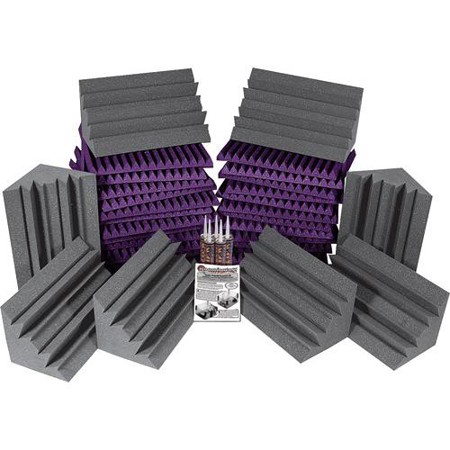
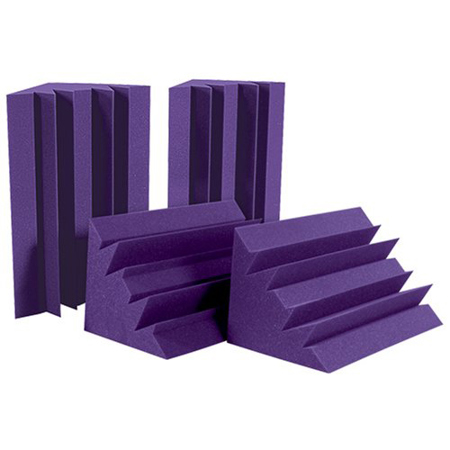
High Density Bass Traps
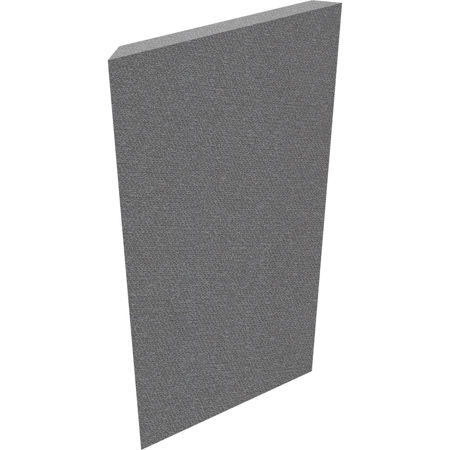
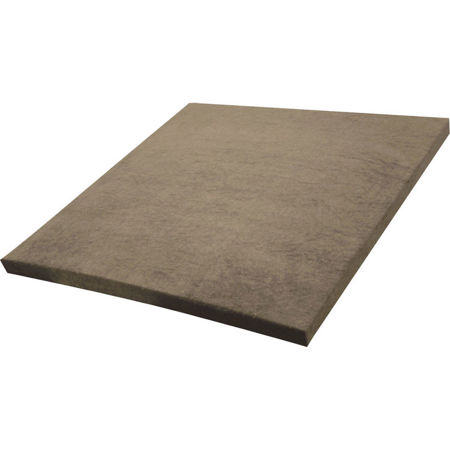
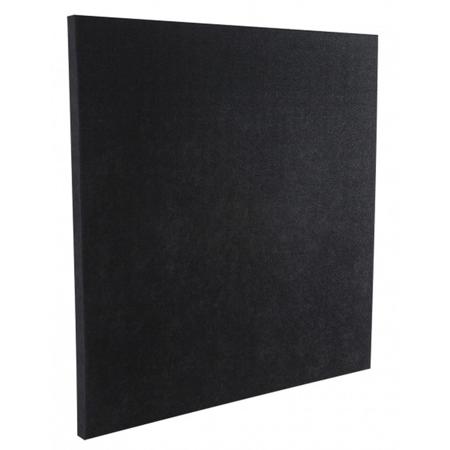
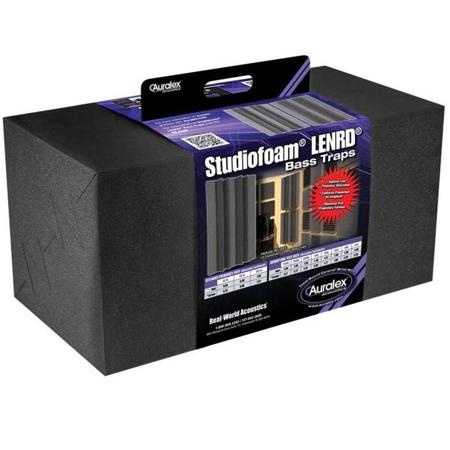
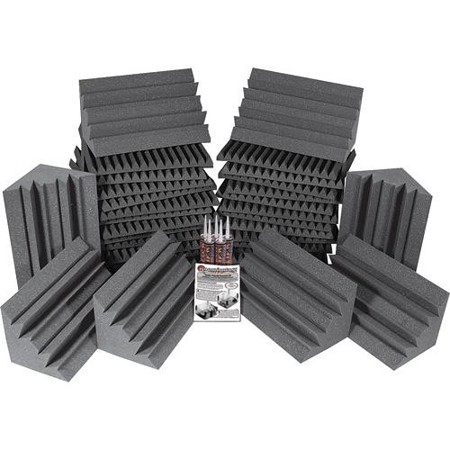
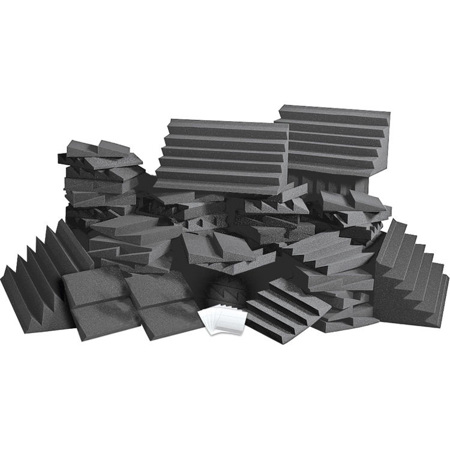
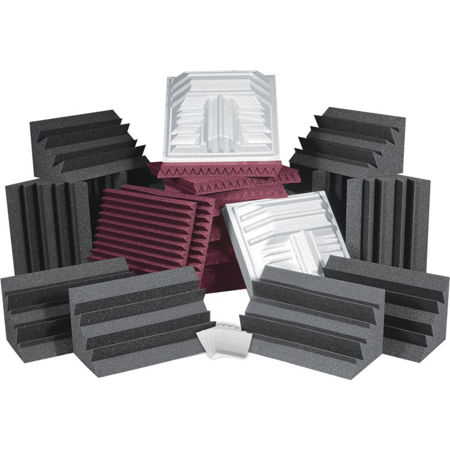
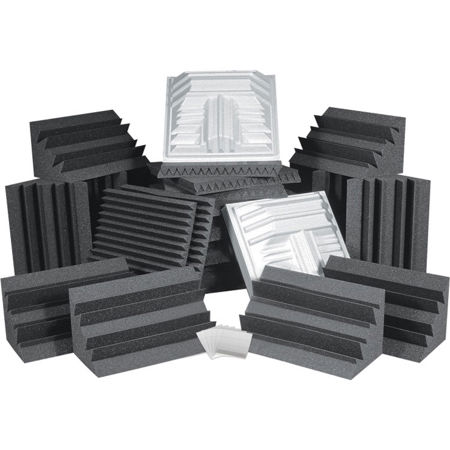
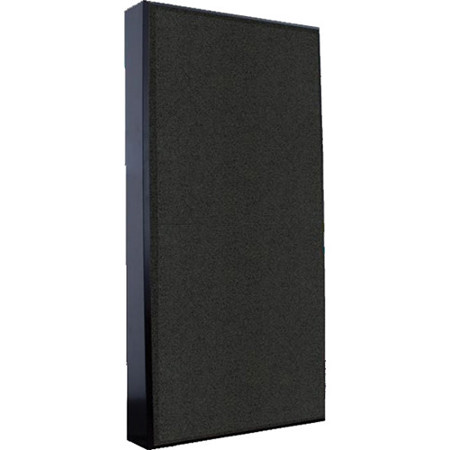
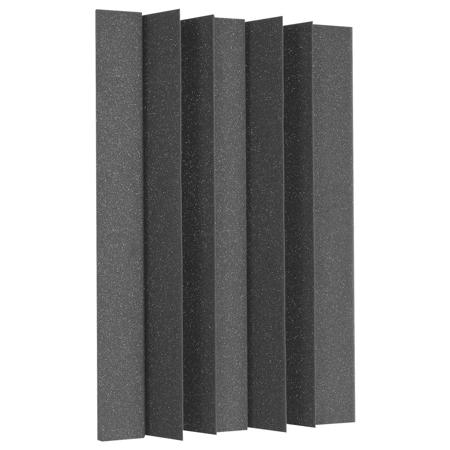
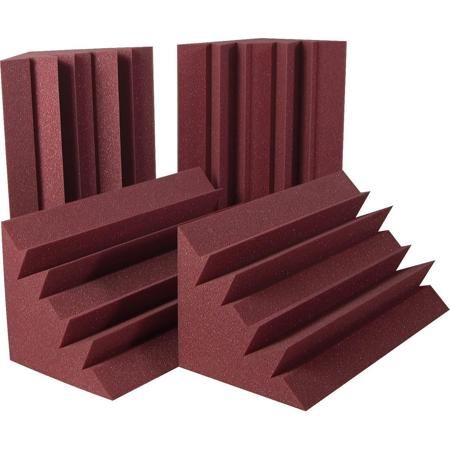
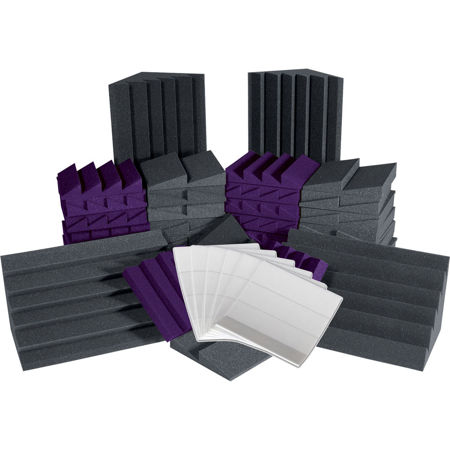
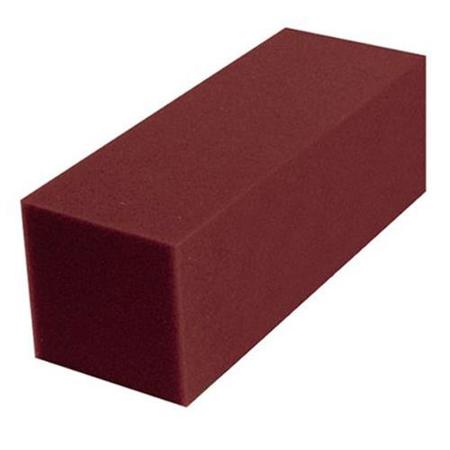
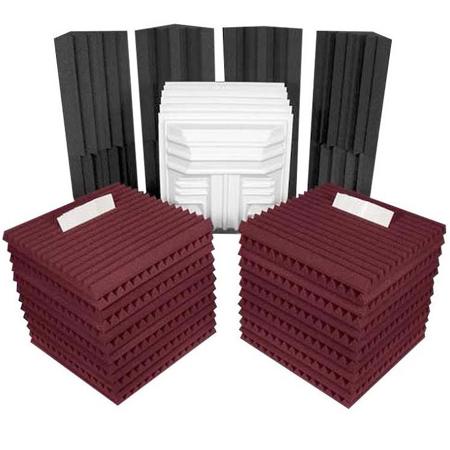
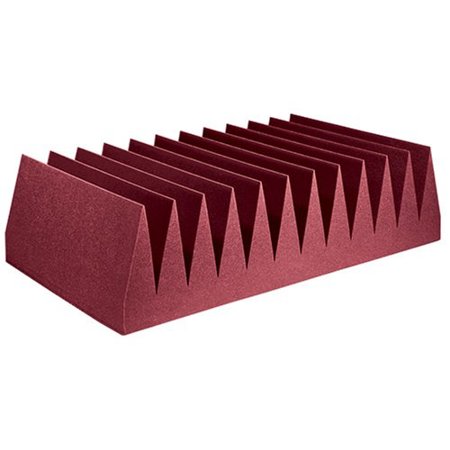
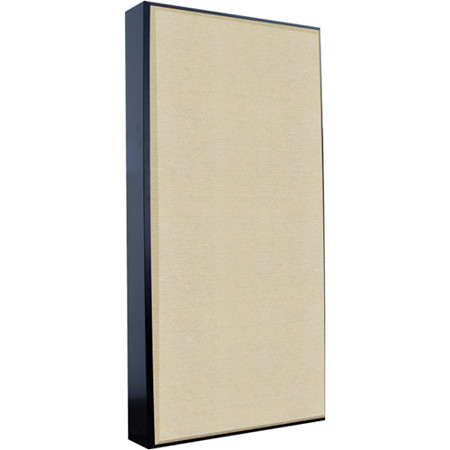
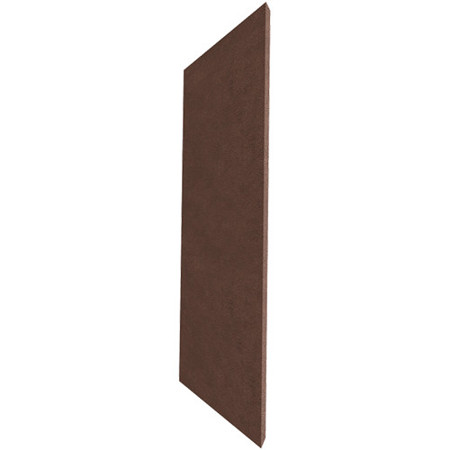
Creating a balanced, professional-sounding environment is a priority for audio engineers, musicians, podcasters, and home theater enthusiasts alike. High density bass traps play a pivotal role in this process, offering targeted control over low-frequency buildup that often clouds the clarity of a room. Whether you’re fine-tuning a compact project studio, upgrading a rehearsal space, or transforming a spare room into a dedicated listening area, the right acoustic treatment can make all the difference. Dense traps, particularly those crafted from materials with a density between 45 to 65 kg/m³ (about 3 to 4 lbs/ft³), are especially effective in thinner panel designs—typically 2 to 4 inches thick—where space is at a premium but performance cannot be compromised. These traps are engineered to absorb problematic bass frequencies without allowing higher-frequency sound to pass straight through, helping to create a more precise and enjoyable listening or mixing environment.
The versatility of high density bass traps makes them a thoughtful and practical gift for anyone passionate about audio, from budding content creators to seasoned professionals. As the weather shifts from the warmth of summer to the crispness of fall, many find themselves spending more time indoors, perfecting their craft or simply savoring music and movies in the comfort of home. This seasonal transition is an ideal moment to address lingering acoustic issues that may have gone unnoticed during busier months. High density bass traps can be seamlessly integrated into a variety of spaces, whether mounted on walls, ceilings, or even as part of a modular setup that adapts to changing needs. For those working in smaller rooms or shared living spaces, the ability to control bass response without sacrificing valuable square footage is a distinct advantage. The tactile quality and professional finish of these traps also add a touch of studio polish that elevates the atmosphere of any creative space.
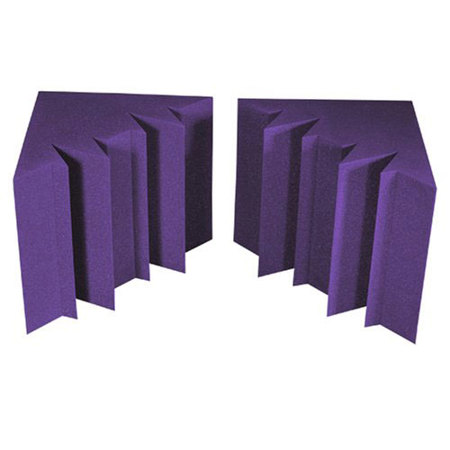
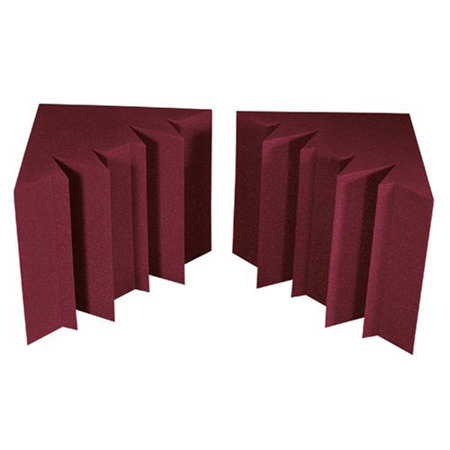
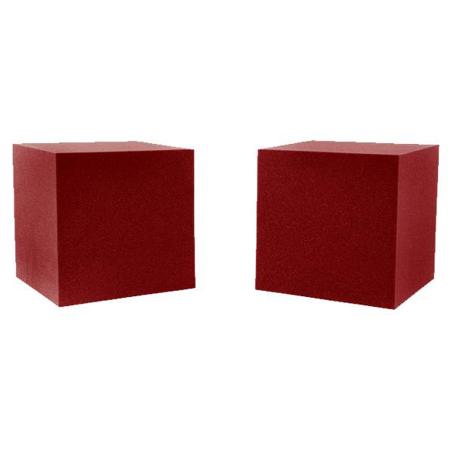
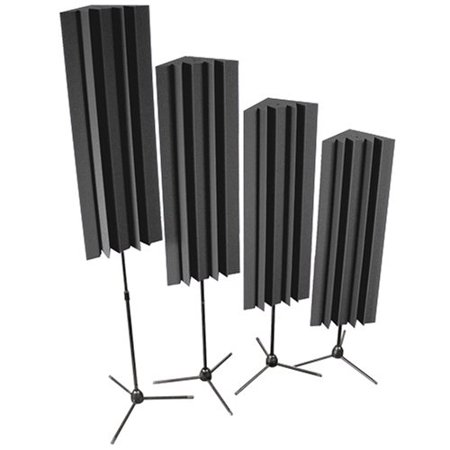
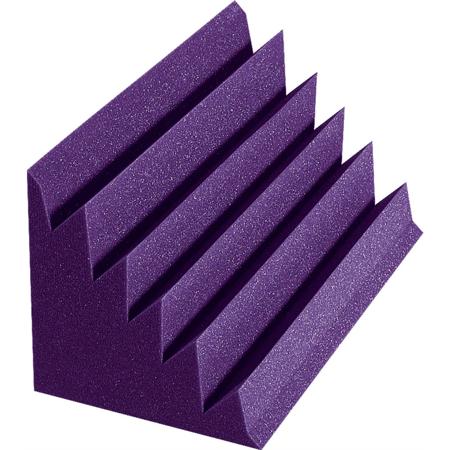
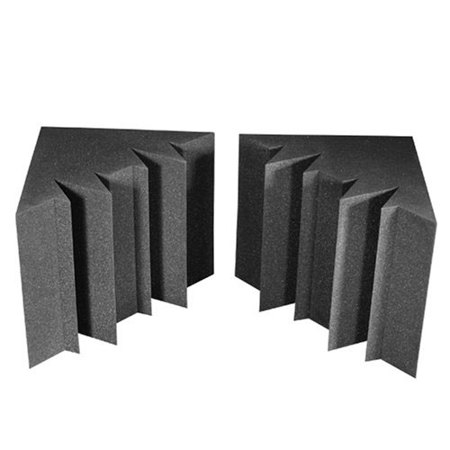
When selecting high density bass traps, it’s important to consider both the dimensions of your room and the specific acoustic challenges you face. Shallow traps made from higher density materials are ideal for taming upper bass and midrange reflections, while larger, lower-density solutions—such as those featured in our Corner Bass Traps collection—excel at absorbing the deepest frequencies in the most problematic spots. Many audio professionals share stories of the dramatic difference a thoughtfully placed set of dense traps can make, recalling the first time a muddy mix transformed into a clear, articulate soundstage or a favorite album revealed hidden layers of detail. Whether you’re building a setup from scratch or enhancing an existing one, investing in high density bass traps is a proven way to achieve a more accurate, controlled, and inspiring audio experience—one that stands up to the demands of both critical listening and everyday enjoyment.
The versatility of high density bass traps makes them a thoughtful and practical gift for anyone passionate about audio, from budding content creators to seasoned professionals. As the weather shifts from the warmth of summer to the crispness of fall, many find themselves spending more time indoors, perfecting their craft or simply savoring music and movies in the comfort of home. This seasonal transition is an ideal moment to address lingering acoustic issues that may have gone unnoticed during busier months. High density bass traps can be seamlessly integrated into a variety of spaces, whether mounted on walls, ceilings, or even as part of a modular setup that adapts to changing needs. For those working in smaller rooms or shared living spaces, the ability to control bass response without sacrificing valuable square footage is a distinct advantage. The tactile quality and professional finish of these traps also add a touch of studio polish that elevates the atmosphere of any creative space.
When selecting high density bass traps, it’s important to consider both the dimensions of your room and the specific acoustic challenges you face. Shallow traps made from higher density materials are ideal for taming upper bass and midrange reflections, while larger, lower-density solutions—such as those featured in our Corner Bass Traps collection—excel at absorbing the deepest frequencies in the most problematic spots. Many audio professionals share stories of the dramatic difference a thoughtfully placed set of dense traps can make, recalling the first time a muddy mix transformed into a clear, articulate soundstage or a favorite album revealed hidden layers of detail. Whether you’re building a setup from scratch or enhancing an existing one, investing in high density bass traps is a proven way to achieve a more accurate, controlled, and inspiring audio experience—one that stands up to the demands of both critical listening and everyday enjoyment.