
Home Theater Bass Traps
Creating an immersive home theater experience involves much more than selecting the right screen and speakers—acoustics play a pivotal role in how sound is perceived within a space. As the weather warms and gatherings shift from outdoor barbecues to cozy movie nights, many enthusiasts find themselves perfecting their entertainment rooms to ensure every cinematic moment is crisp and enveloping. One of the most crucial yet often overlooked elements of acoustic treatment is the management of low-frequency sound energy, or bass. Bass traps are specifically designed to address the challenges that deep bass presents in home theaters, such as standing waves, boomy echoes, and uneven bass response across different seating positions. These acoustic treatments absorb and dissipate excess low-frequency sound, smoothing out the audio landscape so that deep rumbles don’t overpower dialogue or delicate musical scores. Whether you’re a dedicated audiophile, a film buff who wants every explosion to hit just right, or someone who simply enjoys clear, balanced sound during family movie nights, bass traps can make a dramatic difference in the quality of your listening experience.
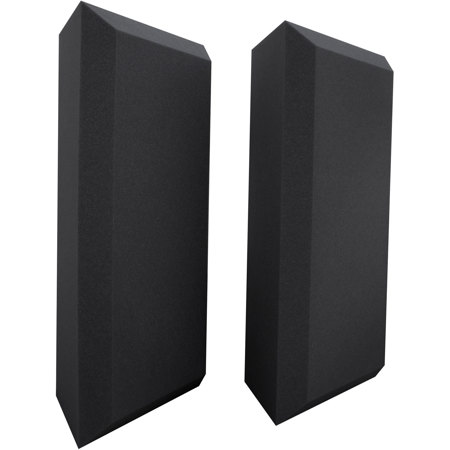
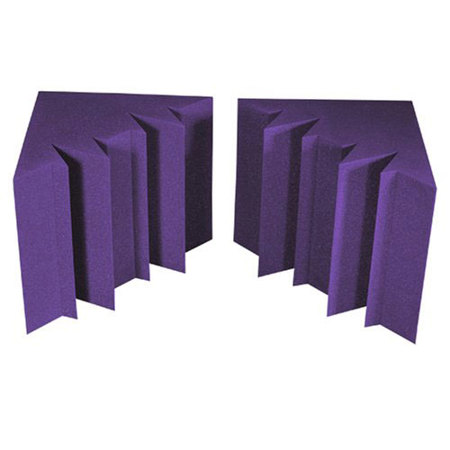
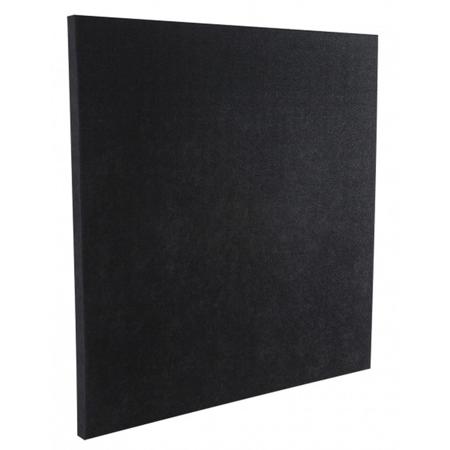
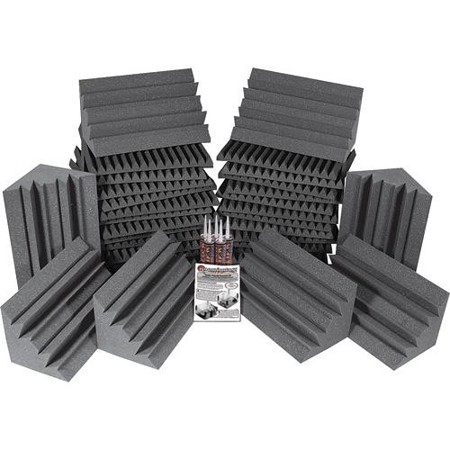
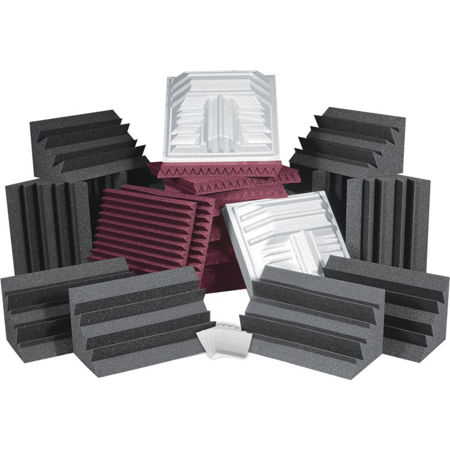
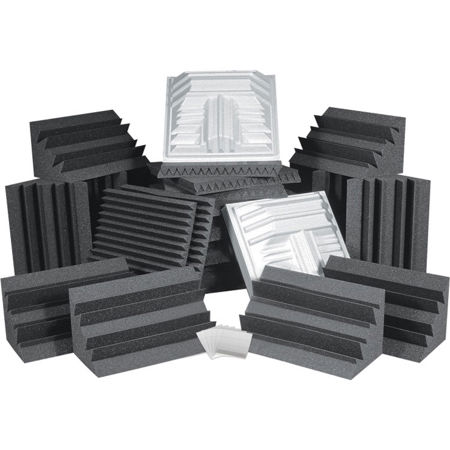
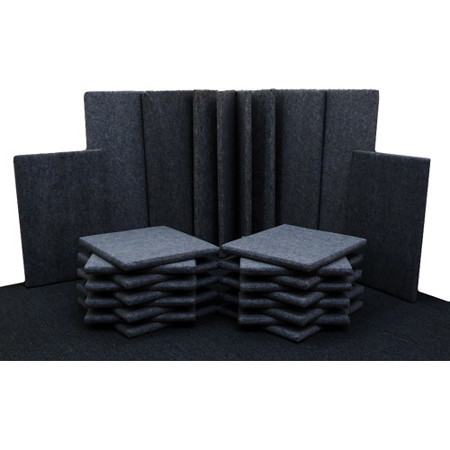
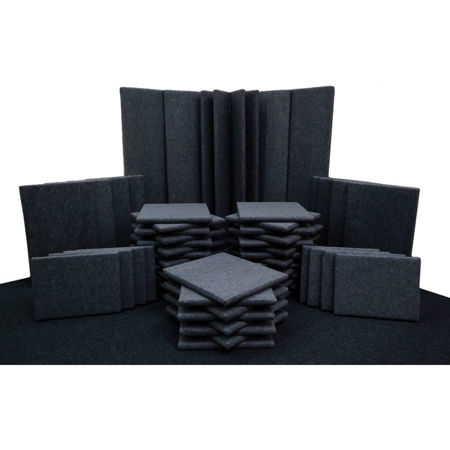
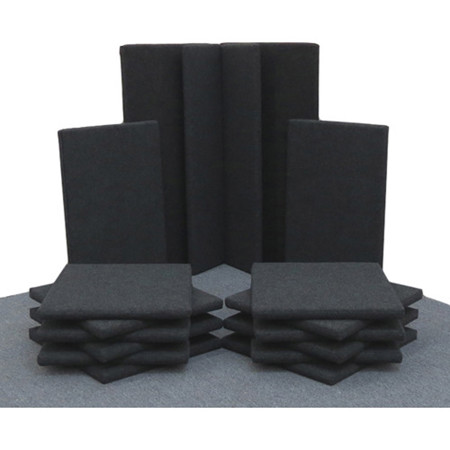
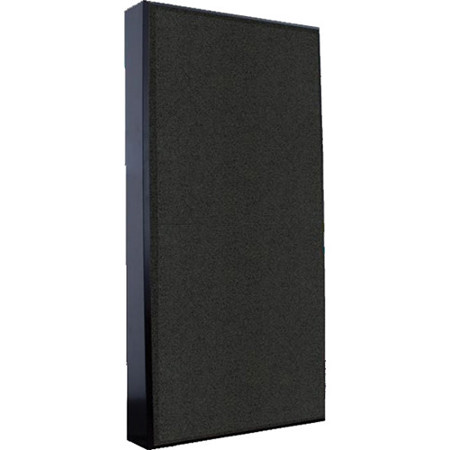
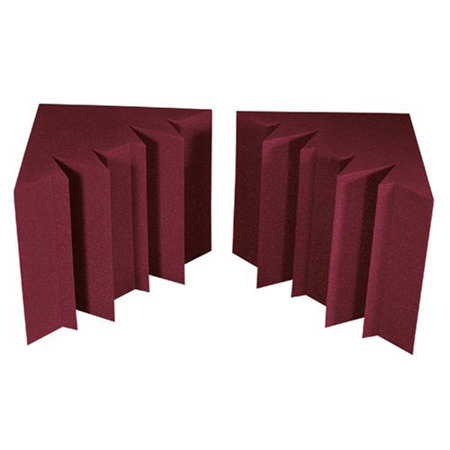
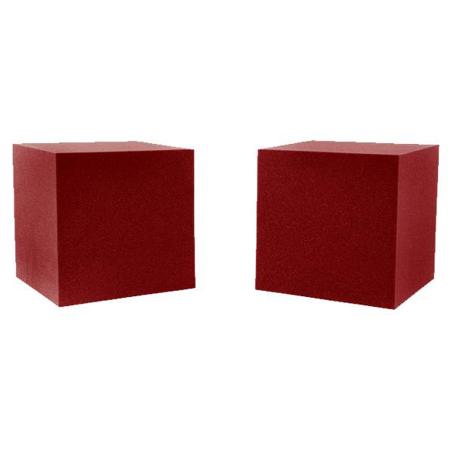
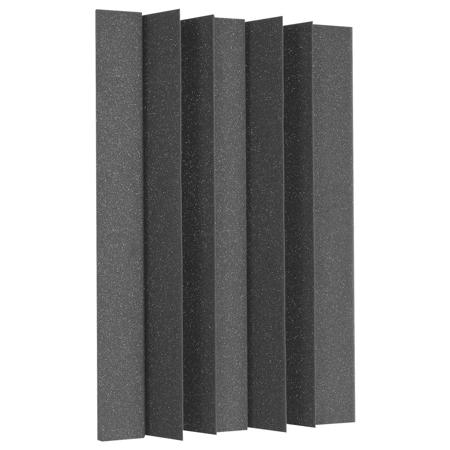
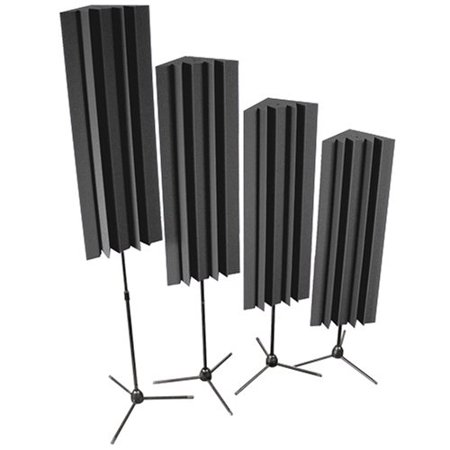
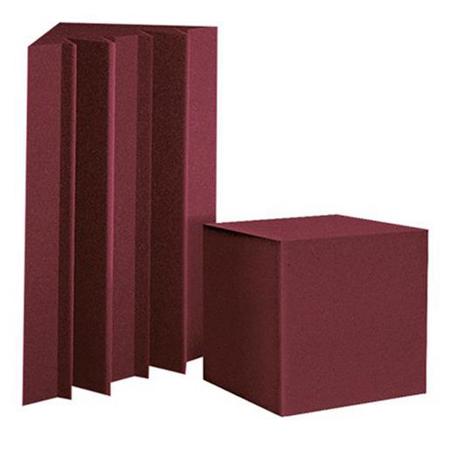
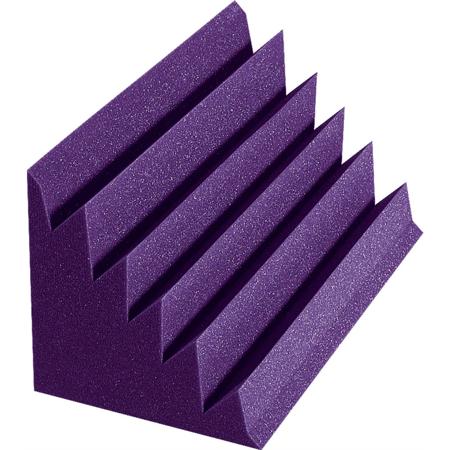
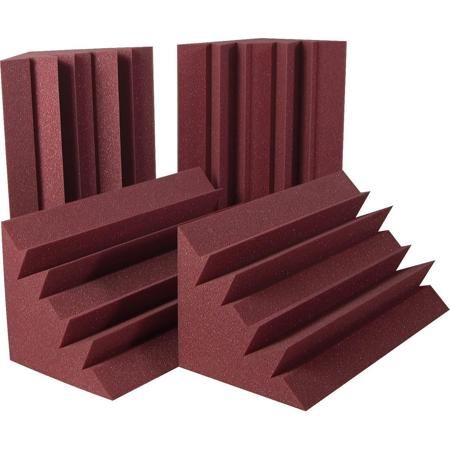
Bass traps come in a variety of forms, each tailored to different spaces and acoustic needs. The most common type, broadband porous traps, use dense, rigid materials wrapped in acoustically transparent fabric to absorb a wide range of low frequencies. These are typically installed in the trihedral corners of a room—where two walls and the ceiling or floor meet—since that’s where low-frequency energy tends to accumulate most. Another popular solution is the membrane or diaphragmatic trap, which utilizes an internal membrane to flex and absorb particularly stubborn, ultra-low frequencies without affecting higher-frequency sounds. For optimal performance, experts recommend traps that are at least 4 to 6 inches thick, and mounting them a few inches away from the wall can further boost their effectiveness by allowing sound to pass through, reflect, and be absorbed again. The benefits of these treatments are immediately noticeable: bass becomes tighter, dialogue clearer, and the overall soundscape more immersive, whether you’re enjoying a summer blockbuster or a quiet drama during the cooler months. Bass traps also make a thoughtful gift for anyone passionate about home audio, from the friend who’s just built a new media room to the family member upgrading their entertainment setup for the holidays or a special occasion.
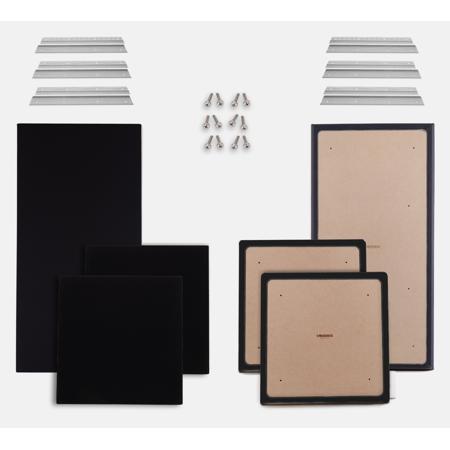
When considering which bass traps to add to your home theater, think about the unique characteristics of your space—room dimensions, subwoofer placement, and even the type of flooring can all influence the best acoustic solution. Some users prefer the convenience and consistent performance of commercial, ready-to-hang bass traps, while others enjoy the hands-on satisfaction and potential cost savings of DIY options. For those seeking maximum performance in challenging environments, exploring specialized products like High Density Bass Traps can help address particularly persistent low-frequency issues. No matter your approach, integrating bass traps into your home theater setup ensures that every seat in the room delivers a rich, balanced listening experience. As you refine your space for movie marathons, gaming sessions, or music playback, the right acoustic treatments will allow you and your guests to enjoy every nuance of sound, making your home theater a destination for memorable entertainment all season long.
Bass traps come in a variety of forms, each tailored to different spaces and acoustic needs. The most common type, broadband porous traps, use dense, rigid materials wrapped in acoustically transparent fabric to absorb a wide range of low frequencies. These are typically installed in the trihedral corners of a room—where two walls and the ceiling or floor meet—since that’s where low-frequency energy tends to accumulate most. Another popular solution is the membrane or diaphragmatic trap, which utilizes an internal membrane to flex and absorb particularly stubborn, ultra-low frequencies without affecting higher-frequency sounds. For optimal performance, experts recommend traps that are at least 4 to 6 inches thick, and mounting them a few inches away from the wall can further boost their effectiveness by allowing sound to pass through, reflect, and be absorbed again. The benefits of these treatments are immediately noticeable: bass becomes tighter, dialogue clearer, and the overall soundscape more immersive, whether you’re enjoying a summer blockbuster or a quiet drama during the cooler months. Bass traps also make a thoughtful gift for anyone passionate about home audio, from the friend who’s just built a new media room to the family member upgrading their entertainment setup for the holidays or a special occasion.
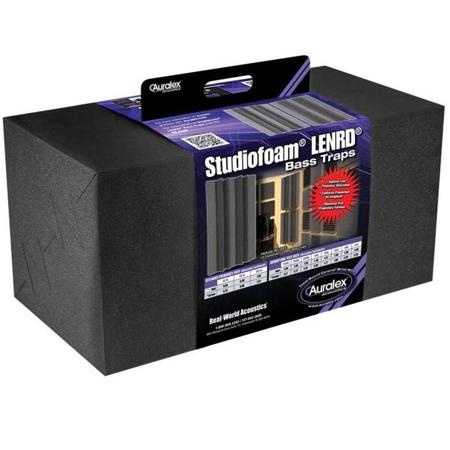
When considering which bass traps to add to your home theater, think about the unique characteristics of your space—room dimensions, subwoofer placement, and even the type of flooring can all influence the best acoustic solution. Some users prefer the convenience and consistent performance of commercial, ready-to-hang bass traps, while others enjoy the hands-on satisfaction and potential cost savings of DIY options. For those seeking maximum performance in challenging environments, exploring specialized products like High Density Bass Traps can help address particularly persistent low-frequency issues. No matter your approach, integrating bass traps into your home theater setup ensures that every seat in the room delivers a rich, balanced listening experience. As you refine your space for movie marathons, gaming sessions, or music playback, the right acoustic treatments will allow you and your guests to enjoy every nuance of sound, making your home theater a destination for memorable entertainment all season long.