
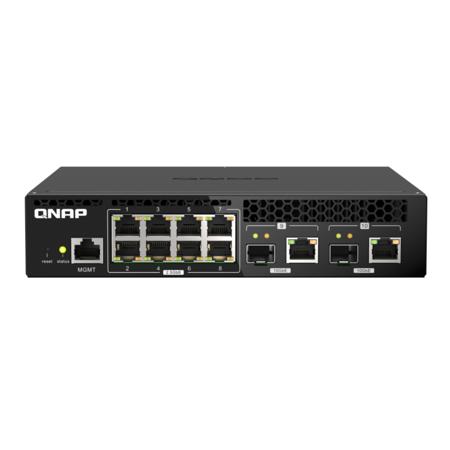
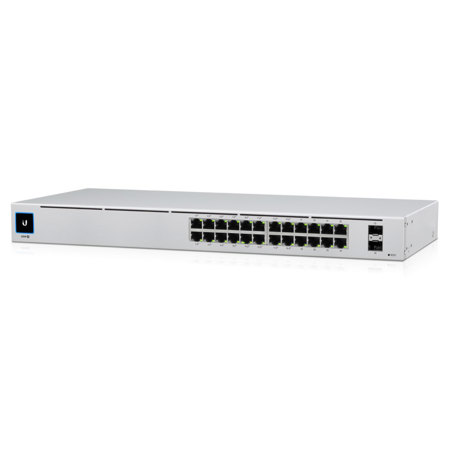
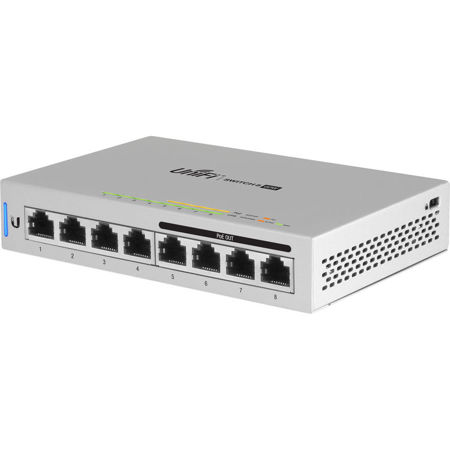
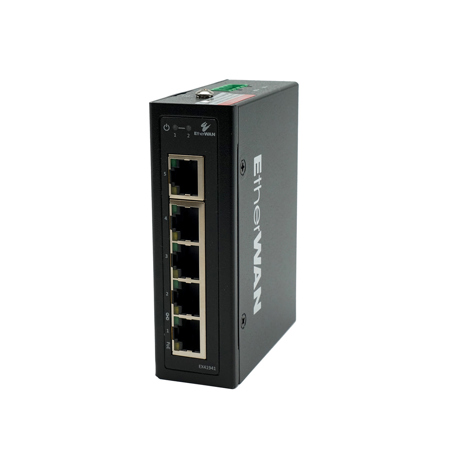

Industrial Managed Ethernet Switches
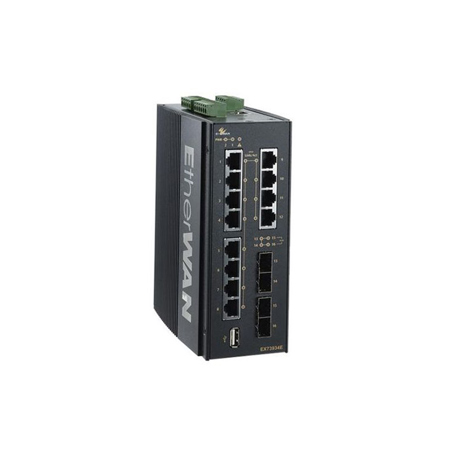
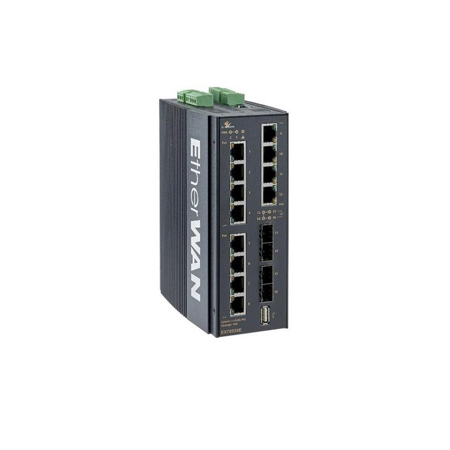
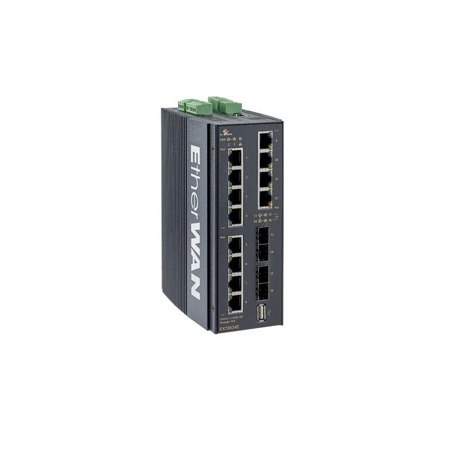
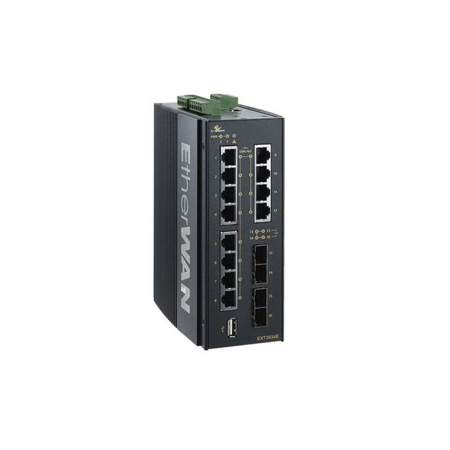
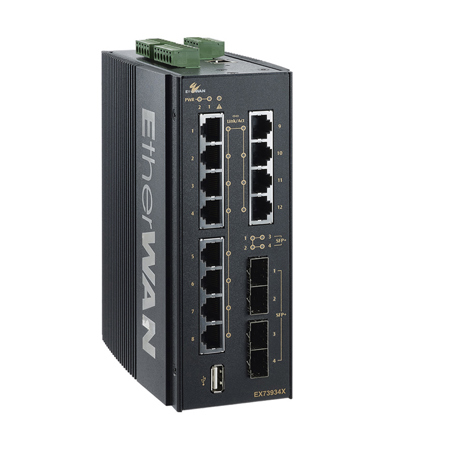
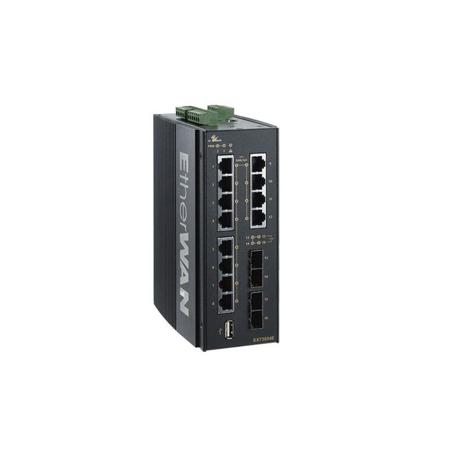
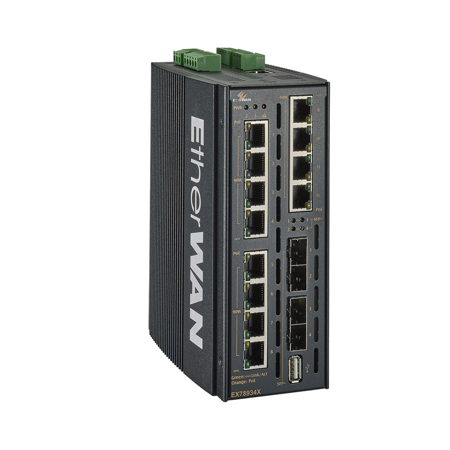
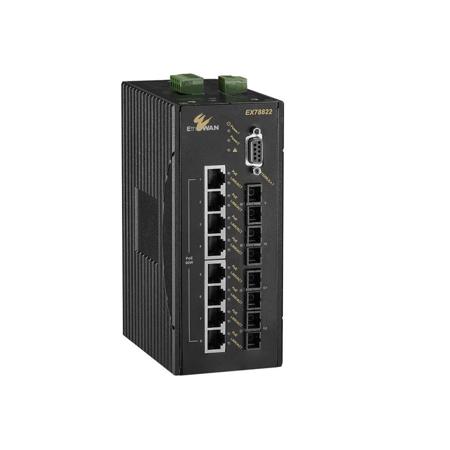
Industrial managed Ethernet switches are a cornerstone of reliable, high-performance networking in environments where uptime and security are paramount. Unlike standard switches intended for office or home use, these robust devices are engineered to thrive in challenging conditions—think manufacturing floors humming with machinery, outdoor installations exposed to fluctuating temperatures, or substations where vibration and electrical noise are ever-present. Their rugged, IP-rated enclosures and fanless cooling systems are designed to withstand dust, moisture, and extreme heat or cold, often ranging from -40 to 85°C. This resilience makes them indispensable for sectors such as utilities, transportation, energy, and industrial automation, where network failures can lead to costly downtime or even compromise safety. As the weather transitions from the heat of summer to the cool of fall, construction sites and outdoor facilities rely on these switches to keep their operations running smoothly, unaffected by changing environmental conditions.
Beyond physical durability, industrial managed Ethernet switches offer a suite of advanced features that set them apart from unmanaged alternatives. They empower network administrators with granular control over data traffic, supporting VLAN segmentation to minimize broadcast storms and isolate sensitive equipment. Built-in redundancy protocols like Rapid Spanning Tree Protocol (RSTP) and ring topologies ensure that if a cable or device fails, data is instantly rerouted, maintaining uninterrupted connectivity for critical systems. Security is another key advantage: features such as port security, MAC filtering, and Access Control Lists (ACLs) help safeguard networks from unauthorized access, which is especially crucial in infrastructure settings where cyber threats can have far-reaching consequences. Remote management capabilities—accessible via intuitive web interfaces or command line tools—allow for real-time configuration, troubleshooting, and firmware updates, making it easier for IT teams to maintain large-scale deployments across multiple locations. These switches are also adept at supporting real-time automation protocols like PROFINET or EtherNet/IP, enabling seamless integration with industrial control systems and ensuring precise, reliable communication between devices.
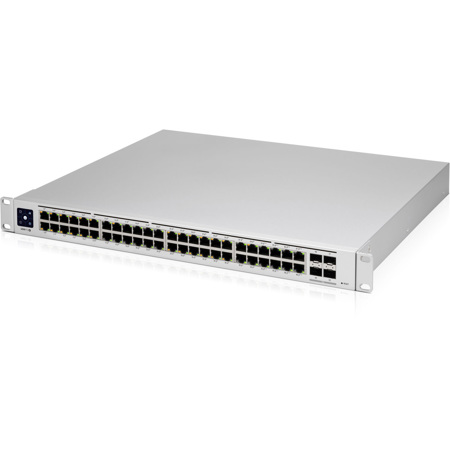
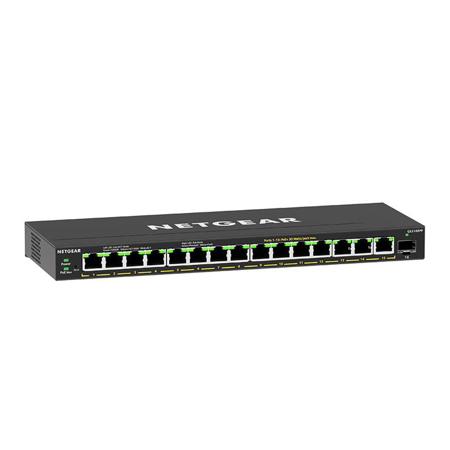
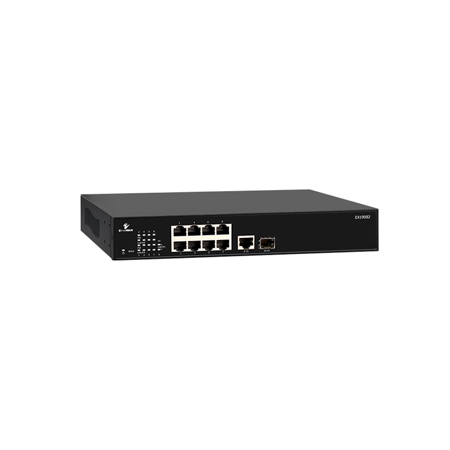
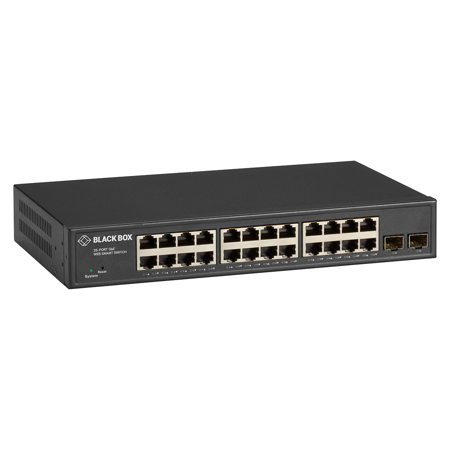
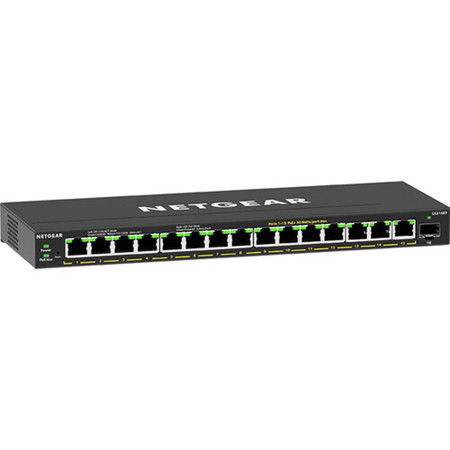
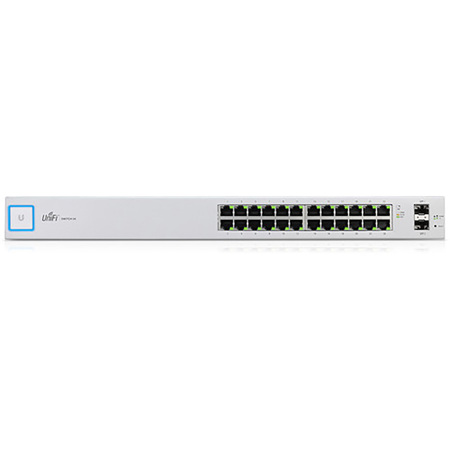
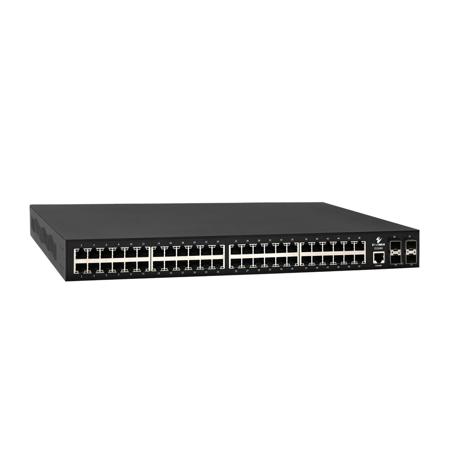
Selecting the right industrial managed Ethernet switch involves careful consideration of factors such as port count, mounting options, and support for fiber connectivity, which is often essential for long-distance or interference-prone installations. Professionals in fields as varied as railway signaling, smart grid infrastructure, and automated manufacturing will find these switches indispensable for building networks that are both flexible and future-proof. Even as organizations expand or reconfigure their networks to adapt to new technologies or seasonal demands, managed switches provide the scalability and intelligence needed to keep pace. For those seeking enhanced bandwidth and fiber optic capabilities, exploring options like Gigabit Ethernet Switches With SFP Ports can further optimize network performance in demanding industrial settings. Whether upgrading an existing system or designing a new network from scratch, industrial managed Ethernet switches deliver the reliability, security, and control that mission-critical operations require—making them a thoughtful investment for any organization where network integrity is non-negotiable.
Beyond physical durability, industrial managed Ethernet switches offer a suite of advanced features that set them apart from unmanaged alternatives. They empower network administrators with granular control over data traffic, supporting VLAN segmentation to minimize broadcast storms and isolate sensitive equipment. Built-in redundancy protocols like Rapid Spanning Tree Protocol (RSTP) and ring topologies ensure that if a cable or device fails, data is instantly rerouted, maintaining uninterrupted connectivity for critical systems. Security is another key advantage: features such as port security, MAC filtering, and Access Control Lists (ACLs) help safeguard networks from unauthorized access, which is especially crucial in infrastructure settings where cyber threats can have far-reaching consequences. Remote management capabilities—accessible via intuitive web interfaces or command line tools—allow for real-time configuration, troubleshooting, and firmware updates, making it easier for IT teams to maintain large-scale deployments across multiple locations. These switches are also adept at supporting real-time automation protocols like PROFINET or EtherNet/IP, enabling seamless integration with industrial control systems and ensuring precise, reliable communication between devices.
Selecting the right industrial managed Ethernet switch involves careful consideration of factors such as port count, mounting options, and support for fiber connectivity, which is often essential for long-distance or interference-prone installations. Professionals in fields as varied as railway signaling, smart grid infrastructure, and automated manufacturing will find these switches indispensable for building networks that are both flexible and future-proof. Even as organizations expand or reconfigure their networks to adapt to new technologies or seasonal demands, managed switches provide the scalability and intelligence needed to keep pace. For those seeking enhanced bandwidth and fiber optic capabilities, exploring options like Gigabit Ethernet Switches With SFP Ports can further optimize network performance in demanding industrial settings. Whether upgrading an existing system or designing a new network from scratch, industrial managed Ethernet switches deliver the reliability, security, and control that mission-critical operations require—making them a thoughtful investment for any organization where network integrity is non-negotiable.