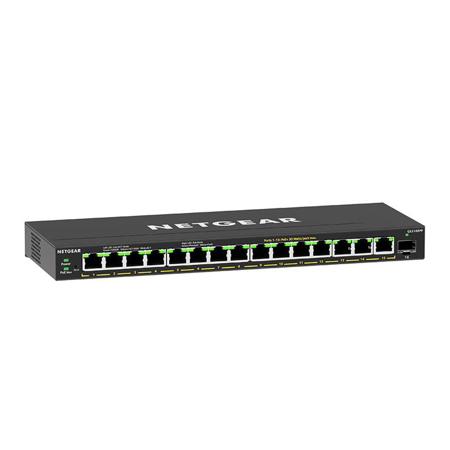
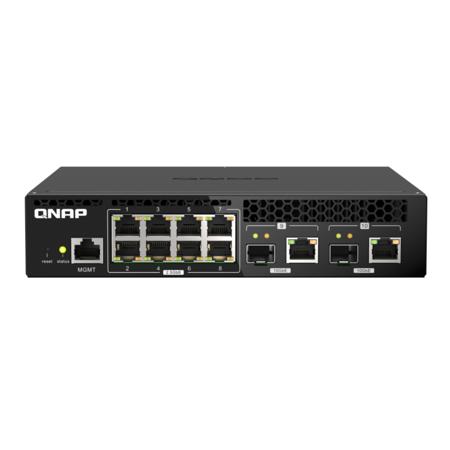
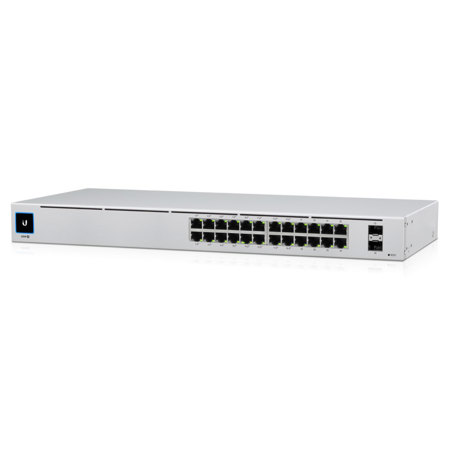
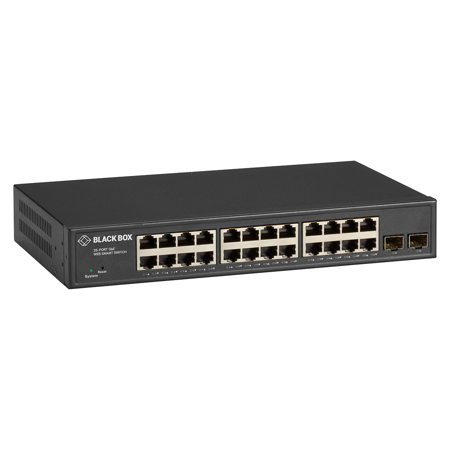


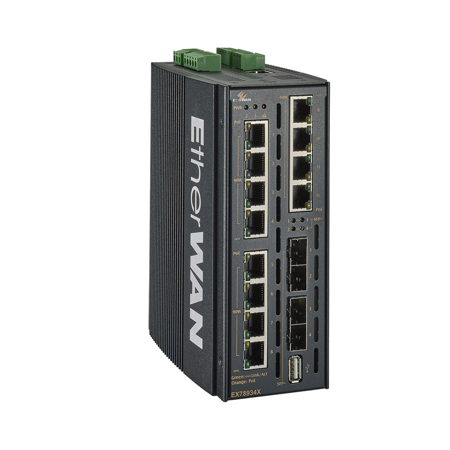
Gigabit Ethernet Switches With SFP Ports
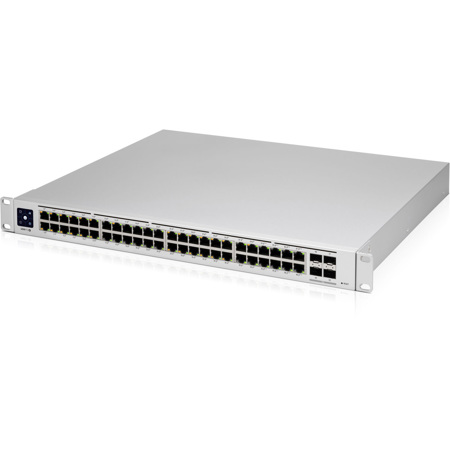
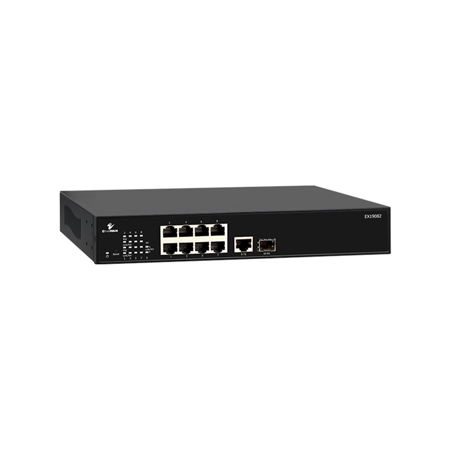
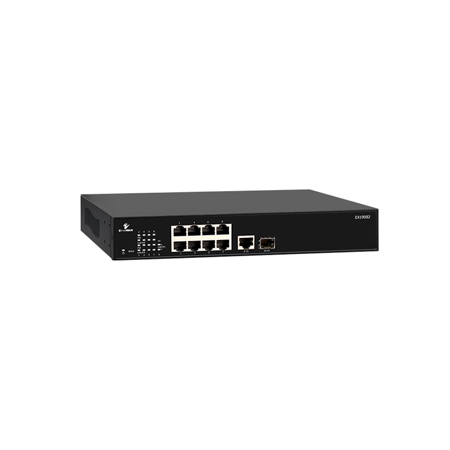
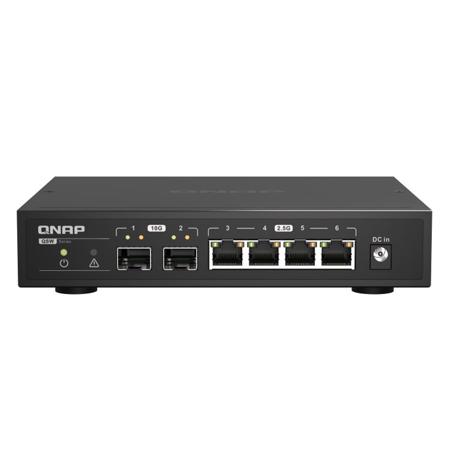
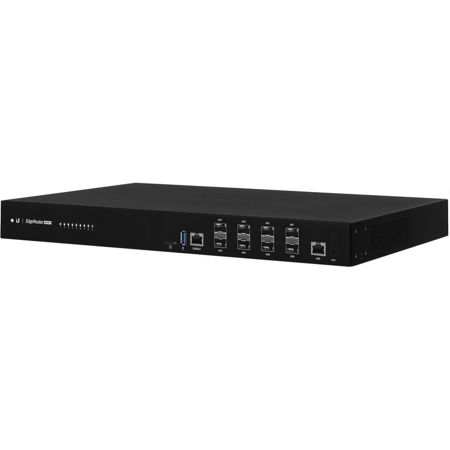
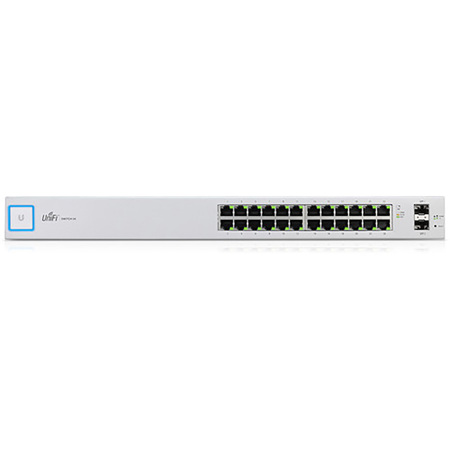
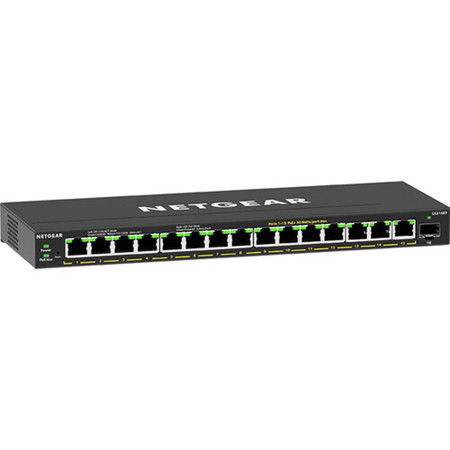
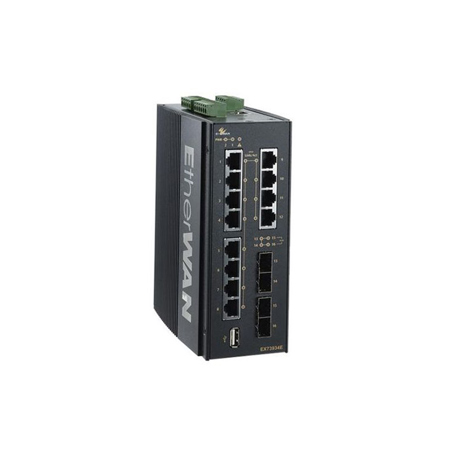
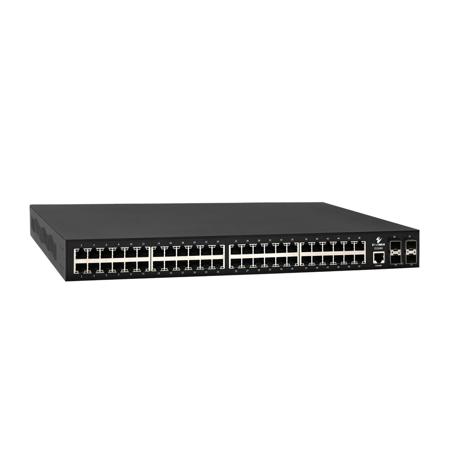
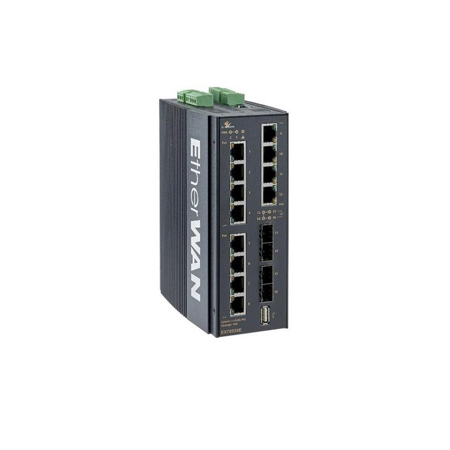
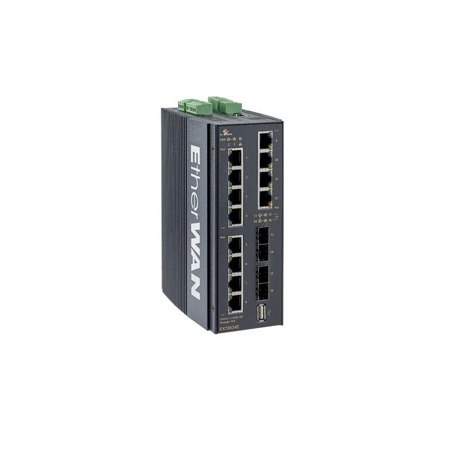
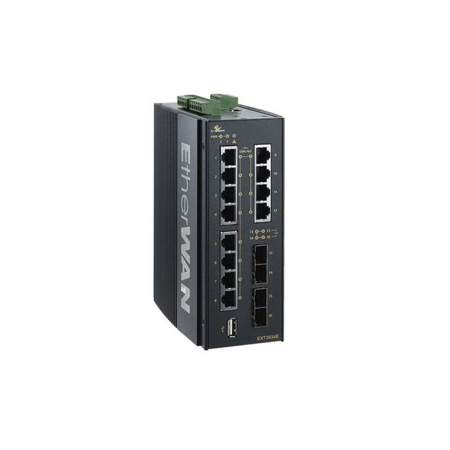
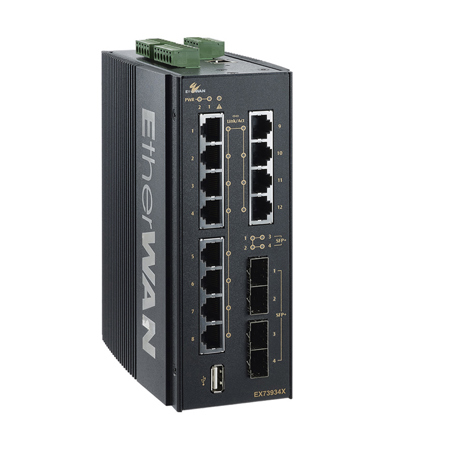
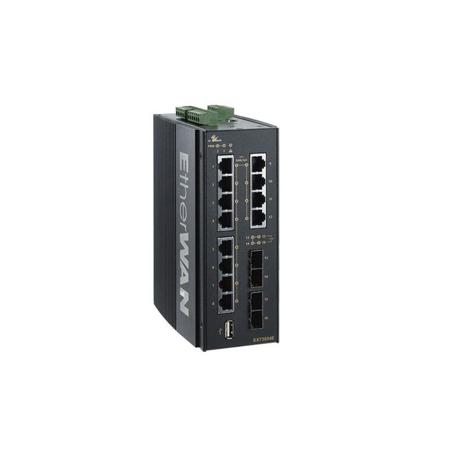
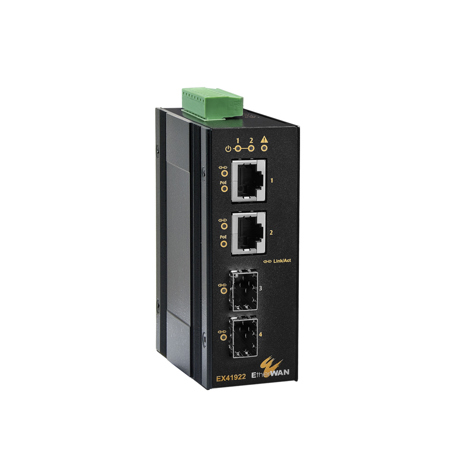
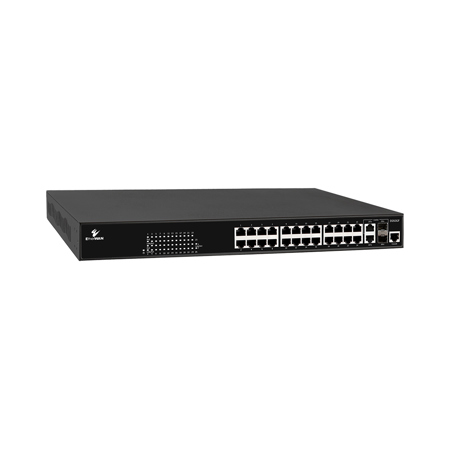
When planning or expanding a network—whether in a creative studio, a bustling office, or even a modern smart home—Gigabit Ethernet switches with SFP ports provide a crucial foundation for reliable, high-speed connectivity. These switches are uniquely versatile, offering both standard copper RJ45 ports for everyday devices and SFP (Small Form-factor Pluggable) slots for fiber optic uplinks. This combination is invaluable for environments where you need to overcome the distance limitations of traditional Ethernet cabling, or where you want to future-proof your network infrastructure. As summer projects ramp up and teams return to collaborative spaces, the need for robust networking that can handle streaming, large file transfers, and multiple connected devices becomes especially apparent. SFP ports allow you to tailor your network’s backbone with hot-swappable transceiver modules, connecting distant offices, data storage arrays, or networked media equipment with ease. This flexibility is particularly appreciated by IT professionals, AV integrators, and anyone managing a growing array of PoE devices, such as IP cameras, wireless access points, or VoIP phones.
Selecting the right Gigabit Ethernet switch with SFP ports involves considering several practical factors. The number of ports is a primary concern—think about both your current device count and any anticipated expansion, as the right switch should accommodate growth without requiring immediate upgrades. Managed switches offer advanced features like VLAN support, traffic prioritization, and security controls, making them ideal for business or educational settings where network segmentation and performance tuning are important. For creative professionals handling high-resolution video editing or large audio projects, the bandwidth provided by gigabit speeds and fiber uplinks ensures smooth, uninterrupted workflows. In studios where equipment is often reconfigured, the hot-swappable nature of SFP modules is a genuine time-saver. Even in home labs or smart home setups, these switches can serve as the backbone for media servers, security systems, and remote workstations, especially as cooler months bring more indoor activities and digital projects. When gifting, a Gigabit Ethernet switch with SFP ports is a thoughtful choice for tech enthusiasts, small business owners, or anyone upgrading their home office—offering a practical boost to speed, reliability, and future readiness.
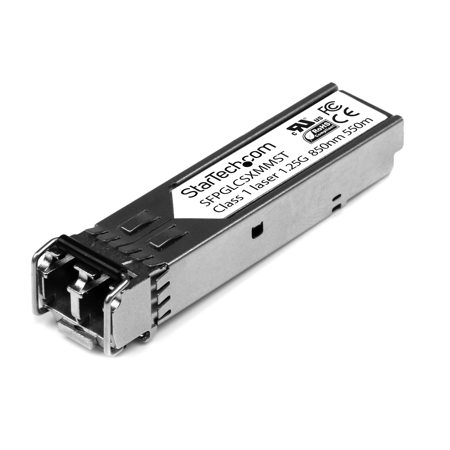
To get the most out of your switch’s SFP capability, it’s important to select compatible transceiver modules and fiber cables that fit your distance and bandwidth requirements. For those new to fiber networking, starting with multimode fiber and 1000BASE-SX SFP modules can be a straightforward, cost-effective option for short to medium distances. As your needs evolve, these switches make it easy to scale up—simply swap in different SFP modules or add more fiber runs as your network grows. If you’re comparing gigabit options to other speeds, or considering entry-level alternatives for less demanding environments, you might also explore our selection of Fast Ethernet Switches for additional flexibility. Ultimately, a Gigabit Ethernet switch with SFP ports can serve as the heart of your network, delivering the speed, distance, and adaptability required for today’s connected world—whether you’re supporting a creative team, a growing business, or a tech-forward home.
Selecting the right Gigabit Ethernet switch with SFP ports involves considering several practical factors. The number of ports is a primary concern—think about both your current device count and any anticipated expansion, as the right switch should accommodate growth without requiring immediate upgrades. Managed switches offer advanced features like VLAN support, traffic prioritization, and security controls, making them ideal for business or educational settings where network segmentation and performance tuning are important. For creative professionals handling high-resolution video editing or large audio projects, the bandwidth provided by gigabit speeds and fiber uplinks ensures smooth, uninterrupted workflows. In studios where equipment is often reconfigured, the hot-swappable nature of SFP modules is a genuine time-saver. Even in home labs or smart home setups, these switches can serve as the backbone for media servers, security systems, and remote workstations, especially as cooler months bring more indoor activities and digital projects. When gifting, a Gigabit Ethernet switch with SFP ports is a thoughtful choice for tech enthusiasts, small business owners, or anyone upgrading their home office—offering a practical boost to speed, reliability, and future readiness.
To get the most out of your switch’s SFP capability, it’s important to select compatible transceiver modules and fiber cables that fit your distance and bandwidth requirements. For those new to fiber networking, starting with multimode fiber and 1000BASE-SX SFP modules can be a straightforward, cost-effective option for short to medium distances. As your needs evolve, these switches make it easy to scale up—simply swap in different SFP modules or add more fiber runs as your network grows. If you’re comparing gigabit options to other speeds, or considering entry-level alternatives for less demanding environments, you might also explore our selection of Fast Ethernet Switches for additional flexibility. Ultimately, a Gigabit Ethernet switch with SFP ports can serve as the heart of your network, delivering the speed, distance, and adaptability required for today’s connected world—whether you’re supporting a creative team, a growing business, or a tech-forward home.