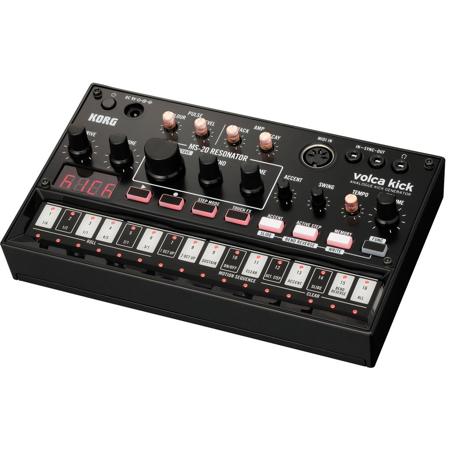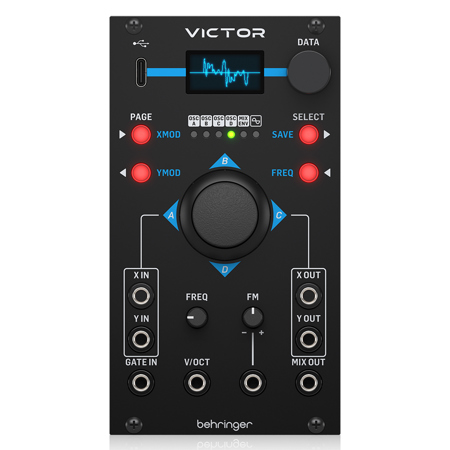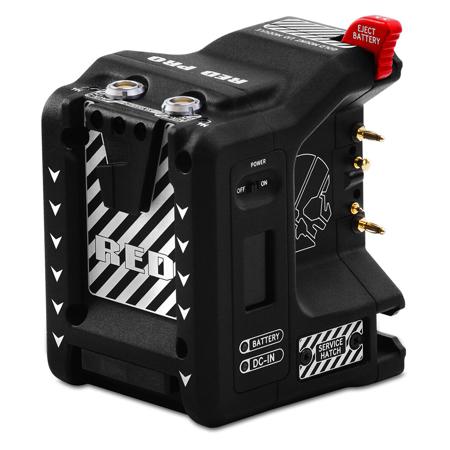
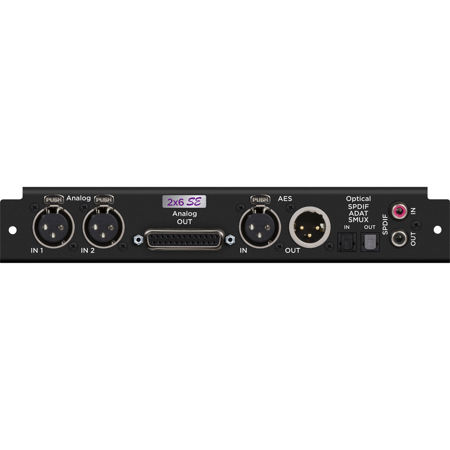
I/O Modules
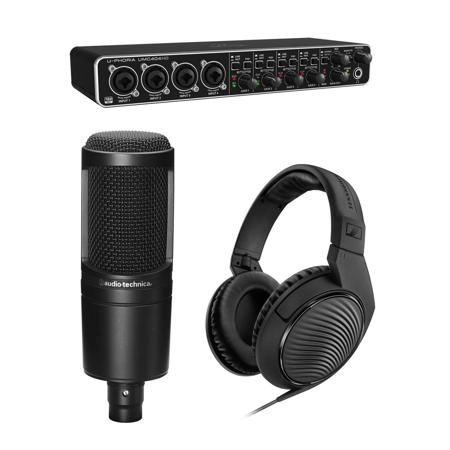
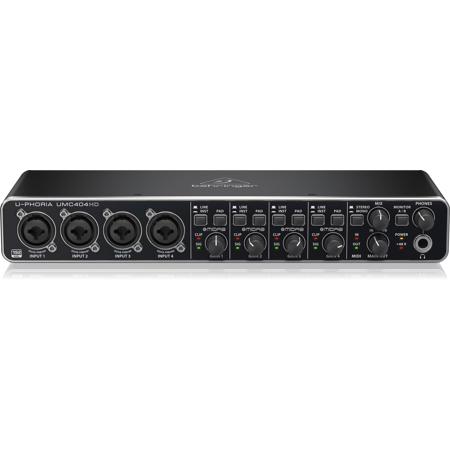
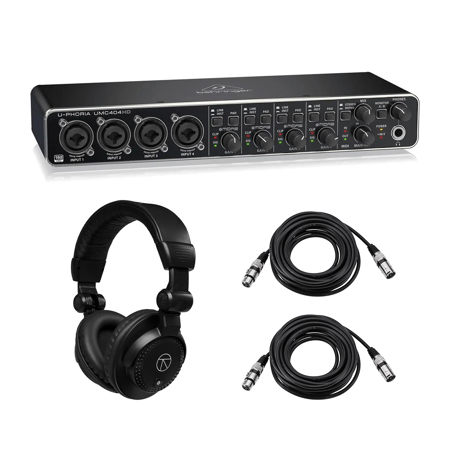
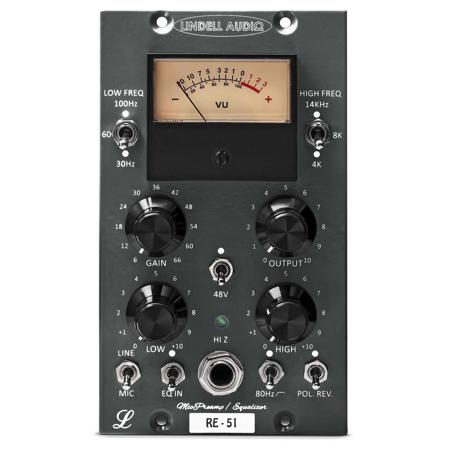
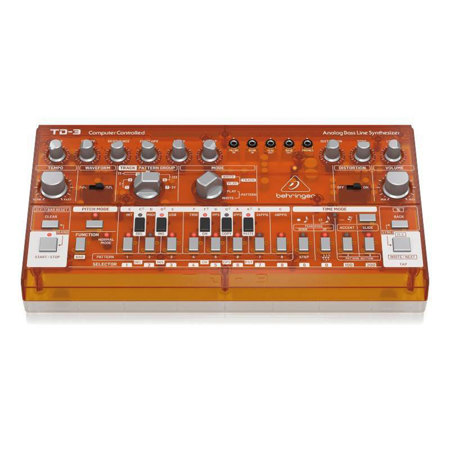
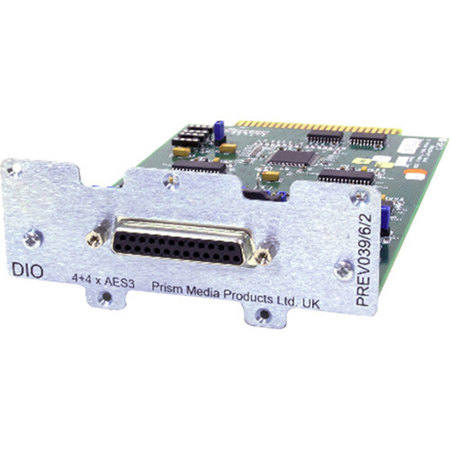
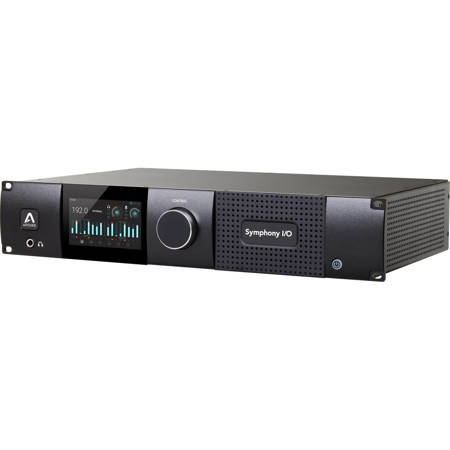
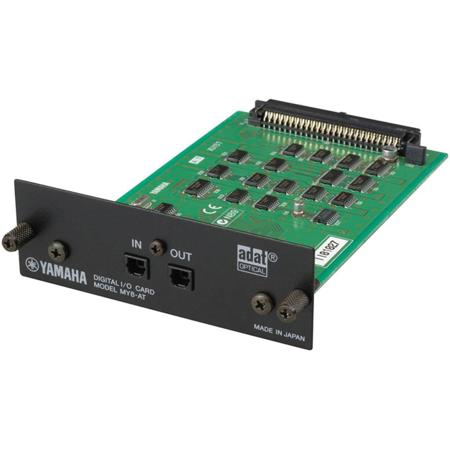
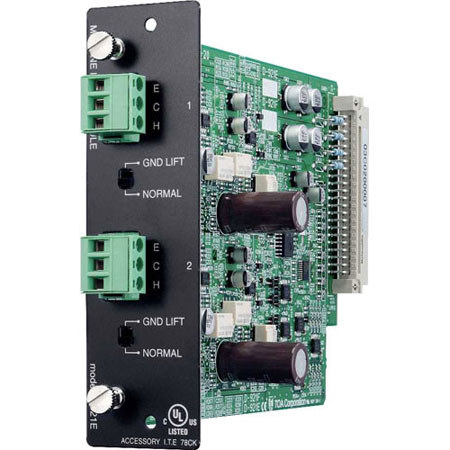
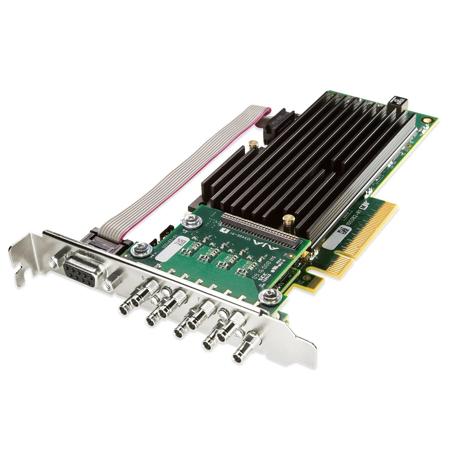
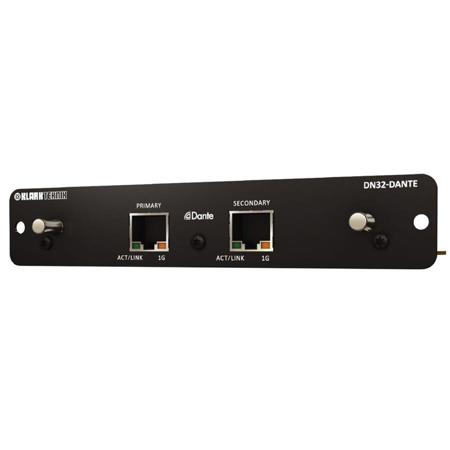
Input/Output (I/O) modules are essential building blocks for anyone designing, upgrading, or maintaining a robust electronic or automation system. Whether you’re integrating new sensors into an industrial environment, expanding a studio’s audio capabilities with an audio expander, or simply looking to streamline your workflow, these modules serve as the critical link between digital controllers and the physical world. I/O modules translate real-world signals—ranging from the simple on/off of a switch to the nuanced analog voltages of temperature sensors—into data that your system can process and act upon. Digital I/O modules are ideal for binary operations, such as activating relays or monitoring safety interlocks, while analog I/O modules handle the subtleties of variable signals, making them indispensable for applications like environmental monitoring, process automation, or even advanced audio production. Specialty modules, meanwhile, open the door to more complex tasks such as network communication, signal conversion, or integrating legacy equipment into modern setups, ensuring that your entire ecosystem communicates seamlessly.
As the days grow longer and the pace of projects often picks up, it’s a popular season for upgrades and new installations—whether in industrial automation, smart home environments, or creative studios. Engineers, system integrators, and audio professionals alike rely on I/O modules to bring flexibility and scalability to their setups. For those managing a factory floor, the right combination of digital and analog modules can mean the difference between smooth, continuous operation and costly downtime. In the world of audio and video production, I/O modules, including audio expanders, are invaluable for routing multiple channels, interfacing with various gear, and ensuring pristine signal flow—perfect for capturing live events, managing broadcast feeds, or enhancing a home studio. The versatility of these modules also makes them a thoughtful gift for the technically inclined, from the hobbyist automating their first smart lights to the professional upgrading a control room or expanding a modular synthesizer. When selecting I/O modules, it’s important to consider compatibility with your existing controllers, the types of signals you’ll be working with, and the communication protocols required—whether you’re connecting over Ethernet, serial, or proprietary industrial networks. Reliability, diagnostic features, and ease of installation are also key factors, especially for systems that demand high uptime and minimal maintenance.
Beyond industrial and creative applications, I/O modules are increasingly found in educational settings and research labs, where flexibility and adaptability are paramount. Students and instructors use them to prototype robotics projects, monitor environmental data, or build interactive installations. Researchers might deploy specialty modules for precise data acquisition or to run safety protocols in experimental setups. For audio creators, integrating I/O modules with Mic Interfaces can unlock new possibilities for capturing and processing sound, whether in the field or in a controlled studio environment. As technology continues to evolve and the demand for smarter, more interconnected systems grows, I/O modules remain at the heart of innovation, offering a reliable bridge between imagination and reality, and empowering users to bring their most ambitious projects to life—no matter the season.
As the days grow longer and the pace of projects often picks up, it’s a popular season for upgrades and new installations—whether in industrial automation, smart home environments, or creative studios. Engineers, system integrators, and audio professionals alike rely on I/O modules to bring flexibility and scalability to their setups. For those managing a factory floor, the right combination of digital and analog modules can mean the difference between smooth, continuous operation and costly downtime. In the world of audio and video production, I/O modules, including audio expanders, are invaluable for routing multiple channels, interfacing with various gear, and ensuring pristine signal flow—perfect for capturing live events, managing broadcast feeds, or enhancing a home studio. The versatility of these modules also makes them a thoughtful gift for the technically inclined, from the hobbyist automating their first smart lights to the professional upgrading a control room or expanding a modular synthesizer. When selecting I/O modules, it’s important to consider compatibility with your existing controllers, the types of signals you’ll be working with, and the communication protocols required—whether you’re connecting over Ethernet, serial, or proprietary industrial networks. Reliability, diagnostic features, and ease of installation are also key factors, especially for systems that demand high uptime and minimal maintenance.
Beyond industrial and creative applications, I/O modules are increasingly found in educational settings and research labs, where flexibility and adaptability are paramount. Students and instructors use them to prototype robotics projects, monitor environmental data, or build interactive installations. Researchers might deploy specialty modules for precise data acquisition or to run safety protocols in experimental setups. For audio creators, integrating I/O modules with Mic Interfaces can unlock new possibilities for capturing and processing sound, whether in the field or in a controlled studio environment. As technology continues to evolve and the demand for smarter, more interconnected systems grows, I/O modules remain at the heart of innovation, offering a reliable bridge between imagination and reality, and empowering users to bring their most ambitious projects to life—no matter the season.