VCA Modules
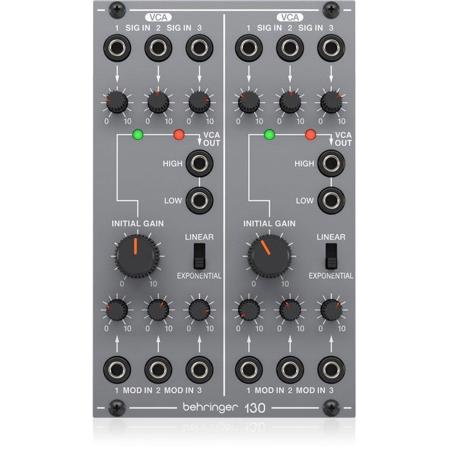
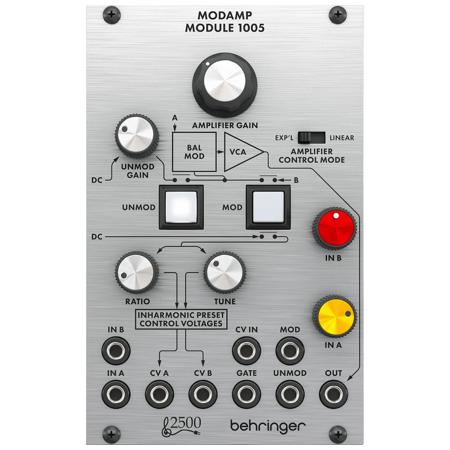
In the evolving world of modular synthesis, the VCA module stands as a fundamental building block for any creative sound designer, performer, or music producer. Whether you’re piecing together your first Eurorack system or expanding a seasoned studio rig, a VCA (Voltage-Controlled Amplifier) module is essential for dynamic control over audio and CV signals. At its core, a VCA module acts like a voltage-controlled volume knob—shaping the amplitude of sounds and modulations in real time. This dynamic shaping is what brings life and movement to a patch, allowing you to sculpt everything from subtle swells to punchy percussive hits. For those who enjoy exploring new sonic textures as the weather warms and inspiration flows, VCAs open the door to expressive articulation. Imagine patching an envelope generator to the CV input of a VCA and suddenly, a static drone transforms into a plucked string or a swelling pad—each note rising and falling with organic nuance. This ability to mimic acoustic instrument articulation is what makes VCAs invaluable for musicians aiming to blur the line between electronic and organic sound.
Beyond basic amplitude control, VCA modules play a pivotal role in advanced modulation routing. They allow you to fine-tune how much an LFO affects a filter cutoff or to automate the intensity of an effect using external controllers. For producers and live performers, this means greater flexibility to adapt sounds on the fly—whether you’re dialing in tremolo effects for a shimmering lead or scaling modulation depth for evolving textures during a set. VCAs are also a thoughtful gift for synthesizer enthusiasts, sound designers, or anyone venturing into modular setups. As the cooler months approach and creativity shifts indoors, a well-chosen VCA module can inspire hours of experimentation, from crafting intricate rhythmic patterns to layering evolving soundscapes. The modular community often shares stories of how adding just one more VCA unlocked new creative avenues—enabling sidechain-style ducking, stereo panning, or even voltage-controlled mixing for more complex patches. Because VCAs are so versatile, they’re equally at home in compact travel cases as they are in expansive studio racks, making them a reliable choice for a wide range of users.
When considering which VCA module to add to your system, think about your workflow and musical goals. Some modules offer multiple channels for polyphonic setups or voltage-controlled mixing, while others focus on compact designs to maximize limited rack space. Features like linear versus exponential response curves, normalization between channels, and the ability to process both audio and CV signals can influence your creative process. For anyone building a modular rig—whether as a hobbyist, a professional sound designer, or a musician seeking hands-on control—VCAs are the silent workhorses that shape and animate your sound. If you’re curious about how VCAs fit into the broader landscape of analog synthesis, or you’re looking to explore complementary modules, you can find a curated selection of related gear on our Analog Synth Modules page. With the right VCA module in your rack, you’ll discover new dimensions of control, expression, and sonic possibility—no matter where your musical journey takes you.
Beyond basic amplitude control, VCA modules play a pivotal role in advanced modulation routing. They allow you to fine-tune how much an LFO affects a filter cutoff or to automate the intensity of an effect using external controllers. For producers and live performers, this means greater flexibility to adapt sounds on the fly—whether you’re dialing in tremolo effects for a shimmering lead or scaling modulation depth for evolving textures during a set. VCAs are also a thoughtful gift for synthesizer enthusiasts, sound designers, or anyone venturing into modular setups. As the cooler months approach and creativity shifts indoors, a well-chosen VCA module can inspire hours of experimentation, from crafting intricate rhythmic patterns to layering evolving soundscapes. The modular community often shares stories of how adding just one more VCA unlocked new creative avenues—enabling sidechain-style ducking, stereo panning, or even voltage-controlled mixing for more complex patches. Because VCAs are so versatile, they’re equally at home in compact travel cases as they are in expansive studio racks, making them a reliable choice for a wide range of users.
When considering which VCA module to add to your system, think about your workflow and musical goals. Some modules offer multiple channels for polyphonic setups or voltage-controlled mixing, while others focus on compact designs to maximize limited rack space. Features like linear versus exponential response curves, normalization between channels, and the ability to process both audio and CV signals can influence your creative process. For anyone building a modular rig—whether as a hobbyist, a professional sound designer, or a musician seeking hands-on control—VCAs are the silent workhorses that shape and animate your sound. If you’re curious about how VCAs fit into the broader landscape of analog synthesis, or you’re looking to explore complementary modules, you can find a curated selection of related gear on our Analog Synth Modules page. With the right VCA module in your rack, you’ll discover new dimensions of control, expression, and sonic possibility—no matter where your musical journey takes you.