
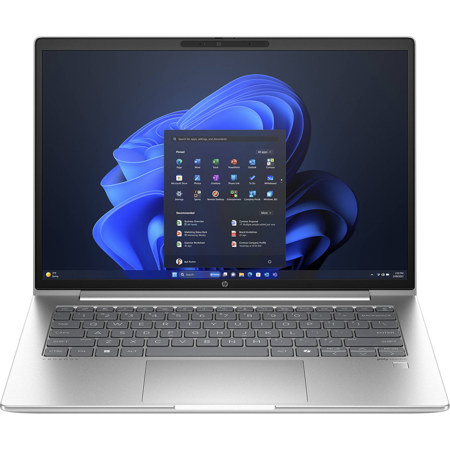
Laptop Processors
When exploring laptop processors, it’s helpful to understand just how much the right CPU can impact your daily computing experience, whether you’re managing spreadsheets in a sunlit home office, editing photos in a bustling café, or diving into immersive gaming sessions as the evenings cool. The processor is the heart of your laptop, orchestrating everything from basic web browsing to demanding creative workflows and real-time AI tasks. As technology evolves through the warmer and cooler months, users are seeing a shift toward processors that not only deliver raw performance but also balance energy efficiency, battery life, and intelligent processing capabilities. For students preparing for a new school year, professionals seeking a reliable work companion, or creatives upgrading their mobile studio, choosing the right laptop processor is a decision that shapes how smoothly and efficiently you interact with your digital world.
The landscape of laptop processors is more nuanced than ever, with options tailored to a range of needs and budgets. Entry-level and mid-tier processors are ideal for everyday productivity—think checking emails, drafting documents, and streaming music while enjoying a summer breeze through an open window. These chips typically offer excellent battery life and quiet operation, keeping your device cool and responsive during long study sessions or remote meetings. For those whose days transition from light multitasking to more demanding creative pursuits, such as photo editing or light video rendering, stepping up to a mid-to-high tier processor brings extra cores and higher clock speeds into play. This means smoother transitions between tasks, faster exports, and the freedom to run multiple programs without lag. Power users—gamers, 3D artists, and engineers—will appreciate the upper echelon of laptop processors, which leverage advanced architectures, higher core counts, and dedicated cooling solutions to tackle intensive workloads. These CPUs are often paired with discrete graphics cards, transforming laptops into portable powerhouses for rendering, simulation, and competitive gaming, whether you’re at home or on the go.
When evaluating which laptop processor best suits your needs, consider the core specifications that define performance. The number of cores is crucial for multitasking; more cores allow your laptop to handle several heavy programs at once, from video conferencing to real-time AI image generation. Clock speed, measured in gigahertz (GHz), determines how quickly your processor executes instructions—a higher speed translates to snappier performance, especially in tasks like gaming or complex calculations. Modern laptops increasingly feature Neural Processing Units (NPUs), designed to accelerate AI-driven applications such as voice transcription or smart photo enhancement, all while conserving battery life. These advances make laptops more versatile and future-ready, perfect for students, remote workers, and families who value both longevity and adaptability in their technology. If you’re interested in learning more about specific CPU families and their unique strengths, you can explore our curated selection of Intel Core Processors for deeper insights and options. Whether you’re gifting a laptop to a recent graduate, upgrading your setup for the busy fall season, or simply seeking a smoother digital experience, understanding the role of the laptop processor is key to finding a device that fits seamlessly into your lifestyle.
The landscape of laptop processors is more nuanced than ever, with options tailored to a range of needs and budgets. Entry-level and mid-tier processors are ideal for everyday productivity—think checking emails, drafting documents, and streaming music while enjoying a summer breeze through an open window. These chips typically offer excellent battery life and quiet operation, keeping your device cool and responsive during long study sessions or remote meetings. For those whose days transition from light multitasking to more demanding creative pursuits, such as photo editing or light video rendering, stepping up to a mid-to-high tier processor brings extra cores and higher clock speeds into play. This means smoother transitions between tasks, faster exports, and the freedom to run multiple programs without lag. Power users—gamers, 3D artists, and engineers—will appreciate the upper echelon of laptop processors, which leverage advanced architectures, higher core counts, and dedicated cooling solutions to tackle intensive workloads. These CPUs are often paired with discrete graphics cards, transforming laptops into portable powerhouses for rendering, simulation, and competitive gaming, whether you’re at home or on the go.
When evaluating which laptop processor best suits your needs, consider the core specifications that define performance. The number of cores is crucial for multitasking; more cores allow your laptop to handle several heavy programs at once, from video conferencing to real-time AI image generation. Clock speed, measured in gigahertz (GHz), determines how quickly your processor executes instructions—a higher speed translates to snappier performance, especially in tasks like gaming or complex calculations. Modern laptops increasingly feature Neural Processing Units (NPUs), designed to accelerate AI-driven applications such as voice transcription or smart photo enhancement, all while conserving battery life. These advances make laptops more versatile and future-ready, perfect for students, remote workers, and families who value both longevity and adaptability in their technology. If you’re interested in learning more about specific CPU families and their unique strengths, you can explore our curated selection of Intel Core Processors for deeper insights and options. Whether you’re gifting a laptop to a recent graduate, upgrading your setup for the busy fall season, or simply seeking a smoother digital experience, understanding the role of the laptop processor is key to finding a device that fits seamlessly into your lifestyle.