Leica Lenses For Wildlife Photography
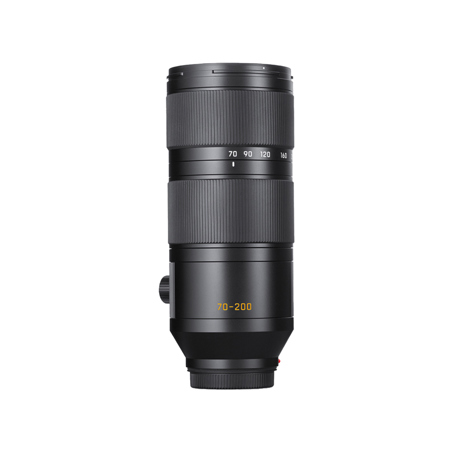
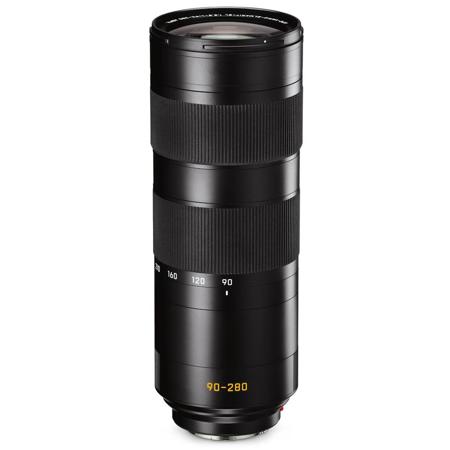
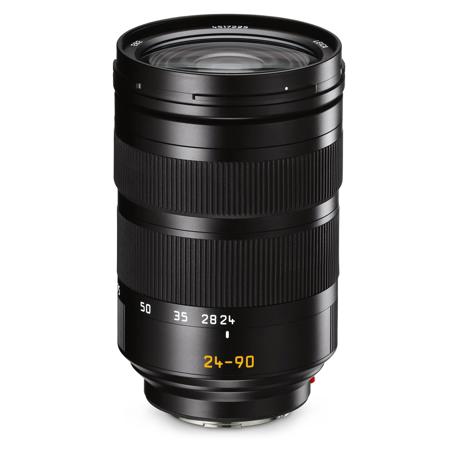
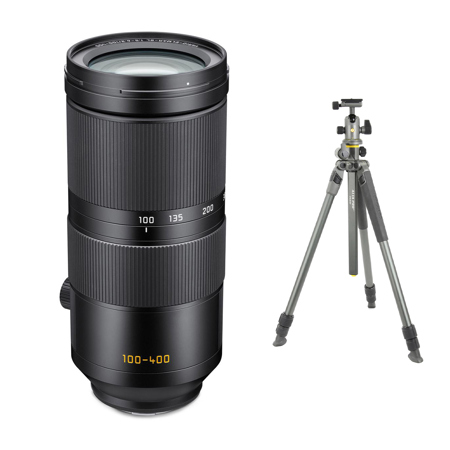
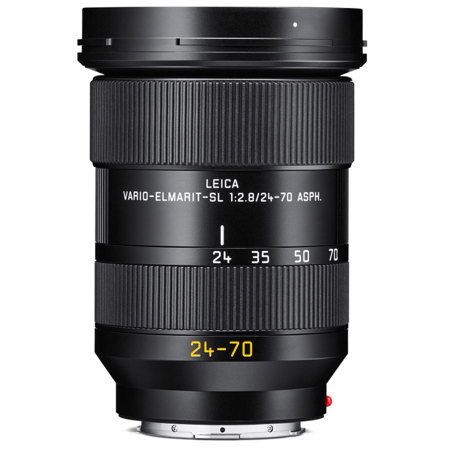
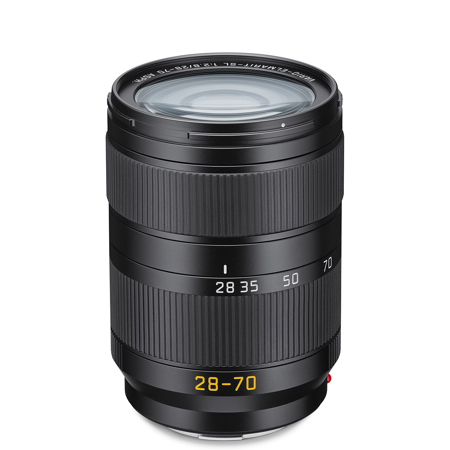
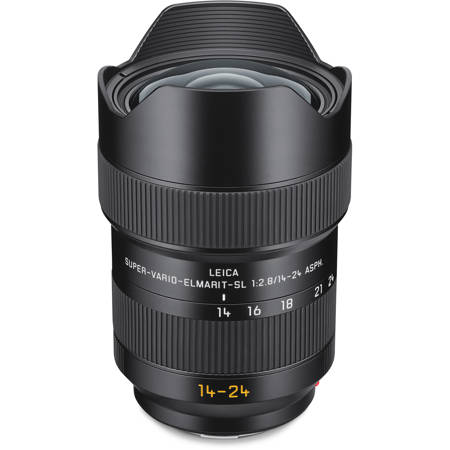
Wildlife photography is a pursuit that calls for patience, skill, and the right gear, with the choice of lens playing a pivotal role in capturing those fleeting moments in nature. As the days grow longer and wildlife becomes more active, photographers venture out to forests, grasslands, and wetlands, eager to document the vibrant life that emerges with the change of seasons. Leica lenses, renowned for their optical precision and robust build, are especially valued by wildlife photographers who demand both reliability and performance in the field. Whether trekking through dew-laden meadows at dawn or waiting quietly in a camouflaged hide as dusk falls, the ability to focus quickly and accurately on distant or fast-moving subjects is essential. A high-quality l mount zoom lens, for instance, offers the flexibility to frame elusive animals without disturbing their natural behavior, allowing photographers to adapt to unpredictable environments and shifting light conditions with ease. The clarity and sharpness provided by these lenses make them indispensable tools for both seasoned professionals and passionate hobbyists seeking to elevate their craft.
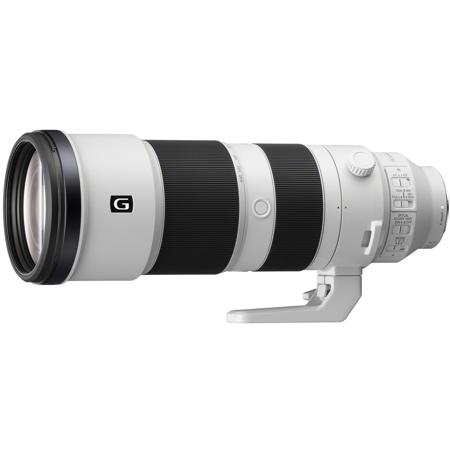
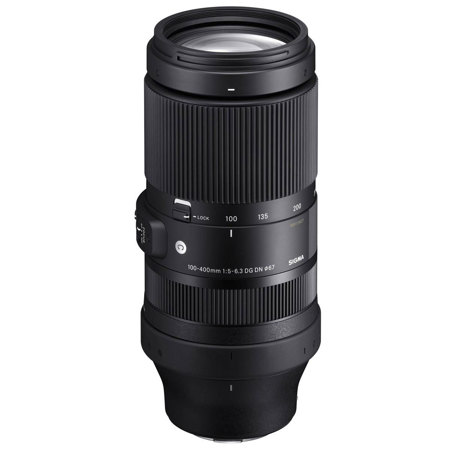
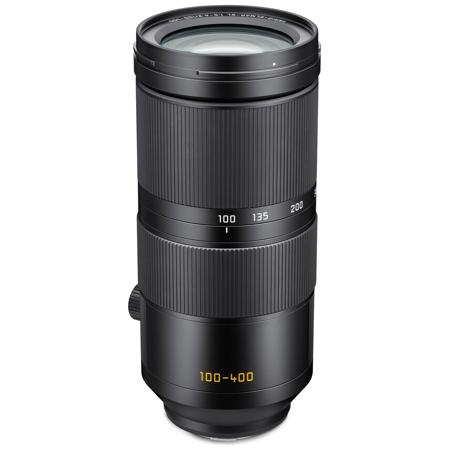
Selecting the right Leica lens for wildlife photography involves several important considerations, tailored to the unique challenges of capturing animals in their natural habitats. Focal length is a top priority, as longer lenses grant the reach needed to photograph distant subjects without encroaching on their space, preserving both safety and authenticity. Telephoto and super-telephoto options are particularly popular, offering the magnification required to isolate a bird in flight or a deer grazing at the edge of a clearing. Aperture size also plays a crucial role, with wider apertures enabling faster shutter speeds and beautiful background separation, even in the low light of early morning or late evening. For those who often find themselves hiking or traveling, lightweight and weather-sealed designs are invaluable, ensuring that the lens can withstand sudden changes in weather or the rigors of remote locations. Wildlife photographers may also appreciate the versatility of a l mount zoom lens, which allows for quick adjustments in composition when animals move unpredictably through the scene. These lenses make thoughtful gifts for nature lovers, outdoor adventurers, or anyone passionate about photography, providing the means to document memorable encounters with wildlife, whether on a summer camping trip or during the first crisp days of fall.
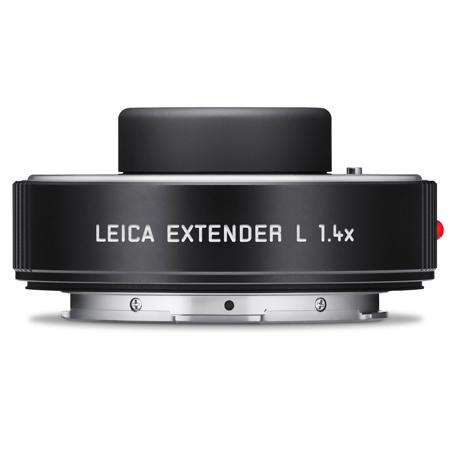
To further extend the reach and capabilities of your wildlife photography setup, many photographers explore the use of lens extenders, which can be a practical addition for those aiming to capture elusive subjects from even greater distances. These accessories are particularly useful when photographing shy or rare species that are best observed from afar, and they integrate seamlessly with compatible Leica lenses to provide additional magnification without significant loss of image quality. For more information on choosing and using these valuable tools, you can explore our dedicated page on Leica Lens Extenders For Wildlife Photography. As wildlife activity peaks and the natural world offers endless opportunities for discovery, investing in the right Leica lens will help ensure that every adventure is documented with the clarity and detail it deserves, turning fleeting moments into lasting memories. Whether you’re gifting a lens to an aspiring wildlife photographer or expanding your own gear collection, the right choice will inspire countless hours spent outdoors, capturing the beauty and wonder of the animal kingdom.
Selecting the right Leica lens for wildlife photography involves several important considerations, tailored to the unique challenges of capturing animals in their natural habitats. Focal length is a top priority, as longer lenses grant the reach needed to photograph distant subjects without encroaching on their space, preserving both safety and authenticity. Telephoto and super-telephoto options are particularly popular, offering the magnification required to isolate a bird in flight or a deer grazing at the edge of a clearing. Aperture size also plays a crucial role, with wider apertures enabling faster shutter speeds and beautiful background separation, even in the low light of early morning or late evening. For those who often find themselves hiking or traveling, lightweight and weather-sealed designs are invaluable, ensuring that the lens can withstand sudden changes in weather or the rigors of remote locations. Wildlife photographers may also appreciate the versatility of a l mount zoom lens, which allows for quick adjustments in composition when animals move unpredictably through the scene. These lenses make thoughtful gifts for nature lovers, outdoor adventurers, or anyone passionate about photography, providing the means to document memorable encounters with wildlife, whether on a summer camping trip or during the first crisp days of fall.
To further extend the reach and capabilities of your wildlife photography setup, many photographers explore the use of lens extenders, which can be a practical addition for those aiming to capture elusive subjects from even greater distances. These accessories are particularly useful when photographing shy or rare species that are best observed from afar, and they integrate seamlessly with compatible Leica lenses to provide additional magnification without significant loss of image quality. For more information on choosing and using these valuable tools, you can explore our dedicated page on Leica Lens Extenders For Wildlife Photography. As wildlife activity peaks and the natural world offers endless opportunities for discovery, investing in the right Leica lens will help ensure that every adventure is documented with the clarity and detail it deserves, turning fleeting moments into lasting memories. Whether you’re gifting a lens to an aspiring wildlife photographer or expanding your own gear collection, the right choice will inspire countless hours spent outdoors, capturing the beauty and wonder of the animal kingdom.