
Wildlife Photography Camera Lenses
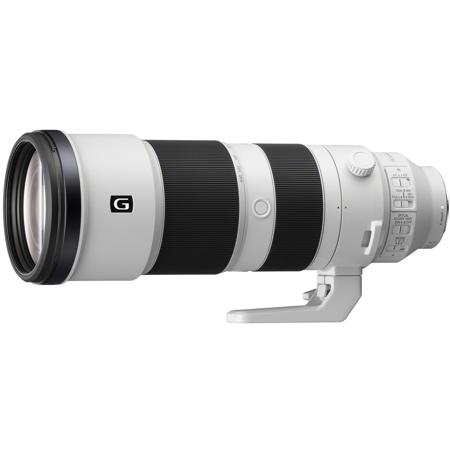
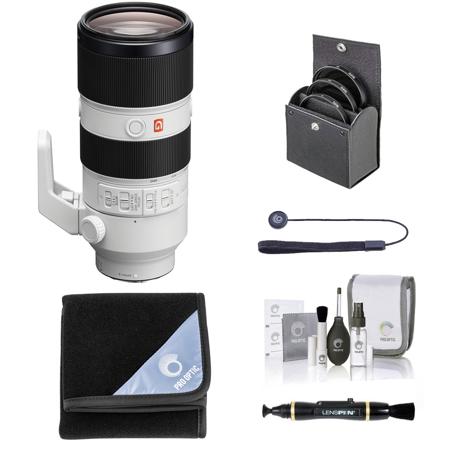
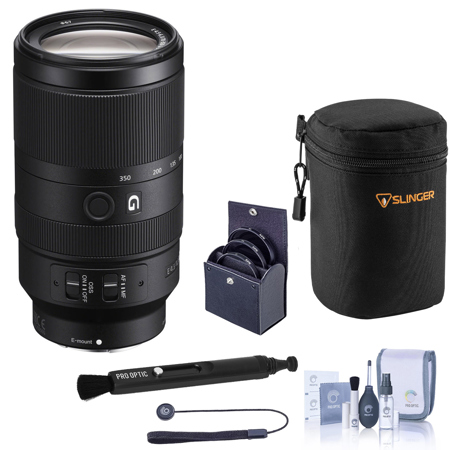
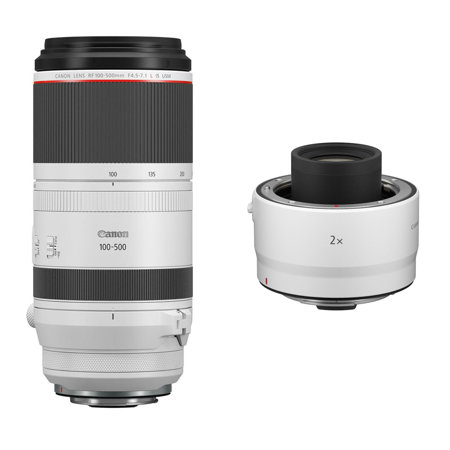
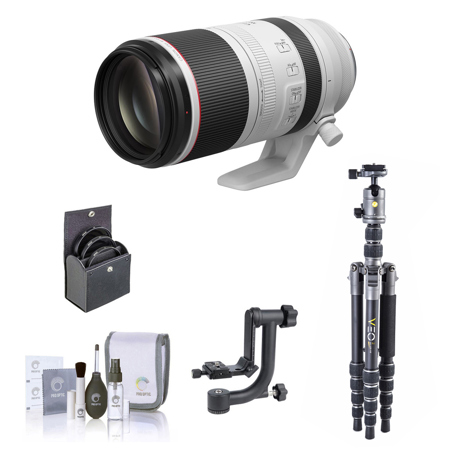
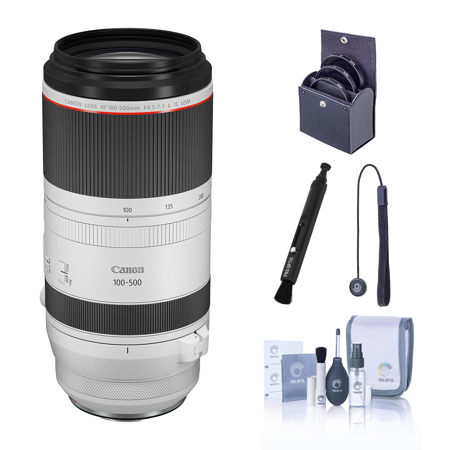
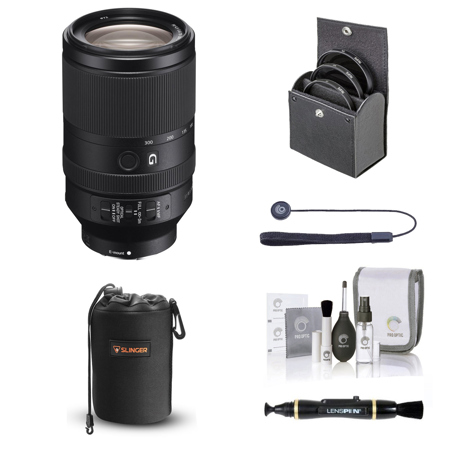
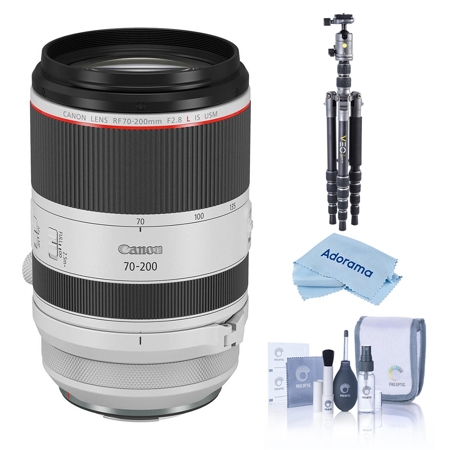
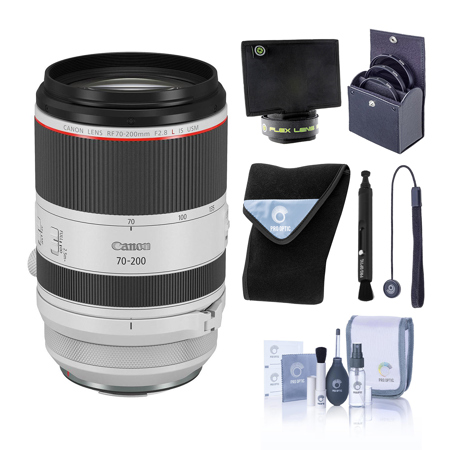
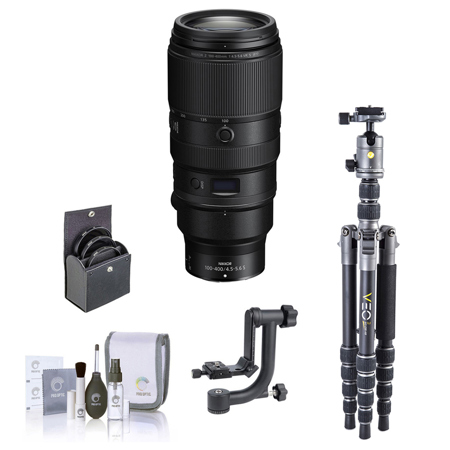
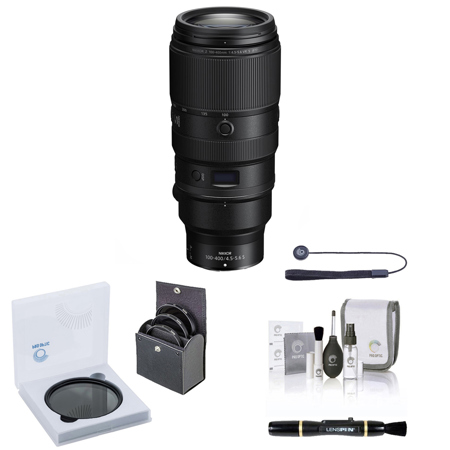
Wildlife photography is a pursuit that calls for patience, technical skill, and the right equipment to capture those fleeting moments when nature reveals its most captivating subjects. The choice of camera lens is especially critical, as it determines how close you can get to distant animals, how well you can track movement, and how effectively you can isolate your subject from its natural surroundings. Whether you’re an experienced wildlife photographer seeking to expand your kit or an enthusiastic beginner eager to document your first encounters with wildlife, understanding the unique demands of this genre is key. Long telephoto lenses—typically in the 400mm to 600mm range—are favored for their ability to bring faraway creatures into sharp focus, making them indispensable for birding or photographing elusive mammals. Zoom lenses in the 100-400mm or 100-500mm range offer versatility for safaris or hikes, allowing for quick adjustments as subjects move closer or further away. Prime lenses, while less flexible in focal length, are prized for their sharpness and speed, especially in low-light conditions at dawn or dusk when many animals are most active.
When selecting a wildlife photography lens, several factors come into play beyond just focal length. Fast autofocus performance is essential for tracking animals in motion, especially birds in flight or mammals on the run. Image stabilization features help minimize blur when shooting handheld, which is often necessary in unpredictable outdoor environments. Weather sealing is another important consideration, protecting your investment from dust, moisture, and sudden changes in weather—common challenges as the seasons shift from the warmth of summer into the crisper days of early fall. The wildlife photography lens price can vary significantly depending on these features, the quality of optics, and the maximum aperture. While fast, wide-aperture lenses (such as f/2.8 or f/4) excel in low light and create beautiful background blur, they tend to be heavier and more costly. Lenses with narrower apertures (f/6.3 to f/8) offer a more lightweight and affordable option, making them a practical choice for long hikes or travel, especially when shooting in bright daylight. Teleconverter compatibility is another feature that appeals to many wildlife photographers, as it allows you to extend your reach without investing in an entirely new lens.
Wildlife photography lenses also make thoughtful gifts for nature lovers, travelers, or anyone passionate about the outdoors. Whether it’s for a birthday, a special milestone, or simply to support someone’s creative journey, a quality lens can open up new possibilities for exploration and storytelling. These lenses are not just for professionals; hobbyists, students, and families embarking on summer road trips or autumn hikes can all benefit from the ability to capture wildlife encounters in stunning detail. For those interested in expanding their photographic repertoire to include landscapes, macro shots, or other natural subjects, exploring a broader selection of Nature Photography Lenses can provide additional inspiration and options. As you plan your adventures through the changing seasons, investing in the right wildlife photography lens ensures you’ll be ready to capture the beauty and drama of the natural world—whether you’re quietly observing a fox at sunrise, tracking a soaring raptor, or documenting the subtle changes in the landscape as summer gives way to fall.
When selecting a wildlife photography lens, several factors come into play beyond just focal length. Fast autofocus performance is essential for tracking animals in motion, especially birds in flight or mammals on the run. Image stabilization features help minimize blur when shooting handheld, which is often necessary in unpredictable outdoor environments. Weather sealing is another important consideration, protecting your investment from dust, moisture, and sudden changes in weather—common challenges as the seasons shift from the warmth of summer into the crisper days of early fall. The wildlife photography lens price can vary significantly depending on these features, the quality of optics, and the maximum aperture. While fast, wide-aperture lenses (such as f/2.8 or f/4) excel in low light and create beautiful background blur, they tend to be heavier and more costly. Lenses with narrower apertures (f/6.3 to f/8) offer a more lightweight and affordable option, making them a practical choice for long hikes or travel, especially when shooting in bright daylight. Teleconverter compatibility is another feature that appeals to many wildlife photographers, as it allows you to extend your reach without investing in an entirely new lens.
Wildlife photography lenses also make thoughtful gifts for nature lovers, travelers, or anyone passionate about the outdoors. Whether it’s for a birthday, a special milestone, or simply to support someone’s creative journey, a quality lens can open up new possibilities for exploration and storytelling. These lenses are not just for professionals; hobbyists, students, and families embarking on summer road trips or autumn hikes can all benefit from the ability to capture wildlife encounters in stunning detail. For those interested in expanding their photographic repertoire to include landscapes, macro shots, or other natural subjects, exploring a broader selection of Nature Photography Lenses can provide additional inspiration and options. As you plan your adventures through the changing seasons, investing in the right wildlife photography lens ensures you’ll be ready to capture the beauty and drama of the natural world—whether you’re quietly observing a fox at sunrise, tracking a soaring raptor, or documenting the subtle changes in the landscape as summer gives way to fall.