
Camera Lens For Wildlife Photography
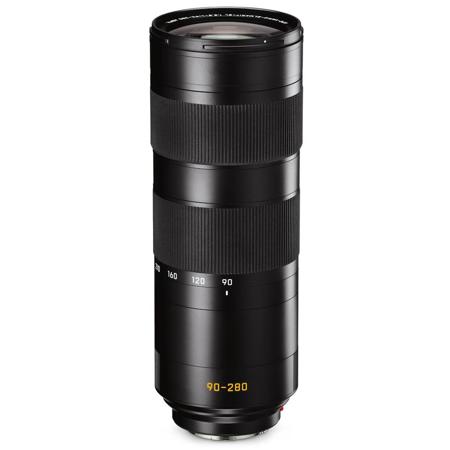
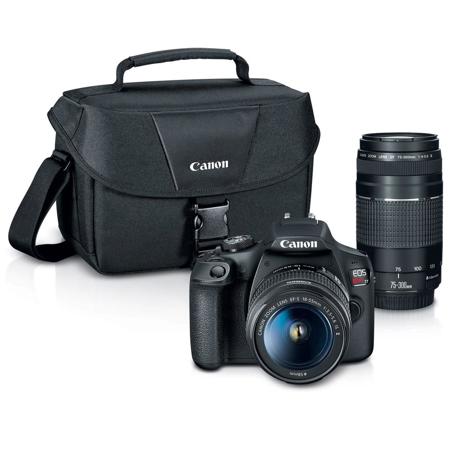
Wildlife photography is an art that demands patience, skill, and the right equipment—especially when it comes to camera lenses. The unique challenges of capturing animals in their natural habitats, often at great distances and in unpredictable lighting, mean that the choice of lens can make all the difference between a missed opportunity and a breathtaking shot. Whether you’re venturing out to snowy forests in the depths of January or waiting for the golden hour on the plains, selecting the right camera lens is crucial for both amateur enthusiasts and seasoned professionals. Telephoto and super-telephoto lenses are especially prized for their ability to bring distant subjects up close, allowing photographers to observe and document wildlife behavior without disturbing the animals. The long reach of these lenses—typically starting at 300mm and extending well beyond—enables you to fill the frame with elusive birds, agile mammals, or even the subtle details of an animal’s fur or feathers, all while maintaining a safe and respectful distance.
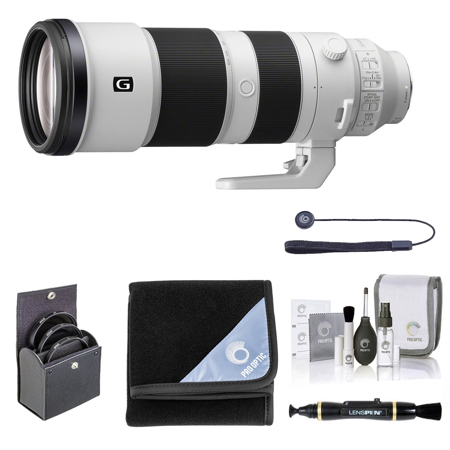
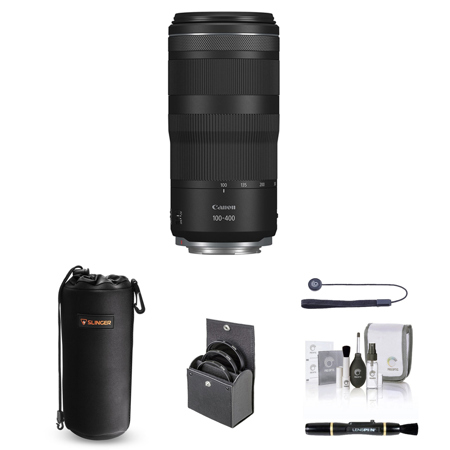
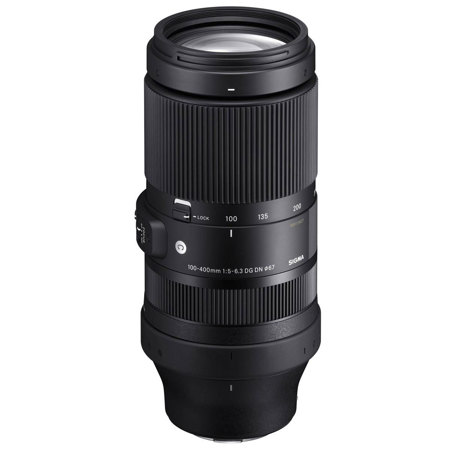
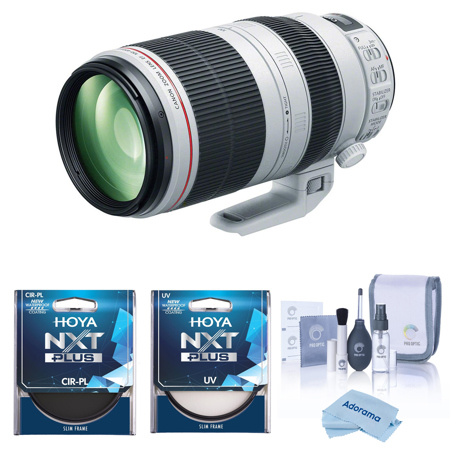
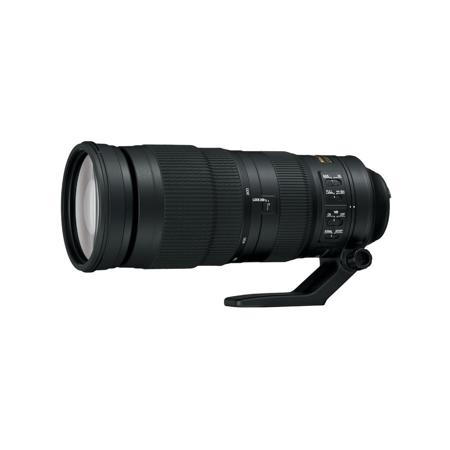
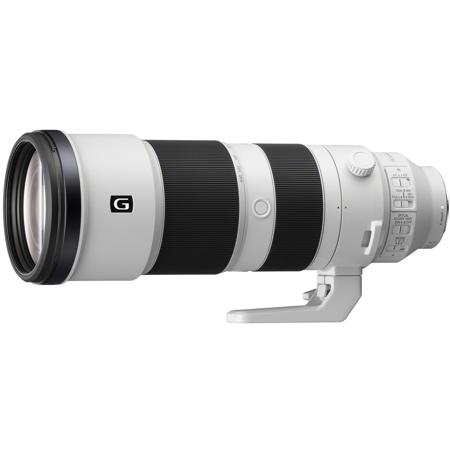
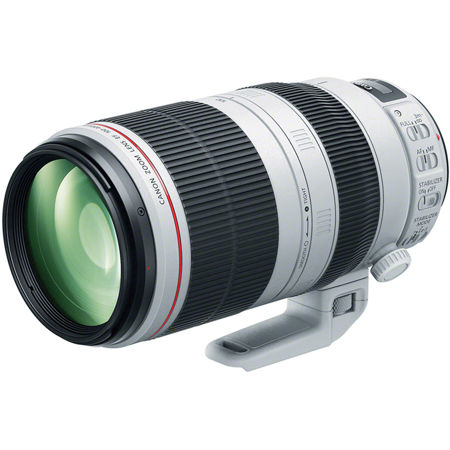
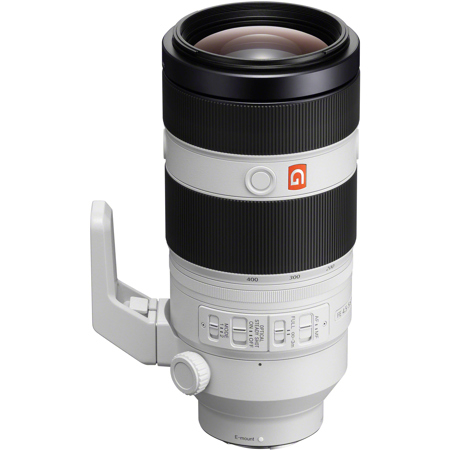
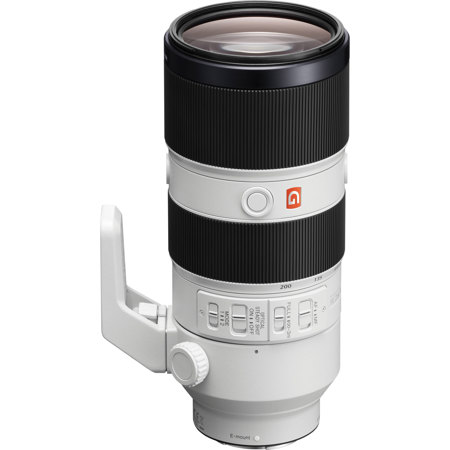
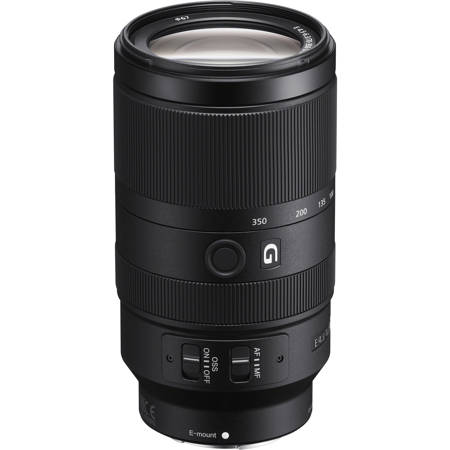
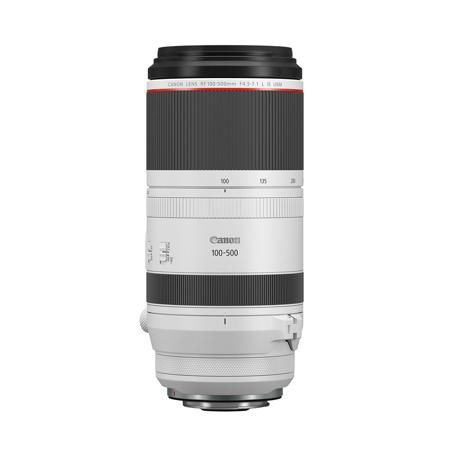
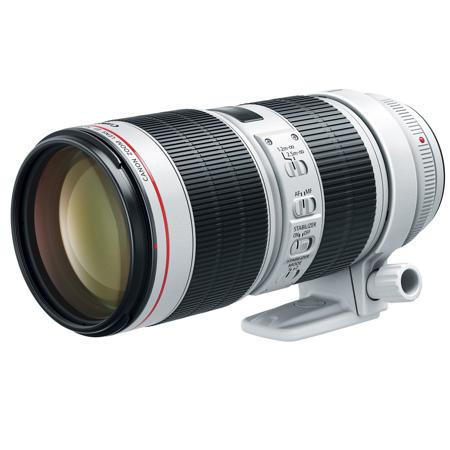
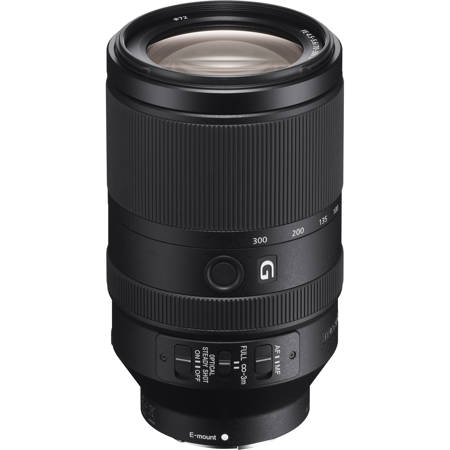
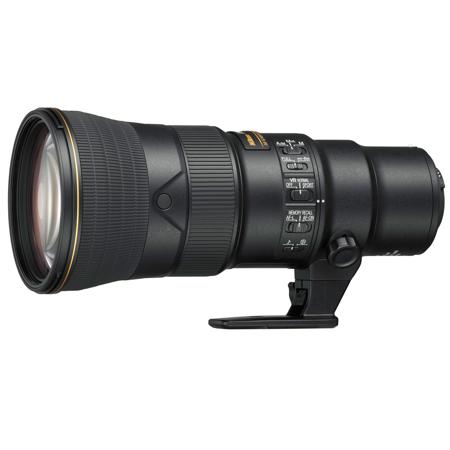
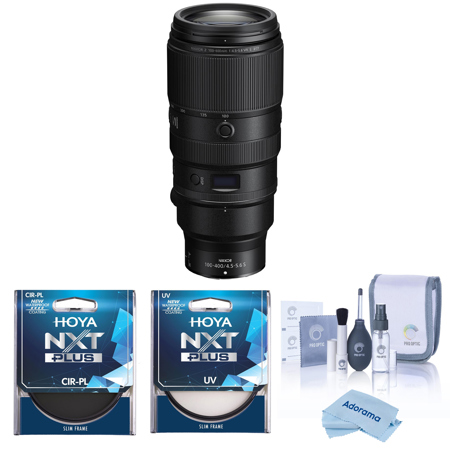
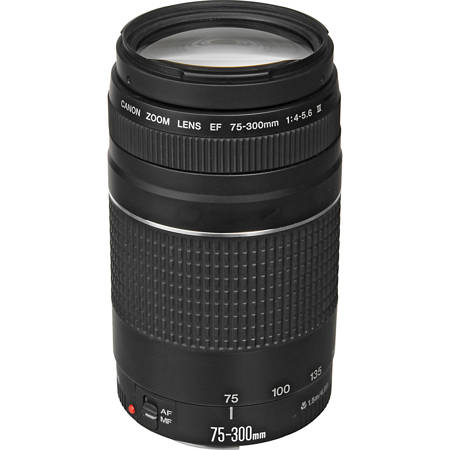
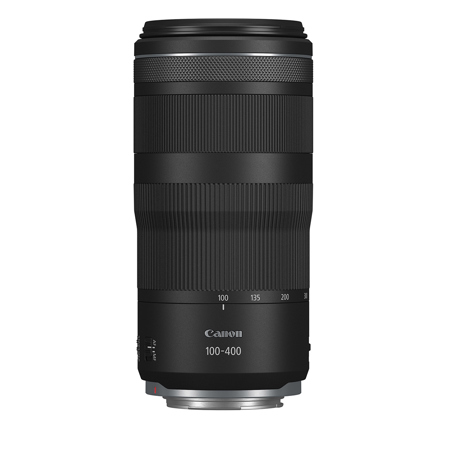
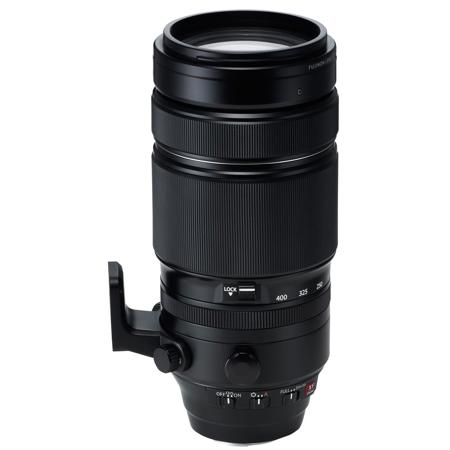
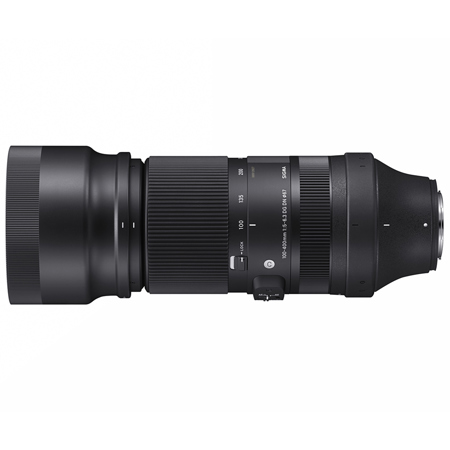
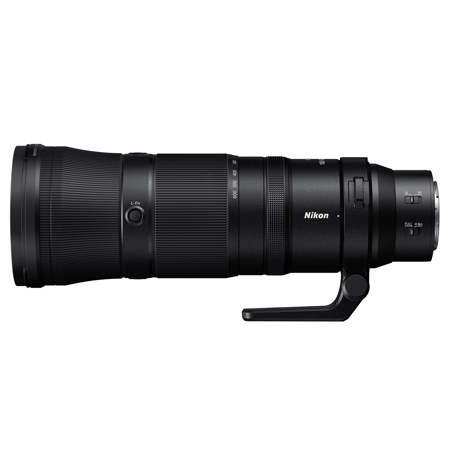
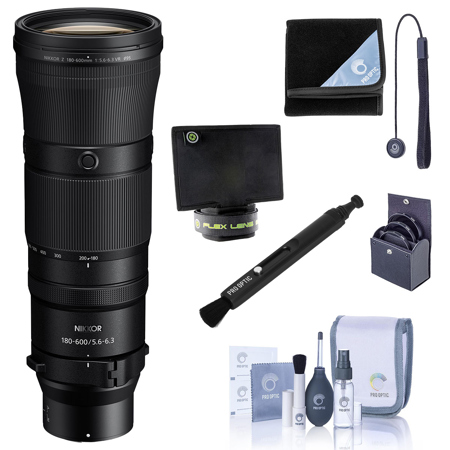
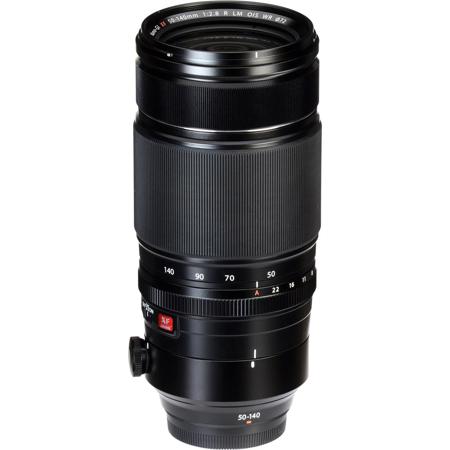
One of the most important considerations when choosing a lens for wildlife photography is focal length. Longer focal lengths, such as 400mm, 500mm, or even 600mm, are ideal for photographing small or skittish animals, especially birds, that are difficult to approach. These lenses help isolate the subject from the background, creating a beautiful, creamy bokeh that draws the viewer’s eye directly to the animal. For those who prefer versatility, zoom lenses in the 100-400mm or 200-600mm range offer the flexibility to adapt quickly to changing scenes, such as when a herd of deer suddenly emerges from the edge of a snowy thicket or a hawk swoops low over a frozen field. Fast autofocus is another vital feature, as wildlife often moves unpredictably, and the ability to lock focus swiftly can be the difference between a sharp, detailed image and a missed moment. Image stabilization is also highly beneficial, particularly when shooting handheld or in low-light conditions common during early morning or late afternoon outings. While larger, faster lenses with wide apertures (like f/2.8 or f/4) offer superior low-light performance and subject separation, they tend to be heavier and may require a tripod or monopod for extended use—something to consider if you plan to hike long distances or travel light.
A quality wildlife lens is a thoughtful gift for any nature lover, birdwatcher, or aspiring photographer eager to explore the outdoors, especially during the winter months when animal tracks in the snow or the stark contrast of wildlife against a frosty landscape create unique photographic opportunities. These lenses are not just tools—they are gateways to new experiences, allowing users to document fleeting encounters with rare species or the quiet majesty of a stag at dawn. Whether you’re looking to upgrade your own gear or searching for the perfect present for a friend who loves nature photography, understanding the balance between reach, portability, and performance is key. For those seeking more in-depth information about the best options available, our dedicated Telephoto Lens For Wildlife Photography page offers a comprehensive look at lenses designed to excel in the wild. With the right lens in hand, every outing becomes an opportunity to capture the untamed world in all its beauty and wonder.
One of the most important considerations when choosing a lens for wildlife photography is focal length. Longer focal lengths, such as 400mm, 500mm, or even 600mm, are ideal for photographing small or skittish animals, especially birds, that are difficult to approach. These lenses help isolate the subject from the background, creating a beautiful, creamy bokeh that draws the viewer’s eye directly to the animal. For those who prefer versatility, zoom lenses in the 100-400mm or 200-600mm range offer the flexibility to adapt quickly to changing scenes, such as when a herd of deer suddenly emerges from the edge of a snowy thicket or a hawk swoops low over a frozen field. Fast autofocus is another vital feature, as wildlife often moves unpredictably, and the ability to lock focus swiftly can be the difference between a sharp, detailed image and a missed moment. Image stabilization is also highly beneficial, particularly when shooting handheld or in low-light conditions common during early morning or late afternoon outings. While larger, faster lenses with wide apertures (like f/2.8 or f/4) offer superior low-light performance and subject separation, they tend to be heavier and may require a tripod or monopod for extended use—something to consider if you plan to hike long distances or travel light.
A quality wildlife lens is a thoughtful gift for any nature lover, birdwatcher, or aspiring photographer eager to explore the outdoors, especially during the winter months when animal tracks in the snow or the stark contrast of wildlife against a frosty landscape create unique photographic opportunities. These lenses are not just tools—they are gateways to new experiences, allowing users to document fleeting encounters with rare species or the quiet majesty of a stag at dawn. Whether you’re looking to upgrade your own gear or searching for the perfect present for a friend who loves nature photography, understanding the balance between reach, portability, and performance is key. For those seeking more in-depth information about the best options available, our dedicated Telephoto Lens For Wildlife Photography page offers a comprehensive look at lenses designed to excel in the wild. With the right lens in hand, every outing becomes an opportunity to capture the untamed world in all its beauty and wonder.