
Long Distance HDMI Cables
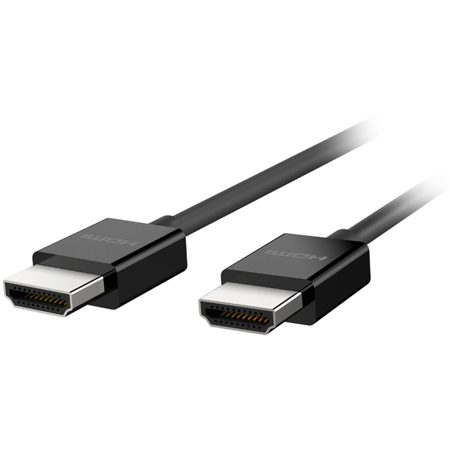
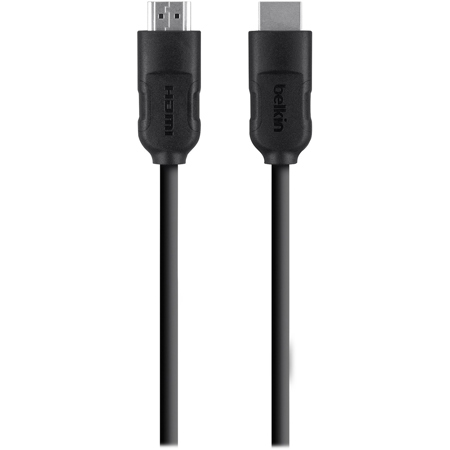
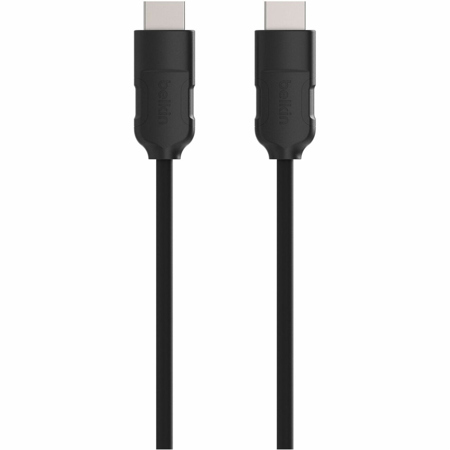
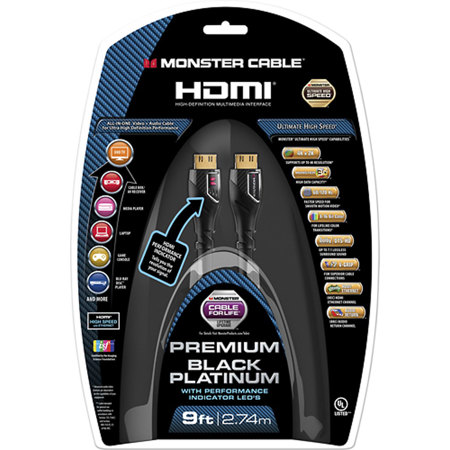
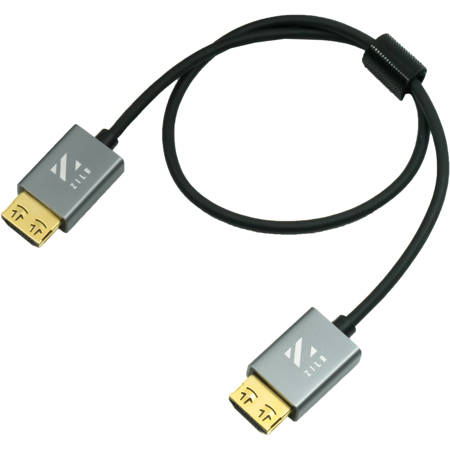
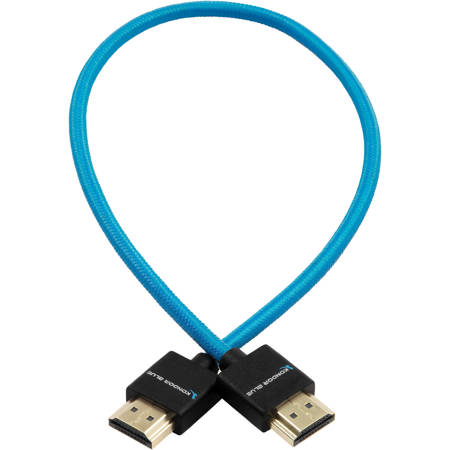
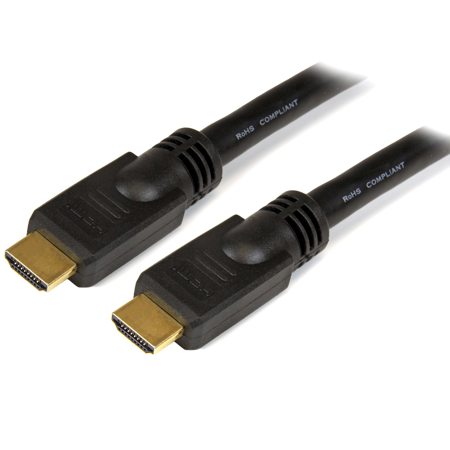
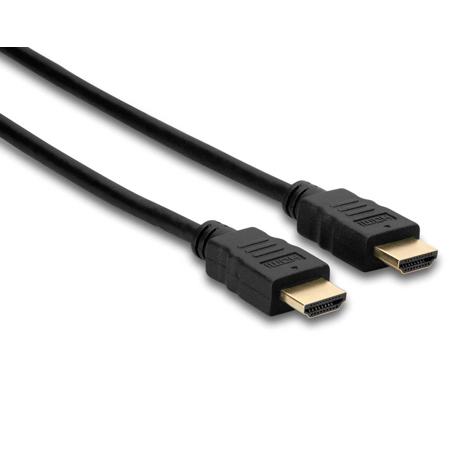
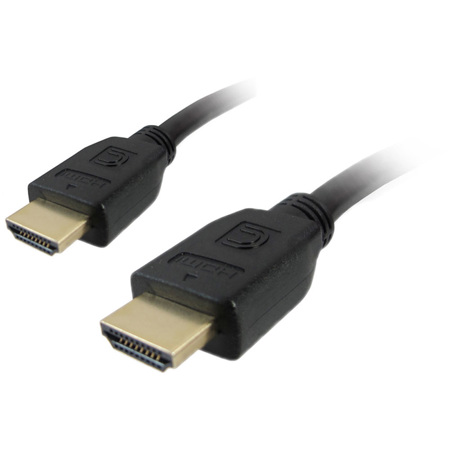
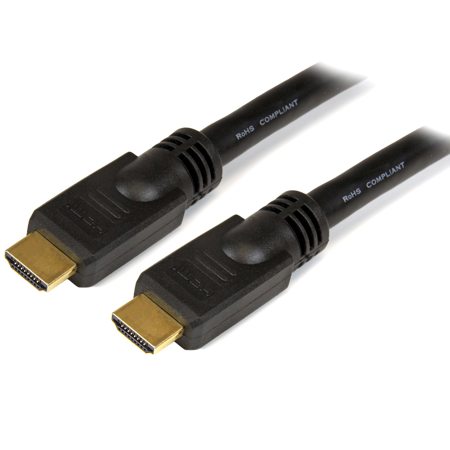
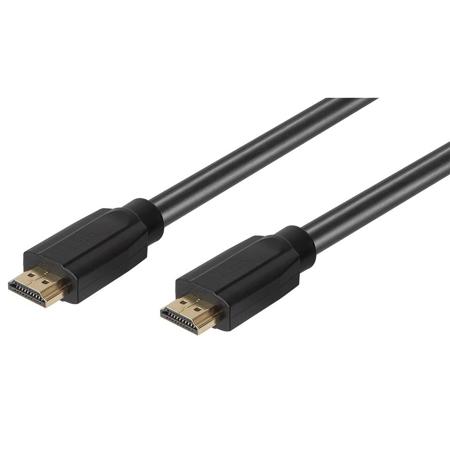
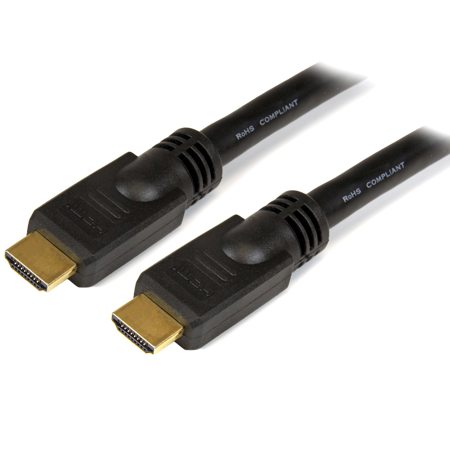
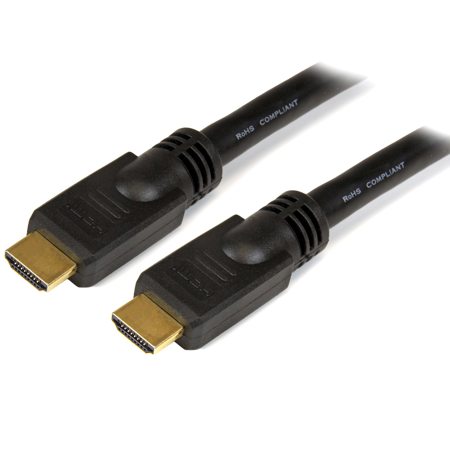
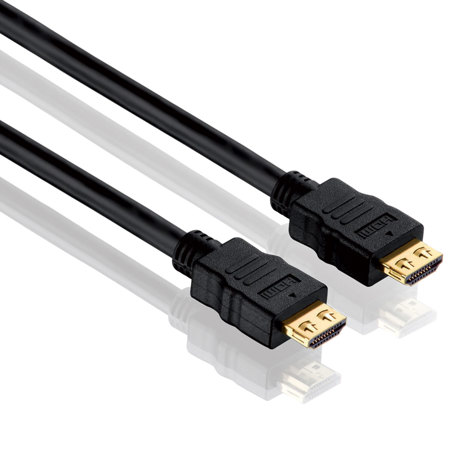
When it comes to transmitting high-definition video and audio signals over long distances, the right HDMI cable can make all the difference in preserving image clarity and sound fidelity. Whether setting up a home theater in a spacious living room, connecting a projector in a conference center, or routing signals between rooms in a commercial installation, long distance HDMI cables are essential for bridging the gap without sacrificing quality. As the weather warms and gatherings move from indoors to outdoor entertainment spaces, or as the cooler months invite cozy movie nights at home, the need for reliable, extended cable runs becomes increasingly apparent. Traditional passive copper HDMI cables are ideal for shorter connections, but once cable lengths exceed 25 feet, signal degradation can occur, leading to dropped frames, flickering, or even a complete loss of signal. This is where active copper cables, active optical cables (AOC), and HDMI extenders come into play—each designed to maintain high-resolution transmission over greater distances.
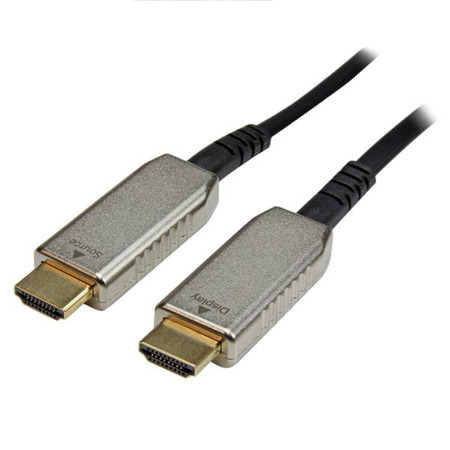
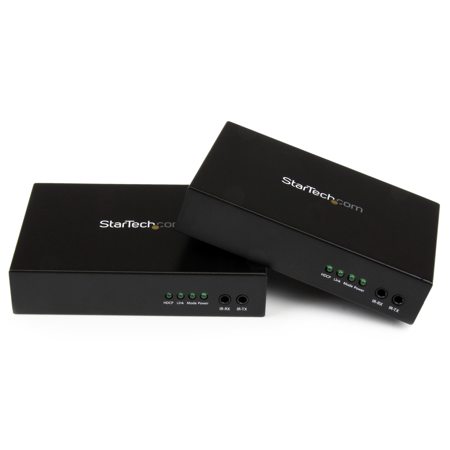
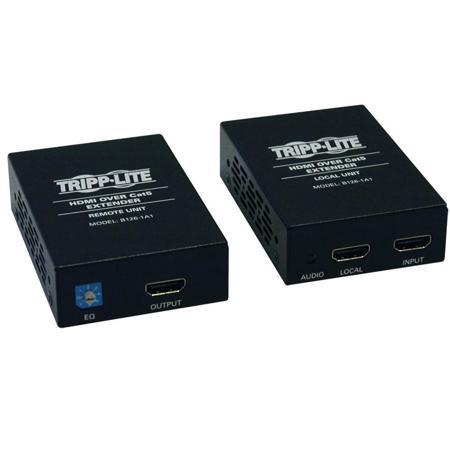
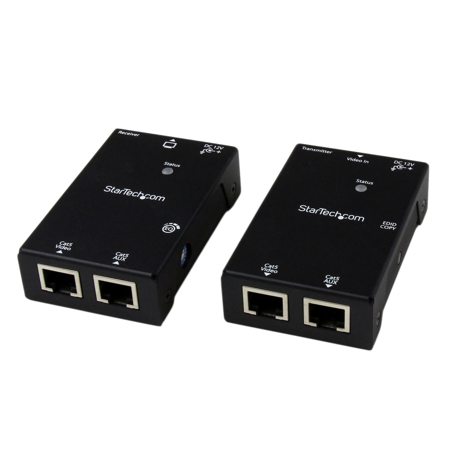
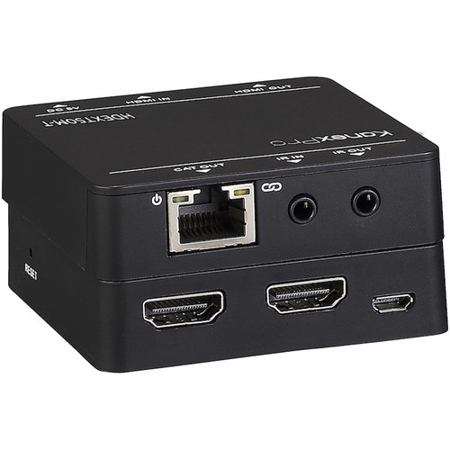
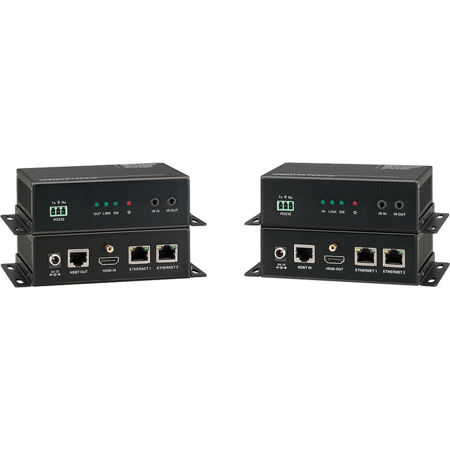
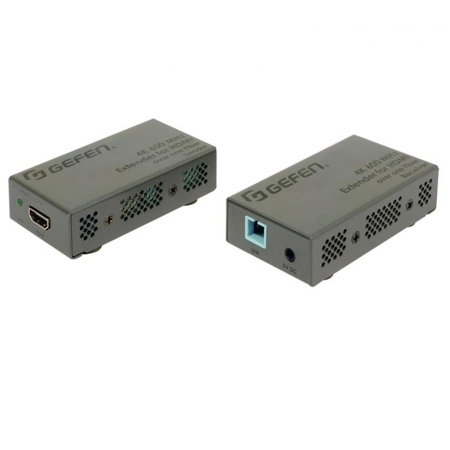
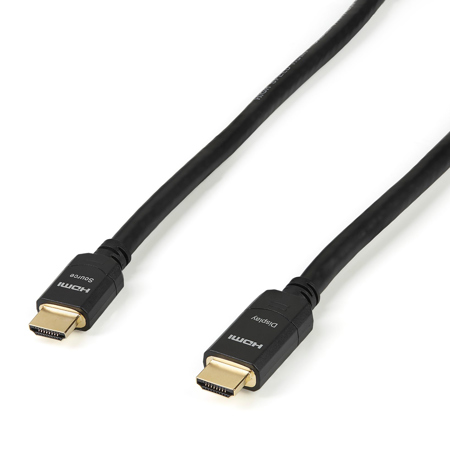
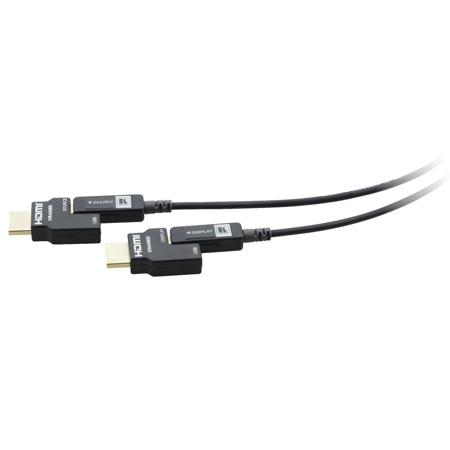
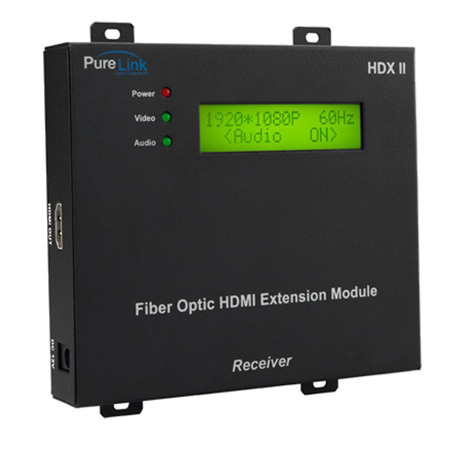
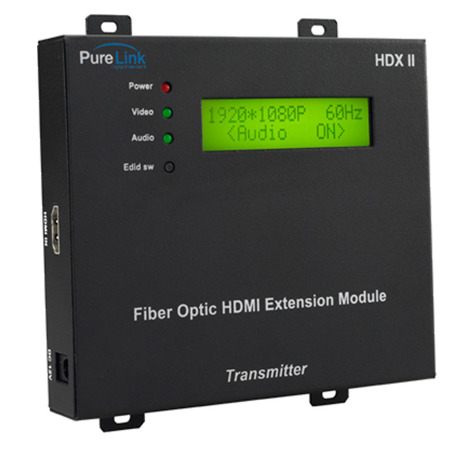
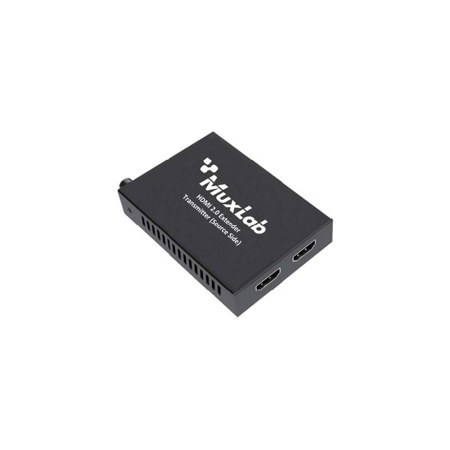
Active copper HDMI cables incorporate built-in signal boosters or equalizers, allowing them to effectively transmit signals up to around 50 feet. These cables are well-suited for medium-length runs, such as connecting AV equipment across a large room or mounting a TV on a distant wall. However, for the most demanding scenarios—like running cables through walls, ceilings, or even between floors—fiber optic HDMI cables offer a superior solution. By converting electrical signals into pulses of light, fiber optic HDMI cables can deliver pristine, zero-loss transmission over distances that stretch well beyond 100 feet, even up to 300 feet or more. This makes them a favorite among professional AV installers, educators outfitting lecture halls, and anyone designing a high-end home cinema. One important detail to keep in mind with these advanced cables is directionality: the “Source” end must connect to your output device (such as a PC, Blu-ray player, or streaming box), while the “Display” end plugs into your TV, projector, or monitor. For those tackling more complex installations, HDMI extenders that use CAT6 Ethernet cables are another popular choice, especially when navigating tight spaces or custom cable lengths.
Long distance HDMI cables are not just for tech enthusiasts or AV professionals; they also make thoughtful gifts for anyone upgrading their entertainment system, setting up a backyard movie night, or enhancing their workspace. Imagine the delight of a film buff who can finally enjoy 4K content on a projector without worrying about signal loss, or a gamer who can route their console to a wall-mounted display across the room. As families and friends gather for summer sports, autumn movie marathons, or holiday celebrations, having a robust HDMI connection ensures everyone enjoys the best possible viewing experience. For those interested in exploring the latest in high-performance connectivity, especially for ultra-long runs or in-wall installations, take a look at our curated selection of Optical HDMI Cables. With the right cable, you can unlock the full potential of your AV setup, no matter the distance.
Active copper HDMI cables incorporate built-in signal boosters or equalizers, allowing them to effectively transmit signals up to around 50 feet. These cables are well-suited for medium-length runs, such as connecting AV equipment across a large room or mounting a TV on a distant wall. However, for the most demanding scenarios—like running cables through walls, ceilings, or even between floors—fiber optic HDMI cables offer a superior solution. By converting electrical signals into pulses of light, fiber optic HDMI cables can deliver pristine, zero-loss transmission over distances that stretch well beyond 100 feet, even up to 300 feet or more. This makes them a favorite among professional AV installers, educators outfitting lecture halls, and anyone designing a high-end home cinema. One important detail to keep in mind with these advanced cables is directionality: the “Source” end must connect to your output device (such as a PC, Blu-ray player, or streaming box), while the “Display” end plugs into your TV, projector, or monitor. For those tackling more complex installations, HDMI extenders that use CAT6 Ethernet cables are another popular choice, especially when navigating tight spaces or custom cable lengths.
Long distance HDMI cables are not just for tech enthusiasts or AV professionals; they also make thoughtful gifts for anyone upgrading their entertainment system, setting up a backyard movie night, or enhancing their workspace. Imagine the delight of a film buff who can finally enjoy 4K content on a projector without worrying about signal loss, or a gamer who can route their console to a wall-mounted display across the room. As families and friends gather for summer sports, autumn movie marathons, or holiday celebrations, having a robust HDMI connection ensures everyone enjoys the best possible viewing experience. For those interested in exploring the latest in high-performance connectivity, especially for ultra-long runs or in-wall installations, take a look at our curated selection of Optical HDMI Cables. With the right cable, you can unlock the full potential of your AV setup, no matter the distance.