
Low Capacitance Guitar Cables
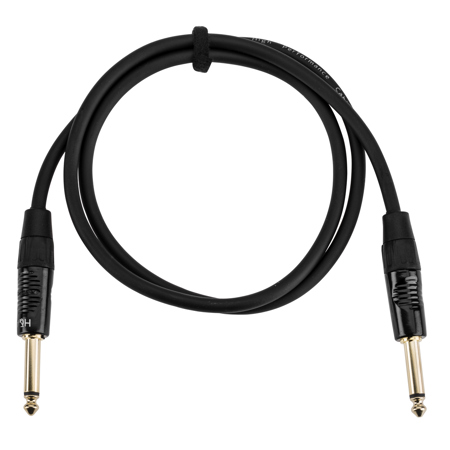
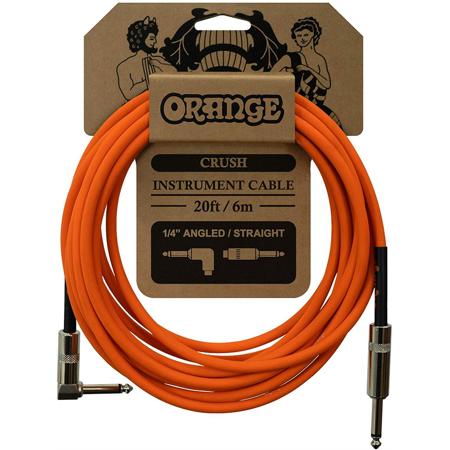
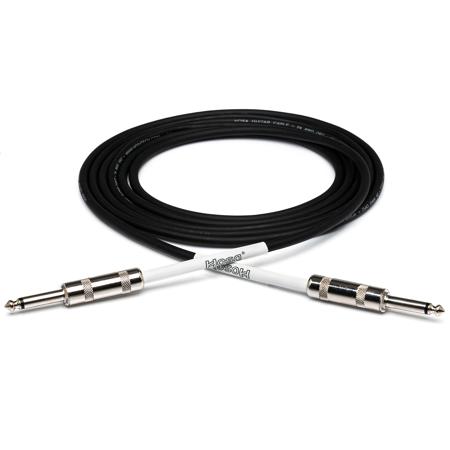
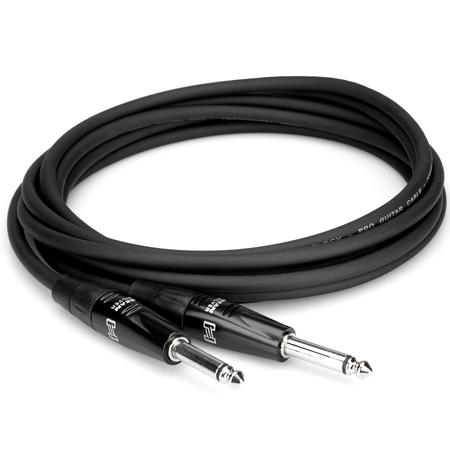
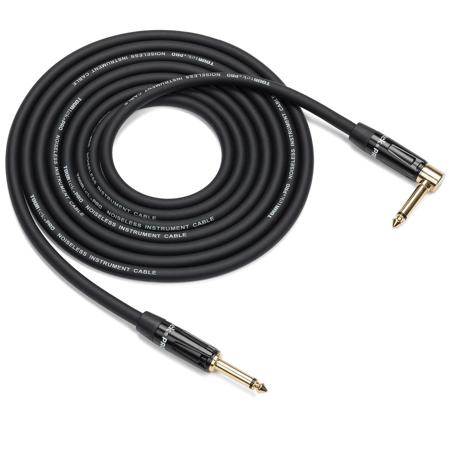
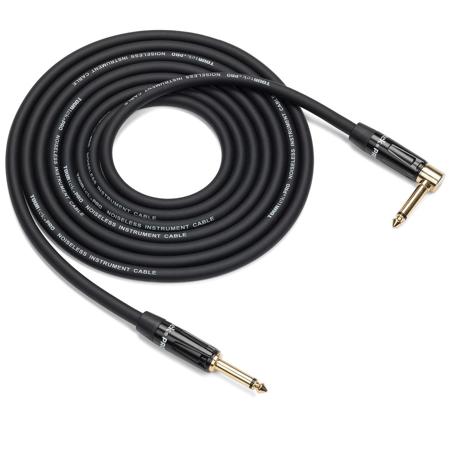
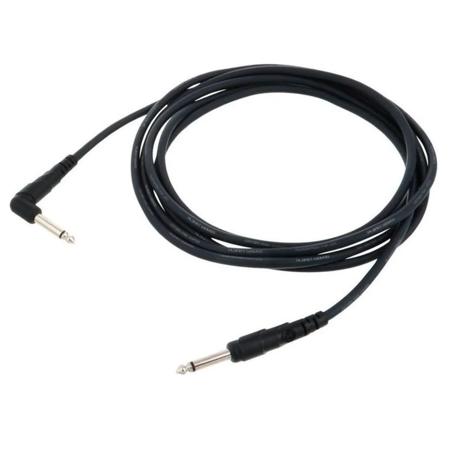
When it comes to preserving the true character of your instrument, the choice of cable is just as vital as the guitar or amp itself. Low capacitance guitar cables have become a cornerstone for musicians who demand clarity, punch, and fidelity in their sound, especially those playing with passive pickups. Capacitance, measured in picofarads per foot (pF/ft), is a crucial factor in how a cable transmits your signal. Higher capacitance can rob your tone of its sparkle, dulling the high-end frequencies and leaving your guitar sounding muddy or lifeless—something especially noticeable when running longer cables across a stage or studio. A low capacitance guitar cable, typically rated under 30 pF/ft, helps maintain the brightness and definition of your instrument’s voice, ensuring that every nuance of your playing is heard, from the gentle shimmer of fingerstyle passages to the biting edge of a driven solo. Whether you’re a gigging professional navigating packed clubs, a studio musician layering tracks in search of the perfect take, or a hobbyist refining your home setup, investing in a cable engineered for low capacitance can make a world of difference in your playing experience.
As spring unfolds and the music scene awakens with new energy, many guitarists find themselves preparing for recording sessions, outdoor performances, or simply more frequent jam sessions with friends. This is a season when tone matters more than ever, as the subtle details of your playing are carried across open spaces or captured in pristine studio mixes. Low capacitance guitar cables are an ideal choice for these moments, delivering transparent, uncolored signal transmission that lets your instrument’s natural tone shine through. They’re also a thoughtful gift for musicians at any skill level—whether for a seasoned player who’s meticulous about their sound or a beginner eager to get the most out of their first guitar. Swapping out a standard cable for a low capacitance model can be a revelation, highlighting the crisp attack of fresh strings, the harmonic complexity of a chord, or the expressive dynamics of a solo. Many musicians recall the first time they plugged in with a high-quality, low capacitance cable, describing an immediate lift in clarity and responsiveness—like cleaning a fogged window and finally seeing the view beyond.
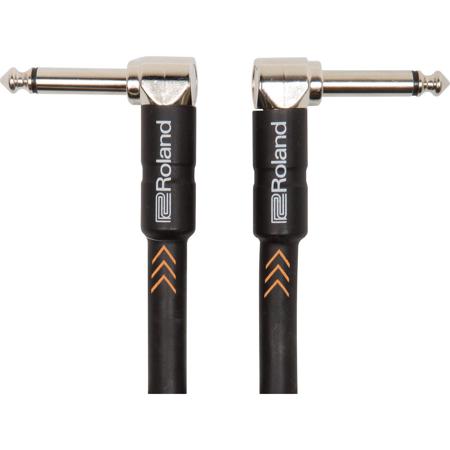
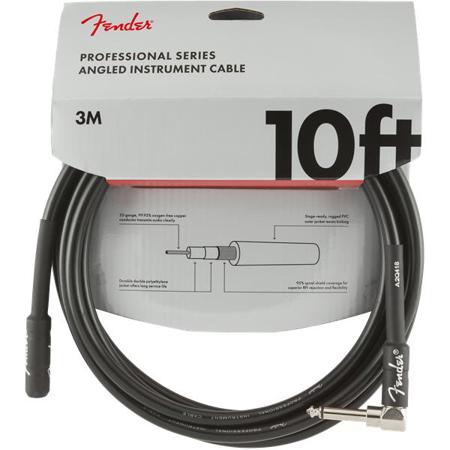
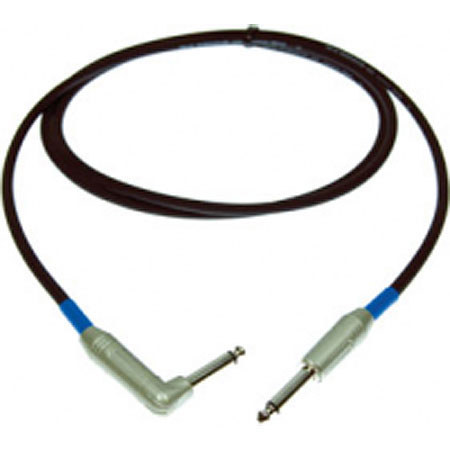
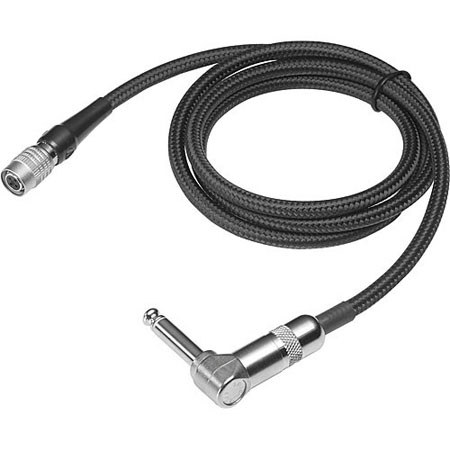
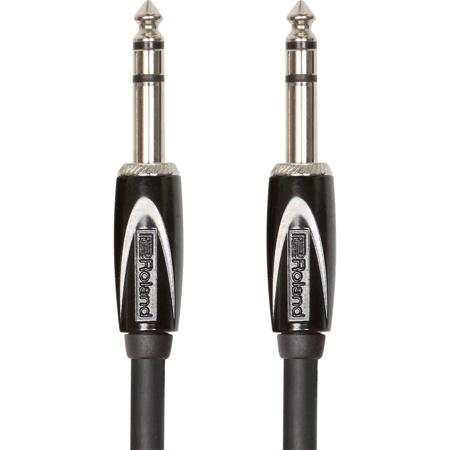
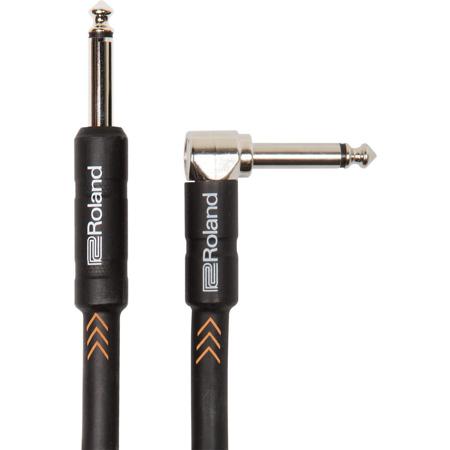
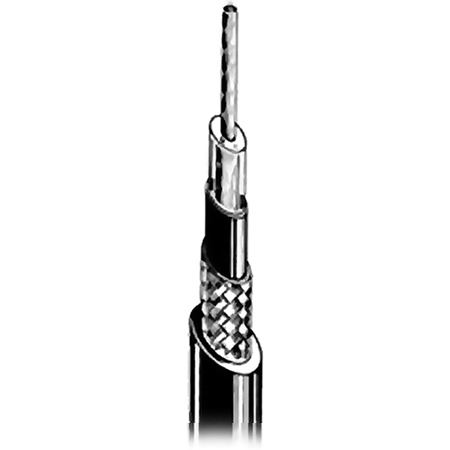
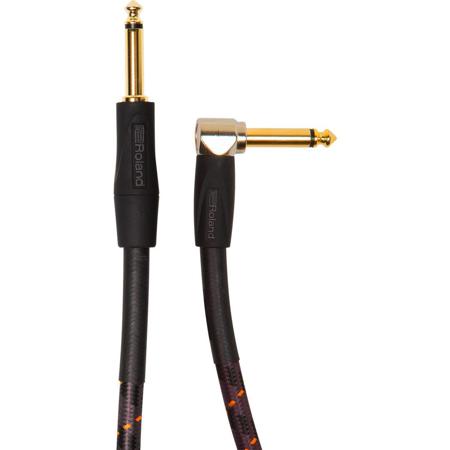
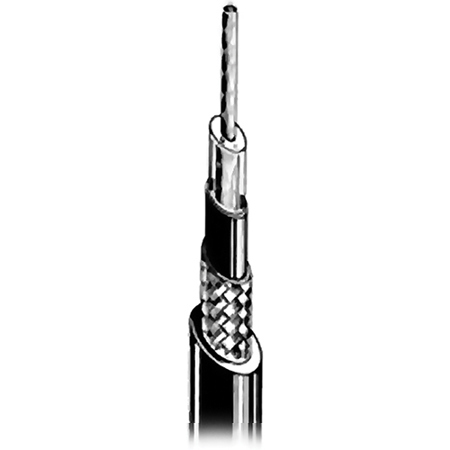
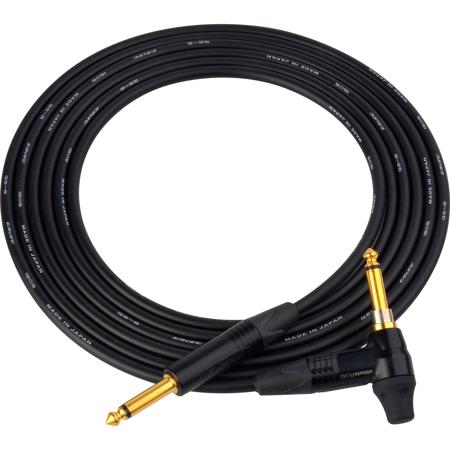
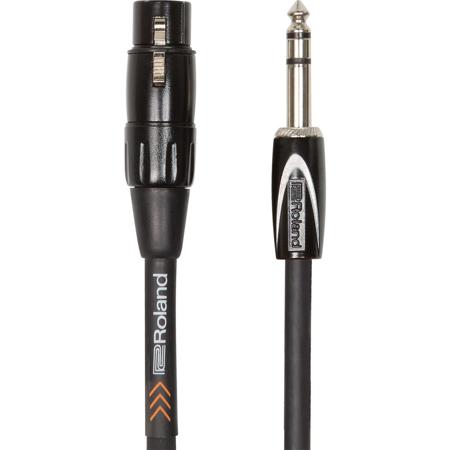
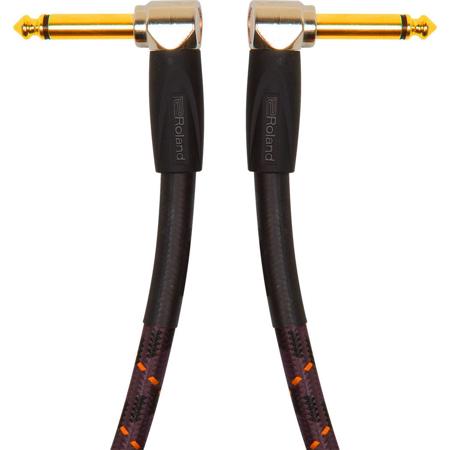
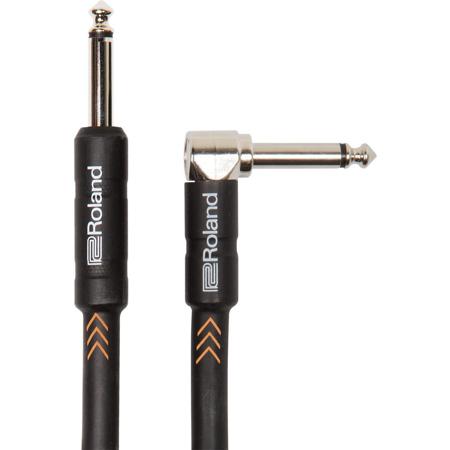
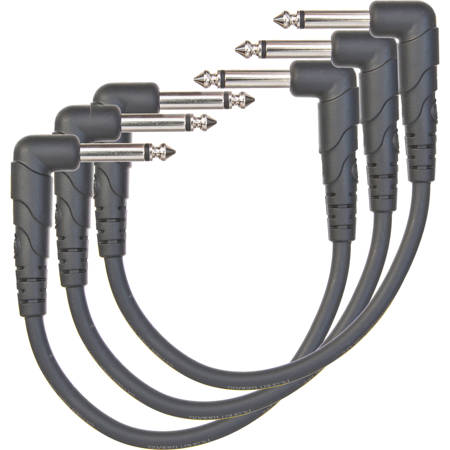
When browsing for the right cable, consider not just capacitance, but also length, shielding, connector quality, and flexibility. Longer runs demand even lower capacitance to avoid signal loss, while robust shielding is essential for blocking interference in crowded venues or busy studios. Durable, roadworthy construction ensures that your cable will stand up to the rigors of touring or repeated setup and teardown, while supple jackets make coiling and storage a breeze. For those who use pedalboards or switch between multiple instruments, patch cables with low capacitance can preserve signal integrity from guitar to amp, pedal to pedal, and everywhere in between. If you’re interested in exploring a curated selection of options tailored to your needs, visit our dedicated page for Low Capacitance Cables to find the perfect fit for your setup. Whether you’re chasing the ultimate clean tone, seeking to preserve every ounce of your guitar’s character, or simply looking for a reliable upgrade, choosing the right low capacitance guitar cable is a simple step that can yield remarkable results—helping you sound your best, wherever your music takes you.
As spring unfolds and the music scene awakens with new energy, many guitarists find themselves preparing for recording sessions, outdoor performances, or simply more frequent jam sessions with friends. This is a season when tone matters more than ever, as the subtle details of your playing are carried across open spaces or captured in pristine studio mixes. Low capacitance guitar cables are an ideal choice for these moments, delivering transparent, uncolored signal transmission that lets your instrument’s natural tone shine through. They’re also a thoughtful gift for musicians at any skill level—whether for a seasoned player who’s meticulous about their sound or a beginner eager to get the most out of their first guitar. Swapping out a standard cable for a low capacitance model can be a revelation, highlighting the crisp attack of fresh strings, the harmonic complexity of a chord, or the expressive dynamics of a solo. Many musicians recall the first time they plugged in with a high-quality, low capacitance cable, describing an immediate lift in clarity and responsiveness—like cleaning a fogged window and finally seeing the view beyond.
When browsing for the right cable, consider not just capacitance, but also length, shielding, connector quality, and flexibility. Longer runs demand even lower capacitance to avoid signal loss, while robust shielding is essential for blocking interference in crowded venues or busy studios. Durable, roadworthy construction ensures that your cable will stand up to the rigors of touring or repeated setup and teardown, while supple jackets make coiling and storage a breeze. For those who use pedalboards or switch between multiple instruments, patch cables with low capacitance can preserve signal integrity from guitar to amp, pedal to pedal, and everywhere in between. If you’re interested in exploring a curated selection of options tailored to your needs, visit our dedicated page for Low Capacitance Cables to find the perfect fit for your setup. Whether you’re chasing the ultimate clean tone, seeking to preserve every ounce of your guitar’s character, or simply looking for a reliable upgrade, choosing the right low capacitance guitar cable is a simple step that can yield remarkable results—helping you sound your best, wherever your music takes you.