
Professional Guitar Cables
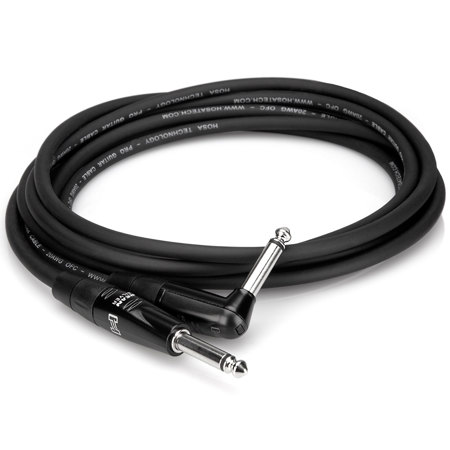
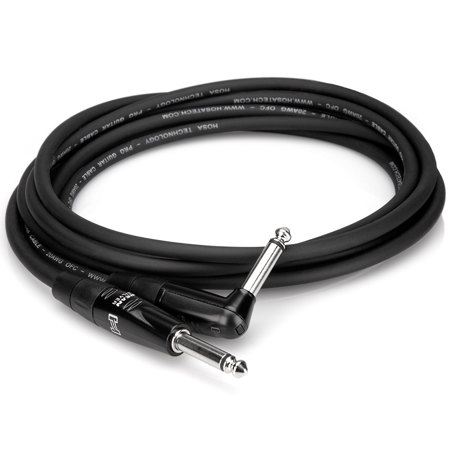
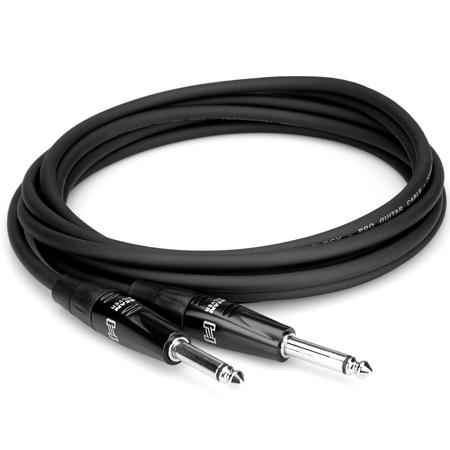
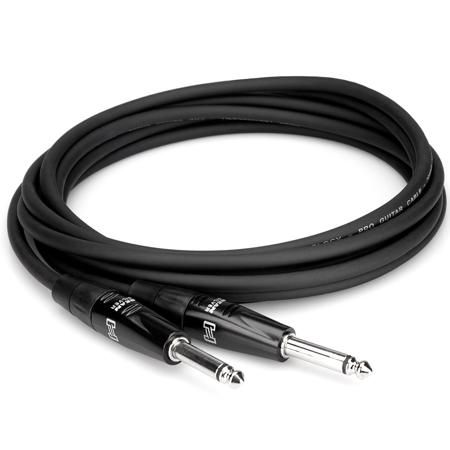
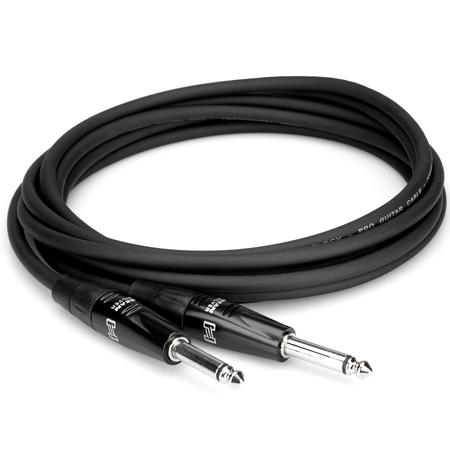
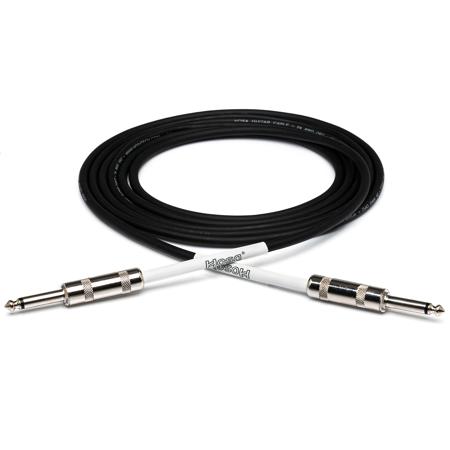
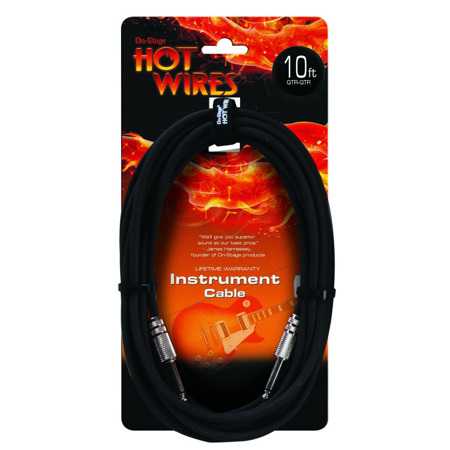
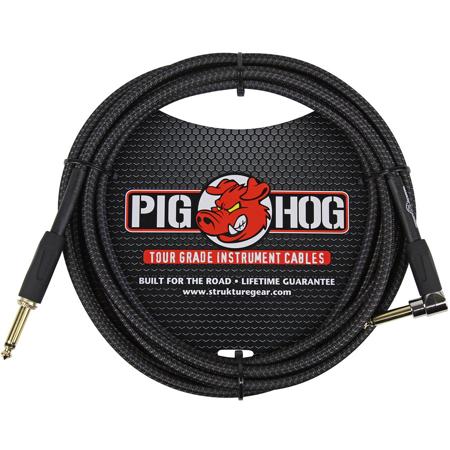
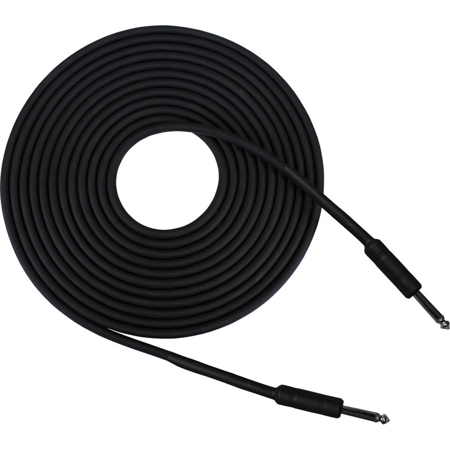
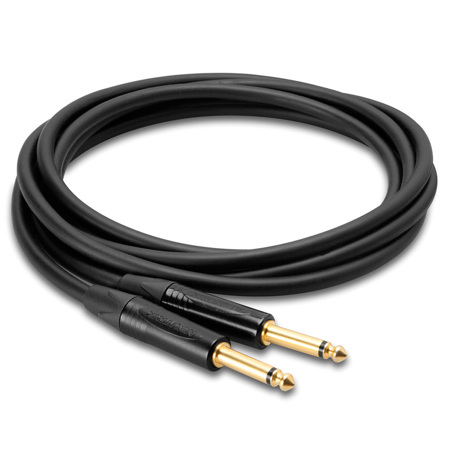
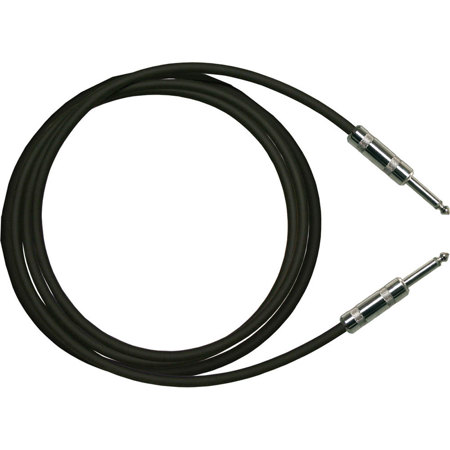
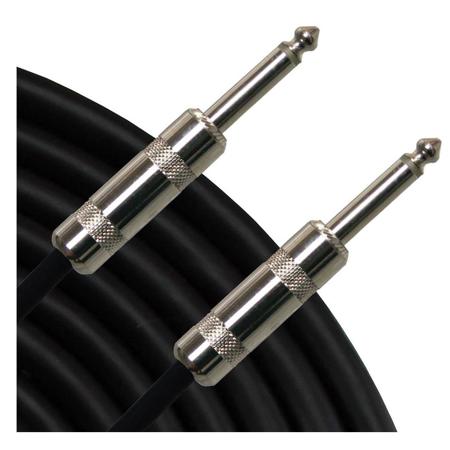
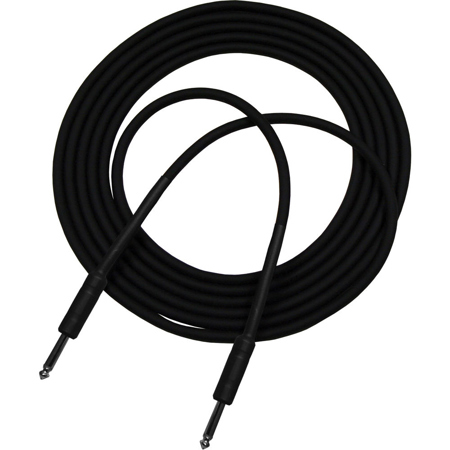
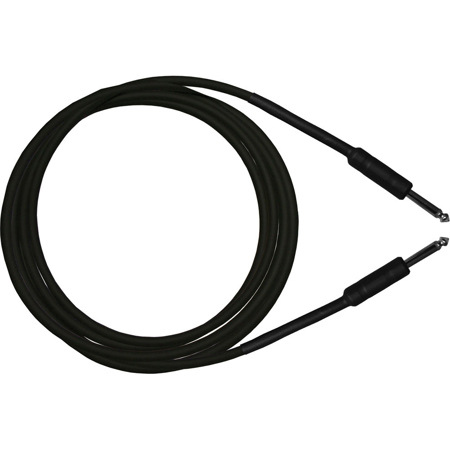
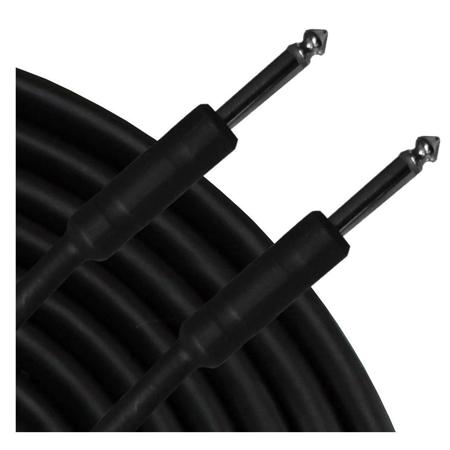
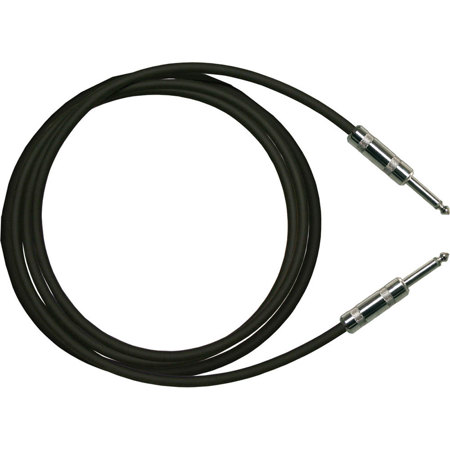
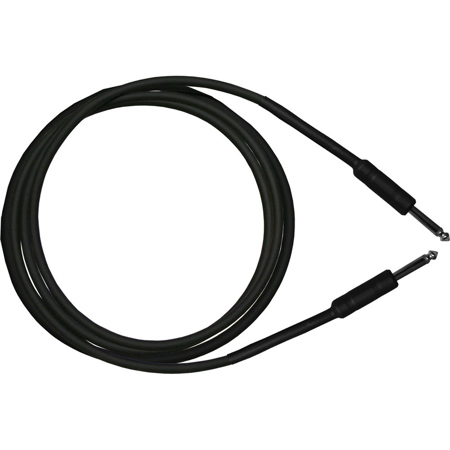
When it comes to capturing every nuance of your performance or studio session, professional guitar cables play a crucial role that goes far beyond simply connecting your instrument to an amp or pedalboard. These cables are designed to deliver pristine signal clarity, minimize unwanted noise, and withstand the demands of both live gigs and intensive studio work. Whether you’re a seasoned touring musician, a dedicated home studio enthusiast, or someone just beginning to explore the world of electric or acoustic-electric guitars, investing in a high-quality cable can make a noticeable difference in your tone and reliability. Professional-grade guitar cables typically feature oxygen-free copper (OFC) cores, which are prized for their ability to transfer the purest signal with minimal loss or coloration. Heavy-duty shielding is another hallmark, protecting your sound from electromagnetic interference (EMI) and radio frequency interference (RFI)—a must when playing under bright stage lights or in busy studio environments. Rugged, flexible jackets ensure that the cable can be coiled and uncoiled repeatedly, surviving the rigors of transport and setup without developing kinks or cracks. As the weather warms and outdoor performances become more frequent, or as musicians retreat indoors during the cooler months to write and record, having a cable built for professional use is essential for uninterrupted creativity.
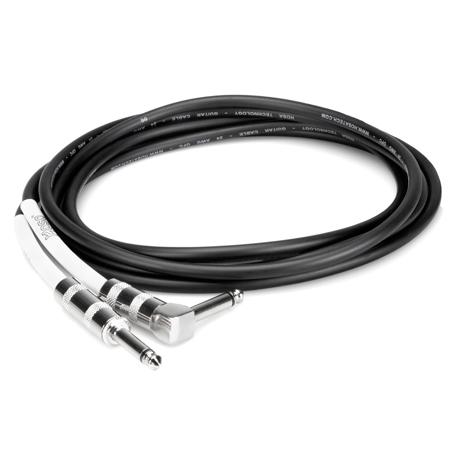
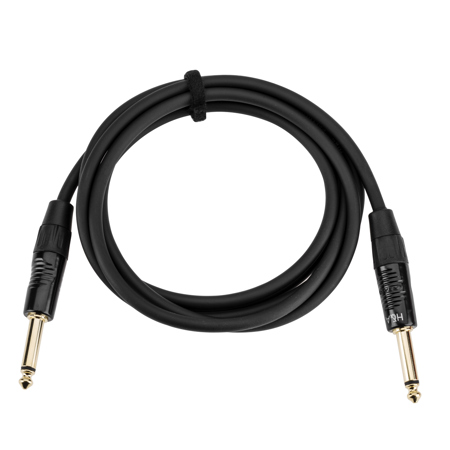
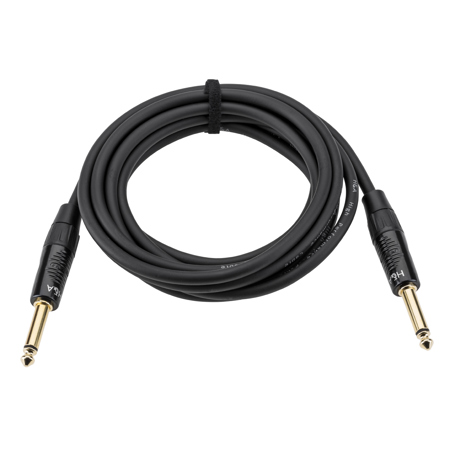
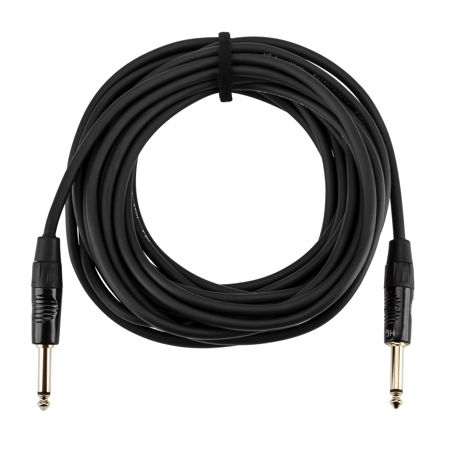
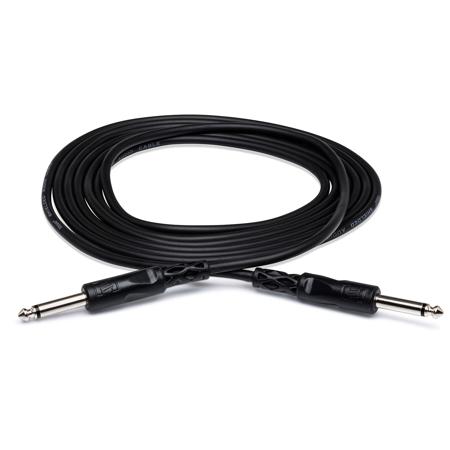
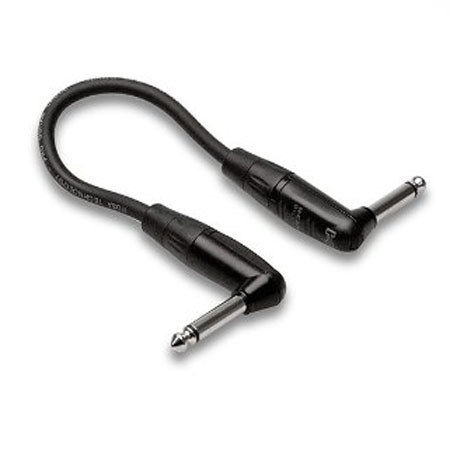
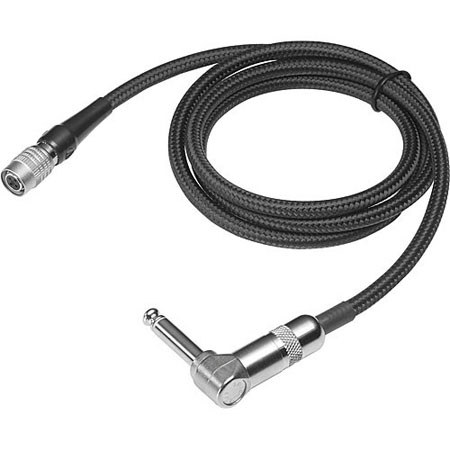
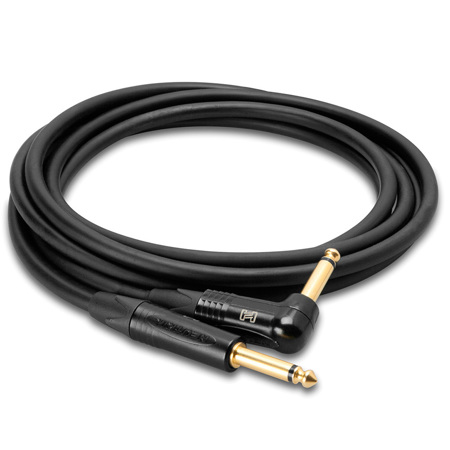
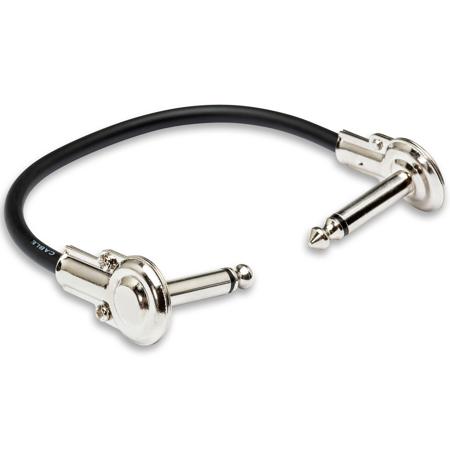
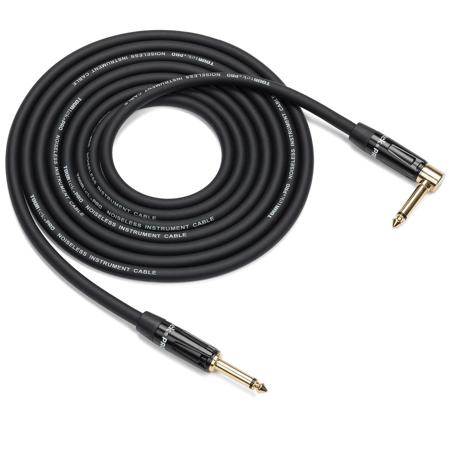
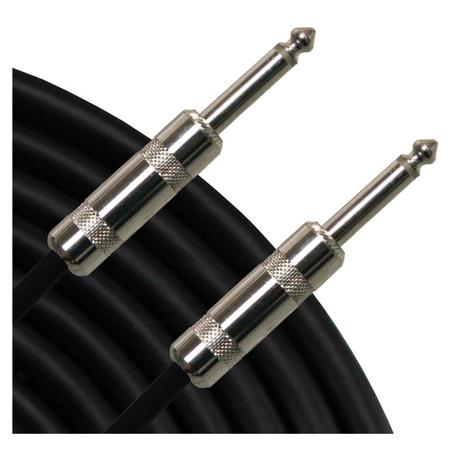
Selecting the right professional guitar cable often comes down to understanding your specific needs and preferences. Length is a key consideration: a shorter cable—around 10 feet—is ideal for tight home setups or pedalboard connections, while longer cables in the 18- to 20-foot range offer the freedom to move across larger stages without sacrificing signal integrity. Capacitance, or the cable’s ability to store electrical charge, can subtly shape your tone, with lower-capacitance cables preserving high-end sparkle and detail. The choice between straight-to-straight and straight-to-right-angle connectors is another practical detail, influenced by your instrument’s jack orientation and how your rig is laid out. Durability matters, too; cables with reinforced ends, braided jackets, and strain relief can endure years of plugging and unplugging, making them a wise investment for anyone who plays regularly. During the season of music festivals, open mic nights, and impromptu jam sessions, a reliable cable means fewer interruptions and more time spent making music. These cables also make thoughtful gifts for guitarists of any level—an upgrade that’s always appreciated, whether for a friend who’s just starting lessons or a bandmate looking to refine their live setup.
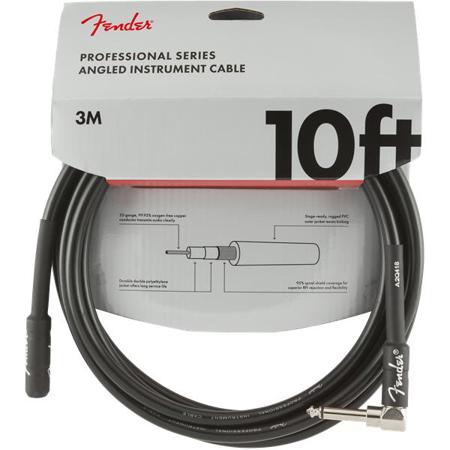
For those seeking even more assurance in their gear, reading fender professional series instrument cable reviews or exploring options like kirlin guitar cables can provide valuable insights into real-world performance and longevity. Many professionals and hobbyists alike gravitate towards brands and models that have proven themselves on the road and in the studio, but the most important factor is always how a cable fits your unique playing situation. With so many choices available, it’s helpful to focus on the features that matter most: signal fidelity, robust construction, and the right length for your stage or studio footprint. For a curated selection of options built to last through countless rehearsals and performances, visit our dedicated page for Durable Guitar Cables. Whether you’re gearing up for a summer tour, preparing for fall recording sessions, or simply looking to eliminate noise from your signal chain, choosing the right professional guitar cable is a small change that can have a big impact on your sound and peace of mind.
Selecting the right professional guitar cable often comes down to understanding your specific needs and preferences. Length is a key consideration: a shorter cable—around 10 feet—is ideal for tight home setups or pedalboard connections, while longer cables in the 18- to 20-foot range offer the freedom to move across larger stages without sacrificing signal integrity. Capacitance, or the cable’s ability to store electrical charge, can subtly shape your tone, with lower-capacitance cables preserving high-end sparkle and detail. The choice between straight-to-straight and straight-to-right-angle connectors is another practical detail, influenced by your instrument’s jack orientation and how your rig is laid out. Durability matters, too; cables with reinforced ends, braided jackets, and strain relief can endure years of plugging and unplugging, making them a wise investment for anyone who plays regularly. During the season of music festivals, open mic nights, and impromptu jam sessions, a reliable cable means fewer interruptions and more time spent making music. These cables also make thoughtful gifts for guitarists of any level—an upgrade that’s always appreciated, whether for a friend who’s just starting lessons or a bandmate looking to refine their live setup.
For those seeking even more assurance in their gear, reading fender professional series instrument cable reviews or exploring options like kirlin guitar cables can provide valuable insights into real-world performance and longevity. Many professionals and hobbyists alike gravitate towards brands and models that have proven themselves on the road and in the studio, but the most important factor is always how a cable fits your unique playing situation. With so many choices available, it’s helpful to focus on the features that matter most: signal fidelity, robust construction, and the right length for your stage or studio footprint. For a curated selection of options built to last through countless rehearsals and performances, visit our dedicated page for Durable Guitar Cables. Whether you’re gearing up for a summer tour, preparing for fall recording sessions, or simply looking to eliminate noise from your signal chain, choosing the right professional guitar cable is a small change that can have a big impact on your sound and peace of mind.