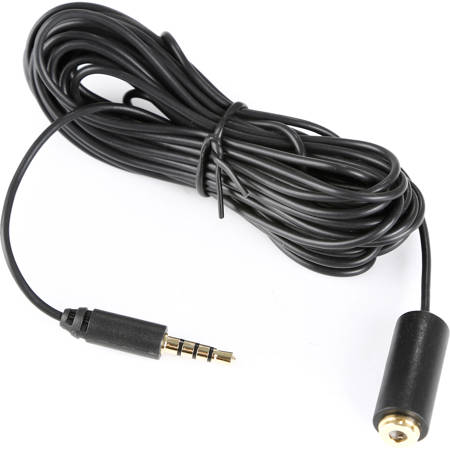

Microphone Cable For Podcasting
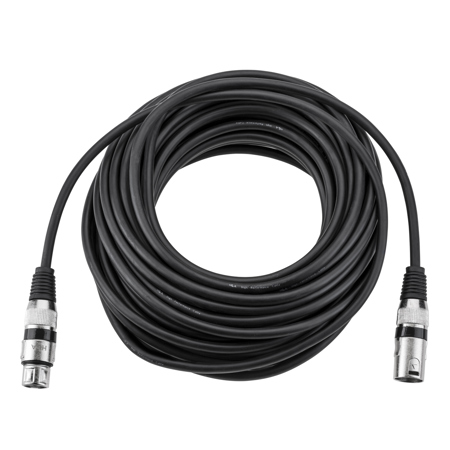
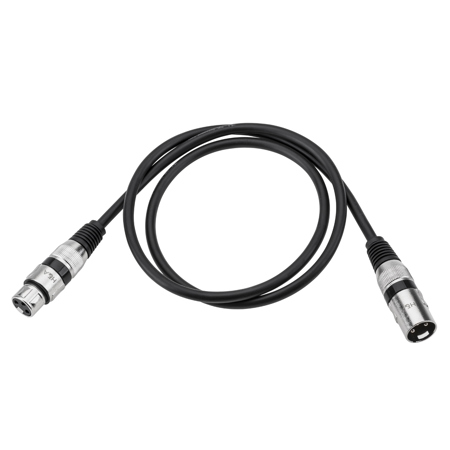
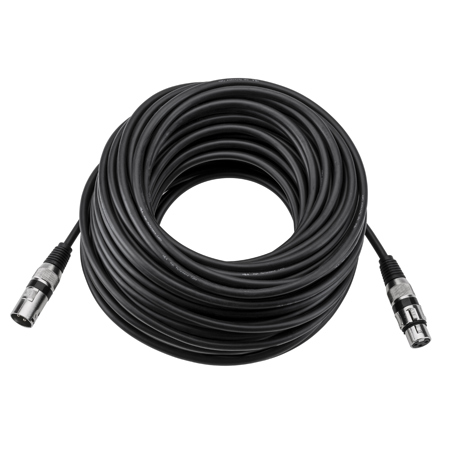
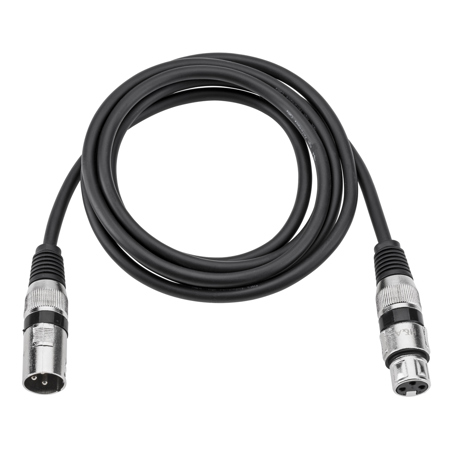
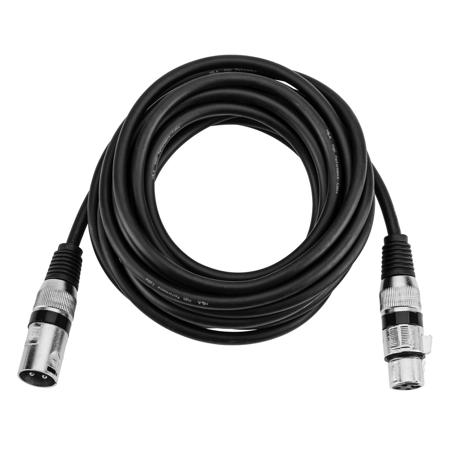
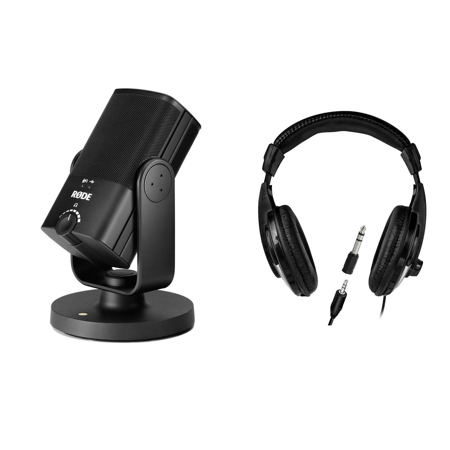
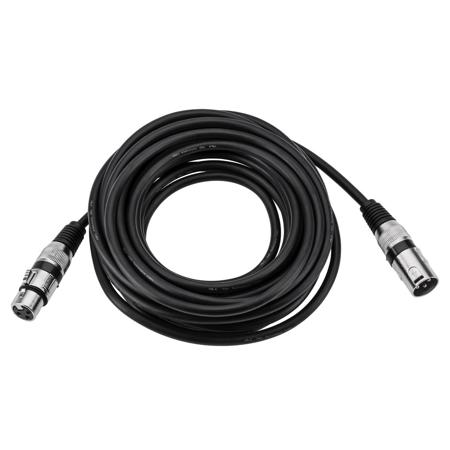
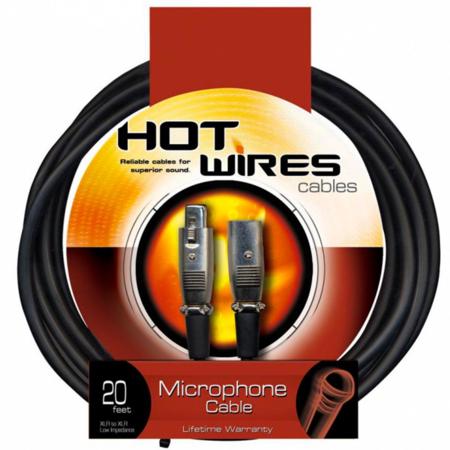
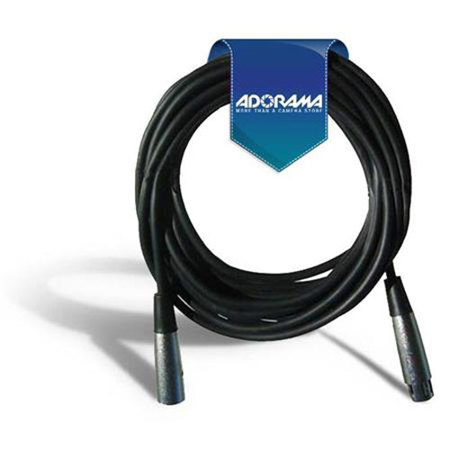
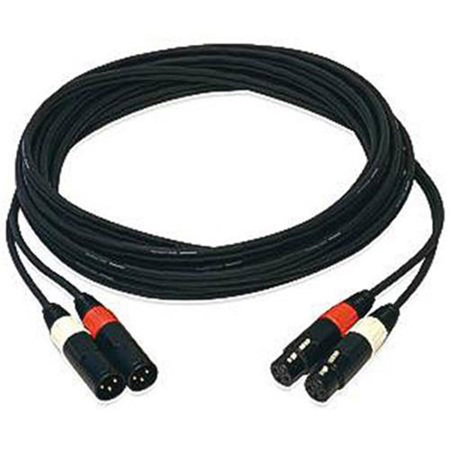
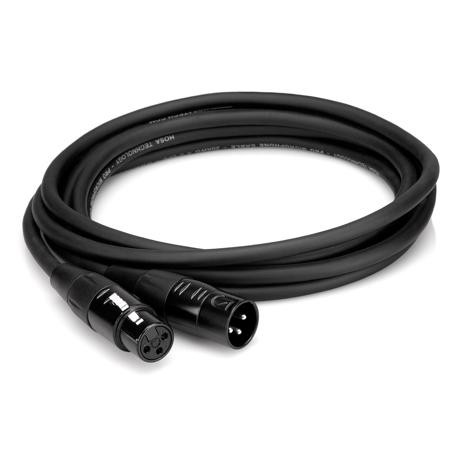
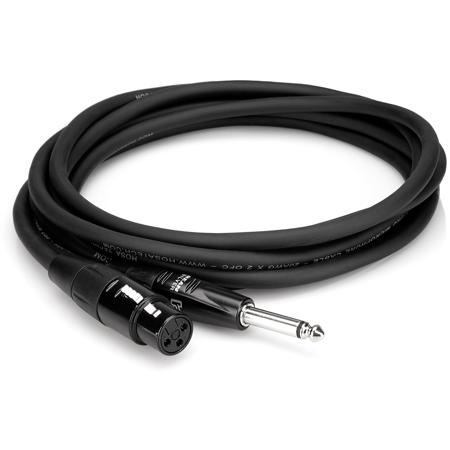
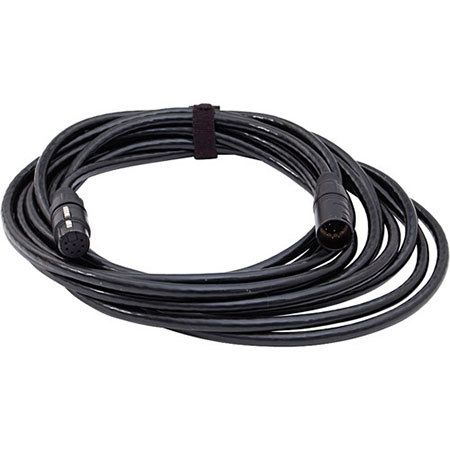
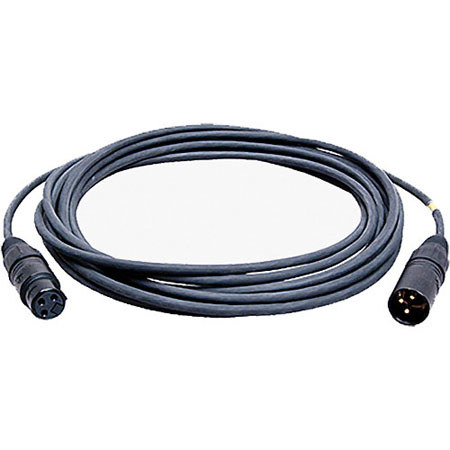
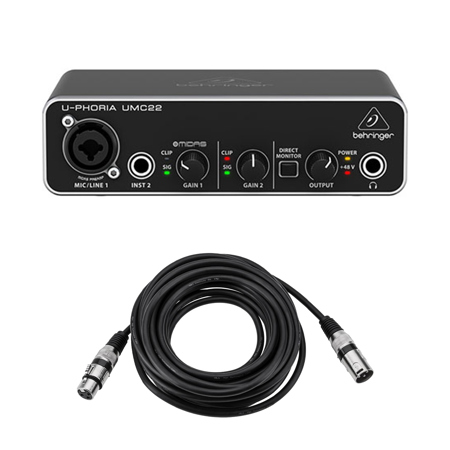
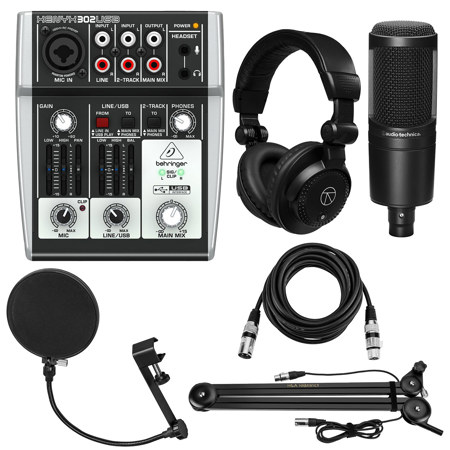
When it comes to podcasting, the quality of your microphone cable can make a world of difference in the clarity and consistency of your audio. Whether you’re a seasoned podcaster with a dedicated studio or just starting out with a simple home setup, choosing the best audio cable for podcasters is a crucial step in achieving professional results. Balanced XLR cables are the industry standard for connecting microphones to mixers, interfaces, and recorders, thanks to their ability to minimize unwanted noise and interference. These cables typically feature robust shielding and oxygen-free copper conductors, ensuring that your voice is transmitted with accuracy and minimal signal loss. The right cable length—often between 10 and 25 feet for most podcasting desks—gives you flexibility to arrange your gear comfortably without creating a tangled mess underfoot. As the weather warms and creative energy flows, many podcasters take the opportunity to refresh their setups, upgrade components, or even record on location; a reliable, well-shielded microphone cable is just as essential outdoors as it is in a controlled studio environment.
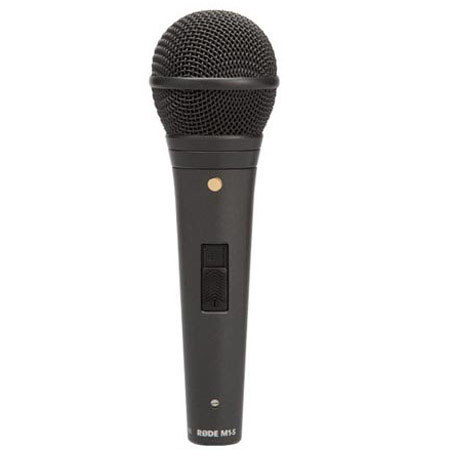
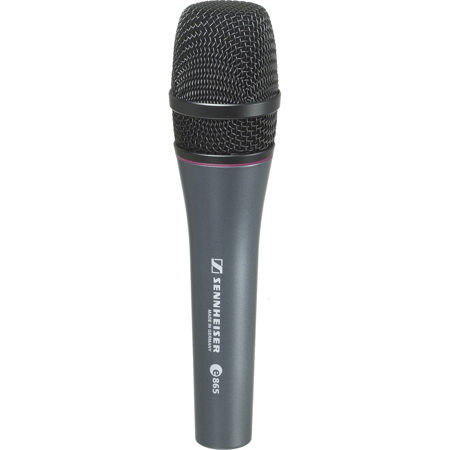
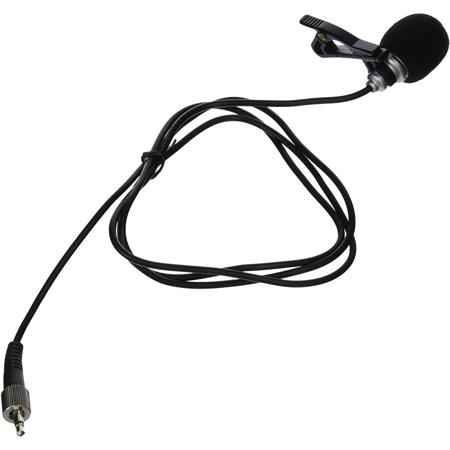
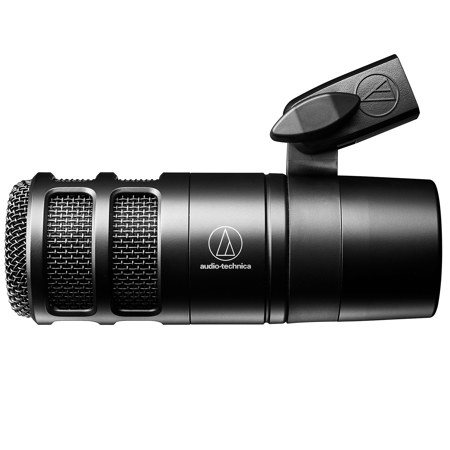
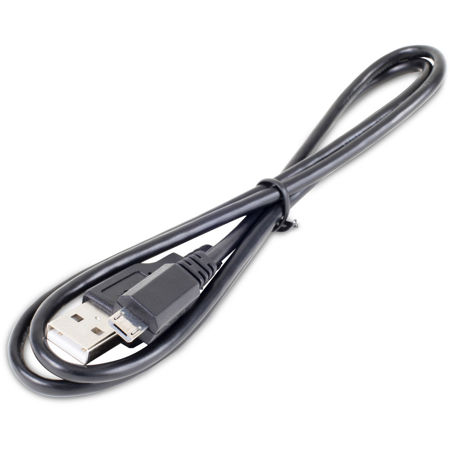
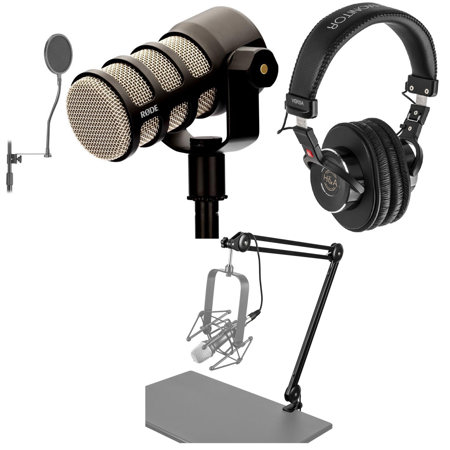
For those gifting audio gear to aspiring creators, a high-quality microphone cable is a thoughtful and practical choice—ideal for graduates launching new projects, friends pursuing passion podcasts, or family members building their own content studios. The right cable can be a subtle but vital upgrade, helping to eliminate buzz, hum, or static that can distract from a great conversation or compelling story. If you’re working with dynamic microphones, which are popular among podcasters for their durability and ability to reject background noise, pairing them with the correct cable ensures optimal performance; for more information on choosing the right dynamic mic, see our Dynamic Microphone For Podcasting page. As podcasting continues to grow and evolve, especially during the lively months of summer and early fall when live events and remote interviews pick up, it’s important to consider not only the type of connectors your microphone and interface require—such as XLR, 3.5mm, or USB—but also the construction quality of the cable itself. Features like reinforced strain relief, gold-plated contacts, and flexible yet durable jackets can extend the life of your cable through countless recording sessions, travel, and setup changes.
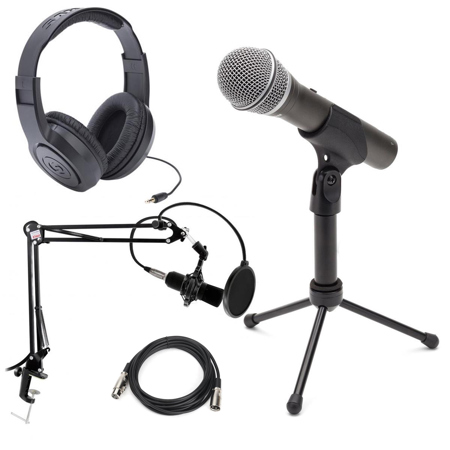
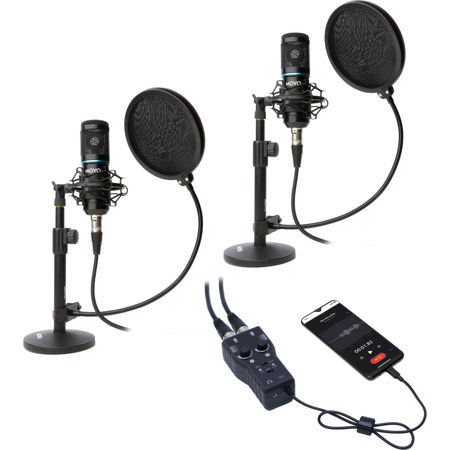
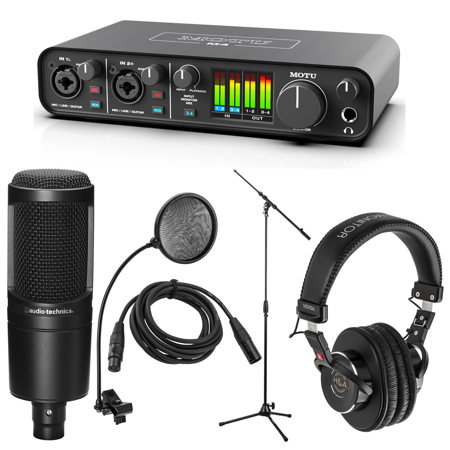
Selecting the best audio cable for podcasters isn’t just about technical specs; it’s about ensuring that your creative process is seamless and your listeners experience every word, laugh, and nuance as intended. Whether you’re recording a solo show at home, producing a roundtable discussion in a shared workspace, or capturing interviews at a festival, dependable cables are a foundation you can trust. Many podcasters find that investing in a few different lengths and types of cables allows for greater versatility as their setup evolves—shorter cables for desktop rigs, longer ones for mobile recording, and adapters for connecting to computers or portable recorders. As you plan your next series or prepare to take your show on the road, a reliable microphone cable is a small but essential investment that pays off in professional sound and peace of mind, season after season.
For those gifting audio gear to aspiring creators, a high-quality microphone cable is a thoughtful and practical choice—ideal for graduates launching new projects, friends pursuing passion podcasts, or family members building their own content studios. The right cable can be a subtle but vital upgrade, helping to eliminate buzz, hum, or static that can distract from a great conversation or compelling story. If you’re working with dynamic microphones, which are popular among podcasters for their durability and ability to reject background noise, pairing them with the correct cable ensures optimal performance; for more information on choosing the right dynamic mic, see our Dynamic Microphone For Podcasting page. As podcasting continues to grow and evolve, especially during the lively months of summer and early fall when live events and remote interviews pick up, it’s important to consider not only the type of connectors your microphone and interface require—such as XLR, 3.5mm, or USB—but also the construction quality of the cable itself. Features like reinforced strain relief, gold-plated contacts, and flexible yet durable jackets can extend the life of your cable through countless recording sessions, travel, and setup changes.
Selecting the best audio cable for podcasters isn’t just about technical specs; it’s about ensuring that your creative process is seamless and your listeners experience every word, laugh, and nuance as intended. Whether you’re recording a solo show at home, producing a roundtable discussion in a shared workspace, or capturing interviews at a festival, dependable cables are a foundation you can trust. Many podcasters find that investing in a few different lengths and types of cables allows for greater versatility as their setup evolves—shorter cables for desktop rigs, longer ones for mobile recording, and adapters for connecting to computers or portable recorders. As you plan your next series or prepare to take your show on the road, a reliable microphone cable is a small but essential investment that pays off in professional sound and peace of mind, season after season.