XLR Microphone For Podcasting
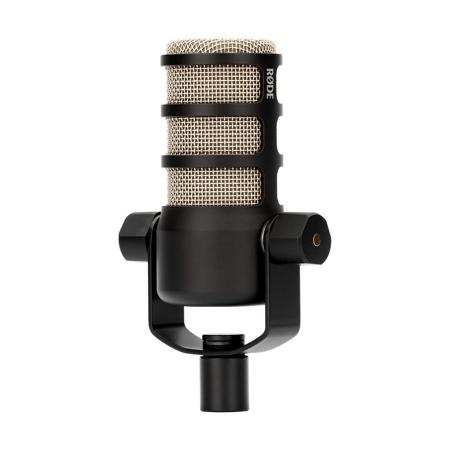
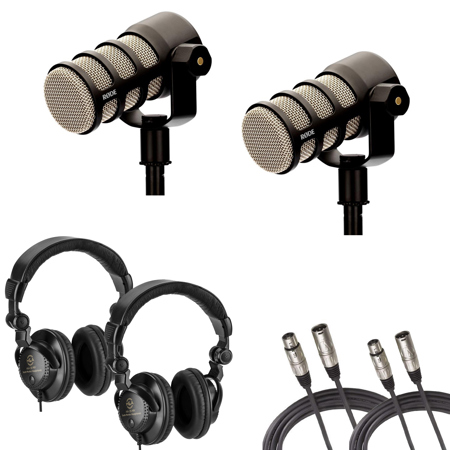
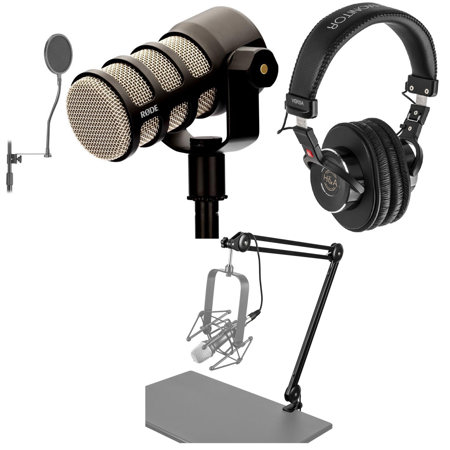
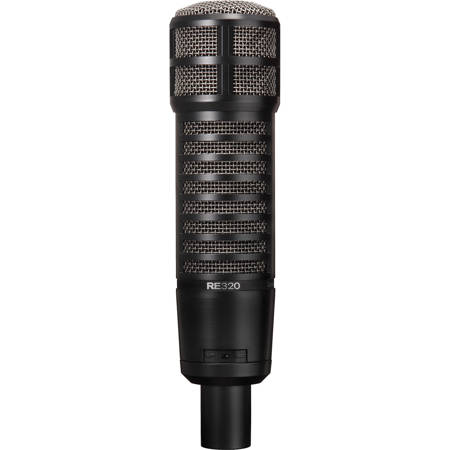
Selecting the right XLR microphone for podcasting is a pivotal step for creators who are serious about delivering professional-grade audio to their audience. Whether you’re launching a new show in the quiet of winter or upgrading your studio for the year ahead, XLR microphones offer a level of versatility and sound fidelity that USB models often can’t match. These microphones are favored by podcasters, voiceover artists, and audio engineers for their ability to capture rich, nuanced sound while minimizing unwanted background noise. The XLR connection ensures a secure, balanced signal that travels through an audio interface or mixer, allowing for greater control over gain, EQ, and other processing options. This makes them an ideal choice for storytellers who want every word to resonate with clarity, or for interviewers recording in bustling, unpredictable environments. With the new year underway, many creators are setting fresh goals for their content, and investing in an XLR microphone can be the catalyst for taking production quality to the next level.
Gifting an XLR microphone for podcasting is a thoughtful gesture for anyone passionate about audio, whether they’re an aspiring podcaster setting up their first home studio or a seasoned host looking to refine their sound. These microphones are especially appreciated by those who value craftsmanship and the tactile experience of working with professional gear. Picture a friend unboxing a sleek, robust microphone on a chilly January morning, eager to test its capabilities and hear the difference in their recordings. The durability and reliability of XLR microphones make them a long-lasting addition to any setup, suitable for everything from solo monologues to dynamic roundtable discussions. As podcasting continues to grow in popularity, having the right microphone becomes not just a technical upgrade, but a statement of intent—a commitment to quality that listeners can hear in every episode.
When considering an XLR microphone for podcasting, it’s important to think about the environment where it will be used and the type of voice or content being recorded. Some microphones excel at isolating the speaker from room noise, making them perfect for less-than-ideal acoustic spaces, while others are designed to capture the subtle warmth and character of the human voice. Pairing your XLR microphone with an audio interface or mixer unlocks even more creative possibilities, from real-time monitoring to multi-track recording. For those curious about other microphone options, exploring the differences between condenser and dynamic designs can be enlightening; dynamic microphones, in particular, are known for their ruggedness and ability to handle high sound pressure levels. To learn more about these alternatives, visit our dedicated page on the Dynamic Microphone For Podcasting. Whether you’re recording in a cozy home studio as snow falls outside or prepping for remote interviews on the go, the right XLR microphone for podcasting ensures your voice is heard with warmth, depth, and unmistakable presence.
Gifting an XLR microphone for podcasting is a thoughtful gesture for anyone passionate about audio, whether they’re an aspiring podcaster setting up their first home studio or a seasoned host looking to refine their sound. These microphones are especially appreciated by those who value craftsmanship and the tactile experience of working with professional gear. Picture a friend unboxing a sleek, robust microphone on a chilly January morning, eager to test its capabilities and hear the difference in their recordings. The durability and reliability of XLR microphones make them a long-lasting addition to any setup, suitable for everything from solo monologues to dynamic roundtable discussions. As podcasting continues to grow in popularity, having the right microphone becomes not just a technical upgrade, but a statement of intent—a commitment to quality that listeners can hear in every episode.
When considering an XLR microphone for podcasting, it’s important to think about the environment where it will be used and the type of voice or content being recorded. Some microphones excel at isolating the speaker from room noise, making them perfect for less-than-ideal acoustic spaces, while others are designed to capture the subtle warmth and character of the human voice. Pairing your XLR microphone with an audio interface or mixer unlocks even more creative possibilities, from real-time monitoring to multi-track recording. For those curious about other microphone options, exploring the differences between condenser and dynamic designs can be enlightening; dynamic microphones, in particular, are known for their ruggedness and ability to handle high sound pressure levels. To learn more about these alternatives, visit our dedicated page on the Dynamic Microphone For Podcasting. Whether you’re recording in a cozy home studio as snow falls outside or prepping for remote interviews on the go, the right XLR microphone for podcasting ensures your voice is heard with warmth, depth, and unmistakable presence.