
Microphone Connectors
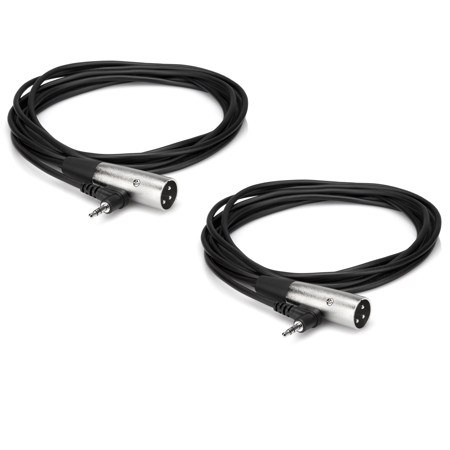
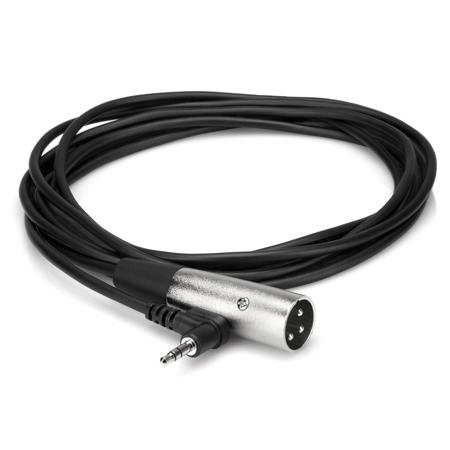
As winter gives way to the fresh energy of spring, many musicians, audio engineers, and content creators find themselves inspired to refresh their setups, invest in new gear, or streamline their workflows for upcoming projects and performances. Microphone connectors, though often overlooked, are the unsung heroes in any audio chain, quietly ensuring every note, word, or ambient sound travels cleanly from microphone to mixer, recorder, or audio interface. These connectors come in a variety of types and configurations, each designed to meet the needs of different environments and applications. Whether you’re outfitting a home studio, updating a stage rig, or piecing together a mobile podcasting setup, the right microphone connector can make all the difference in achieving clear, uninterrupted sound. For those who are new to audio production, it’s easy to underestimate the importance of a reliable connector—until a crackle, hum, or sudden dropout interrupts a perfect take or live performance. Seasoned professionals know the value of robust, well-made connectors, often keeping a few spares in their gig bags or studio drawers, ready to swap in at a moment’s notice.
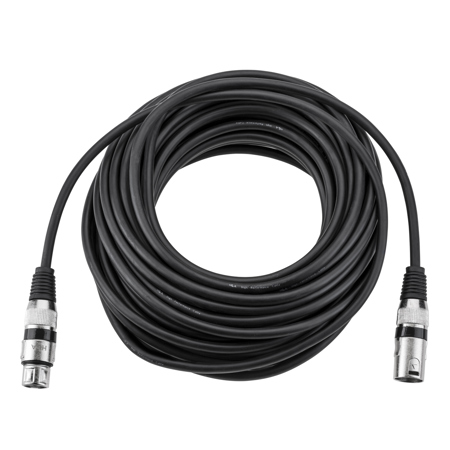
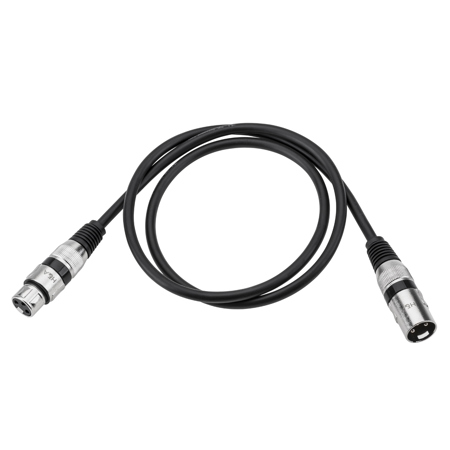
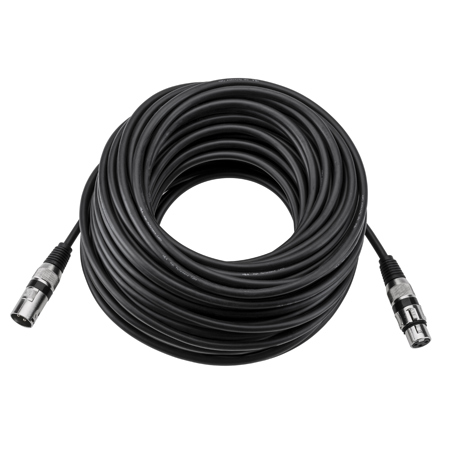
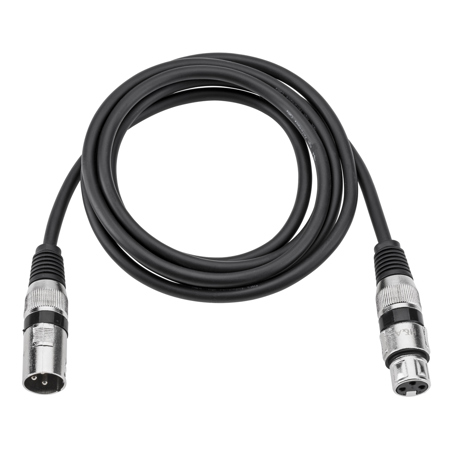
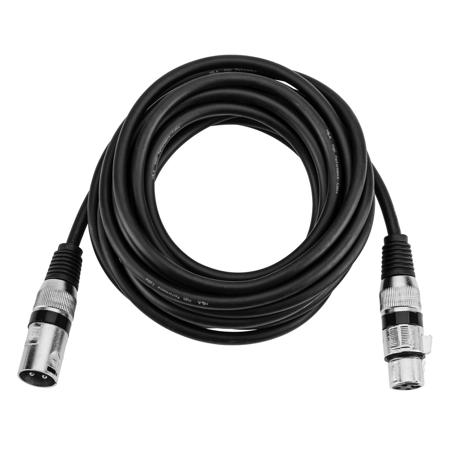
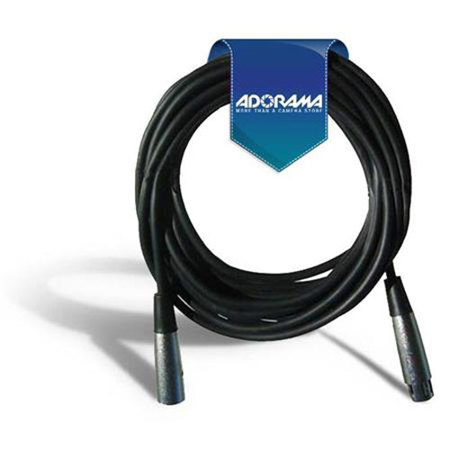
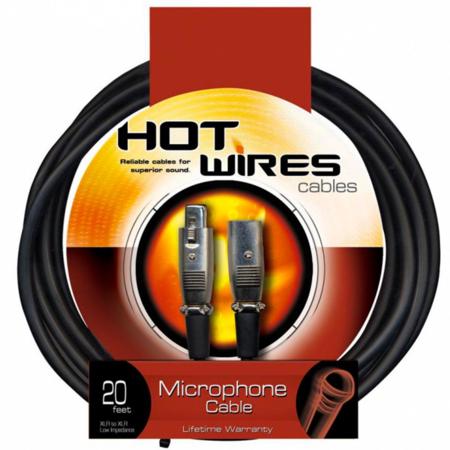
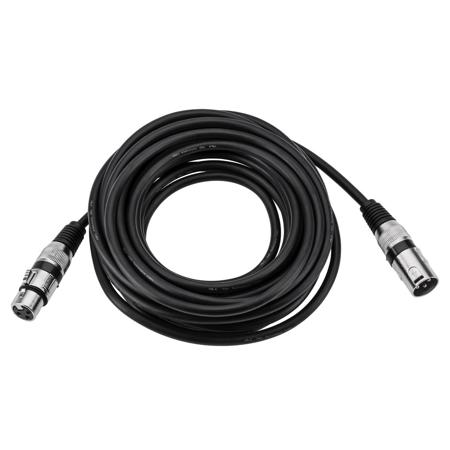
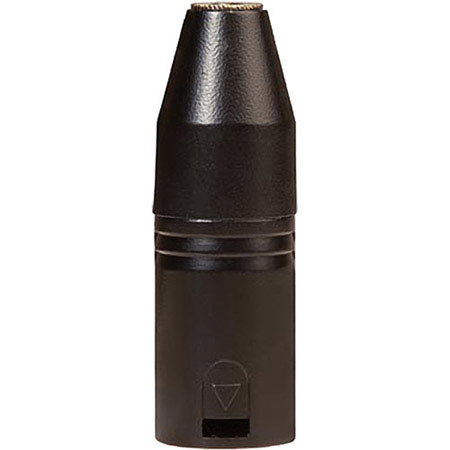
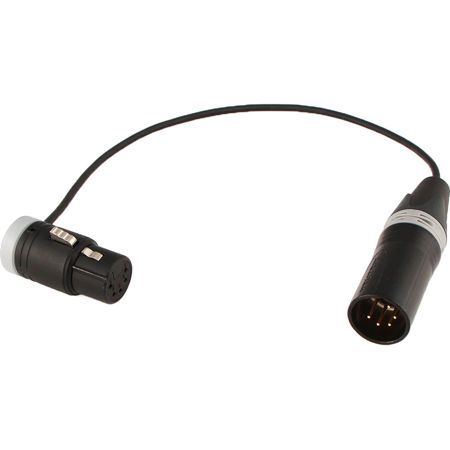
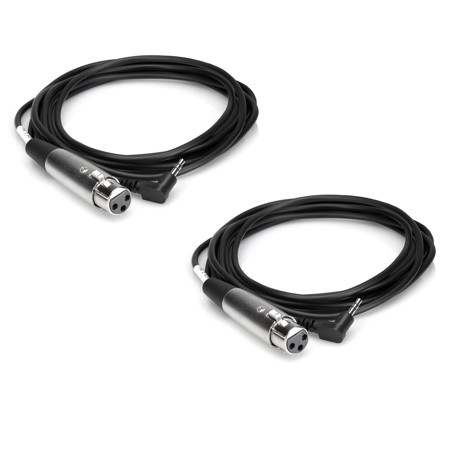
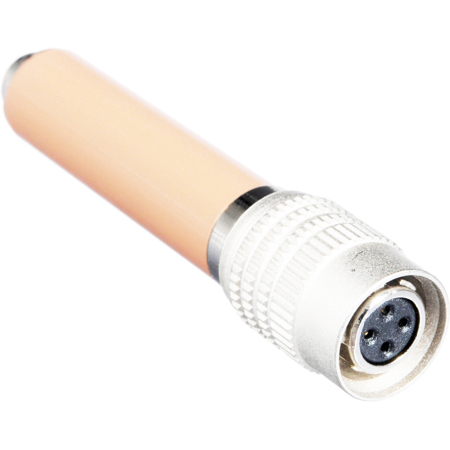
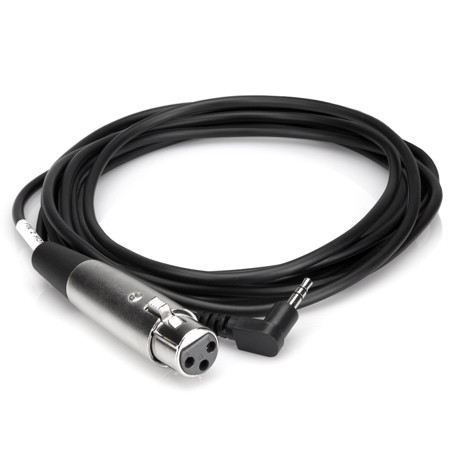
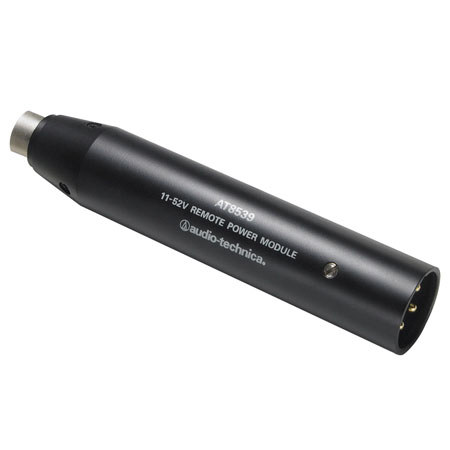
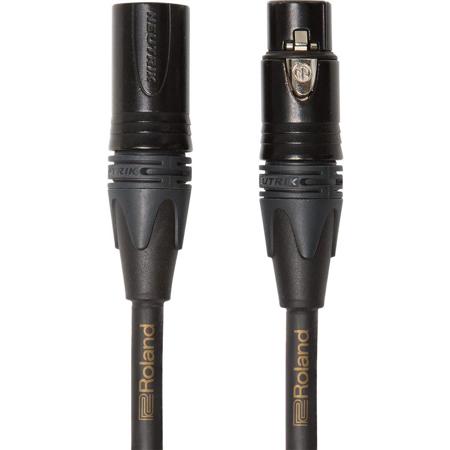
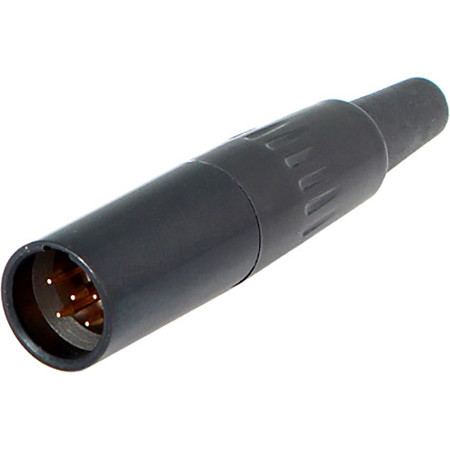
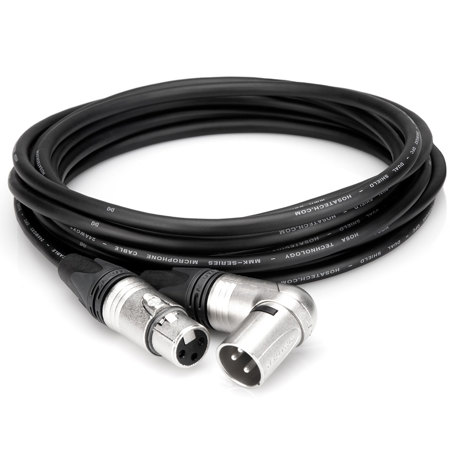
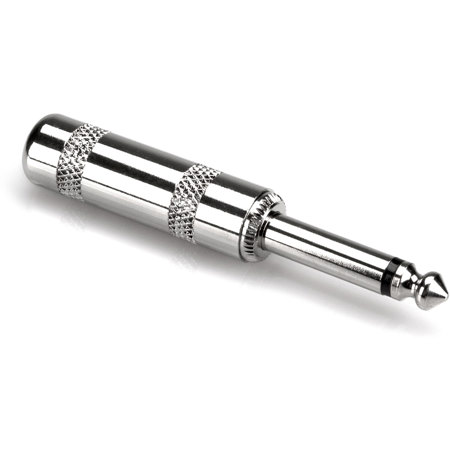
Selecting the right microphone connector involves more than just matching plug to port. It’s about considering the environment—are you setting up in a busy rehearsal space, a bustling event venue, or a quiet home office? Each scenario demands different levels of durability, shielding, and flexibility. Balanced connections, like those found in XLR cables, are prized for their ability to reject noise and interference, making them a staple in both live sound and studio recording. For those working with compact devices or portable recorders, smaller connectors such as mini-XLR or 1/4-inch TRS may be more appropriate. It’s also worth considering the length and quality of the cable attached to the connector, as longer runs in noisy environments benefit from superior shielding and construction. The tactile feel of a well-made connector—its reassuring click, the snug fit, the smoothness of the locking mechanism—can inspire confidence, especially during high-pressure moments on stage or in the studio. These details are not just technical specifications; they’re the difference between a flawless performance and a frustrating troubleshooting session.
Microphone connectors also make thoughtful gifts for anyone passionate about audio, from aspiring podcasters and musicians to seasoned sound engineers. They’re the kind of essential tool that’s always appreciated, whether as a practical addition to a gear bag or as an upgrade that removes an old, unreliable weak point in a signal chain. Spring is an ideal time to take stock of your setup, replacing worn connectors or adding new types to accommodate evolving creative needs. For those looking to dive deeper into specific connector types, such as XLR, exploring options at Xlr Connectors For Microphones can provide valuable insight and help ensure you’re equipped for any recording or performance scenario. No matter your skill level or area of interest, investing in quality microphone connectors is a step toward capturing and sharing your sound with clarity and confidence, season after season.
Selecting the right microphone connector involves more than just matching plug to port. It’s about considering the environment—are you setting up in a busy rehearsal space, a bustling event venue, or a quiet home office? Each scenario demands different levels of durability, shielding, and flexibility. Balanced connections, like those found in XLR cables, are prized for their ability to reject noise and interference, making them a staple in both live sound and studio recording. For those working with compact devices or portable recorders, smaller connectors such as mini-XLR or 1/4-inch TRS may be more appropriate. It’s also worth considering the length and quality of the cable attached to the connector, as longer runs in noisy environments benefit from superior shielding and construction. The tactile feel of a well-made connector—its reassuring click, the snug fit, the smoothness of the locking mechanism—can inspire confidence, especially during high-pressure moments on stage or in the studio. These details are not just technical specifications; they’re the difference between a flawless performance and a frustrating troubleshooting session.
Microphone connectors also make thoughtful gifts for anyone passionate about audio, from aspiring podcasters and musicians to seasoned sound engineers. They’re the kind of essential tool that’s always appreciated, whether as a practical addition to a gear bag or as an upgrade that removes an old, unreliable weak point in a signal chain. Spring is an ideal time to take stock of your setup, replacing worn connectors or adding new types to accommodate evolving creative needs. For those looking to dive deeper into specific connector types, such as XLR, exploring options at Xlr Connectors For Microphones can provide valuable insight and help ensure you’re equipped for any recording or performance scenario. No matter your skill level or area of interest, investing in quality microphone connectors is a step toward capturing and sharing your sound with clarity and confidence, season after season.