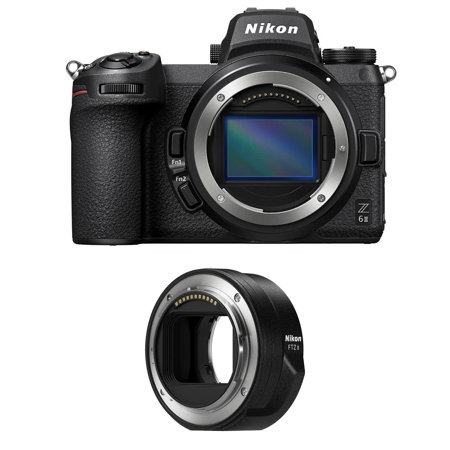
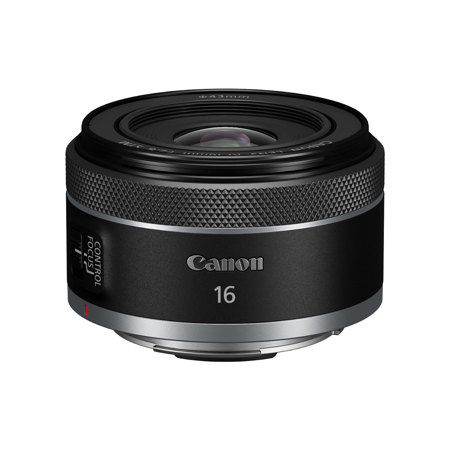
Mirrorless Cameras For Astrophotography
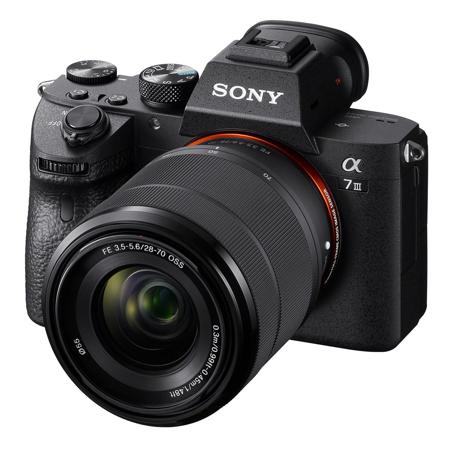
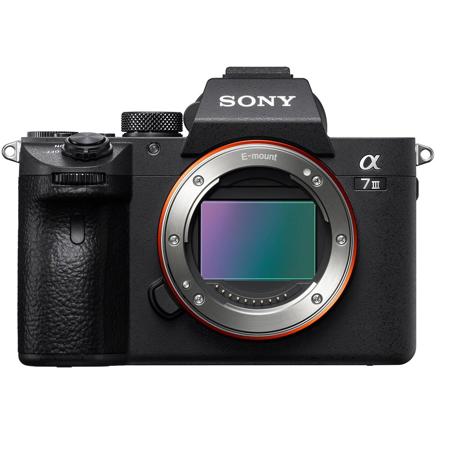
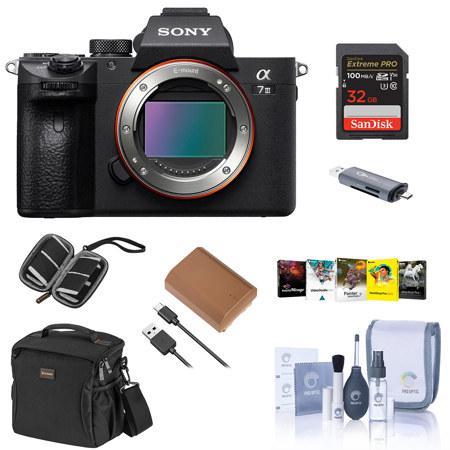
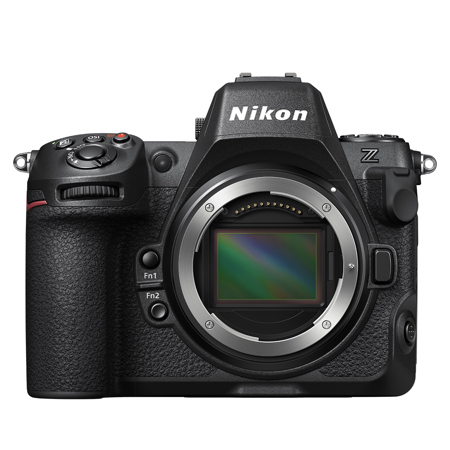
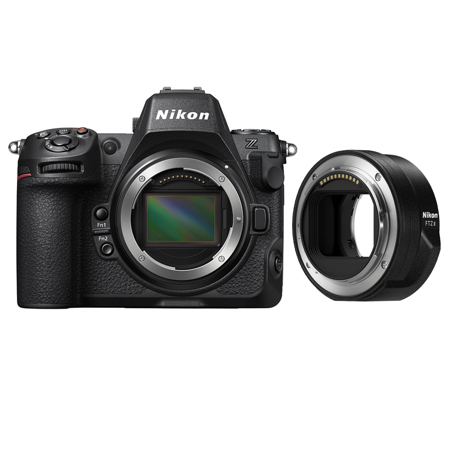
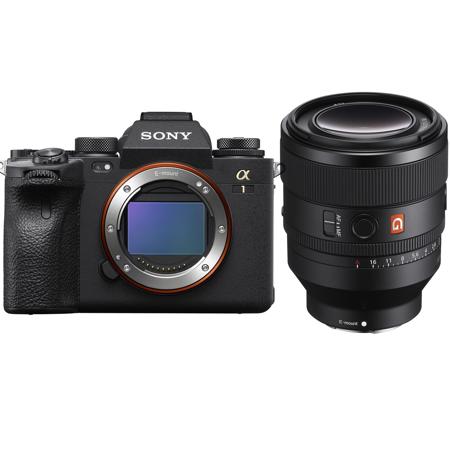
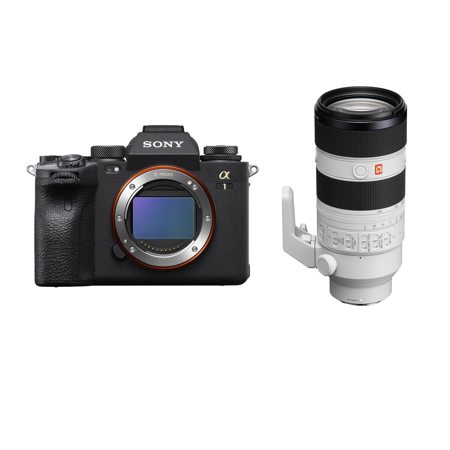
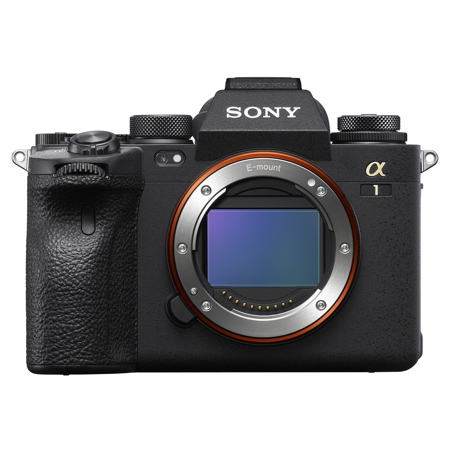
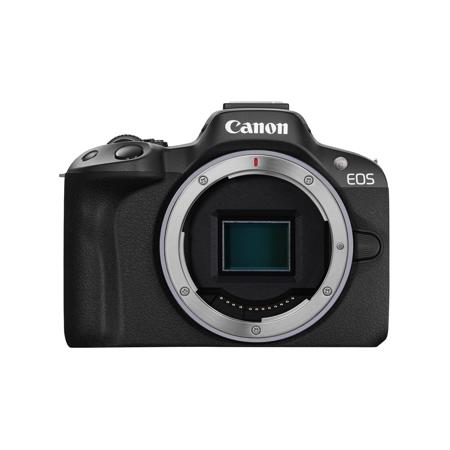
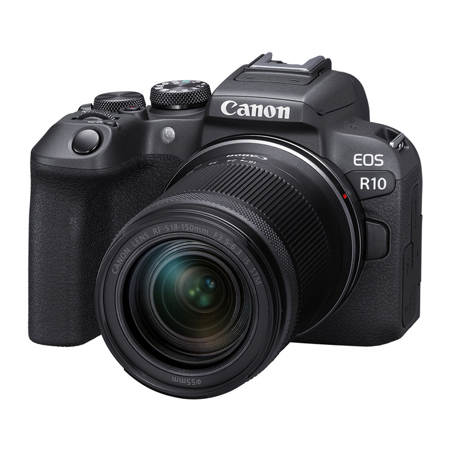
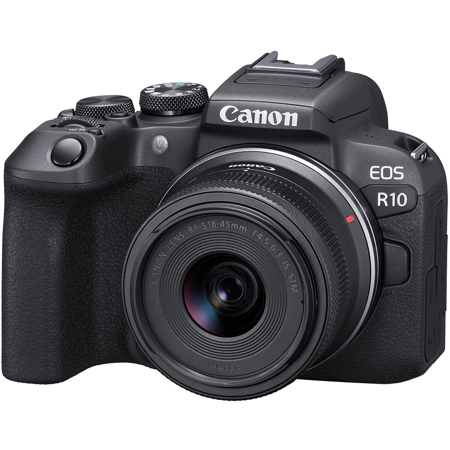
Astrophotography is a captivating blend of patience, curiosity, and technical skill, drawing in everyone from seasoned astronomers to those simply enchanted by the night sky. As winter deepens and the nights grow longer, the crisp February air often brings clearer skies, making it an ideal season to explore the wonders above. For many, the journey begins with selecting the right gear, and mirrorless cameras for astrophotography have become a top choice for both beginners and experienced stargazers alike. These cameras offer the perfect balance of lightweight portability and advanced sensor technology, allowing you to venture into remote locations or simply set up in your backyard to capture the Milky Way, star trails, or even the subtle glow of distant nebulae. The appeal of an astrophotography mirrorless setup lies in its ability to deliver exceptional low-light performance, fast and accurate autofocus, and the flexibility to pair with a wide range of lenses—an essential factor for those aiming to photograph everything from sweeping landscapes under the stars to close-ups of lunar craters.
When considering a mirrorless camera for astrophotography, several factors come into play beyond just megapixel count. Sensor size, dynamic range, and ISO sensitivity are crucial for capturing the delicate details of the cosmos without excessive noise or loss of color fidelity. Many newer models feature innovative noise reduction algorithms and in-body image stabilization, which can be a game-changer for longer exposures or when shooting in chilly winter conditions where tripods are set up on frosty ground. For those who are just starting out, or perhaps gifting a camera to a budding astrophotographer, the learning curve is often eased by intuitive controls and customizable settings. Some enthusiasts may recall the excitement of their first successful star shot—perhaps a quick setup at a family cabin or a spontaneous road trip to escape city lights—made memorable by the right camera in hand. Whether you’re a parent nurturing a child’s curiosity about the universe, a traveler seeking to immortalize the Northern Lights, or a hobbyist upgrading from an entry-level DSLR like the canon rebel t8, the right mirrorless camera can transform an ordinary night into an unforgettable photographic adventure.
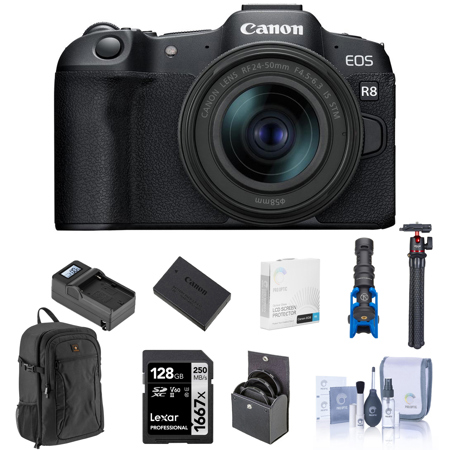
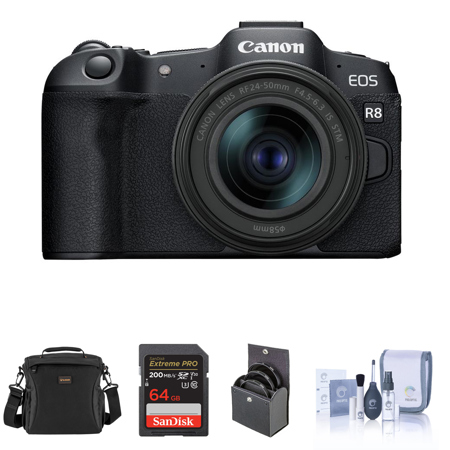
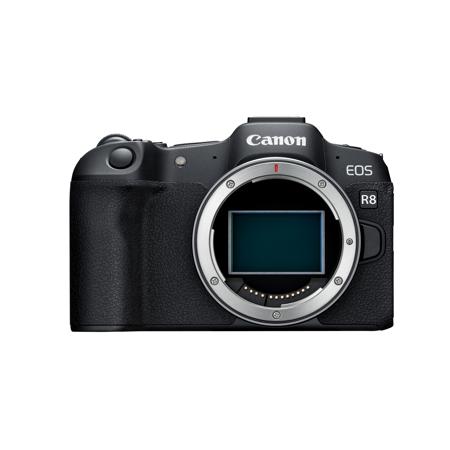
Selecting the ideal astrophotography mirrorless camera often means thinking ahead to how and where you’ll use it. Portability is key for those who hike to remote vantage points, while weather-sealed bodies are a must for braving the elements during winter stargazing. The versatility of mirrorless systems also allows for easy adaptation to different styles of astrophotography, from wide-angle landscapes to deep-sky imaging with specialized telescopes. As you browse the options—perhaps searching for that r8 for sale or comparing sensor specs—it’s helpful to envision the moments you’ll capture: the hush of a snow-covered field under Orion’s Belt, the gentle glow of a crescent moon rising over a frozen lake, or the thrill of witnessing a meteor shower with friends. For more in-depth information and to explore a curated selection of cameras tailored for the night sky, visit our dedicated page for Cameras For Astrophotography. Whether you’re building your first kit or upgrading to the latest technology, the right mirrorless camera will help you capture the universe in all its breathtaking detail.
When considering a mirrorless camera for astrophotography, several factors come into play beyond just megapixel count. Sensor size, dynamic range, and ISO sensitivity are crucial for capturing the delicate details of the cosmos without excessive noise or loss of color fidelity. Many newer models feature innovative noise reduction algorithms and in-body image stabilization, which can be a game-changer for longer exposures or when shooting in chilly winter conditions where tripods are set up on frosty ground. For those who are just starting out, or perhaps gifting a camera to a budding astrophotographer, the learning curve is often eased by intuitive controls and customizable settings. Some enthusiasts may recall the excitement of their first successful star shot—perhaps a quick setup at a family cabin or a spontaneous road trip to escape city lights—made memorable by the right camera in hand. Whether you’re a parent nurturing a child’s curiosity about the universe, a traveler seeking to immortalize the Northern Lights, or a hobbyist upgrading from an entry-level DSLR like the canon rebel t8, the right mirrorless camera can transform an ordinary night into an unforgettable photographic adventure.
Selecting the ideal astrophotography mirrorless camera often means thinking ahead to how and where you’ll use it. Portability is key for those who hike to remote vantage points, while weather-sealed bodies are a must for braving the elements during winter stargazing. The versatility of mirrorless systems also allows for easy adaptation to different styles of astrophotography, from wide-angle landscapes to deep-sky imaging with specialized telescopes. As you browse the options—perhaps searching for that r8 for sale or comparing sensor specs—it’s helpful to envision the moments you’ll capture: the hush of a snow-covered field under Orion’s Belt, the gentle glow of a crescent moon rising over a frozen lake, or the thrill of witnessing a meteor shower with friends. For more in-depth information and to explore a curated selection of cameras tailored for the night sky, visit our dedicated page for Cameras For Astrophotography. Whether you’re building your first kit or upgrading to the latest technology, the right mirrorless camera will help you capture the universe in all its breathtaking detail.