
Monoculars For Stargazing
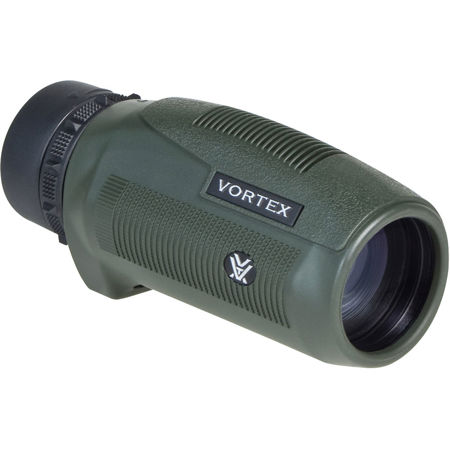
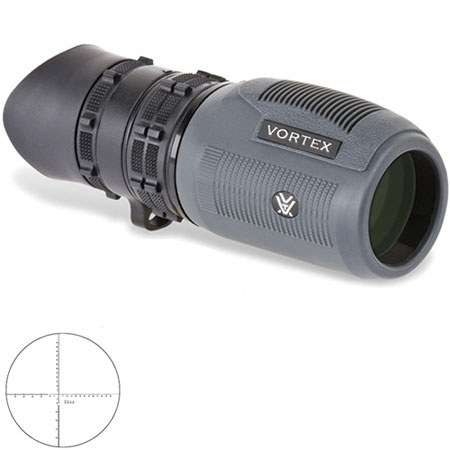
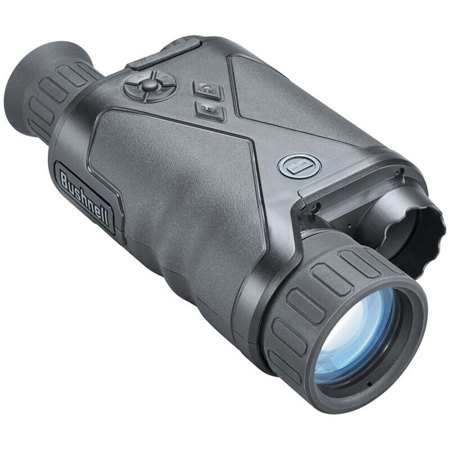
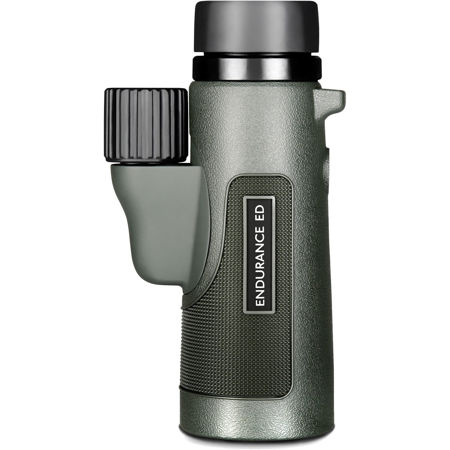
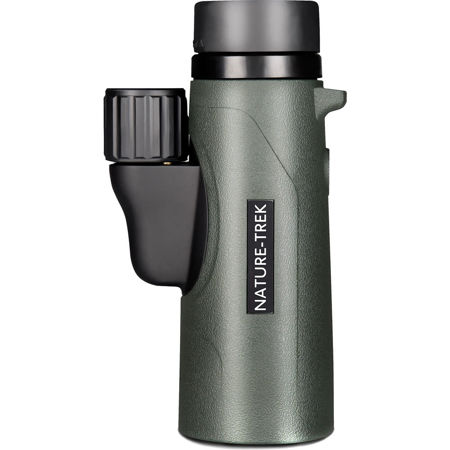
When it comes to exploring the night sky, monoculars for stargazing offer a unique blend of portability, simplicity, and optical performance that appeals to both beginners and seasoned observers. Unlike bulky telescopes, monoculars are compact and lightweight, making them ideal for spontaneous evenings under the stars, whether you’re venturing out to a dark-sky park or simply stepping into your backyard. The best monoculars for stargazing typically feature objective lens diameters in the 42mm to 50mm range, which allows them to gather ample light for observing celestial wonders like the Moon’s craters, the shimmering Pleiades cluster, or the bright glow of Jupiter and its moons. A 10x magnification strikes a practical balance, delivering enough power to bring distant objects closer while maintaining a wide enough field of view to sweep across constellations, and allowing for steadier handheld use compared to higher-powered optics that may require a tripod for stability. Features such as BaK-4 prisms and fully multi-coated lenses enhance image brightness and clarity, making faint stars and subtle lunar details stand out against the velvet sky.
Choosing the right monocular for stargazing involves considering your specific needs and how you plan to use it. For many, the appeal lies in the ease of slipping a monocular into a jacket pocket or backpack, ready for impromptu star parties, camping trips, or simply to keep by the window for a quick look at a passing meteor shower. Those new to astronomy will appreciate models with larger exit pupils—typically around 5mm for a 10x50 monocular—which are excellent for low-light performance and comfortable extended viewing sessions. Many monoculars also come with tripod compatibility, often via a standard 1/4-20 thread, enabling steady, hands-free observation of the night sky—a feature especially appreciated during longer winter nights when the air is crisp and the stars seem to shine brighter. If you’re considering a gift for a budding astronomer, a monocular is a thoughtful choice: it’s approachable for children, teens, and adults alike, and can spark a lifelong fascination with the cosmos. As February brings chilly evenings and clear skies to much of the country, there’s no better time to wrap up warm and share the magic of stargazing with family or friends.
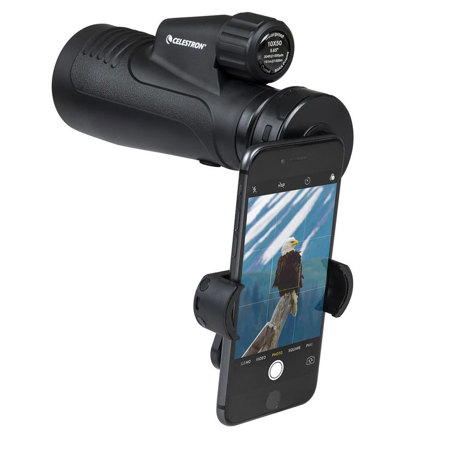
Monoculars for stargazing are not just for hobbyists—they’re also valued by hikers, travelers, and outdoor enthusiasts who want a versatile optical tool for both terrestrial and celestial viewing. Their single-barrel design makes them easy to use one-handed, and many models now include smartphone adapters, letting you capture images of the Moon or bright planets to share with others. When considering your purchase, look for rugged, weather-resistant construction, especially if you plan to use your monocular in varying outdoor conditions. While monoculars excel in portability and convenience, those seeking enhanced performance in extremely low-light environments may also be interested in exploring Night Vision Binoculars For Stargazing for a different perspective on nighttime observation. Whether you’re a casual skywatcher or an aspiring astronomer, the right monocular can transform a simple evening outdoors into a memorable journey across the stars, offering crisp, detailed views that inspire curiosity and wonder with every glance skyward.
Choosing the right monocular for stargazing involves considering your specific needs and how you plan to use it. For many, the appeal lies in the ease of slipping a monocular into a jacket pocket or backpack, ready for impromptu star parties, camping trips, or simply to keep by the window for a quick look at a passing meteor shower. Those new to astronomy will appreciate models with larger exit pupils—typically around 5mm for a 10x50 monocular—which are excellent for low-light performance and comfortable extended viewing sessions. Many monoculars also come with tripod compatibility, often via a standard 1/4-20 thread, enabling steady, hands-free observation of the night sky—a feature especially appreciated during longer winter nights when the air is crisp and the stars seem to shine brighter. If you’re considering a gift for a budding astronomer, a monocular is a thoughtful choice: it’s approachable for children, teens, and adults alike, and can spark a lifelong fascination with the cosmos. As February brings chilly evenings and clear skies to much of the country, there’s no better time to wrap up warm and share the magic of stargazing with family or friends.
Monoculars for stargazing are not just for hobbyists—they’re also valued by hikers, travelers, and outdoor enthusiasts who want a versatile optical tool for both terrestrial and celestial viewing. Their single-barrel design makes them easy to use one-handed, and many models now include smartphone adapters, letting you capture images of the Moon or bright planets to share with others. When considering your purchase, look for rugged, weather-resistant construction, especially if you plan to use your monocular in varying outdoor conditions. While monoculars excel in portability and convenience, those seeking enhanced performance in extremely low-light environments may also be interested in exploring Night Vision Binoculars For Stargazing for a different perspective on nighttime observation. Whether you’re a casual skywatcher or an aspiring astronomer, the right monocular can transform a simple evening outdoors into a memorable journey across the stars, offering crisp, detailed views that inspire curiosity and wonder with every glance skyward.