

Optical Compressors
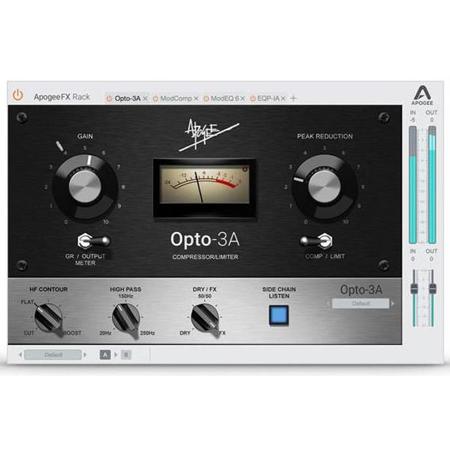
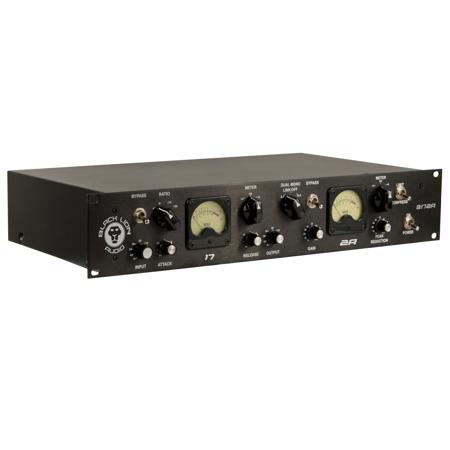
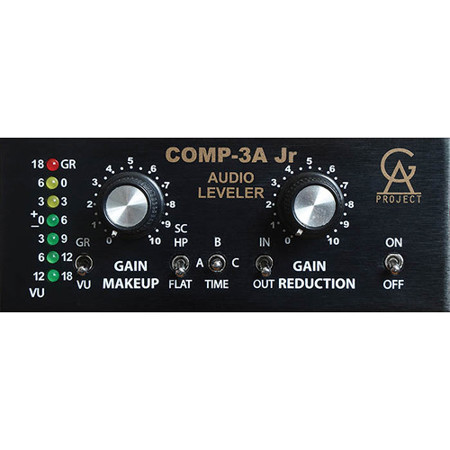
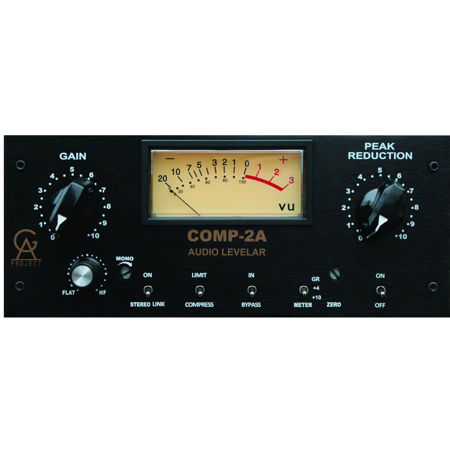
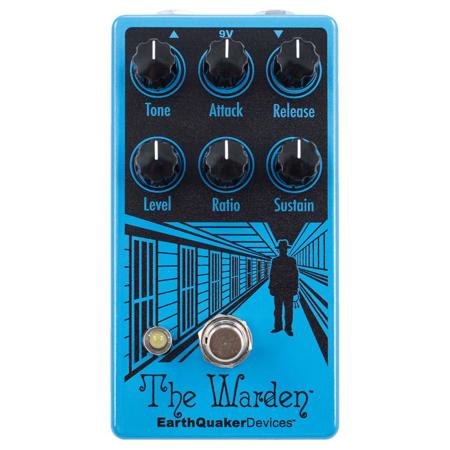
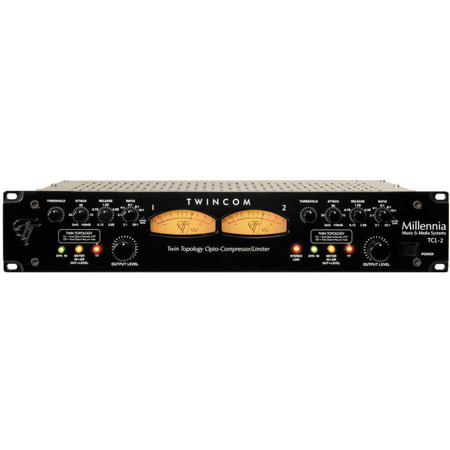
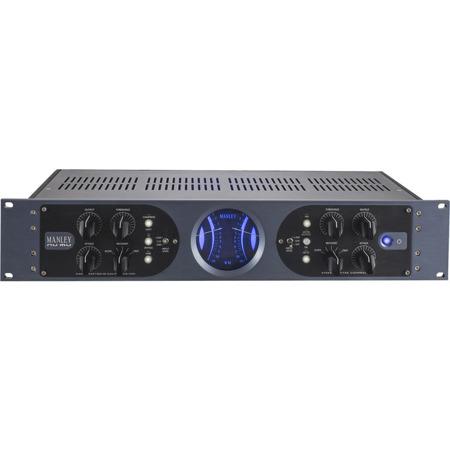
In the world of audio engineering, optical compressors hold a special place for their ability to deliver smooth, musical dynamics control that’s both forgiving and highly effective. Unlike their VCA-based counterparts, optical compressors use a light source paired with a light-dependent resistor (LDR) to respond to audio signals. As the incoming sound increases in volume, the light glows brighter, causing the resistor to change its value and reduce the gain. This unique mechanism results in a gentle, almost organic compression curve, with program-dependent attack and release times that seem to breathe with the music. The resulting sound is characterized by a “transparent leveling” effect—transients are tamed without being squashed, and the overall signal gains a subtle cohesion. This makes optical compression a favorite for lead vocals, where the goal is to keep a singer present and consistent in the mix without coloring the tone or introducing unnatural artifacts. It’s also prized for bass guitar, where it can smooth out uneven notes and add warmth and sustain, and on instrument groups or the mix bus to glue elements together for a polished, professional finish.
Whether you’re outfitting a home studio, upgrading a professional setup, or searching for a thoughtful gift for the musician, producer, or audio enthusiast in your life, an optical compressor is a versatile addition to any gear collection. These units are especially valued by those who appreciate vintage sound and classic recording techniques, as well as by modern creators seeking natural dynamics control. During the warmer months, when live performances, outdoor gigs, and recording sessions often pick up, the forgiving nature of optical compressors makes them a reliable tool for capturing consistent results even in less controlled environments. Their intuitive operation—often with just a few simple controls—makes them accessible to beginners while still offering the nuanced performance that seasoned engineers demand. For those interested in exploring stereo processing or expanding their dynamic control options, our curated selection of Stereo Compressors offers additional flexibility for mixing and mastering applications.
When considering an optical compressor, it’s helpful to think about the specific needs of your workflow and the sonic character you’re aiming to achieve. Some units, such as a capital compressor, may offer additional features like switchable sidechain filtering or variable attack and release, providing extra control for advanced users. Others stay true to the classic designs, focusing on simplicity and the unmistakable warmth that comes from optical circuitry. As the seasons transition from the freshness of early summer to the crispness of early fall, the versatility of optical compressors shines—whether you’re tracking vocals in a sunlit studio, recording acoustic instruments outdoors, or mixing a set of live recordings from a festival. Their ability to impart a sense of “afterglow” and cohesion without sacrificing clarity is why they remain a staple in both analog and digital setups. With their musical response and ease of use, optical compressors continue to inspire creativity and deliver professional results, making them a wise investment for anyone serious about audio quality.
Whether you’re outfitting a home studio, upgrading a professional setup, or searching for a thoughtful gift for the musician, producer, or audio enthusiast in your life, an optical compressor is a versatile addition to any gear collection. These units are especially valued by those who appreciate vintage sound and classic recording techniques, as well as by modern creators seeking natural dynamics control. During the warmer months, when live performances, outdoor gigs, and recording sessions often pick up, the forgiving nature of optical compressors makes them a reliable tool for capturing consistent results even in less controlled environments. Their intuitive operation—often with just a few simple controls—makes them accessible to beginners while still offering the nuanced performance that seasoned engineers demand. For those interested in exploring stereo processing or expanding their dynamic control options, our curated selection of Stereo Compressors offers additional flexibility for mixing and mastering applications.
When considering an optical compressor, it’s helpful to think about the specific needs of your workflow and the sonic character you’re aiming to achieve. Some units, such as a capital compressor, may offer additional features like switchable sidechain filtering or variable attack and release, providing extra control for advanced users. Others stay true to the classic designs, focusing on simplicity and the unmistakable warmth that comes from optical circuitry. As the seasons transition from the freshness of early summer to the crispness of early fall, the versatility of optical compressors shines—whether you’re tracking vocals in a sunlit studio, recording acoustic instruments outdoors, or mixing a set of live recordings from a festival. Their ability to impart a sense of “afterglow” and cohesion without sacrificing clarity is why they remain a staple in both analog and digital setups. With their musical response and ease of use, optical compressors continue to inspire creativity and deliver professional results, making them a wise investment for anyone serious about audio quality.