PCIe Ethernet Cards
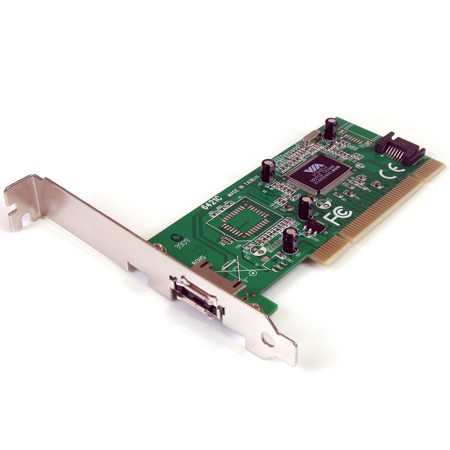
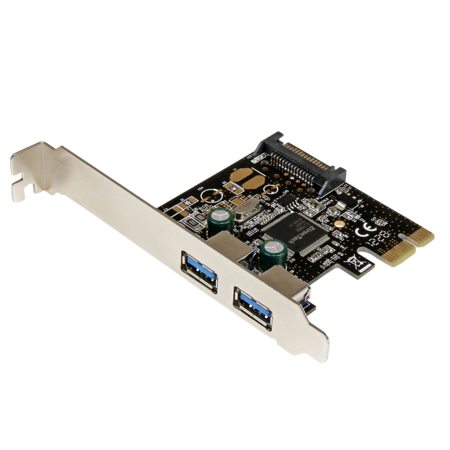
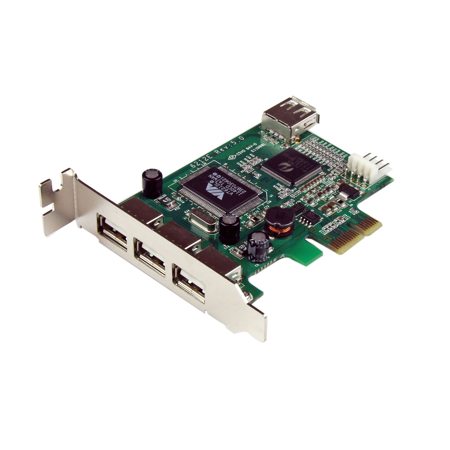
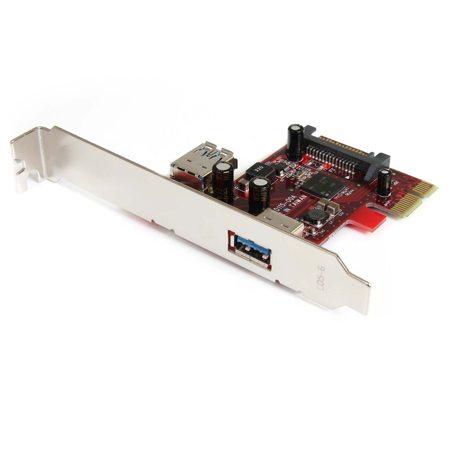
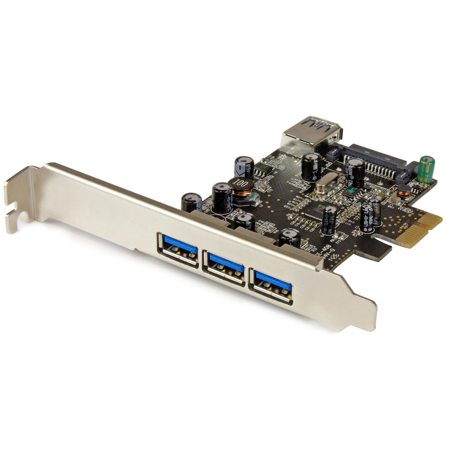
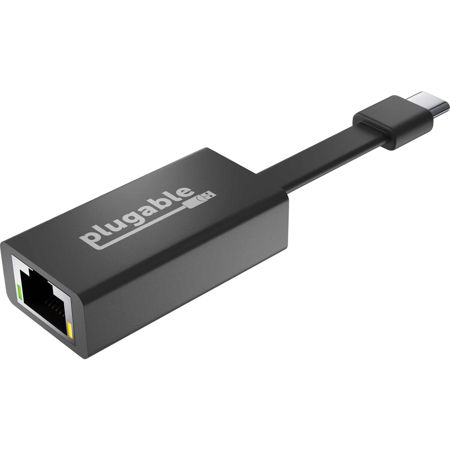
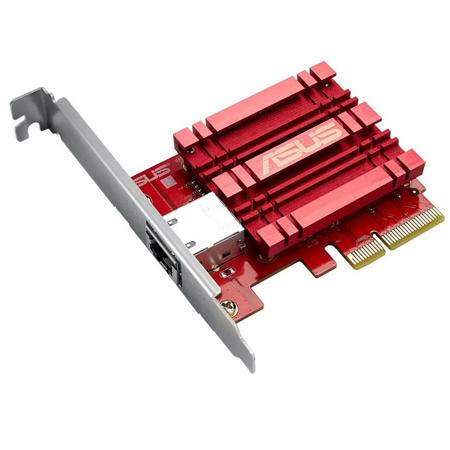
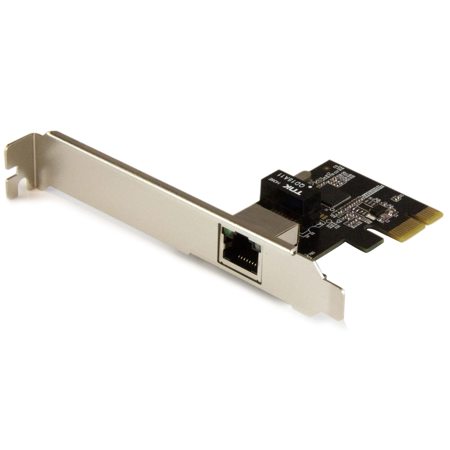
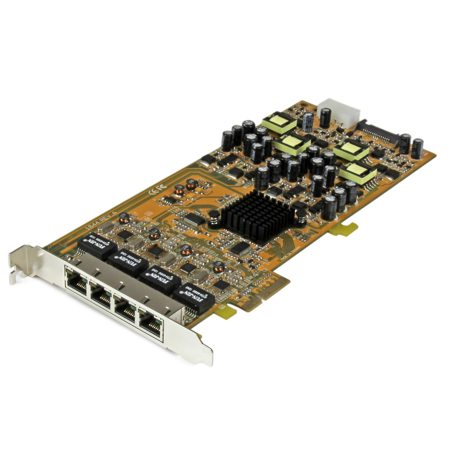
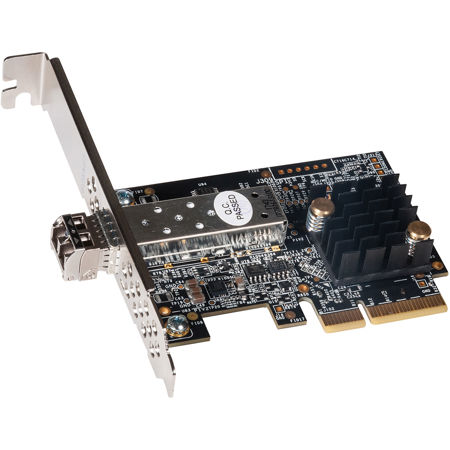
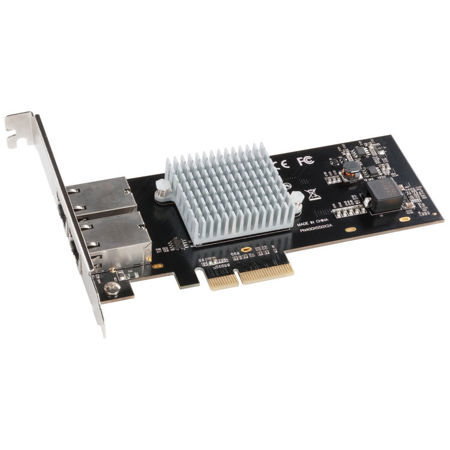
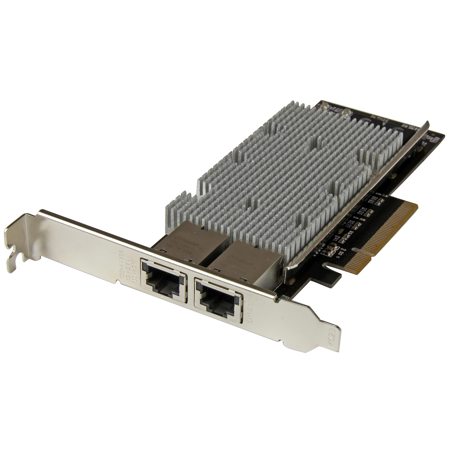
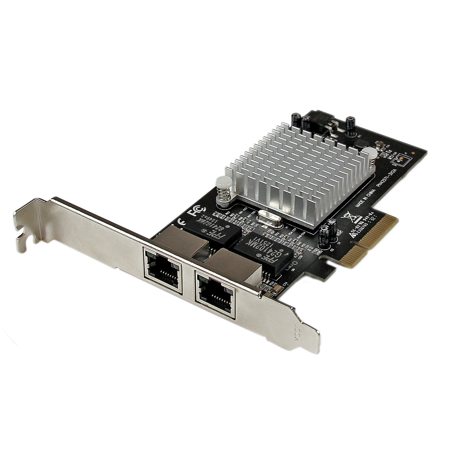
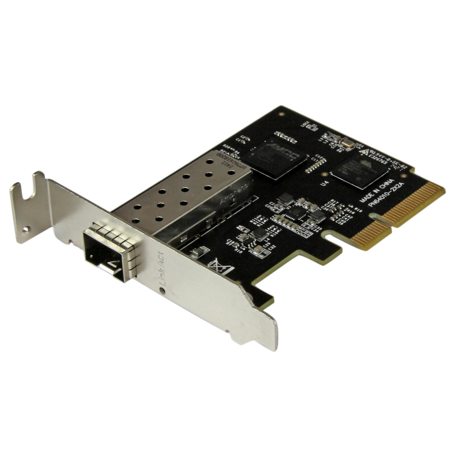
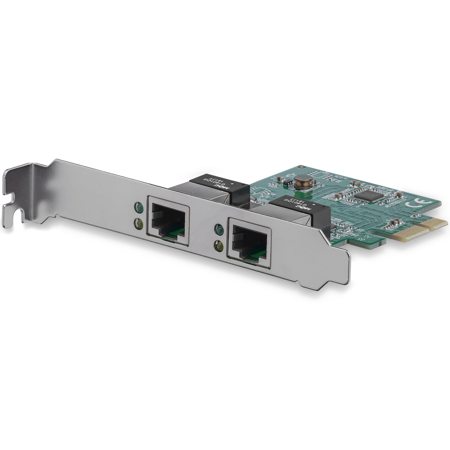
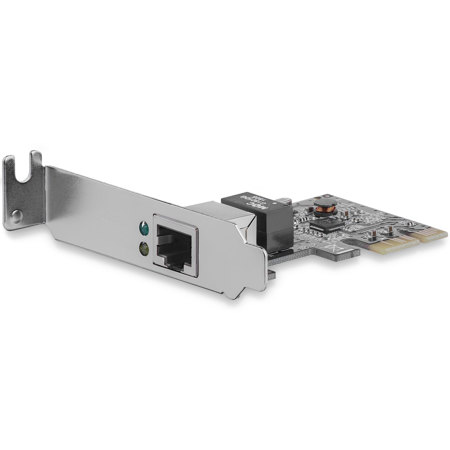
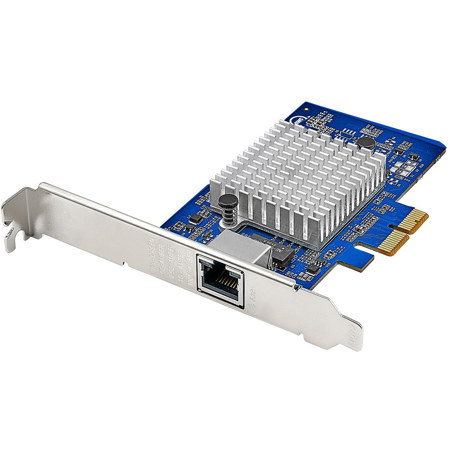
PCIe Ethernet cards have become a foundation for anyone seeking to upgrade or expand their computer’s networking capabilities, whether for professional, creative, or recreational purposes. As technology continues to evolve and the demand for faster, more stable connections grows, these cards offer a straightforward solution for desktops with aging or malfunctioning onboard Ethernet ports, or for those looking to push beyond standard speeds. From home offices and creative studios to gaming setups and small business servers, the versatility of a PCI network card can be transformative. For content creators who rely on transferring large video files, photographers backing up high-resolution images to a NAS, or professionals collaborating on cloud-based projects, a high-performance Ethernet card ensures seamless, uninterrupted workflow. Gamers, too, find that selecting the best ethernet card for gaming can make the difference between a laggy experience and one that’s smooth and competitive, especially during marathon sessions as the days grow longer or when gathering indoors with friends as the evenings cool.
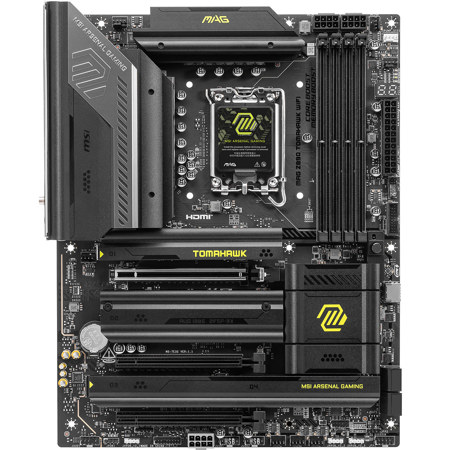
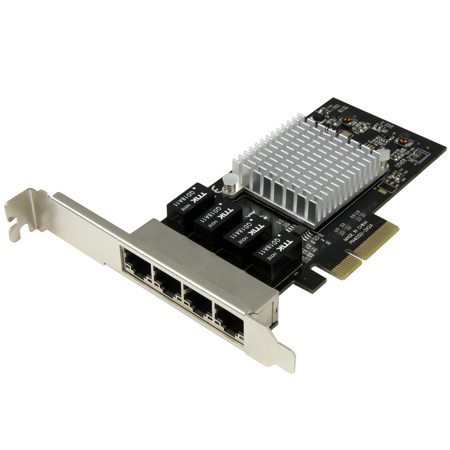
When considering which ethernet cards are best suited for your needs, it’s important to weigh several factors. The speed rating—whether standard gigabit, 2.5 Gbps, 5 Gbps, or beyond—should match both your internet service and your internal network’s capabilities. Multi-port cards are a practical choice for users managing multiple connections or those building home labs and small business servers, offering redundancy and flexibility. Compatibility with your motherboard and operating system is essential, and many users find that installation is as simple as seating the card in a free PCIe slot and installing the appropriate drivers. For those who value reliability and future-proofing, investing in the best network card pays dividends in reduced downtime and improved performance. These cards also make thoughtful gifts for tech enthusiasts, students heading off to college, or anyone upgrading their home office during the transition from summer into the busy fall season. The satisfaction of a rock-solid wired connection—whether you’re streaming, gaming, or editing—can be a game changer, and the right card often becomes a quietly indispensable part of your setup.
As you explore your options, keep in mind that the best ethernet card is one that aligns with your unique requirements and environment. For some, this means prioritizing raw speed and low latency; for others, it’s about adding more ports or ensuring compatibility with specialized equipment. The range of PCIe Ethernet cards available today covers every need, from budget-friendly upgrades to advanced professional solutions. For those seeking a broader perspective or looking to compare additional networking solutions, our Ethernet Interfaces page offers a curated selection of reliable, high-performance options. Whether you’re preparing for a productive season of remote work, setting up a dedicated gaming rig, or supporting a growing creative business, a quality PCI network card is a wise investment—one that delivers tangible benefits every time you log on.
When considering which ethernet cards are best suited for your needs, it’s important to weigh several factors. The speed rating—whether standard gigabit, 2.5 Gbps, 5 Gbps, or beyond—should match both your internet service and your internal network’s capabilities. Multi-port cards are a practical choice for users managing multiple connections or those building home labs and small business servers, offering redundancy and flexibility. Compatibility with your motherboard and operating system is essential, and many users find that installation is as simple as seating the card in a free PCIe slot and installing the appropriate drivers. For those who value reliability and future-proofing, investing in the best network card pays dividends in reduced downtime and improved performance. These cards also make thoughtful gifts for tech enthusiasts, students heading off to college, or anyone upgrading their home office during the transition from summer into the busy fall season. The satisfaction of a rock-solid wired connection—whether you’re streaming, gaming, or editing—can be a game changer, and the right card often becomes a quietly indispensable part of your setup.
As you explore your options, keep in mind that the best ethernet card is one that aligns with your unique requirements and environment. For some, this means prioritizing raw speed and low latency; for others, it’s about adding more ports or ensuring compatibility with specialized equipment. The range of PCIe Ethernet cards available today covers every need, from budget-friendly upgrades to advanced professional solutions. For those seeking a broader perspective or looking to compare additional networking solutions, our Ethernet Interfaces page offers a curated selection of reliable, high-performance options. Whether you’re preparing for a productive season of remote work, setting up a dedicated gaming rig, or supporting a growing creative business, a quality PCI network card is a wise investment—one that delivers tangible benefits every time you log on.