Pcie Motherboards
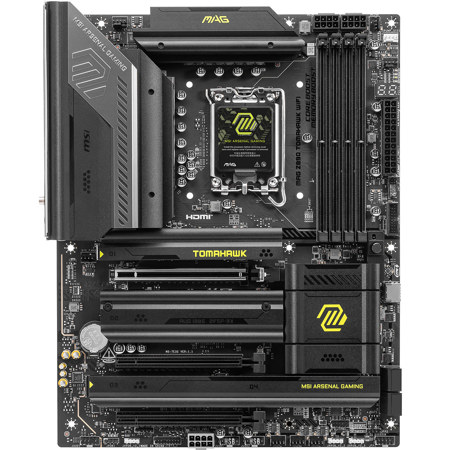
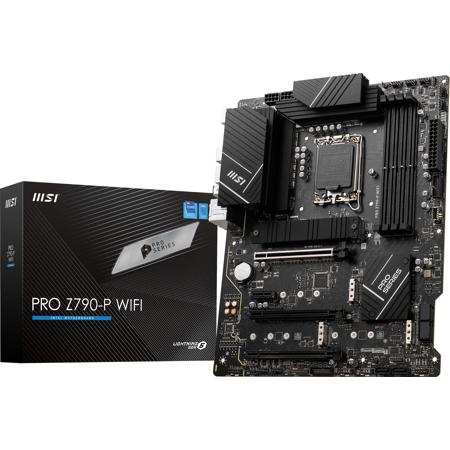
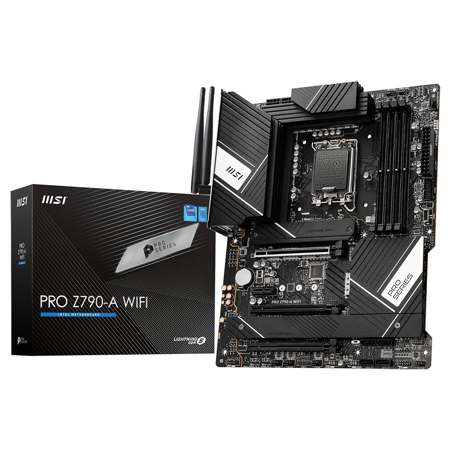
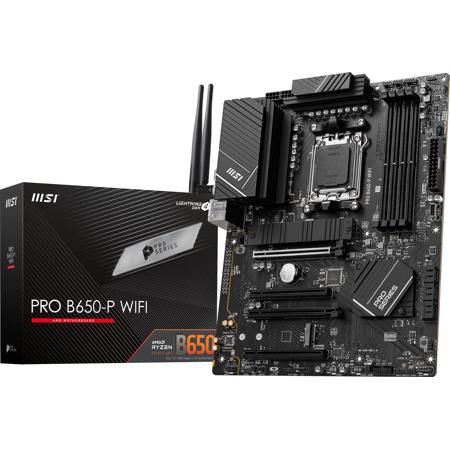
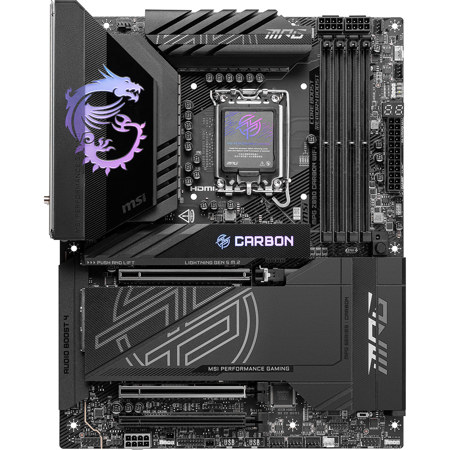
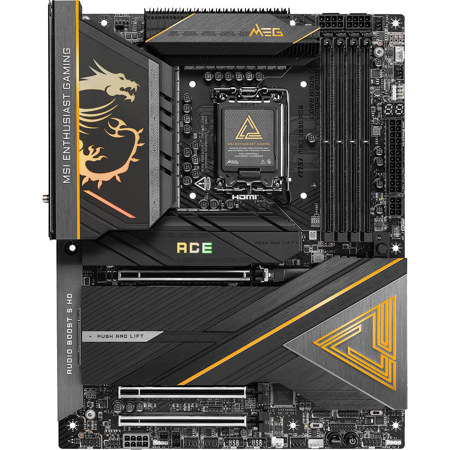
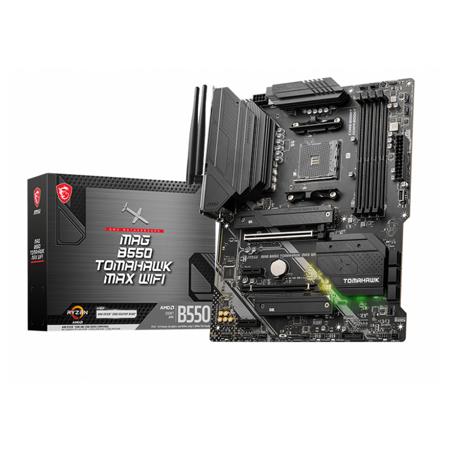
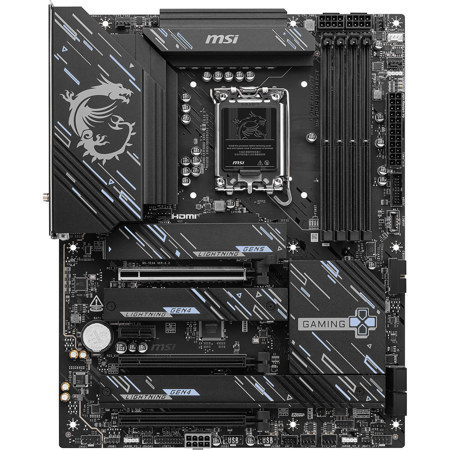
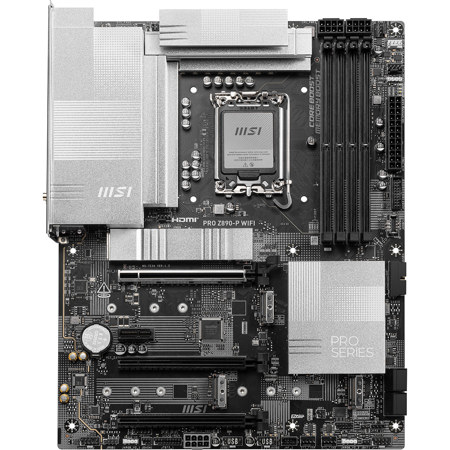
PCIe motherboards form the backbone of any modern PC build, providing the essential foundation for connecting and powering high-performance components. Whether you’re assembling a custom gaming rig, a professional workstation for creative projects, or upgrading a home office setup, understanding the role of PCIe slots and their various generations is key to maximizing your system’s capabilities. PCIe (Peripheral Component Interconnect Express) slots come in multiple sizes—most notably x16, x4, and x1—each offering different numbers of data lanes and bandwidth to suit a variety of expansion cards. The x16 slots, being the longest, are typically reserved for graphics cards, which demand the highest throughput for tasks like 3D rendering, video editing, or immersive gaming. Shorter x4 and x1 slots are ideal for add-in cards such as Wi-Fi adapters, sound cards, or capture cards, allowing users to tailor their systems to their specific needs. M.2 slots, a newer addition to many motherboards, offer a compact and direct PCIe interface for ultra-fast NVMe SSDs, dramatically improving storage speeds and reducing load times for applications and files.
As technology evolves, each new PCIe generation brings a substantial leap in data bandwidth. PCIe Gen 3 delivers around 1 GB/s per lane, Gen 4 doubles that to 2 GB/s, and Gen 5 pushes it further to approximately 4 GB/s per lane. This progression ensures that as you upgrade your components—whether it’s a next-generation GPU or a blazing-fast SSD—your motherboard can keep pace, reducing bottlenecks and latency. Importantly, PCIe standards are designed for forward and backward compatibility, so you can use a Gen 3 device in a Gen 4 slot, though it will operate at the lower speed. This flexibility is invaluable for builders who want to future-proof their systems or gradually upgrade over time. When evaluating PCIe motherboards, pay close attention to the chipset, as this determines not only the number of available PCIe lanes but also compatibility with the latest memory standards and processors. For instance, if you’re building a system around the latest CPUs, choosing a motherboard that supports both PCIe 5.0 and DDR5 memory will ensure you’re ready for the most demanding workflows and applications.
PCIe motherboards make a thoughtful gift for anyone passionate about technology, from gamers eager to unlock higher frame rates to content creators working with large media files or engineers running complex simulations. As the weather warms and summer projects pick up, many enthusiasts take the opportunity to upgrade their systems, whether for personal enjoyment or to stay competitive in fast-moving creative fields. A well-chosen motherboard can breathe new life into an aging PC or serve as the cornerstone of a cutting-edge build, offering expandability for years to come. For those seeking more insights or looking to compare advanced models, visit our curated selection of High Performance Motherboards to find the ideal platform for your next project. With the right PCIe motherboard, you’re not just building a computer—you’re investing in a flexible, high-speed foundation that adapts as your needs and ambitions grow.
As technology evolves, each new PCIe generation brings a substantial leap in data bandwidth. PCIe Gen 3 delivers around 1 GB/s per lane, Gen 4 doubles that to 2 GB/s, and Gen 5 pushes it further to approximately 4 GB/s per lane. This progression ensures that as you upgrade your components—whether it’s a next-generation GPU or a blazing-fast SSD—your motherboard can keep pace, reducing bottlenecks and latency. Importantly, PCIe standards are designed for forward and backward compatibility, so you can use a Gen 3 device in a Gen 4 slot, though it will operate at the lower speed. This flexibility is invaluable for builders who want to future-proof their systems or gradually upgrade over time. When evaluating PCIe motherboards, pay close attention to the chipset, as this determines not only the number of available PCIe lanes but also compatibility with the latest memory standards and processors. For instance, if you’re building a system around the latest CPUs, choosing a motherboard that supports both PCIe 5.0 and DDR5 memory will ensure you’re ready for the most demanding workflows and applications.
PCIe motherboards make a thoughtful gift for anyone passionate about technology, from gamers eager to unlock higher frame rates to content creators working with large media files or engineers running complex simulations. As the weather warms and summer projects pick up, many enthusiasts take the opportunity to upgrade their systems, whether for personal enjoyment or to stay competitive in fast-moving creative fields. A well-chosen motherboard can breathe new life into an aging PC or serve as the cornerstone of a cutting-edge build, offering expandability for years to come. For those seeking more insights or looking to compare advanced models, visit our curated selection of High Performance Motherboards to find the ideal platform for your next project. With the right PCIe motherboard, you’re not just building a computer—you’re investing in a flexible, high-speed foundation that adapts as your needs and ambitions grow.