Phantom Microphones
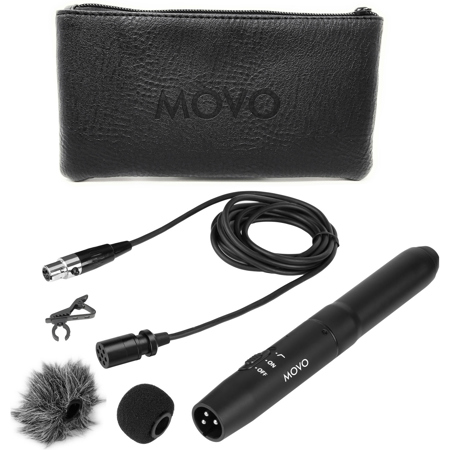
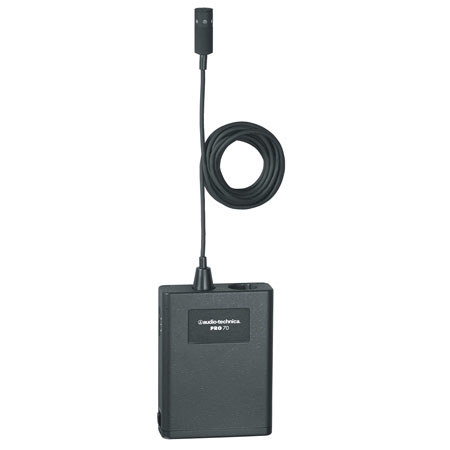
Phantom powered microphones are a staple in professional audio environments, renowned for their clarity, sensitivity, and versatility. These microphones rely on phantom power—typically +48V DC supplied through an XLR cable—to energize the internal electronics, especially in condenser and certain shotgun microphones. This design eliminates the need for bulky external power supplies and allows for a cleaner, more streamlined setup whether in a studio, on stage, or out in the field. Audio engineers, musicians, podcasters, and filmmakers gravitate toward phantom microphones for their ability to capture detailed, nuanced sound that brings vocals, instruments, and ambient environments to life. As the days grow longer and spring brings new creative energy, many artists and content creators find themselves inspired to record fresh projects, making this the perfect season to upgrade or expand their microphone collection.
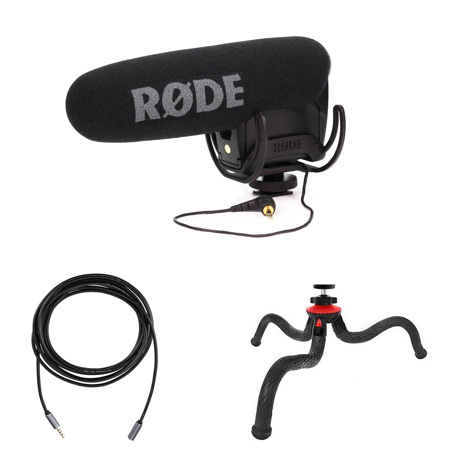
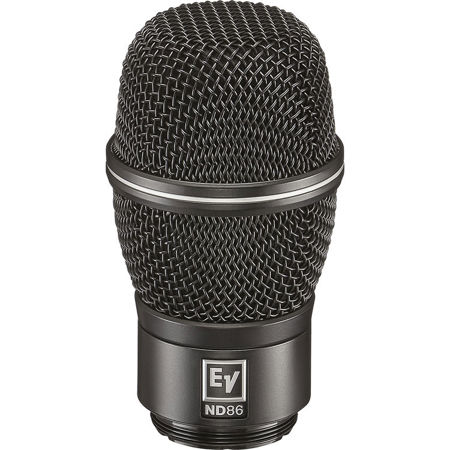
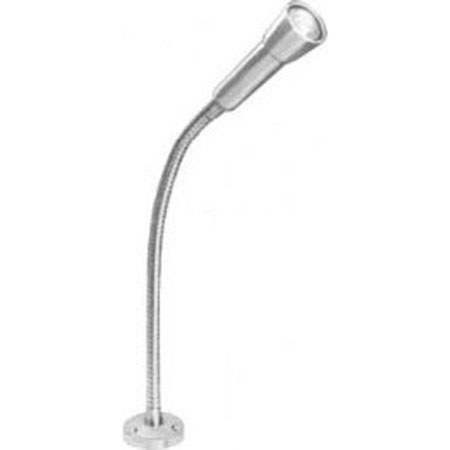
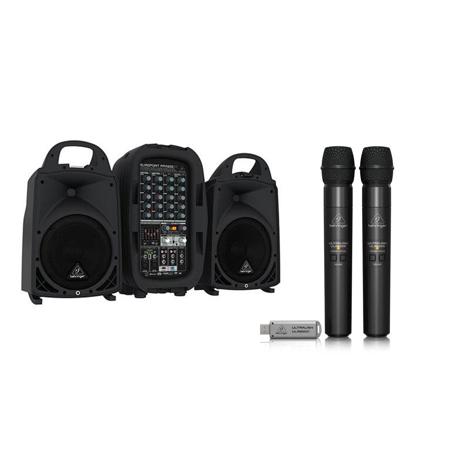
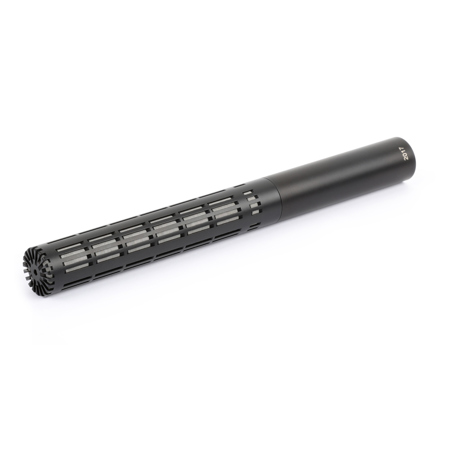
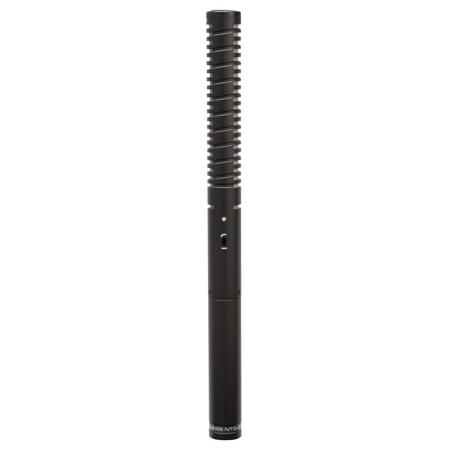
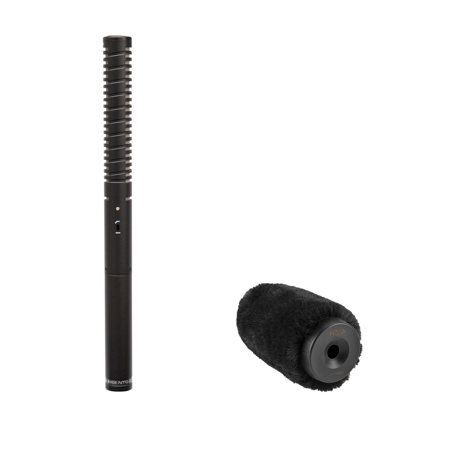
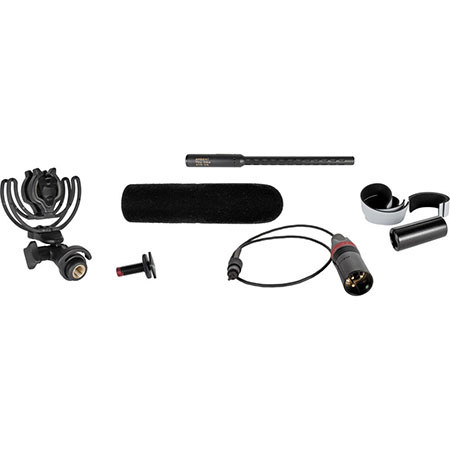
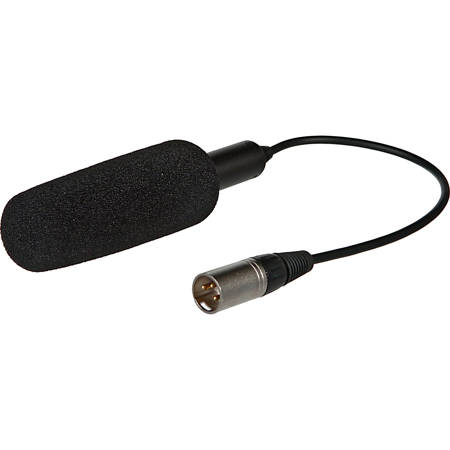
When considering a phantom powered microphone, it’s important to evaluate the specific needs of your recording environment. Studio professionals often seek large-diaphragm condenser microphones for their warmth and accuracy, ideal for vocal performances, acoustic instruments, and voiceovers. Meanwhile, field recordists or videographers might opt for shotgun microphones with phantom power, which excel at isolating sound sources even in bustling outdoor settings—imagine capturing the crisp chirp of birds or the subtle rustle of leaves during a springtime documentary shoot. Home studio enthusiasts and podcasters appreciate the ease of integrating phantom microphones with audio interfaces and mixers, as the standard XLR connection ensures compatibility and consistent power delivery. These microphones also make thoughtful gifts for aspiring musicians, audio students, or anyone passionate about high-fidelity sound, offering a professional touch that can elevate home recordings, livestreams, or creative projects.
Selecting the right phantom powered microphone involves more than just matching technical specifications; it’s about understanding how the microphone will interact with your existing gear and workflow. Factors such as polar pattern, frequency response, and self-noise play a crucial role in determining the best fit for your application. For those who are new to the world of professional audio, the term “phantom power” might sound mysterious, but it is simply a reliable, industry-standard way to ensure condenser microphones perform at their best. If you’re exploring different microphone options and want to compare how phantom powered models stack up against other types, it can be helpful to browse a wider selection of Wired Microphones to find the perfect match for your creative vision. Whether you’re recording a full orchestra in a concert hall, capturing an intimate podcast at home, or gifting a budding artist with their first professional microphone, phantom microphones offer the precision and flexibility that modern creators rely on.
When considering a phantom powered microphone, it’s important to evaluate the specific needs of your recording environment. Studio professionals often seek large-diaphragm condenser microphones for their warmth and accuracy, ideal for vocal performances, acoustic instruments, and voiceovers. Meanwhile, field recordists or videographers might opt for shotgun microphones with phantom power, which excel at isolating sound sources even in bustling outdoor settings—imagine capturing the crisp chirp of birds or the subtle rustle of leaves during a springtime documentary shoot. Home studio enthusiasts and podcasters appreciate the ease of integrating phantom microphones with audio interfaces and mixers, as the standard XLR connection ensures compatibility and consistent power delivery. These microphones also make thoughtful gifts for aspiring musicians, audio students, or anyone passionate about high-fidelity sound, offering a professional touch that can elevate home recordings, livestreams, or creative projects.
Selecting the right phantom powered microphone involves more than just matching technical specifications; it’s about understanding how the microphone will interact with your existing gear and workflow. Factors such as polar pattern, frequency response, and self-noise play a crucial role in determining the best fit for your application. For those who are new to the world of professional audio, the term “phantom power” might sound mysterious, but it is simply a reliable, industry-standard way to ensure condenser microphones perform at their best. If you’re exploring different microphone options and want to compare how phantom powered models stack up against other types, it can be helpful to browse a wider selection of Wired Microphones to find the perfect match for your creative vision. Whether you’re recording a full orchestra in a concert hall, capturing an intimate podcast at home, or gifting a budding artist with their first professional microphone, phantom microphones offer the precision and flexibility that modern creators rely on.