Portfolio For Graphic Designers
For graphic designers, a thoughtfully assembled portfolio is much more than a collection of completed projects—it's a living, visual narrative that communicates your creative journey, technical expertise, and individual style. Whether you're a seasoned professional preparing for client meetings, a recent graduate seeking your first creative role, or a freelancer building your reputation, the right tools and materials for crafting a portfolio can make all the difference. As the weather warms and creative energy surges with the longer days, many designers find themselves inspired to refresh their portfolios, update their work samples, or even start from scratch with a new format. The process of curating a portfolio often involves selecting a diverse array of work that highlights your versatility, attention to detail, and ability to solve visual problems for different audiences. High-quality presentation is key; this means not only choosing your strongest pieces, but also ensuring that each project is displayed with clarity and professionalism, whether in print or digital form.
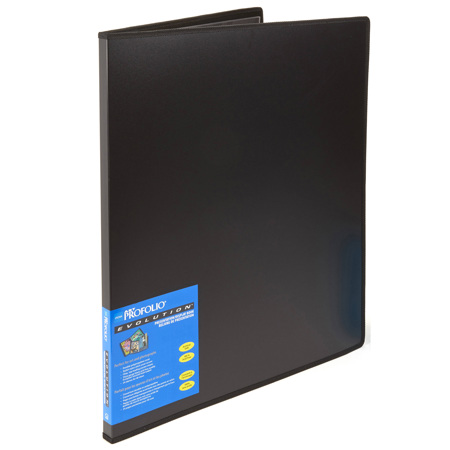
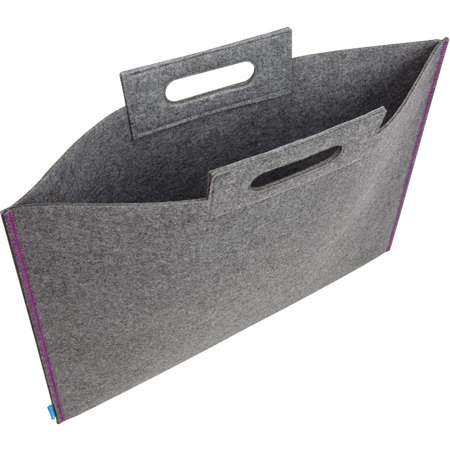
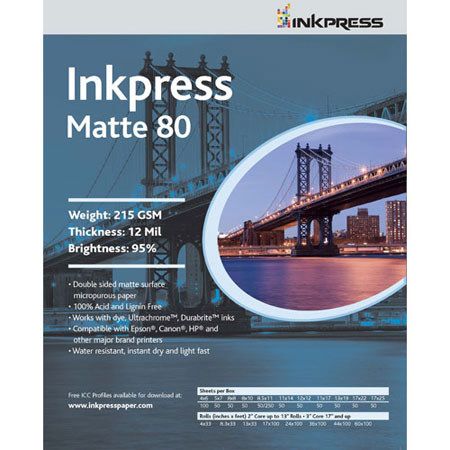
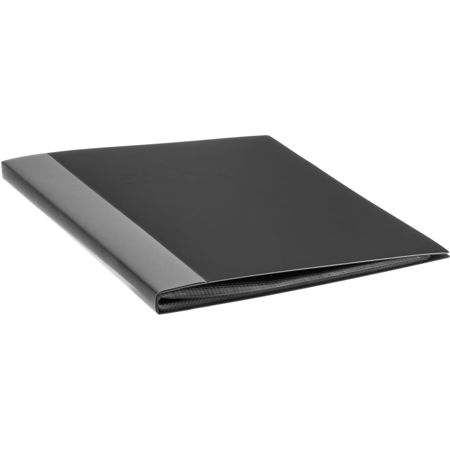
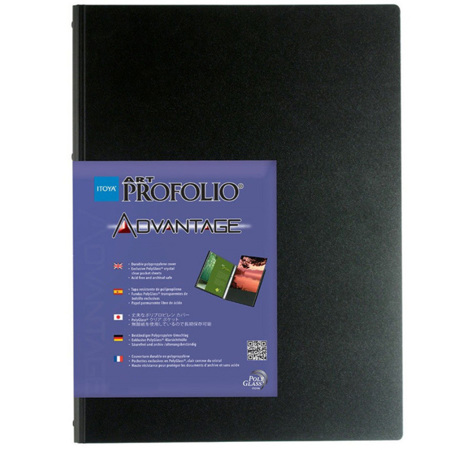
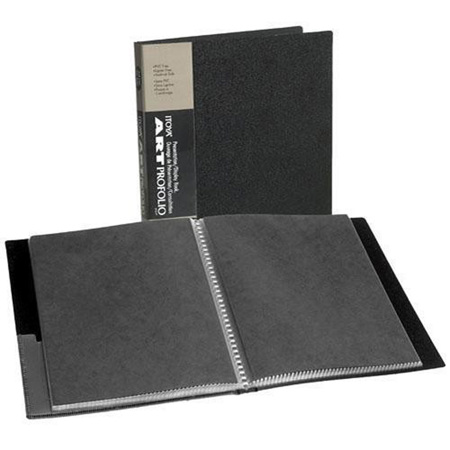
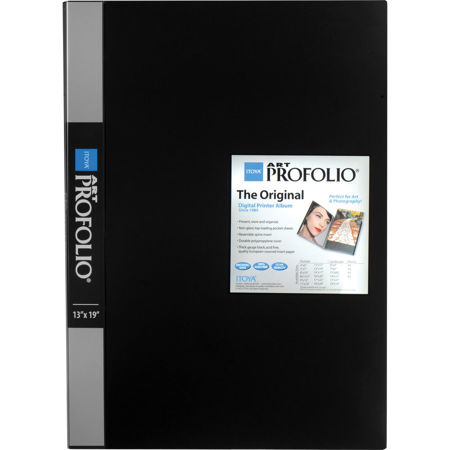
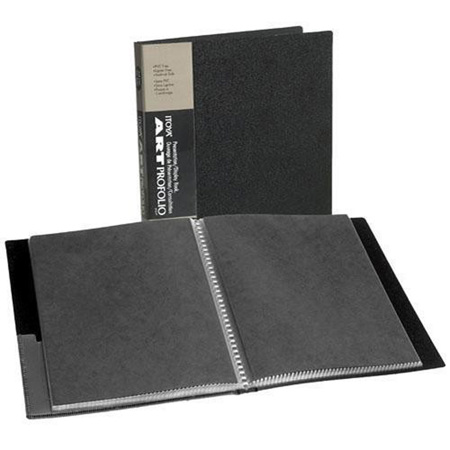
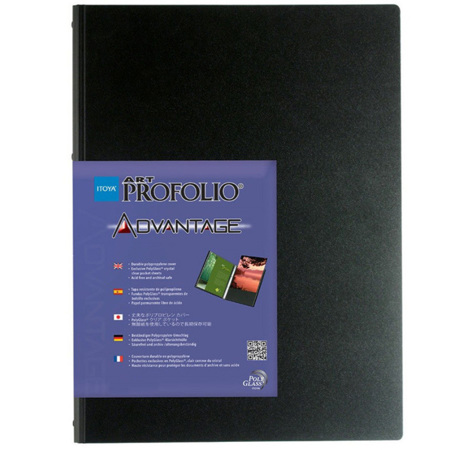
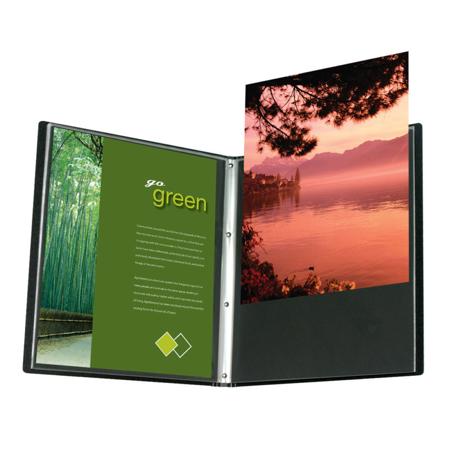
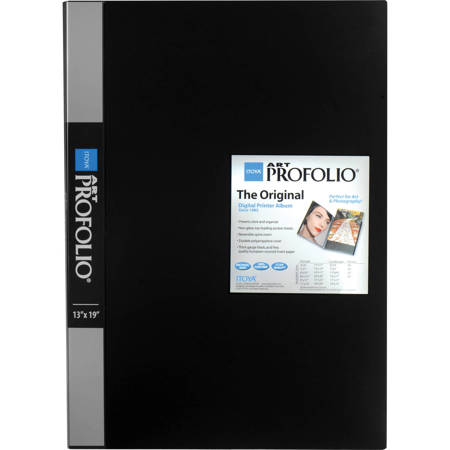
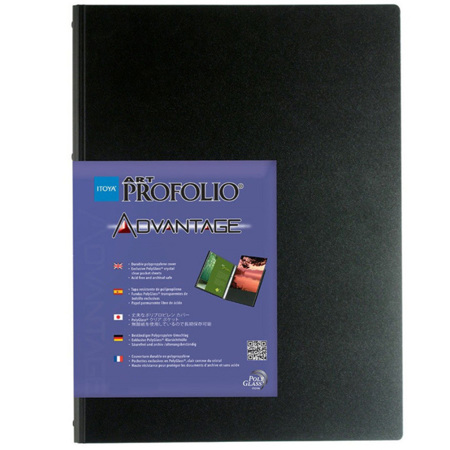
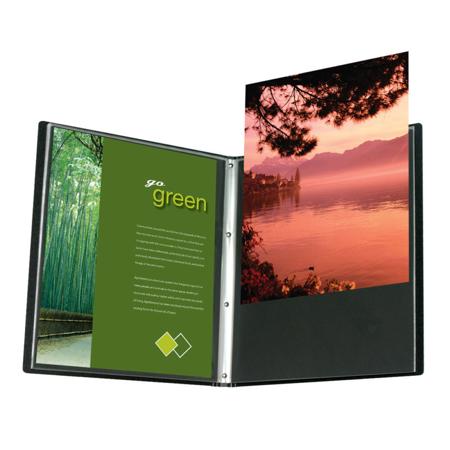
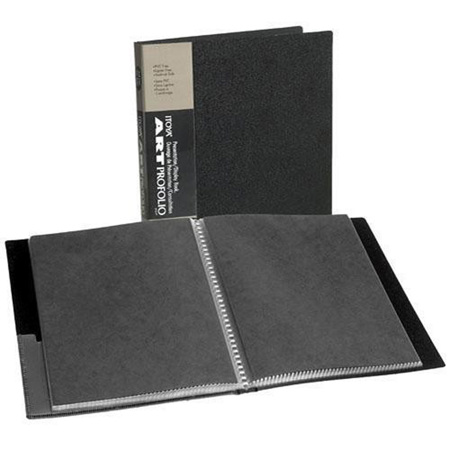
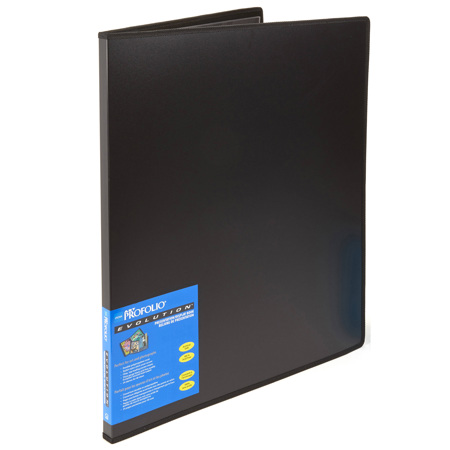
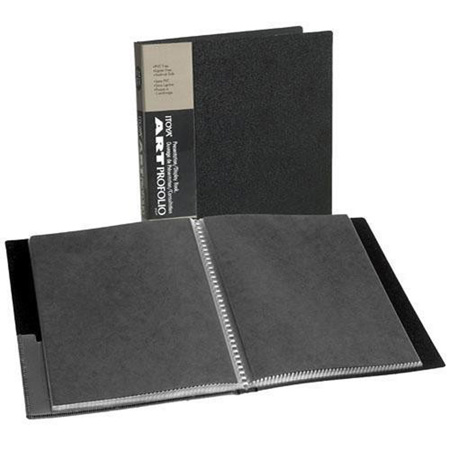
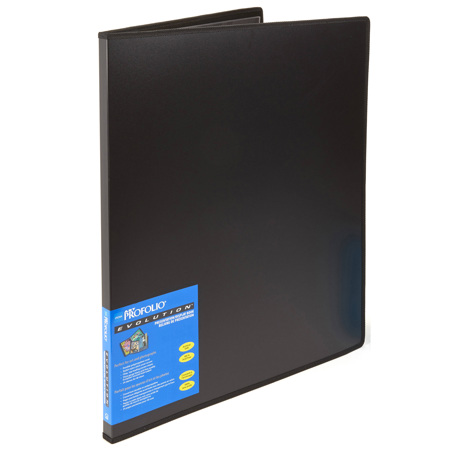
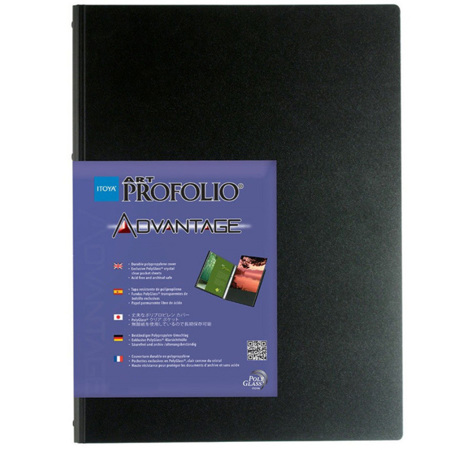
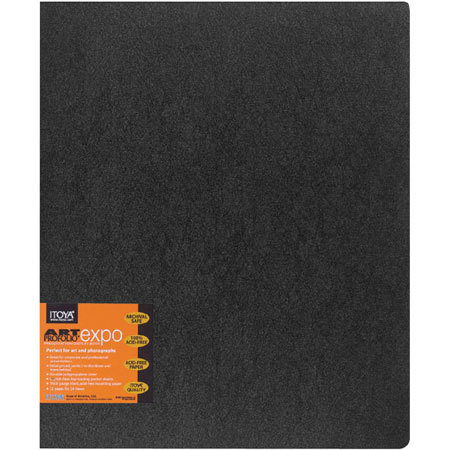
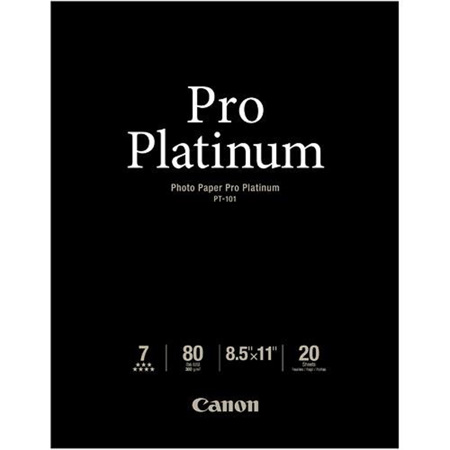
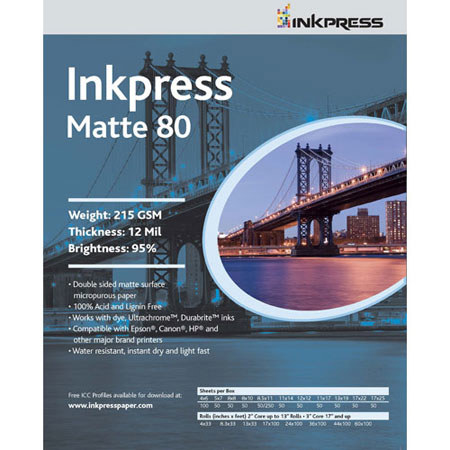
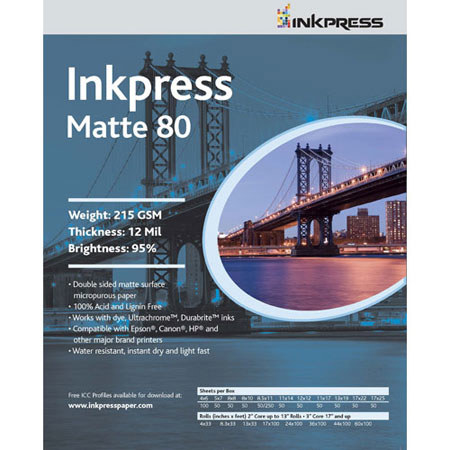
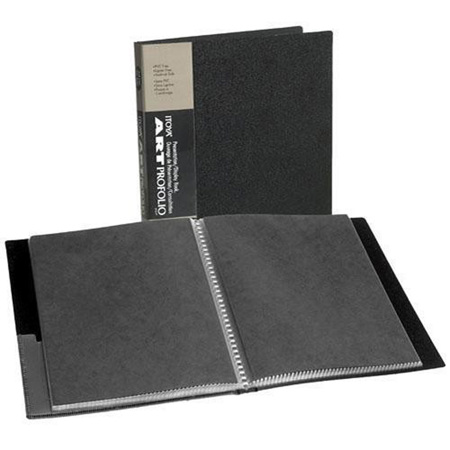
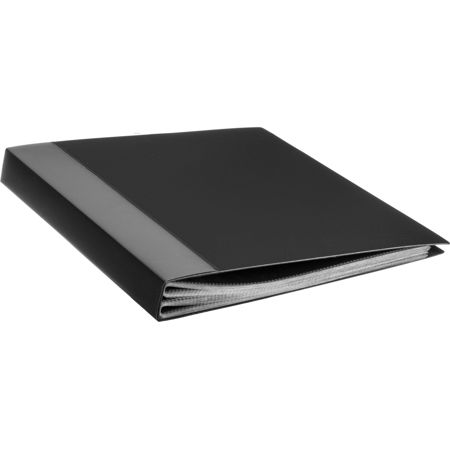
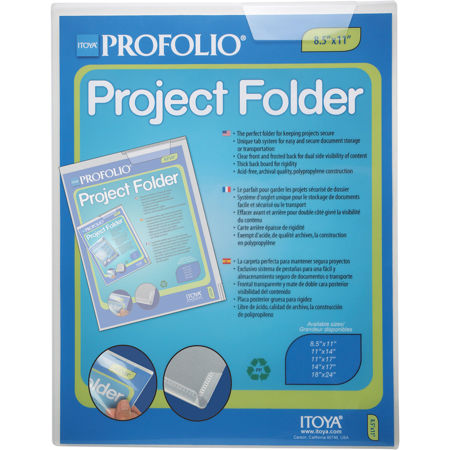
When considering what products to use for your portfolio, it’s important to think about the impression you want to leave. For those who prefer a tactile, hands-on experience, a physical portfolio offers the opportunity to showcase printed work on premium paper, with options for custom binding, sleek sleeves, and durable cases that protect your work while adding a touch of sophistication. These physical portfolios are ideal for in-person interviews, gallery submissions, or client presentations, where the feel and finish of your materials can speak volumes about your commitment to quality. On the other hand, digital portfolios are essential for reaching a broader audience, especially in today’s connected world. Tools for creating digital portfolios range from portable tablets and graphic displays to software that allows for interactive presentations, letting you share your creative process through animated case studies, before-and-after mockups, and multimedia storytelling. Many designers find that maintaining both print and digital portfolios allows them to adapt to different opportunities as they arise, whether networking at industry events during the cooler months or meeting clients in sunlit studios as summer sets in.
Portfolios also make thoughtful gifts for design students, recent graduates, or anyone embarking on a creative career. Gifting a quality portfolio case, a set of archival sleeves, or a professional-grade tablet can provide a meaningful boost of confidence and a practical head start. These products are not only useful for showcasing finished projects but also for organizing works-in-progress, collecting inspiration, and documenting the evolution of style over time. For those looking to support the next generation of creative talent, exploring resources like our Portfolio For Design Students page can offer additional ideas and inspiration. Ultimately, the right portfolio tools empower designers to present their work in the best possible light, make memorable first impressions, and open doors to new opportunities—whether that means landing a dream job, winning over a new client, or simply capturing the satisfaction of seeing your creative vision come to life.
When considering what products to use for your portfolio, it’s important to think about the impression you want to leave. For those who prefer a tactile, hands-on experience, a physical portfolio offers the opportunity to showcase printed work on premium paper, with options for custom binding, sleek sleeves, and durable cases that protect your work while adding a touch of sophistication. These physical portfolios are ideal for in-person interviews, gallery submissions, or client presentations, where the feel and finish of your materials can speak volumes about your commitment to quality. On the other hand, digital portfolios are essential for reaching a broader audience, especially in today’s connected world. Tools for creating digital portfolios range from portable tablets and graphic displays to software that allows for interactive presentations, letting you share your creative process through animated case studies, before-and-after mockups, and multimedia storytelling. Many designers find that maintaining both print and digital portfolios allows them to adapt to different opportunities as they arise, whether networking at industry events during the cooler months or meeting clients in sunlit studios as summer sets in.
Portfolios also make thoughtful gifts for design students, recent graduates, or anyone embarking on a creative career. Gifting a quality portfolio case, a set of archival sleeves, or a professional-grade tablet can provide a meaningful boost of confidence and a practical head start. These products are not only useful for showcasing finished projects but also for organizing works-in-progress, collecting inspiration, and documenting the evolution of style over time. For those looking to support the next generation of creative talent, exploring resources like our Portfolio For Design Students page can offer additional ideas and inspiration. Ultimately, the right portfolio tools empower designers to present their work in the best possible light, make memorable first impressions, and open doors to new opportunities—whether that means landing a dream job, winning over a new client, or simply capturing the satisfaction of seeing your creative vision come to life.